Are you tired of guessing how long to cook your waffles and ending up with soggy or burnt results? Getting the perfect waffle texture isn’t just about the batter — it’s all about timing.
Knowing exactly how long to cook waffles in your waffle iron can make the difference between a crispy, golden breakfast and a disappointing flop. You’ll discover the ideal cooking times, simple tips to avoid common mistakes, and how to get those perfect waffles every single time.
Keep reading, and your mornings will never be the same!
Credit: practicalselfreliance.com
Choosing The Right Waffle Iron
Choosing the right waffle iron can change how long you cook your waffles and how they turn out. Not all waffle irons are the same, and understanding their differences helps you get perfect waffles every time. Think about what matters most to you: speed, style, or ease of use.
Types Of Waffle Irons
You’ll find several types of waffle irons, each designed for different waffle styles. Classic Belgian waffle irons have deeper grids, making thicker waffles that take a bit longer to cook. Regular waffle irons produce thinner waffles faster but with a different texture.
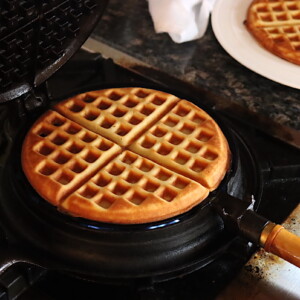
There are also flip waffle irons that rotate to spread batter evenly. These often cook waffles more uniformly and can speed up cooking time. If you like experimenting, you might enjoy a stovetop waffle iron, though it requires more attention and can change your cooking time.
Features That Affect Cooking Time
Temperature control is a key feature that impacts how long your waffles take to cook. Some waffle irons allow you to adjust the heat precisely, so you can find the perfect balance between golden and crispy. Others have fixed settings, which can mean longer or shorter cooking times based on the preset heat.
Non-stick coatings also matter. A good coating prevents sticking, so you don’t waste time trying to loosen waffles or cleaning up burnt bits. Plus, the size and thickness of the plates affect cooking speed—larger plates or thicker grids usually take more time to heat and cook the batter thoroughly.
Have you noticed how some waffle irons beep or have timers? These features help you avoid guesswork and prevent overcooking. Choosing one with these options can improve your waffle-making experience and consistency.
:max_bytes(150000):strip_icc()/22180-waffles-i-VAT-018-step-03-a95688b095904956a8ab7daa42232f34.jpg)
Credit: www.allrecipes.com
Preparing The Batter
Preparing the batter is the foundation of making perfect waffles. Your batter’s texture and ingredients directly influence cooking time and waffle quality. Getting this right ensures your waffles cook evenly and taste delicious every time.
Consistency And Ingredients
The batter should be thick but pourable, similar to pancake batter. Too thin, and your waffles will be soggy and take longer to cook. Too thick, and they might cook unevenly or stick to the iron.
Use fresh ingredients for the best results. Fresh eggs and baking powder help your waffles rise well, giving them a light texture. Consider adding a bit of melted butter or oil to keep the batter moist and prevent sticking.
Have you noticed how some waffles come out dense? That often happens when the batter is overmixed. Stir just until the ingredients are combined to keep the batter airy.
Tips For Crispy Waffles
- Add a tablespoon of sugar or cornstarch to your batter to boost crispiness.
- Use buttermilk or yogurt instead of regular milk for extra tang and a tender crumb.
- Don’t forget to preheat your waffle iron fully – a hot surface seals the batter quickly, making waffles crispy outside and soft inside.
- Try separating the egg whites and folding them into the batter last to increase fluffiness and crunch.
Have you tried these tweaks before? Small changes in your batter can make a big difference in cooking time and texture. Experiment and see what works best for your taste and waffle iron.
Setting The Temperature
Setting the right temperature on your waffle iron is key to getting waffles that are crispy on the outside and soft on the inside. If the temperature is too low, your waffles might turn out soggy or undercooked. Too high, and you risk burning them before the inside cooks through.
Ideal Heat Levels
Most waffle irons perform best between 350°F and 400°F (175°C to 205°C). This range allows the batter to cook evenly and develop that golden-brown color without sticking.
Some irons have numbered settings instead of exact temperatures. Usually, a medium-high setting works well for standard waffles. If your iron has a temperature dial, start around 375°F and adjust based on your first batch.
Adjusting For Different Irons
Not all waffle irons heat the same way. Thin, non-stick plates heat up faster and might need a slightly lower setting to prevent burning. Cast iron or thicker plates often require higher temperatures or longer cook times.
Have you noticed some waffles cook perfectly in one iron but come out different in another? This happens because heat distribution varies by model. Try testing with a few batches, adjusting temperature and timing until you find the sweet spot for your specific iron.
Remember, your goal is a waffle that’s crisp outside and fully cooked inside. Don’t hesitate to tweak the settings even after you think you’ve got it right. Waffle perfection takes a little practice and patience.
Cooking Time Guidelines
Cooking waffles to perfection in a waffle iron can be an art. Understanding the right cooking time can make the difference between a crispy delight and a soggy disappointment. Let's explore some practical tips and timing guidelines to help you achieve that perfect waffle every time.
Standard Cooking Times
Waffle irons vary, but most cook waffles in about 4 to 6 minutes. This range ensures a golden-brown exterior with a tender interior. It's always a good idea to check your waffle iron's manual for specific recommendations.
Remember, the first waffle might be your test run. Use it to gauge timing and adjust accordingly for subsequent batches. If your waffles are too pale or too dark, tweak the time by 30-second increments until you find the sweet spot.
Signs Your Waffle Is Ready
Visual and aromatic cues are your best friends when determining waffle doneness. Look for steam reduction. As waffles cook, steam escapes. When it diminishes significantly, it's a good indicator that your waffle is close to being done.
Listen for the sizzle. A gentle sizzle means cooking is still underway, while a quieter iron suggests completion. And, of course, the aroma of a perfectly cooked waffle is unmistakable. If it smells ready, it likely is!
Ask yourself: does the waffle release easily from the iron? If it's sticking, it might need a bit more time. Trust your senses, and don't be afraid to experiment until you master your perfect waffle.
Common Cooking Mistakes
Cooking waffles in a waffle iron seems straightforward, but many run into common mistakes that affect the final texture and taste. These errors often lead to waffles that are either soggy or burnt. Recognizing these pitfalls can help you achieve the perfect golden waffle every time.
Undercooking And Overcooking
Undercooked waffles are often pale and soggy inside, lacking the crispness you want. This usually happens because the waffle iron wasn’t heated enough or the cooking time was too short. On the other hand, overcooking leads to dry, burnt waffles that taste bitter.
Have you ever tried to rush the process and ended up with half-cooked batter? It’s tempting to open the iron early, but patience is key. Let the waffle iron do its job fully—most models have an indicator light or beep to tell you when the waffle is ready.
How To Avoid Sticking
Sticky waffles are frustrating and can ruin your breakfast mood. One common reason is not greasing the waffle iron properly. Even if your waffle iron is non-stick, a light spray or brush of oil can make a big difference.
Also, avoid pouring too much batter. Excess batter can overflow and cause sticking around the edges. Using just the right amount keeps the waffles intact and easier to remove.
- Preheat your waffle iron fully before adding batter.
- Use a non-stick spray or brush a thin layer of oil on the plates.
- Pour batter carefully, avoiding overfilling.
- Let the waffle cool for a few seconds before trying to remove it.

Credit: www.kyleecooks.com
Tips For Extra Crispy Waffles
Achieving extra crispy waffles requires a few smart tweaks to your batter and cooking process. Small changes can make a big difference in texture. Focus on ingredients and timing to get that perfect crunch every time.
Using Cornstarch Or Baking Powder
Cornstarch helps create a light and crisp waffle crust. Replace part of the flour with cornstarch for a crunchier bite. Baking powder also adds crispness by making waffles rise quickly and become airy. Use fresh baking powder for best results. These ingredients work well together to improve texture without changing flavor.
Preheating And Timing Tricks
Always preheat the waffle iron fully before cooking. A hot iron cooks waffles evenly and crisps the outside fast. Avoid opening the iron too soon; this stops the crisping process. Let waffles cook until steam stops rising. This signals the waffle is cooked through and crispy on the outside.
Troubleshooting Tips
Waffles can sometimes cook unevenly or turn out soggy. These issues often confuse even the most careful cooks. Troubleshooting helps fix common waffle iron problems quickly. The right steps make your waffles crisp and golden every time. Below are simple tips to solve uneven cooking and soggy waffle problems.
Uneven Cooking Solutions
Uneven cooking happens when heat is not spread well inside the waffle iron. This creates spots that are undercooked or burnt.
- Preheat the waffle iron fully before pouring batter.
- Spread batter evenly to cover the entire surface.
- Avoid opening the iron too soon during cooking.
- Check if your waffle iron’s plates are clean and free of old batter.
- Rotate the waffle iron if it allows, to cook both sides evenly.
- Use a consistent amount of batter every time.
Dealing With Soggy Waffles
Soggy waffles often result from too much batter or steam trapped inside the iron. This ruins the crispy texture many enjoy.
- Use the recommended amount of batter for your waffle iron size.
- Let waffles cook until the steam stops escaping from the iron.
- Keep the waffle iron closed during cooking to trap heat properly.
- Remove waffles carefully and place them on a wire rack to cool.
- Avoid stacking waffles immediately; this traps moisture and makes them soggy.
Frequently Asked Questions
How Long Do Waffles Take To Cook In A Waffle Iron?
Waffles typically cook in 4 to 6 minutes in a preheated waffle iron. The exact time varies by model and batter thickness. Check for a golden brown color and crisp texture as a doneness indicator.
Can Cooking Time Affect Waffle Texture?
Yes, cooking time directly impacts waffle texture. Under-cooked waffles are soft and doughy, while overcooked ones become dry and hard. Aim for a balanced 4-6 minute cook time to achieve a crispy outside and fluffy inside.
How To Know When Waffles Are Fully Cooked?
Waffles are fully cooked when steam stops escaping from the waffle iron. Additionally, the waffle should be golden brown and easily lift off the plates. Using these signs helps prevent under or overcooking.
Does Waffle Iron Type Change Cooking Time?
Yes, different waffle iron types affect cooking time. Thicker irons or Belgian-style irons may take longer than thin, traditional models. Always follow your waffle iron’s specific instructions for best results.
Conclusion
Cooking waffles in a waffle iron usually takes about 3 to 5 minutes. Timing depends on your waffle iron and batter thickness. Watch for a golden brown color and crispy edges. Avoid opening the iron too soon to keep waffles fluffy inside.
Experiment a little to find your perfect cooking time. Enjoy warm, fresh waffles made just right every time. Simple steps lead to tasty results. Keep practicing, and waffle making becomes easy and fun.