Grilling the perfect steak over charcoal is a skill many want to master. You might wonder, how long should you cook your steak to get that juicy, flavorful bite every time?
Too short, and it’s undercooked; too long, and it becomes tough and dry. The timing can make all the difference between a great meal and a missed opportunity. You’ll discover simple, clear tips on how long to cook your steaks on a charcoal grill, so you can impress yourself and your guests with mouthwatering results.
Keep reading to unlock the secrets to steak grilling success.
Choosing The Right Steak Cut
Choosing the right steak cut is your first step toward grilling success. The cut you pick directly affects the cooking time, flavor, and texture of your steak. Understanding the differences between cuts helps you decide how long to cook and what heat level to use on your charcoal grill.
Popular Cuts For Grilling
Some steak cuts are made for the grill, offering rich flavor and tenderness. Here are a few favorites:
- Ribeye:Known for its marbling, it stays juicy and flavorful even at higher heat.
- Strip Steak (New York Strip):A leaner cut with a firm texture, perfect for medium to high heat grilling.
- Filet Mignon:Extremely tender but lean, requiring careful cooking to avoid drying out.
- T-Bone:Combines two cuts—the strip and tenderloin—giving you variety in one steak.
- Flank Steak:Thin and lean, best marinated and cooked quickly at high heat.
Choosing between these depends on your taste preference and how much time you want to spend grilling. Have you tried mixing cuts at your next cookout?
Thickness And Its Impact On Cooking
Thickness changes everything about cooking times on a charcoal grill. A thicker steak takes longer to cook through but can develop a better crust without overcooking the inside.
Thin steaks, under one inch, cook very quickly—often in just a few minutes per side. They need close attention to avoid drying out.
| Steak Thickness | Cooking Approach | Typical Cook Time (per side) |
|---|---|---|
| Under 1 inch | High heat, quick sear | 2-3 minutes |
| 1 to 1.5 inches | High heat sear, then indirect heat | 4-5 minutes |
| Over 1.5 inches | Reverse sear or slow indirect cooking first | 6+ minutes |
Have you noticed how the thickness of your steak changes your grilling strategy? Experiment with different cuts and thicknesses to find what suits your taste and grill setup best.
Credit: www.askchefdennis.com
Preparing The Charcoal Grill
Preparing your charcoal grill properly is the foundation of cooking the perfect steak. Without the right setup, you risk uneven cooking and missing that irresistible smoky flavor. Taking the time to arrange your coals and reach the right temperature will make all the difference in your grilling experience.
Setting Up The Coals
Start by choosing high-quality lump charcoal or briquettes. Lump charcoal lights faster and burns hotter, while briquettes provide a more consistent heat over time. Arrange your coals in a two-zone setup: pile more coals on one side for direct high heat and spread fewer coals on the other side for indirect cooking.
This setup allows you to sear your steaks over intense heat and then move them to the cooler side to finish cooking without burning. Don’t forget to leave space for air circulation—oxygen fuels the fire. Use a chimney starter to light your coals evenly; it’s quicker and avoids chemical smells that can affect the steak’s flavor.
Achieving The Ideal Temperature
How do you know when your grill is ready? The perfect steak usually cooks best at around 450-500°F (232-260°C). Hold your hand about 5 inches above the grill grate and count how many seconds you can keep it there:
- 2 seconds: High heat (ideal for searing)
- 4 seconds: Medium heat
- 6 seconds: Low heat
This simple test helps you adjust your cooking zones without a fancy thermometer. If your grill is too hot, spread out the coals or raise the grill grate. Too cool? Add more lit coals or close the vents to increase heat. Remember, controlling your grill’s temperature is key to cooking steaks exactly how you like them.
Seasoning And Marinating
Seasoning and marinating steaks before grilling add depth to the flavor. They help tenderize the meat and create a delicious crust. Even simple seasoning can make a big difference on a charcoal grill.
Simple Seasoning Tips
Salt is the best seasoning for steaks. It draws out moisture and forms a tasty crust. Use coarse salt like kosher or sea salt for best results.
Freshly ground black pepper adds a mild heat and aroma. Apply it just before grilling to keep its flavor strong.
Optional extras include garlic powder, onion powder, or smoked paprika. Sprinkle lightly to enhance the taste without overpowering the beef.
Marinades To Enhance Flavor
Marinades add moisture and rich flavors to steaks. They break down tough fibers, making meat tender.
Common marinade ingredients:
- Olive oil for moisture and smooth texture
- Acidic components like lemon juice or vinegar to tenderize
- Herbs such as rosemary, thyme, or oregano for aroma
- Garlic and soy sauce for bold, savory notes
Marinate steaks for at least 30 minutes, up to 4 hours. Avoid over-marinating to prevent mushy texture.
Cooking Times For Different Doneness
Cooking steaks on a charcoal grill requires attention to doneness. Rare steaks need about 4-5 minutes per side. Medium steaks take around 6-7 minutes per side. For well-done, grill each side for 8-10 minutes. Adjust times based on steak thickness.
Always let steaks rest before serving.
Cooking a steak on a charcoal grill is an art. The time on the grill affects its doneness. Whether you prefer rare or well-done, each has its own cooking time. Let's explore the ideal times for each level of doneness.
Rare And Medium-rare Steaks
Rare steaks need a short time on the grill. Cook for 4-5 minutes per side. The internal temperature should be 125°F. Medium-rare steaks are a bit warmer. Grill them for 5-6 minutes per side. Aim for an internal temperature of 135°F. These times ensure a juicy, tender steak.
Medium And Medium-well Steaks
Medium steaks have more grill time. Cook them for 6-7 minutes per side. The internal temperature should reach 145°F. Medium-well steaks need a bit longer. Grill them for 7-8 minutes per side. The target temperature is 155°F. Both options offer a firmer texture.
Well-done Steaks
Well-done steaks take the longest. Grill them for 8-10 minutes per side. The internal temperature should hit 160°F or more. This ensures a fully cooked steak. It will have a firm and thoroughly cooked texture.
Using A Meat Thermometer
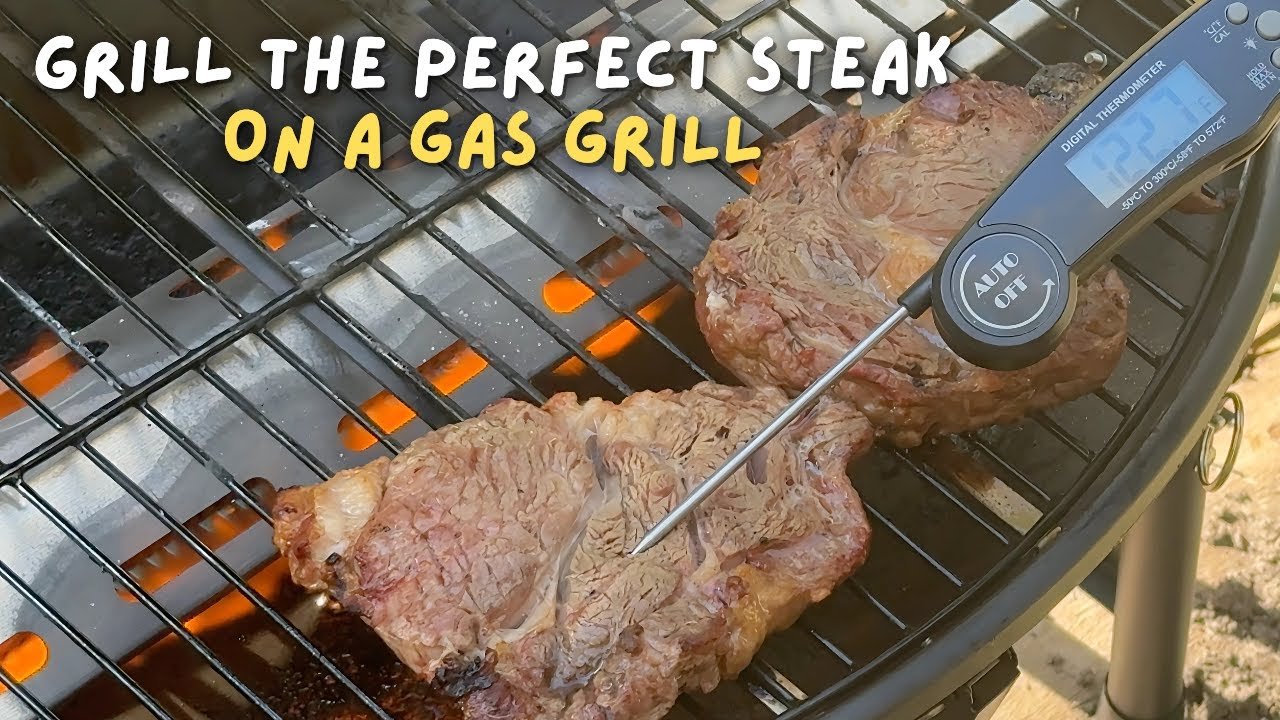
Using a meat thermometer is the best way to cook steaks perfectly on a charcoal grill. It helps check the exact internal temperature. This tool removes the guesswork and ensures the steak is cooked just right.
Checking Internal Temperatures
Insert the thermometer probe into the thickest part of the steak. Avoid touching bone or fat for an accurate reading. Different doneness levels require different temperatures:
- Rare: 120-125°F (49-52°C)
- Medium rare: 130-135°F (54-57°C)
- Medium: 140-145°F (60-63°C)
- Medium well: 150-155°F (66-68°C)
- Well done: 160°F and above (71°C+)
Check the temperature a few minutes before the estimated cooking time ends. This prevents over or undercooking.
Avoiding Overcooking
Remove the steak from the grill when it reaches 5°F (3°C) below the target temperature. The steak continues to cook slightly off the heat. This resting period helps juices redistribute evenly inside.
Keep the thermometer handy for quick checks. Avoid opening the grill too often; it lowers the heat and increases cooking time.
Resting The Steak After Cooking
After you pull your steak off the charcoal grill, the cooking isn't quite finished. Resting the steak is a crucial step that many overlook. This pause lets the meat finish its transformation, making every bite juicier and more flavorful.
Why Resting Matters
When you cook a steak, the heat pushes the juices toward the center. Cutting into it immediately causes those flavorful juices to spill out on your plate instead of staying inside the meat.
Resting gives the juices time to redistribute evenly throughout the steak. This means you get a tender, moist bite every time, rather than dry edges and a less satisfying center.
Recommended Resting Times
The length of resting depends on the steak’s thickness. A good rule is to rest your steak for about half the cooking time.
- For a 1-inch thick steak, rest for 5-7 minutes.
- For a 2-inch thick steak, rest for 10-12 minutes.
Try tenting the steak loosely with foil to keep it warm without steaming the crust. Have you ever noticed how a rested steak tastes better even if it’s slightly cooler? That’s because the juices have settled back inside, delivering more flavor with each bite.
Tips For Perfect Grill Marks
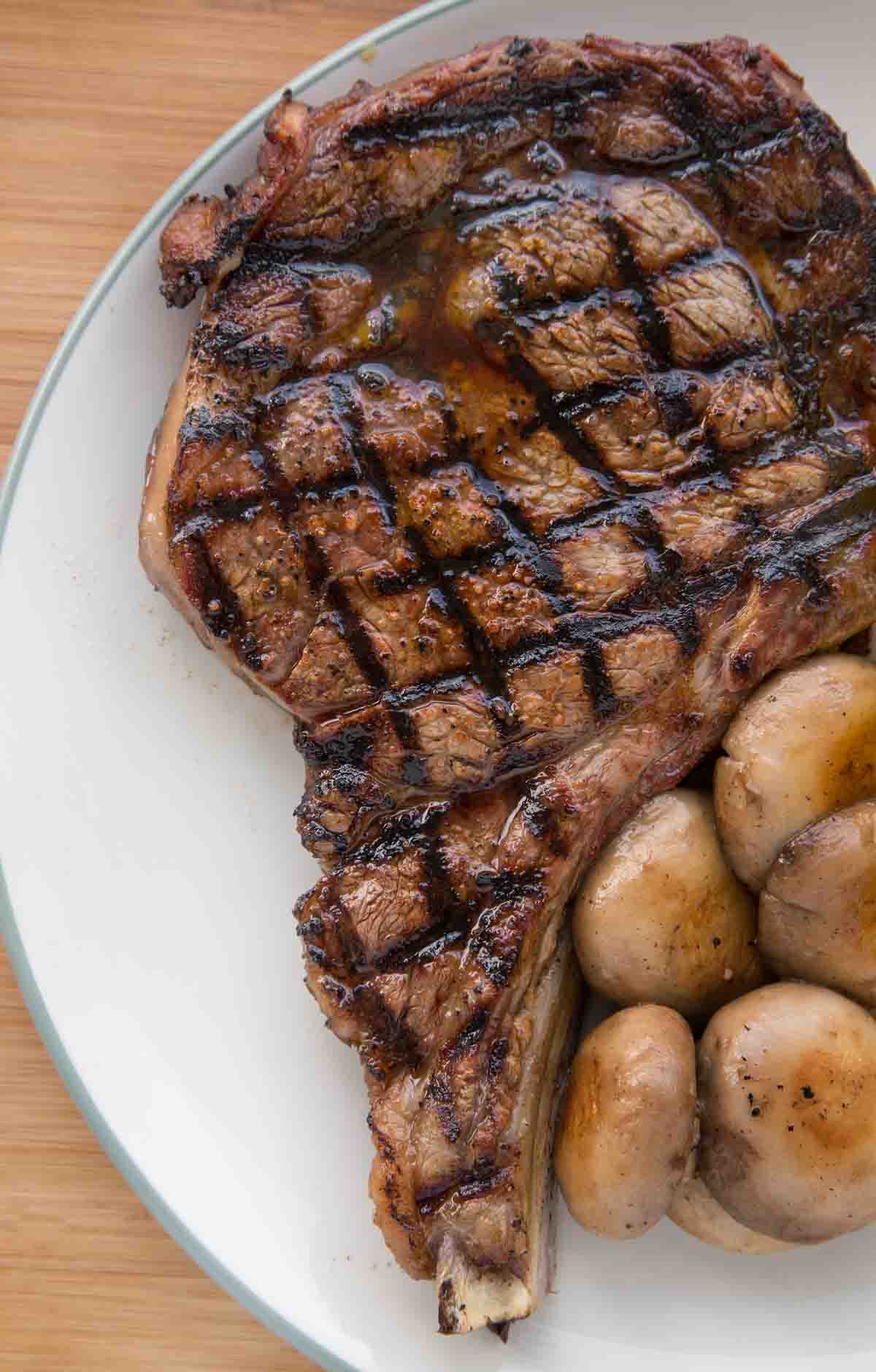
Perfect grill marks make your steak look as good as it tastes. They show the steak is cooked right and add a nice texture. Achieving those marks needs the right technique and a bit of care.
Proper Grill Placement
Place your steak on the hottest part of the grill. This area is usually in the center. Make sure the grill grates are clean and oiled. This helps prevent sticking and creates clear marks. Position the steak at a 45-degree angle to the grates for best results.
Timing For Searing
Let the steak sear without moving it for 2 to 3 minutes. This time lets the heat create dark, defined lines. After the first sear, rotate the steak 90 degrees. Sear again for another 2 to 3 minutes. This creates a crosshatch pattern of grill marks. Avoid flipping too soon to keep marks sharp.

Credit: grassrootscoop.com
Common Mistakes To Avoid
Grilling the perfect steak over charcoal is an art, but many get tripped up by common mistakes that ruin flavor and texture. Avoiding these pitfalls can make a big difference in your results. Let’s look at some frequent errors that might be holding your steaks back from greatness.
Flipping Too Often
Many believe flipping steaks frequently cooks them more evenly, but it actually stops the crust from forming properly. A well-seared steak needs time on each side—usually at least 3 to 4 minutes depending on thickness. Constant flipping interrupts this process and can cause the meat to lose juices, resulting in a dry, less flavorful bite.
I once flipped a ribeye every minute, thinking it would speed things up. Instead, the steak ended up pale and tough. Since then, I let it sit, flipping only once or twice, and the difference in crust and juiciness was incredible. Try timing your flips and resist the urge to touch the steak too often—you'll thank yourself later.
Cooking Over Too High Heat
Charcoal grills can get extremely hot, but cooking steaks over blazing flames can burn the outside before the inside cooks. This leads to a tough exterior and an undercooked center, especially with thicker cuts. Managing heat zones on your grill is key—use a hot side for searing and a cooler side for finishing the steak gently.
Have you noticed blackened spots on your steaks but raw meat inside? That’s a sign your heat was too intense. Instead, aim for a two-zone fire setup. Move the steak between hot and cooler areas to control cooking speed and avoid charring. Your steak will develop a rich crust and perfect doneness without the bitter burnt taste.
:max_bytes(150000):strip_icc()/2026080120260722-SEA-St.LouisPorkSteak-Twobites-12-02e31a59c9b847c2b7df379228c6c1d9.jpg)
Credit: www.seriouseats.com
Frequently Asked Questions
How Long To Cook A Steak On Charcoal Grill?
Cook steaks 4-5 minutes per side for medium-rare on high heat. Adjust time for thickness and desired doneness. Use a meat thermometer for accuracy.
What Is The Ideal Charcoal Grill Temperature For Steaks?
Maintain 450-500°F for searing steaks on a charcoal grill. This high heat creates a flavorful crust while keeping inside juicy.
How To Check Steak Doneness On Charcoal Grill?
Use a meat thermometer: 130°F for medium-rare, 140°F for medium. Alternatively, use the finger test for firmness to estimate doneness.
Should You Rest Steaks After Charcoal Grilling?
Yes, rest steaks for 5 minutes after cooking. This allows juices to redistribute, making the steak tender and flavorful.
Conclusion
Grilling steaks on charcoal takes time and care. Cook times depend on steak thickness and heat. Use a thermometer or check by touch. Rest the steak before cutting to keep juices. Practice helps you find the perfect timing. Enjoy the smoky flavor and tender bite.
Charcoal grilling brings out the best taste. Keep trying, and you will improve each time.