Are you ready to make a delicious, tender pot roast but unsure how long to cook it on the stove? Getting the timing just right can be tricky.
Cook it too short, and your meat will be tough. Cook it too long, and it might fall apart or dry out. But don’t worry—you’re about to discover the perfect cooking time that guarantees a mouthwatering pot roast every time.
Keep reading to learn the simple steps and tips that will turn your stove-top pot roast into a family favorite.
Choosing The Right Cut
Choosing the right cut of meat is key to a tender pot roast. Different cuts affect cooking time and flavor. Some cuts break down easily during slow cooking, making them perfect for stove-top pot roast. Others need longer cooking or different methods to become tender. Understanding the best cuts helps you cook a delicious meal every time.
Best Cuts For Pot Roast
Chuck roast is the most popular choice. It has good flavor and becomes tender with slow cooking. Brisket is another option, known for its rich taste and texture. Round roast is leaner but can work if cooked slowly and carefully.
- Chuck roast: flavorful, tender after slow cooking
- Brisket: rich flavor, needs longer cooking
- Round roast: lean, requires careful cooking
Marbling And Tenderness
Marbling means fat inside the meat. It melts during cooking, keeping the roast juicy. More marbling usually means better flavor and tenderness. Choose cuts with visible fat lines for a moist, tasty pot roast. Lean cuts may dry out and become tough.

Credit: somuchfoodblog.com
Preparing The Pot Roast
Preparing the pot roast well sets the stage for a tender, flavorful meal. Careful steps before cooking improve taste and texture. This section guides you through essential preparation tips.
Seasoning Tips
Use salt and pepper generously to enhance the meat’s natural flavor. Rub the roast evenly for full coverage. Add herbs like rosemary or thyme for aroma. Garlic powder or onion powder add depth without overpowering. Keep seasoning simple to let the beef shine.
Browning The Meat
Heat oil in a heavy pan until shimmering. Place the roast carefully to avoid splashes. Brown each side for 3-4 minutes until a rich crust forms. This step locks in juices and builds flavor. Avoid crowding the pan to get an even sear.
Stove Cooking Methods
Cooking pot roast on the stove offers a tender and flavorful meal. Several stove cooking methods work well, depending on equipment and time. Each method uses gentle heat to break down the meat. Patience is key to a perfect pot roast.
Simmering In A Pot
Simmering pot roast means cooking it in a covered pot with liquid. Use broth, water, or wine for the liquid base. Keep the heat low enough to maintain gentle bubbles. This process takes about 2.5 to 3 hours. Check occasionally to keep the liquid from drying out. The slow simmer helps the meat become soft and juicy.
Using A Dutch Oven
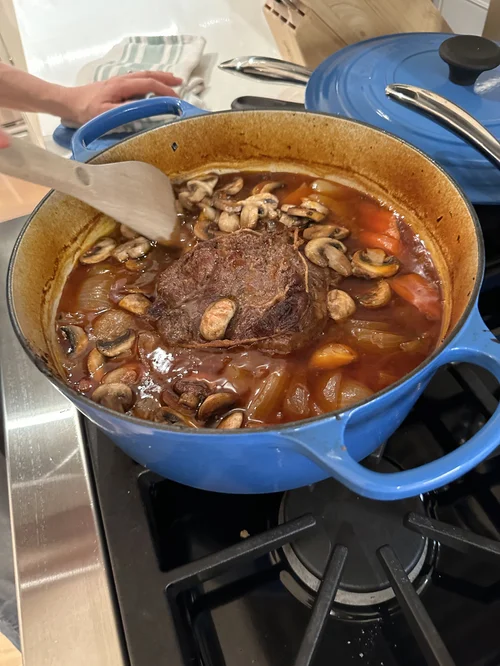
A Dutch oven is perfect for stove-top pot roast cooking. It holds heat well and distributes it evenly. Brown the meat first, then add vegetables and liquid. Cover with a tight lid to trap moisture. Cook on low heat for 3 to 4 hours. The Dutch oven creates a moist environment, making the roast tender and rich.
Slow Cooking On Low Heat
Slow cooking uses the lowest stove heat setting. Place the roast in a heavy pot and add liquid. Keep the pot covered to keep moisture inside. This method takes 4 to 5 hours or more. Low heat slowly breaks down tough fibers in the meat. The result is a melt-in-your-mouth pot roast full of flavor.
Credit: www.katieleebiegel.com
Cooking Time Guidelines
Cooking a pot roast on the stove requires patience and attention to time. Proper cooking time ensures the meat becomes tender and flavorful. Too little time leaves the roast tough. Too long can dry it out. Understanding the right cooking time helps achieve the best results every time.
General Time Ranges
Pot roast usually cooks between 2 to 4 hours on the stove. The slow simmer breaks down tough meat fibers. Most roasts become tender after about 3 hours. Check the meat for tenderness after 2 hours. Use a fork to test if the meat pulls apart easily. Keep the heat low to avoid burning or drying out the roast.
Adjusting For Size And Cut
Cooking time changes based on the roast’s weight and type. Larger roasts need more time to cook through. For a 3-pound roast, expect about 3 hours. A 5-pound roast may take 4 hours or more. Different cuts have varying levels of toughness. Chuck roast takes longer to become tender. Round roast cooks faster but can dry out quicker. Adjust heat and time to match the cut and size. Always check for tenderness before serving.
Checking For Tenderness
Checking for tenderness is a key part of cooking pot roast on the stove. It tells you whether your meat is ready to serve or needs more time to become melt-in-your-mouth soft. Knowing exactly when to stop cooking saves you from a tough roast and ensures the best flavor and texture.
Testing With A Fork
Use a fork to test the roast’s tenderness by gently piercing the meat. If the fork slides in easily without resistance, your roast is getting close to perfect. You should also try to twist the fork slightly; if the meat begins to pull apart, it means the fibers are breaking down well.
Don’t poke just one spot—check different areas of the roast. Sometimes the center takes longer than the edges. This simple test helps you avoid overcooking or undercooking.
Signs Of Perfect Doneness
Besides fork tenderness, look for these signs:
- The meat pulls apart effortlessly with little pressure.
- Juices run clear or slightly pink, not bloody.
- The texture feels soft but not mushy when you press it.
Have you ever cut into a roast only to find it still chewy inside? This is a sign it needed more stove time. Pay attention to these signs, and you’ll serve a roast that’s juicy and tender every time.

Credit: cheflolaskitchen.com
Enhancing Flavor During Cooking
Enhancing the flavor of your pot roast during cooking makes every bite rich and satisfying. Slow cooking on the stove allows the meat to soak up tastes from other ingredients. Using the right additions helps build deep, layered flavors. Simple steps can turn a basic pot roast into a delicious meal.
Adding Vegetables
Vegetables add natural sweetness and depth to the pot roast. Carrots, onions, and potatoes are classic choices. They soften and release flavors into the meat and broth as they cook. Adding garlic or celery brings extra aroma and complexity. Cut vegetables into large pieces to avoid overcooking. Place them around the roast to infuse flavor evenly.
Using Broth And Aromatics
Broth adds moisture and rich taste to the cooking liquid. Beef or vegetable broth works best for pot roast. It helps tenderize the meat while adding savory notes. Aromatics like bay leaves, thyme, and rosemary enhance the smell and flavor. Add peppercorns or a splash of Worcestershire sauce for a subtle kick. These ingredients simmer together, creating a flavorful base that seeps into the roast.
Common Mistakes To Avoid
Cooking pot roast on the stove requires careful timing to avoid common mistakes. Overcooking can lead to dry meat, while undercooking leaves it tough. Monitor the simmering process closely to achieve tender and flavorful results.
Cooking pot roast on the stove can be a rewarding experience, filling your home with tantalizing aromas and the promise of a hearty meal. However, achieving that perfect, melt-in-your-mouth texture can sometimes be elusive. Avoiding common mistakes is essential to mastering this classic dish. Below, we’ll explore two critical errors that can turn your pot roast from a delightful dinner to a disappointing dish.
Overcooking
Overcooking is a frequent pitfall when preparing pot roast. It's easy to assume that longer cooking will result in more tender meat, but that's not always the case. Too much time on the stove can lead to a dry and chewy roast. Keep a close eye on your pot roast, checking for tenderness around the two-hour mark. Use a fork to test—if it slides in easily, it’s done. Remember, the meat continues to cook even after you remove it from the heat. Allow it to rest for a few minutes before serving, ensuring it reaches the perfect texture.
Insufficient Browning
Insufficient browning can rob your pot roast of a rich depth of flavor. Browning is not just for color; it caramelizes the surface, adding complexity and enhancing the meat’s natural flavors. Ensure your pot is hot enough before you start. A few minutes on each side should suffice, creating a beautiful crust. Consider this: have you ever noticed how the best pot roasts have that irresistible, savory aroma? That’s the magic of proper browning. Don’t rush this step—it sets the stage for a truly delicious meal. By being mindful of these common mistakes, you’re well on your way to serving a pot roast that’s as delightful to eat as it is to prepare. What techniques do you find most helpful when cooking pot roast? Share your tips in the comments!
Serving Suggestions
Serving pot roast straight from the stove is a comforting experience. It pairs well with many sides that balance its rich flavors. Choosing the right accompaniments can elevate your meal and please every palate.
Leftover pot roast can be saved and enjoyed later. Proper storage keeps its taste and texture intact for your next meal.
Ideal Side Dishes
- Mashed potatoes soak up the flavorful juices perfectly.
- Steamed green beans add a fresh, crisp contrast.
- Roasted carrots bring a natural sweetness to the plate.
- Buttered dinner rolls help scoop up every tasty bite.
- A simple garden salad provides a light, refreshing touch.
Storing Leftovers
Cool leftover pot roast before placing it in airtight containers. Store in the refrigerator for up to 3 days. For longer storage, freeze portions for up to 3 months.
Reheat gently on the stove or in the microwave. Add a splash of broth or water to keep it moist. Proper storage maintains flavor and prevents dryness.
Frequently Asked Questions
How Long Should I Cook Pot Roast On The Stove?
Cook pot roast on the stove for about 2. 5 to 3 hours. Use low heat and simmer gently until the meat is tender and easily shredded with a fork.
What Temperature Is Best For Stove-top Pot Roast?
Keep the stove-top temperature low to medium-low. This allows the pot roast to cook slowly and become tender without drying out or burning.
Can I Cook Pot Roast Faster On The Stove?
Cooking pot roast faster on the stove is not recommended. Slow cooking breaks down connective tissues, making the meat tender and flavorful.
Should I Cover The Pot While Cooking Pot Roast?
Yes, cover the pot while cooking pot roast. This traps moisture and heat, helping the meat cook evenly and stay juicy.
Conclusion
Cooking pot roast on the stove takes time and patience. Usually, it needs about 2 to 3 hours to become tender. Keep the heat low and check it often. Use a fork to test if the meat is soft. Slow cooking helps flavors blend well.
Serve with your favorite sides for a warm meal. This method works well and brings great taste. Enjoy your pot roast, cooked just right every time.