Are you ready to make the most tender, juicy pork shoulder in your slow cooker but unsure how long it needs to cook? Getting the timing just right can mean the difference between tough meat and a melt-in-your-mouth meal your family will love.
You’ll discover the exact cooking times and simple tips to ensure your pork shoulder turns out perfect every time. Keep reading, and you’ll soon master the art of slow-cooked pork that’s bursting with flavor and easy to prepare.
Choosing The Right Pork Shoulder
Choosing the right pork shoulder is key to getting the best results from your slow cooker. The cut you pick affects cooking time, texture, and flavor. Knowing the differences between options helps you plan perfectly for a tender, juicy meal.
Bone-in Vs Boneless
Bone-in pork shoulder often has more flavor because the bone adds richness during cooking. It can also help the meat stay moist and tender. However, bone-in cuts might take a little longer to cook than boneless ones.
Boneless pork shoulder is easier to handle and shred after cooking. If you want convenience and faster cooking, boneless is a solid choice. But remember, the flavor might be slightly less intense compared to bone-in cuts.
Size And Weight Considerations
The size of your pork shoulder directly impacts cooking time in the slow cooker. A larger cut, say 5 to 7 pounds, can take 8 to 10 hours on low heat, while a smaller 2 to 3-pound piece might only need 6 hours.
Think about how much meat you need for your meal. If you're cooking for a crowd, a bigger shoulder is better but expect longer cooking. For smaller meals, go with a smaller cut to avoid overcooking or drying out the meat.
Preparing Pork Shoulder For Slow Cooking
Preparing pork shoulder for slow cooking sets the stage for a tender and flavorful meal. Proper preparation helps the meat absorb spices and cook evenly. Taking a little time here improves the final taste and texture.
Trimming And Seasoning
Start by trimming excess fat from the pork shoulder. Leave a thin layer to keep the meat moist during cooking. Removing large fat pieces prevents greasy results.
Season the pork generously with salt and pepper. Use your favorite spices or a simple rub of garlic powder, paprika, and onion powder. Rub the seasoning all over the meat, pressing it in well.
Searing For Added Flavor
Searing the pork shoulder before slow cooking locks in juices. Heat a pan with oil over medium-high heat. Brown the pork on all sides until golden crust forms.
This step adds rich flavor and improves the meat’s color. It also creates a tasty base for slow cooker sauces and gravies. Searing only takes a few minutes but makes a big difference.
Slow Cooker Settings And Timing
Getting the slow cooker settings right is crucial for cooking pork shoulder to perfection. The heat level you choose directly affects how long the meat takes to become tender and juicy. Understanding the differences between low and high heat settings can save you time and improve your meal.
Low Vs High Heat
Choosing between low and high heat depends on your schedule and texture preference. Cooking pork shoulder on low heatallows the meat to slowly break down, resulting in a melt-in-your-mouth texture. This setting usually takes about 8 to 10 hours.
On the other hand, high heatspeeds up the process, cutting cooking time to around 4 to 6 hours. However, you might risk the meat being less tender or slightly dry if cooked too quickly. Think about your day—do you want to start the slow cooker in the morning or have dinner ready in a few hours?
General Cooking Time Guidelines
| Slow Cooker Setting | Approximate Cooking Time for Pork Shoulder | Texture Outcome |
|---|---|---|
| Low | 8–10 hours | Very tender, falls apart easily |
| High | 4–6 hours | Tender but firmer texture |
Keep in mind, the size of your pork shoulder also affects cooking time. A larger cut may need extra hours on low heat, while smaller portions cook faster. Do you want a quick meal or the full slow-cooked experience? Your answer will guide your slow cooker setting choice.
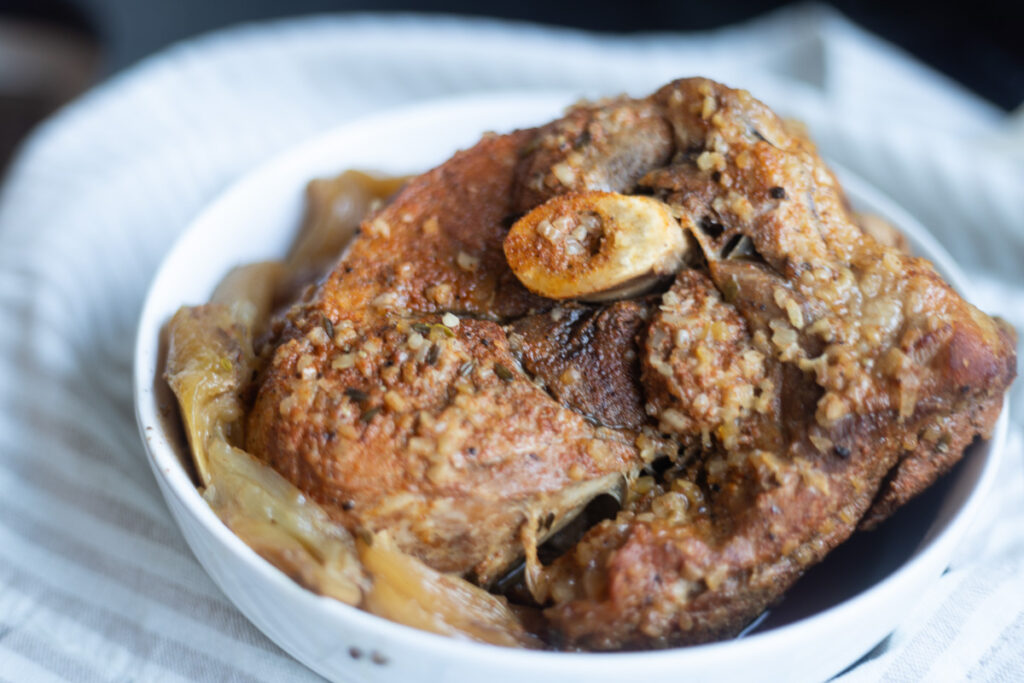
Credit: hopewellheightsblog.com
Factors Affecting Cooking Time
Cooking time for pork shoulder depends on the size and thickness of the meat. The slow cooker’s temperature setting also plays a key role. Bone-in cuts may take longer than boneless ones to become tender.
Cooking pork shoulder in a slow cooker is a fantastic way to achieve tender, flavorful meat, but the cooking time can vary significantly. Understanding the factors that influence this can help you plan your meal more effectively and achieve the best results. Let's dive into some key aspects that affect how long your pork shoulder will take to cook in a slow cooker.
Meat Thickness And Size
The size and thickness of your pork shoulder are crucial in determining cooking time. A larger or thicker piece of meat requires more time to cook through properly. If you're dealing with a hefty cut, expect to set your slow cooker for a longer duration, possibly up to 10 hours on low. For a smaller, more manageable piece, 6 to 8 hours might suffice. Consider using a kitchen scale to weigh your pork shoulder if you're unsure.
Slow Cooker Variations
Not all slow cookers are created equal. Some heat differently or have varying power levels, which can affect cooking time. If you've found that your slow cooker tends to run hot or cooks food faster than recipes suggest, adjust the time accordingly. It might be helpful to test your slow cooker's temperature with water to better understand its quirks.
Additional Ingredients
The ingredients you add can also impact cooking time. Vegetables, for instance, can absorb heat and extend the cooking process. If you're adding root vegetables like potatoes or carrots, consider chopping them into smaller pieces to ensure they cook evenly with the pork. Conversely, adding too much liquid can dilute flavors and affect the cooking duration. Always balance your ingredients to maintain the ideal cooking environment. Have you ever found yourself eagerly waiting for dinner, only to discover it needs more time in the cooker? By considering these factors, you can better plan and perhaps avoid the surprise of an undercooked meal.
Checking For Doneness
Knowing when your pork shoulder is perfectly cooked in the slow cooker can be tricky. You want to avoid undercooking, which can make it tough and unsafe, but also prevent overcooking, which dries it out. Checking for doneness involves more than just timing—it requires attention to temperature and texture.
Internal Temperature Targets
Use a reliable meat thermometer to check the internal temperature of your pork shoulder. The USDA recommends cooking pork to at least 145°F (63°C) for safe consumption, but for pork shoulder, you want to aim higher to break down the tough connective tissue.
- For shreddable pork:Cook until it reaches 195°F to 205°F (90°C to 96°C).
- For sliceable pork:Aim for around 180°F (82°C), though it won't be as tender as shreddable.
Checking the temperature regularly after the initial cooking time helps you avoid overcooking. Remember, slow cookers vary, so times can differ even with the same temperature setting.
Texture And Tenderness Tests
Temperature is a guide, but texture confirms doneness. Use a fork to test the meat’s tenderness—if it easily pulls apart without resistance, it’s done. If you find yourself struggling to shred the meat, it needs more time.
Sometimes, the slow cooker finishes cooking earlier or later than expected. Have you ever found your pork shoulder falling apart perfectly before the timer went off? That’s a sign to trust your senses over the clock.
Another tip: press the pork with your fingers or a utensil. It should feel soft and yielding, not firm or rubbery. This simple test can save you from disappointing, chewy meat.
Tips To Achieve Perfect Pork Shoulder
Cooking pork shoulder in a slow cooker needs careful attention. The right technique makes the meat tender and flavorful. Small tips can prevent common mistakes and improve your dish. Understanding how to avoid overcooking and the importance of resting time helps you serve perfect pork shoulder every time.
Avoiding Overcooking
Slow cookers cook meat slowly but can overcook if left too long. Check the pork shoulder after the minimum cooking time. Use a meat thermometer to check the internal temperature. The ideal temperature is 195°F to 205°F for tender pork.
Set the slow cooker to low heat for even cooking. Avoid opening the lid often to keep heat inside. Overcooked pork becomes dry and tough, so keep a close watch near the end of cooking.
Resting Time After Cooking
Resting pork shoulder is crucial after cooking. Let the meat sit for 15 to 20 minutes before slicing. This allows the juices to redistribute throughout the meat. Cutting too soon causes the juices to escape, making the meat dry.
Cover the pork with foil during resting to keep it warm. Resting also makes the meat easier to shred or slice. This simple step improves texture and flavor significantly.
Serving Suggestions
Serving pork shoulder cooked in a slow cooker offers many delicious possibilities. Its tender, juicy texture makes it versatile for different dishes. Choosing the right way to shred and pair it enhances the meal experience.
Shredding Techniques
Use two forks to pull the pork apart gently. The meat should fall apart easily after slow cooking. For a finer texture, chop with a knife after shredding. Avoid shredding while the meat is hot to prevent burning your hands. Let the pork cool slightly for easier handling.
Pairing With Side Dishes
Pork shoulder pairs well with simple, fresh sides. Try coleslaw for a crunchy contrast. Roasted vegetables add warmth and flavor. Serve with mashed potatoes for a comforting meal. Cornbread or soft rolls work great to soak up juices. Choose sides that balance the rich pork taste.

Credit: cookthestory.com
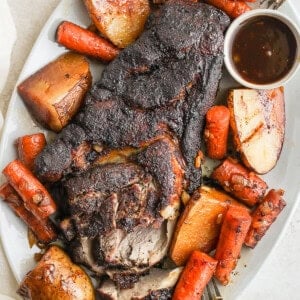
Credit: fitfoodiefinds.com
Frequently Asked Questions
How Long Does Pork Shoulder Take In A Slow Cooker?
Pork shoulder typically takes 6 to 8 hours on low heat in a slow cooker. Cooking on high reduces time to 4 to 5 hours. Always check for tender, easily shredded meat to ensure it’s fully cooked.
Can I Cook Pork Shoulder Too Long In A Slow Cooker?
Yes, overcooking pork shoulder in a slow cooker can make it dry and stringy. Stick to the recommended cooking times. Slow cooking low and slow is best for tender, juicy pork shoulder.
What Temperature Should Slow Cooker Be For Pork Shoulder?
Use the low setting, around 190°F (88°C), for pork shoulder. Low and slow cooking breaks down collagen, making the meat tender. Avoid high heat for long periods to prevent dryness.
Should Pork Shoulder Be Thawed Before Slow Cooking?
Yes, always thaw pork shoulder completely before slow cooking. Cooking from frozen increases cooking time and risks uneven cooking. Proper thawing ensures even heat distribution and safe food preparation.
Conclusion
Cooking pork shoulder in a slow cooker takes time and patience. Usually, it needs about 8 to 10 hours on low heat. This slow process makes the meat tender and full of flavor. Always check the meat’s temperature to be safe.
Let the pork rest before cutting to keep it juicy. Remember, slow cooking lets flavors develop well. Enjoy your tasty, soft pork shoulder with your favorite sides. Cooking it slowly is worth the wait.