Are you ready to make the perfect beef stew but unsure how long to cook it in your slow cooker? Getting the timing right is key to tender, flavorful meat and rich, comforting broth.
If you cook it too little, the beef stays tough; too long, and it can become mushy. You’ll discover the ideal cooking times that fit your schedule and ensure every bite is delicious. Keep reading to unlock the secrets to slow cooker success and enjoy a hearty meal that feels like it was made with care—because it was.
Choosing The Right Cut
Choosing the right cut of beef is key for a tender, flavorful stew. Slow cookers work best with certain cuts that become soft and juicy after hours of cooking. The cut you pick affects cooking time and the stew’s taste. Tougher cuts break down slowly, making the stew rich and hearty.
Best Cuts For Slow Cooking
- Chuck roast – Full of connective tissue, becomes tender.
- Brisket – Adds great flavor, softens well over time.
- Round roast – Leaner but still works for slow cooking.
- Short ribs – Rich and fatty, perfect for stew.
- Shank – Contains collagen, melts into the sauce.
Benefits Of Tougher Cuts
Tough cuts have more collagen. It turns into gelatin during cooking. This makes the stew thick and silky. The meat becomes very tender and easy to chew. These cuts cost less and offer deep beef flavor. Slow cooking breaks down the fibers perfectly. This results in a satisfying, rich stew every time.
Credit: thestayathomechef.com
Preparing Ingredients
Preparing your ingredients carefully sets the stage for a rich and flavorful beef stew. Taking the time to chop vegetables and brown the beef properly can make a noticeable difference in the final dish. These steps not only enhance the texture but also deepen the taste, making your slow cooker stew truly satisfying.
Chopping Vegetables
Cut your vegetables into even, bite-sized pieces. This helps them cook evenly over the long hours in the slow cooker. Think about using hearty veggies like carrots, potatoes, and celery, which hold up well during slow cooking.
Try to avoid cutting vegetables too small; they may turn mushy after hours of cooking. Instead, aim for pieces about 1 to 1.5 inches thick. This size keeps them tender but intact, adding great texture to your stew.
Browning The Beef
Before placing the beef in the slow cooker, sear it in a hot pan until it has a rich brown crust. This step adds a layer of flavor through the Maillard reaction, which slow cooking alone cannot achieve. It’s a simple trick that transforms your stew from ordinary to extraordinary.
Make sure not to overcrowd the pan—work in batches if needed. Browning locks in the juices and creates those tasty browned bits you’ll want to scrape into the slow cooker later. Have you noticed how a little extra effort here pays off with a deeper, more complex stew flavor?
Slow Cooker Settings
Choosing the right slow cooker setting is key to making tender, flavorful beef stew. The temperature you select affects cooking time, texture, and how the flavors develop. Understanding how to use these settings can help you get the stew just right every time.
Low Vs High Heat
Cooking beef stew on low heat usually takes about 7 to 8 hours. This slow, gentle cooking breaks down tough meat fibers, making your stew tender and juicy.
High heat cooks the stew faster, typically in 3 to 4 hours. However, the risk is that the meat might not become as tender or the flavors may not blend as well.
Think about your schedule. Do you have time to let it simmer all day, or do you need dinner on the table quickly? Choosing low heat is best for deep flavor, while high heat works when you’re short on time.
Using The Keep Warm Function
Once your beef stew is cooked, the keep warm function helps maintain the perfect temperature without overcooking it. This is especially useful if you’re not ready to eat immediately.
Keep warm settings generally hold the stew at around 165°F (74°C), which is safe and keeps the meat tender. But be cautious—leaving stew on keep warm for too long can dry it out or cause a change in texture.
Have you ever wondered how long you can safely keep your stew warm? Most slow cookers can hold food safely for up to 4 hours, but it’s best to serve within 2 hours for optimal taste and texture.
Cooking Time Guidelines
Understanding the right cooking time for beef stew in a slow cooker is essential to get tender meat and rich flavors. Too little time can leave your beef tough, while too long might turn it mushy. Let’s look at clear guidelines that help you nail the perfect stew every time.
Standard Cooking Times
Most slow cooker beef stew recipes recommend cooking times that fall within two main ranges: low and high settings. Cooking on low heat usually takes between 7 to 9 hours. This slow, steady heat allows collagen in the beef to break down nicely, making the meat tender and juicy.
If you're short on time, cooking on high heat takes about 3 to 5 hours. However, rushing it can sometimes sacrifice depth of flavor, so keep that in mind. Your choice depends on your schedule and texture preference.
Adjusting For Quantity And Size
The amount of stew you prepare and the size of the meat chunks can change the cooking time significantly. Larger pieces of beef take longer to cook through, while smaller chunks will soften faster. If you double your recipe or use a bigger slow cooker, expect to add extra cooking time.
For instance, a 4-pound batch with 1-inch cubes might need the full 9 hours on low, but a 2-pound batch with ½-inch cubes could be ready closer to 6 hours. Have you ever found your stew wasn’t as tender as you wanted? This is often why adjusting time based on size matters.
Remember, slow cookers vary by brand and model, so checking your stew an hour before the expected finish time can save you from overcooking. Does your slow cooker run hot or cool? Getting to know your appliance helps you make perfect adjustments.
Checking For Doneness
Beef stew is done when the meat is tender and easily falls apart. Check by poking a piece with a fork; it should feel soft. Vegetables should also be soft but not mushy.
Checking for doneness is vital in cooking beef stew in a slow cooker. It ensures the meat is tender and the flavors are rich. This step determines the success of your dish.
Tenderness Tips
To check tenderness, pierce the beef with a fork. It should easily slide through the meat. If it's tough, let it cook longer. Beef should be soft, almost falling apart. Keep an eye on vegetables too. They should be soft, not mushy. Carrots and potatoes should retain their shape. If they dissolve, the stew loses texture.
Flavor Development
Flavor is key in a good stew. Taste the broth after a few hours. It should be rich and well-seasoned. If it tastes bland, adjust the seasoning. Add salt, pepper, or herbs as needed. Let the stew cook longer for deeper flavors. This slow cooking time enhances the taste. Stir occasionally to blend the flavors well. Remember, doneness isn't just about time. It's about texture and taste. Use these tips for a perfect beef stew.
Common Mistakes To Avoid
Cooking beef stew in a slow cooker is simple but requires care. Avoiding common mistakes improves taste and texture. Knowing what to watch out for helps make your stew perfect every time.
Overcooking Risks
Cooking stew too long breaks down meat fibers too much. The beef becomes mushy and loses flavor. Vegetables also turn to mush and lose shape. Follow slow cooker times closely for tender but firm meat. Use low heat for longer, or high heat for shorter periods.
Under-seasoning Issues
Slow cooking can dull spices and herbs. Adding too little salt or seasoning leaves stew bland. Taste the stew before serving and adjust seasoning. Season in stages: start light, then add more near the end. This keeps flavors balanced and rich.
Enhancing Flavor
Enhancing the flavor of beef stew in a slow cooker turns a simple meal into a rich, comforting dish. The long, slow cooking process allows the flavors to blend deeply. Small steps during preparation can make a big difference in taste. Using the right herbs, spices, and layering techniques helps create a stew full of depth and warmth.
Adding Herbs And Spices
Herbs and spices bring life to beef stew. Choose fresh or dried herbs like thyme, rosemary, or bay leaves. Ground spices such as black pepper, paprika, or cumin add warmth and complexity.
- Add herbs early for a subtle, infused flavor.
- Add delicate herbs like parsley near the end for freshness.
<liuse avoid="" bitterness.
Balance is key. Too many spices can overpower the beef. Start with small amounts and adjust to taste.
Layering Ingredients
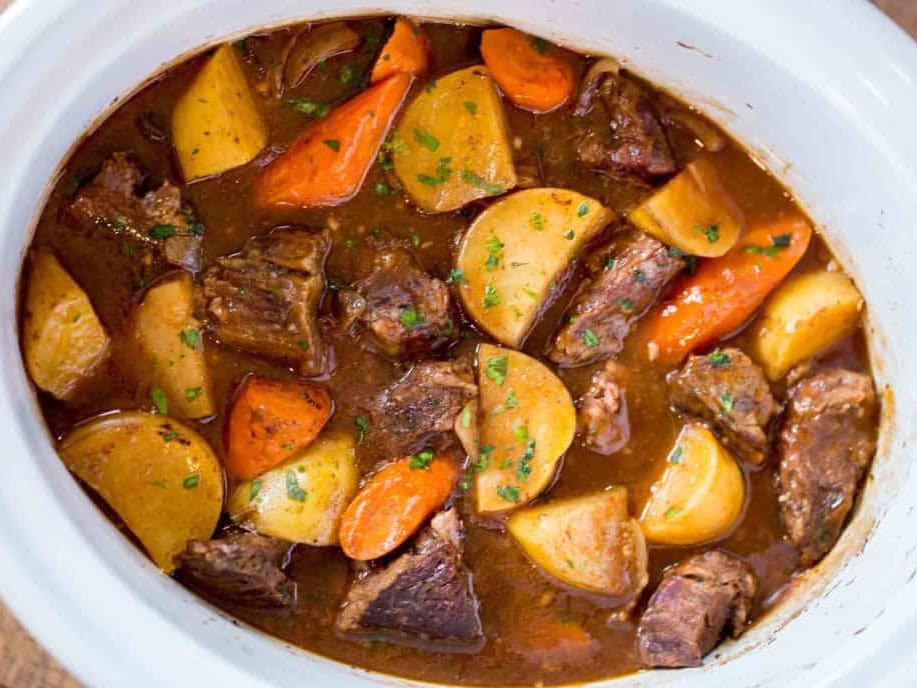
How ingredients are placed affects flavor and texture. Put root vegetables like carrots and potatoes at the bottom. They take longer to cook and absorb juices well.
- Place tougher cuts of beef on top to keep them tender.
- Add onions and garlic next for a strong aroma.
- Pour broth or sauce last to cover everything evenly.
This method helps flavors mix without turning mushy. It also ensures even cooking throughout the stew.
Credit: dinnerthendessert.com
Serving Suggestions
Serve beef stew hot with fresh bread or over creamy mashed potatoes. Let it rest a few minutes before eating for best flavor. Slow cooker stew tastes even better the next day.
Serving a delicious beef stew can elevate any meal. Its rich flavors pair beautifully with various sides. Choosing the right accompaniments enhances the overall dining experience. Here are some suggestions to make your beef stew meal memorable.
Side Dishes Pairing
Beef stew is hearty, so lighter sides balance it well. Consider these options:
- Crusty bread: Perfect for soaking up the rich stew juices.
- Mashed potatoes: Creamy texture contrasts with the stew's chunks.
- Steamed vegetables: Adds color and freshness to the plate.
- Rice: A neutral base that complements the stew's savory flavors.
These sides ensure a satisfying and complete meal.
Storage And Reheating
Beef stew tastes better the next day. Store leftovers properly for best results.
- Refrigeration: Place stew in an airtight container. Use within three days.
- Freezing: Freeze in portions. Keeps well for up to three months.
For reheating, use a stovetop or microwave. Heat gently to preserve flavor. Stir occasionally to ensure even heating. Enjoy your stew as good as fresh.

Credit: food52.com
Frequently Asked Questions
How Long Does Beef Stew Take In A Slow Cooker?
Beef stew typically takes 7 to 8 hours on low heat in a slow cooker. Cooking on high heat reduces the time to 3 to 4 hours. Slow cooking ensures tender meat and rich flavors.
Can I Cook Beef Stew Overnight In A Slow Cooker?
Yes, cooking beef stew overnight on low heat is safe and ideal. It allows flavors to develop and meat to become tender. Use a slow cooker with an automatic shutoff for safety.
What Temperature Is Best For Slow Cooking Beef Stew?
Low temperature, around 190°F (88°C), is best for beef stew. It ensures even cooking and tender meat. High heat can overcook or dry out the stew. Always follow your slow cooker’s settings.
How Do I Know When Beef Stew Is Done In Slow Cooker?
Beef stew is done when meat is tender and easily shredded with a fork. The broth should be flavorful and slightly thickened. Typically, this takes 7-8 hours on low or 3-4 hours on high.
Conclusion
Cooking beef stew in a slow cooker takes time but is simple. Set the cooker on low for 7 to 8 hours or high for 3 to 4 hours. This slow process makes the meat tender and flavors blend well.
Avoid rushing to keep the stew tasty and soft. Try checking the meat near the end to see if it’s done. Enjoy a warm, hearty meal that feels like home. Slow cooking brings out the best in every ingredient.