Are you wondering how long you need to cook beans in your slow cooker to get them just right? Cooking beans can be tricky—too short, and they stay hard; too long, and they turn mushy.
But don’t worry, you’re about to discover the perfect timing that will save you time and frustration. Keep reading, and you’ll learn exactly how to get tender, flavorful beans every single time without guesswork. Your slow cooker is about to become your new best friend in the kitchen!

Credit: cooking.nytimes.com
Types Of Beans For Slow Cooking
Choosing the right type of bean is key to getting the best results in your slow cooker. Different beans vary in texture, flavor, and cooking time, which can affect your dish’s final taste and consistency. Knowing which beans work well in slow cooking helps you plan better and avoid any kitchen mishaps.
Common Beans For Slow Cookers
Some beans are especially popular for slow cooking because they hold up well and develop rich flavors. Here are a few you might want to try:
- Black beans:Great for soups, salads, and chili. They become tender but keep their shape nicely.
- Pinto beans:Perfect for refried beans or hearty stews. They soften smoothly and absorb spices well.
- Kidney beans:Often used in chili or bean salads. They hold their texture but require careful cooking to avoid being too firm or mushy.
- Navy beans:Ideal for baked beans or creamy soups. They break down slightly, creating a creamy texture.
- Chickpeas (Garbanzo beans):Great for curries and Mediterranean dishes. They take longer to cook but offer a nutty flavor.
Ever wondered why your beans sometimes turn out too hard or mushy? Picking the right bean is a major factor.
Differences In Cooking Times
Each type of bean needs a different amount of time to cook fully in a slow cooker. This depends on size, skin thickness, and moisture content. Here’s a quick guide to typical cooking times at low heat:
| Bean Type | Average Cooking Time (Low Setting) |
|---|---|
| Black beans | 6 to 8 hours |
| Pinto beans | 6 to 8 hours |
| Kidney beans | 7 to 9 hours |
| Navy beans | 6 to 8 hours |
| Chickpeas | 8 to 10 hours |
Have you noticed how some beans soften faster than others? This table can help you plan your meal timing better.
Remember, soaking beans before cooking can reduce the time significantly. But if you’re short on time, some beans like lentils cook well without soaking and in less time overall.

Credit: myincrediblerecipes.com
Preparing Beans Before Cooking
Soaking beans overnight softens them and cuts down cooking time in a slow cooker. Rinse beans well before cooking to remove dirt or debris. Cooking usually takes 6 to 8 hours on low heat for tender, tasty beans.
Preparing beans before cooking is crucial for a delightful meal. It ensures even cooking and enhances flavor. This process involves a few simple steps that make a big difference. Here's how you can prepare beans before cooking them in a slow cooker.
Soaking Methods
Soaking beans softens them and reduces cooking time. You have two main methods to choose from:
- Overnight Soaking:Place beans in a large bowl. Cover with water. Let them soak overnight. This method is easy and effective.
- Quick Soaking:Boil beans in water for 2 minutes. Remove from heat. Let them sit for an hour. This speeds up the process.
Rinsing And Sorting
Rinsing beans removes any dirt or debris. It's a simple step but very important. Place beans in a colander. Rinse under cold water. Make sure they are clean. Sorting is another key step. Look for small stones or damaged beans. Remove them to ensure a better dish. Sorting helps in avoiding unpleasant surprises in your meal.
Slow Cooker Settings And Timing
Getting your slow cooker settings and timing right is crucial for perfectly cooked beans. Too little time or the wrong heat setting can leave you with beans that are hard or mushy. Let’s break down how different settings affect your beans and what timing works best for each.
Low Vs High Heat
Slow cookers usually have two main heat settings: low and high. Low heat cooks beans gently over a longer period, allowing flavors to develop and beans to soften evenly. High heat speeds up the process but can sometimes cause beans to split or lose their shape.
Think about the last time you rushed cooking beans on high and ended up with a pot of unevenly cooked beans. I learned the hard way that patience pays off with the low setting. It’s perfect if you want to set it and forget it without worrying about stirring or checking.
Typical Cooking Durations
| Heat Setting | Cooking Time | Result |
|---|---|---|
| Low | 6 to 8 hours | Tender, evenly cooked beans |
| High | 3 to 4 hours | Faster but risk of beans breaking apart |
Are you planning your day around the slow cooker? If you’re out for work or running errands, low heat for 6 to 8 hours fits perfectly. But if you need beans ready for dinner in a hurry, high heat can cut the time in half.
Remember to soak your beans beforehand unless you want to extend the cooking time even more. Soaking helps beans cook faster and reduces chances of them being tough or undercooked.
Tips To Ensure Perfectly Cooked Beans
Cooking beans in a slow cooker can be simple, but some tips help achieve perfect results. Proper timing and technique prevent beans from being too soft or undercooked. Paying attention to details makes every batch delicious and easy to digest.
Avoiding Mushy Beans
Use firm beans and do not overcook them. Overcooking breaks down the beans, causing mushiness. Add salt only after beans are nearly done to keep skins intact. Avoid lifting the lid too often; it lets heat escape and extends cooking time. Slow and steady heat cooks beans evenly without turning them mushy.
Testing For Doneness
Check beans about 30 minutes before the end of cooking time. Take a few beans out and taste them. They should be soft but still hold their shape. If beans feel hard or chalky, cook longer. Beans that easily mash between fingers are ready to eat. Keep testing every 10 to 15 minutes until perfect texture is reached.
Adding Ingredients During Cooking
Adding ingredients during slow cooking changes the beans’ texture and flavor. Timing is key. Some ingredients soften too fast or slow down cooking. Others can turn beans hard or affect their taste. Understanding when to add certain items helps make perfect beans every time.
When To Add Salt And Acidic Ingredients
Salt can make beans tougher if added too early. Add salt near the end of cooking for soft beans. Acidic ingredients like tomatoes, vinegar, or lemon juice slow bean softening. Add these only after beans are tender. This keeps beans from staying hard and chewy.
Incorporating Flavor Enhancers
Herbs, spices, and aromatics release flavors differently. Whole spices and tough herbs can go in at the start. Delicate herbs like parsley or cilantro taste best near the end. Onions and garlic add deep flavor when added early. For fresh garlic, add later for a milder taste.
Troubleshooting Common Issues
Cooking beans in a slow cooker can sometimes lead to unexpected results. You might open the lid only to find them too hard or too soft. Understanding common issues can save your meal and improve your confidence in slow cooking beans.
Undercooked Beans
If your beans are still hard after the cooking time, it often means they need more time or a higher temperature. Slow cookers vary, so your beans might need an extra hour or two on high. Also, older beans tend to take longer to soften, so check the age of your beans before cooking.
Another common reason for undercooked beans is adding acidic ingredients like tomatoes or vinegar too early. Acid can prevent beans from softening, so add these only after the beans have cooked for a while. Have you ever added tomato sauce at the start and wondered why beans stayed tough?
Overcooked Or Mushy Beans
Beans that turn mushy lose their shape and texture, making your dish less enjoyable. This happens when beans cook too long or on too high a setting. If you find your beans falling apart, try reducing the cooking time or using the low setting instead of high.
Keep in mind that some beans naturally cook faster than others. For example, lentils need less time than kidney beans. Do you pay attention to the type of bean when adjusting cooking times? Adjusting for bean variety can prevent mushiness.
Slow Cooker Bean Recipes To Try
Beans cook beautifully in a slow cooker, soaking up flavors slowly. They become tender and rich, perfect for many dishes. Here are some slow cooker bean recipes to try. Each one offers a unique taste and simple preparation.
Hearty Bean Stew
This stew is warm and filling. Use a mix of beans like kidney, black, and pinto. Add chopped vegetables such as carrots, celery, and potatoes. Pour in vegetable or chicken broth for a tasty base. Season with salt, pepper, and a bay leaf. Cook on low for 6 to 8 hours. The beans will be soft and the flavors deep.
Spiced Bean Chili
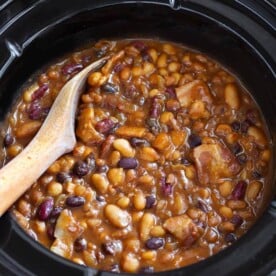
Perfect for a cozy meal. Combine beans like black beans, kidney beans, and chickpeas. Add diced tomatoes, onions, and bell peppers. Stir in chili powder, cumin, and smoked paprika for bold flavors. Let the slow cooker do its magic for 7 to 9 hours on low. The chili thickens and tastes richer with time.
Credit: www.simplyhappyfoodie.com
Frequently Asked Questions
How Long Does It Take To Cook Dry Beans In A Slow Cooker?
Cooking dry beans in a slow cooker typically takes 6 to 8 hours on low heat. Soaking beans overnight can reduce cooking time. Always check beans for tenderness before serving.
Can I Cook Canned Beans In A Slow Cooker?
Yes, canned beans can be cooked in a slow cooker. Since they are pre-cooked, heat them for 1 to 2 hours on low. This helps flavors blend without overcooking.
Do Slow-cooked Beans Need Soaking Beforehand?
Soaking beans before slow cooking is recommended but not mandatory. Soaking reduces cooking time and improves digestibility. Unsoaked beans may take longer and cook unevenly.
What Temperature Should Slow Cooker Be For Beans?
Use the low setting on your slow cooker for best bean results. Low heat cooks beans evenly and prevents them from breaking apart. High heat risks overcooking and mushiness.
Conclusion
Cooking beans in a slow cooker takes patience and time. Usually, beans need about 6 to 8 hours on low heat. Soaking beans before cooking can help reduce the time. Keep the lid closed to keep the heat inside. Check beans toward the end to avoid overcooking.
Soft, tender beans mean they are ready to eat. Slow cooking brings out great flavor and texture. Enjoy your beans in soups, stews, or salads. Simple steps make slow cooker beans easy and tasty.