
Are you wondering how long it really takes to cook potatoes on the stove? Whether you’re preparing a quick weeknight dinner or mastering your favorite potato recipe, timing is everything.
Cook them too little, and they stay hard; too long, and they turn mushy. You’ll discover the exact cooking times for different types of potatoes and the best tips to get them just right every time. Keep reading to unlock the secrets to perfectly cooked potatoes that will impress your family and friends.
Credit: www.thekitchn.com
Choosing The Right Potato
Choosing the right potato is key to cooking them perfectly on the stove. Different types of potatoes behave uniquely when heated, affecting texture, cooking time, and flavor. Knowing which potato suits your recipe can save you time and improve your dish dramatically.
Types Of Potatoes
Potatoes come in several varieties, each with distinct characteristics. You’ll find them generally categorized as starchy, waxy, or all-purpose.
- Starchy Potatoes(like Russets) are dry and fluffy when cooked. They absorb water well but can fall apart if boiled too long.
- Waxy Potatoes(such as Red Bliss or Fingerlings) hold their shape better and have a firm texture. They are great for boiling and salads.
- All-Purpose Potatoes(like Yukon Gold) offer a balance between waxy and starchy. They cook evenly and have a creamy texture.
Have you ever noticed how mashed potatoes made from Russets turn out fluffy, while those from Yukon Golds feel creamier? That’s the difference potato type makes.
Best Potatoes For Stovetop Cooking
Choosing the right potato depends on how you plan to cook them on the stove. Boiling, frying, or sautéing all call for different types.
| Cooking Method | Best Potato Type | Why It Works |
|---|---|---|
| Boiling | Waxy (Red Bliss, Fingerling) | Hold shape well, don’t become mushy |
| Frying | Starchy (Russet) | High starch content makes them crispy |
| Sautéing | All-Purpose (Yukon Gold) | Even cooking and creamy texture |
If you want crispy stovetop fries, picking Russets is a smart move. On the other hand, creamy sautéed potatoes require Yukon Golds. Think about how you want your potatoes to feel and taste before starting your cooking.
Preparing Potatoes For Cooking
Preparing potatoes properly affects cooking time and final taste. Clean potatoes cook evenly and taste better. Proper preparation helps avoid uneven cooking and unwanted textures. Follow simple steps for the best results.
Washing And Peeling
Start by washing potatoes under cold running water. Use a brush to remove dirt and debris. Clean potatoes prevent grit in your dish. Peel potatoes with a vegetable peeler if you want a smooth texture. Leave the skin on for added fiber and nutrients.
Cutting Techniques
Cut potatoes into even pieces to ensure uniform cooking. Large chunks take longer to cook than small ones. Choose the right size based on your recipe. For boiling, cubes or slices work well. For mashing, smaller pieces cook faster.
Soaking And Rinsing
Soak cut potatoes in cold water for 15-30 minutes. This removes excess starch and prevents sticking. Rinse the potatoes after soaking to wash away loosened starch. Dry them well before cooking to avoid splattering if frying.
Cooking Methods On Stove
Cooking potatoes on the stove offers different options depending on texture and flavor preferences. Each method changes how the potato cooks and tastes. Knowing the cooking time helps avoid undercooked or mushy potatoes. Here are some common stove-top methods to cook potatoes.
Boiling Potatoes
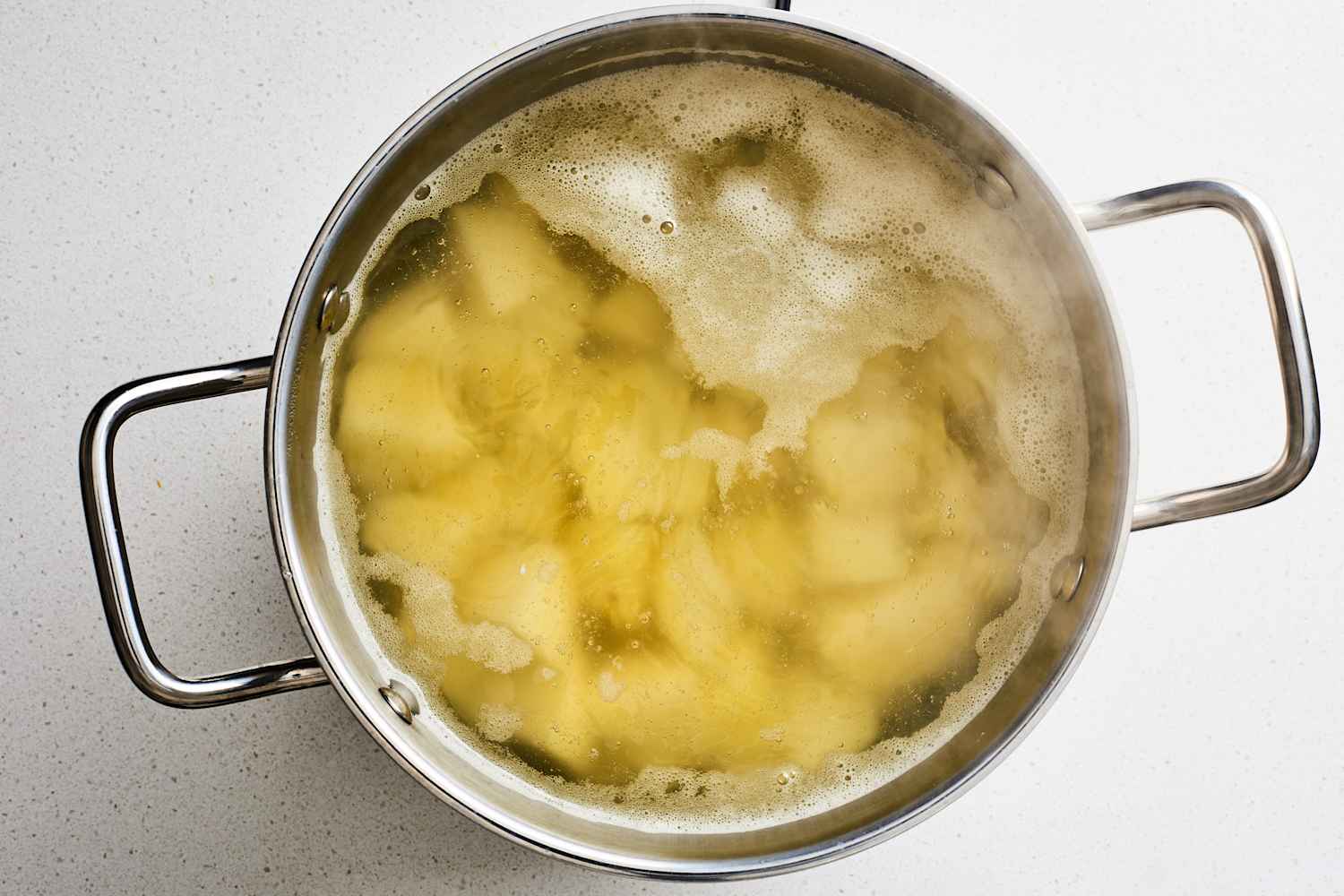
Boiling is a simple way to cook potatoes evenly. Cut potatoes into similar sizes for uniform cooking. Place them in a pot and cover with cold water. Add a pinch of salt to enhance flavor. Bring water to a boil, then reduce heat to simmer. Boil for 10 to 20 minutes depending on size. Test doneness by poking with a fork. If it slides in easily, potatoes are ready.
Steaming Potatoes
Steaming keeps potatoes moist and preserves nutrients. Use a steamer basket over boiling water. Cut potatoes into chunks or leave whole if small. Steam for 15 to 25 minutes until tender. Steaming takes a bit longer than boiling but yields fluffier texture. Check doneness by piercing with a fork.
Pan-frying Potatoes
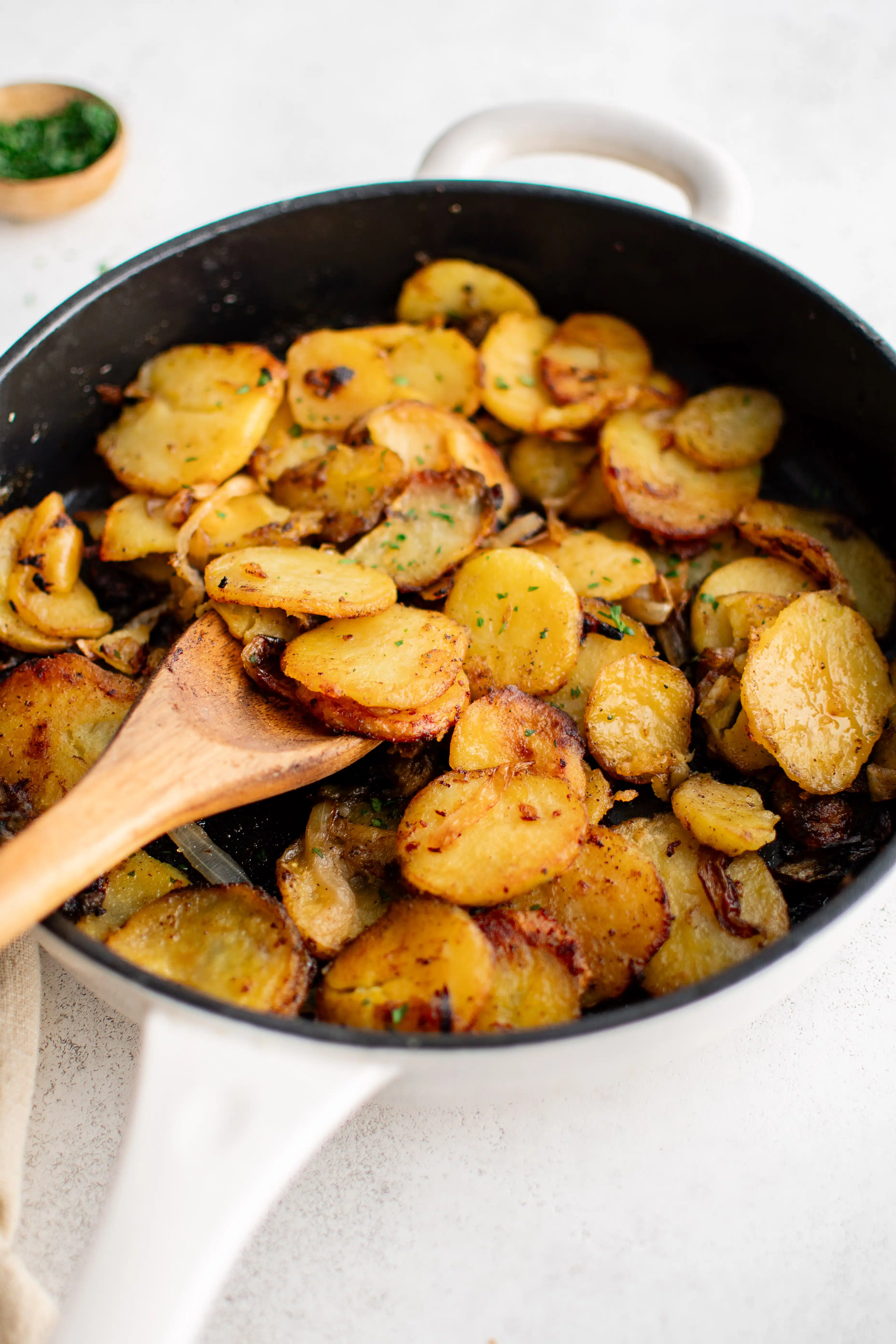
Pan-frying creates crispy, golden potatoes with a soft inside. Cut potatoes into small cubes or slices. Heat oil in a pan over medium heat. Add potatoes and spread in a single layer. Cook for 15 to 20 minutes, stirring occasionally. Cook until edges turn brown and potatoes are tender. Season with salt and spices before serving.
Cooking Times For Different Cuts
Cooking times for potatoes vary based on their cut size and shape. Smaller pieces cook faster, while larger ones take longer. Knowing the right time helps you get soft, tasty potatoes every time. Here’s a quick guide for different potato cuts on the stove.
Whole Potatoes
Whole potatoes take the longest to cook. Medium-sized potatoes usually need about 30 to 40 minutes to boil. Larger potatoes might take up to 50 minutes. Test doneness by poking with a fork; it should slide in easily.
Cubed Potatoes
Cubed potatoes cook faster because of their smaller size. Cubes about 1-inch wide typically take 10 to 15 minutes to boil. Stir occasionally to cook evenly. Check softness by piercing one cube with a fork.
Sliced Potatoes
Sliced potatoes cook even quicker than cubes. Thin slices usually take 5 to 8 minutes on the stove. Keep an eye on them to avoid overcooking. They should be tender but not falling apart.
Tips For Faster Cooking
Cooking potatoes on the stove can take some time. Small changes in your cooking method can speed things up. These tips help you cook potatoes faster without losing flavor or texture. Use simple tricks to save time and energy in the kitchen.
Using Lid To Retain Heat
Cover the pot with a lid while cooking. The lid traps steam and heat inside the pot. This raises the temperature and cooks potatoes faster. It also uses less energy by keeping the heat contained. Avoid lifting the lid often. Each time you lift it, heat escapes and cooking slows down.
Starting With Hot Water
Begin cooking with hot water instead of cold. This reduces the time it takes for water to boil. You can heat water in a kettle or microwave first. Pour hot water over the potatoes in the pot. The cooking process starts sooner and finishes quicker. Be careful when handling hot water to avoid burns.
Salt And Seasoning Effects
Add salt to the water before boiling potatoes. Salt raises the boiling point of water slightly. This helps potatoes cook a bit faster and taste better. Seasoning the water also adds flavor inside the potatoes. Avoid adding too much salt to keep the dish healthy. A pinch or two is enough for faster cooking and better taste.
Credit: theforkedspoon.com
Checking Potato Doneness
Checking potato doneness is key to getting perfectly cooked potatoes every time. Overcooking can make them mushy, while undercooking leaves them hard and unpleasant. Knowing how to test doneness ensures you serve potatoes with the right texture and flavor.
Piercing Test
The simplest way to check if your potatoes are done is the piercing test. Grab a fork or a skewer and gently poke the potato. If it slides in easily without resistance, your potato is cooked through.
Be careful not to force the fork. If you feel firmness or resistance, the potato needs more time. This test works well for both whole and chopped potatoes.
Texture And Appearance
Look closely at your potatoes while they cook. Cooked potatoes will have a slightly translucent edge, especially if sliced.
The surface should be tender but not falling apart unless you’re making mashed potatoes. Avoid potatoes that look dry or cracked; they might be overcooked or boiling at too high heat.
Taste Test
Sometimes, the best judge is your taste buds. Take a small bite to check the texture and flavor. The potato should feel soft and creamy inside without any raw, starchy taste.
Does the potato taste earthy or bitter? That might mean it’s undercooked or the variety needs longer boiling. Trust your palate to fine-tune cooking times.
Common Mistakes To Avoid
Cooking potatoes on the stove can be tricky. Avoid cutting uneven pieces; they cook at different rates. Use a consistent simmer to prevent burning. Skipping the lid can prolong cooking time. Keep these tips in mind for perfect potatoes.
Cooking potatoes on the stove seems straightforward, yet it's surprisingly easy to make mistakes that can ruin the texture and flavor of this staple dish. Whether you're preparing mashed potatoes, potato salad, or a hearty stew, avoiding common pitfalls is key to achieving the perfect result. Let’s explore some frequent errors and how you can steer clear of them in your kitchen endeavors.
Overcooking
Overcooking potatoes can lead to a mushy, unappetizing texture, stripping them of their natural flavors. You might think they need extra time to become tender, but this often leads to disappointment. Keep an eye on them by testing with a fork; once it slides in easily, they’re done.
Undercooking
Nothing is worse than biting into a dish and finding hard, undercooked potato pieces. It can ruin the dining experience and make your meal less enjoyable. To avoid this, ensure that you cut the potatoes into uniform pieces and test them periodically for doneness.
Uneven Cutting
Unevenly cut potatoes lead to uneven cooking, where some pieces might be overdone while others remain raw. Take a moment to cut the potatoes into similar-sized chunks before placing them in the pot. This small step makes a big difference in achieving a consistently cooked dish. By focusing on these aspects, your potato dishes will be a hit every time. Remember, cooking is about attention to detail, and a little mindfulness goes a long way. What other kitchen tips have saved your meals in the past?

Credit: food52.com
Serving Suggestions
Once your potatoes are perfectly cooked on the stove, the next step is deciding how to serve them. Potatoes are incredibly versatile and can be transformed into a variety of dishes that suit any meal or occasion. Here are some simple yet delicious serving ideas to inspire your next potato dish.
Mashed Potatoes
Mashed potatoes are a classic comfort food that you can easily make with your boiled potatoes. Simply mash the potatoes with butter, milk, salt, and pepper until smooth and creamy. Want to add a twist? Try mixing in roasted garlic or fresh herbs like chives for extra flavor.
Do you prefer your mashed potatoes chunky or silky smooth? Adjust the mashing technique to suit your texture preference. Remember, the key is not to overwork the potatoes to avoid a gluey result.
Roasted-style Potatoes
If you’re craving something crispy, stove-cooked potatoes can quickly turn into a roasted-style side dish. After boiling, drain and dry the potatoes well, then fry them in a hot pan with olive oil until golden and crisp. Season with rosemary, paprika, or your favorite spices for a tasty finish.
Have you tried tossing your potatoes with a little parmesan cheese before frying? It adds a nice crunchy layer that’s hard to resist. This method works great for both small new potatoes and larger chunks.
Potato Salads
Potato salad is perfect for using stove-cooked potatoes, especially when you want a cold dish ready to go. Boil the potatoes until tender but firm, then let them cool before mixing with ingredients like mayonnaise, mustard, celery, and onions. Adding chopped boiled eggs or pickles can boost the flavor and texture.
What’s your favorite potato salad twist? You can keep it simple or add bold ingredients like curry powder or fresh dill to make it unique. The best potato salad balances creamy, tangy, and crunchy elements, so feel free to experiment.
Frequently Asked Questions
How Long Do Potatoes Take To Boil On The Stove?
Potatoes typically take 15 to 25 minutes to boil on the stove. The time varies by potato size and type. Smaller pieces cook faster, while whole large potatoes need more time to become tender.
What Affects Potato Cooking Time On The Stove?
Potato size, cut type, and stove heat affect cooking time. Larger or whole potatoes take longer. Higher heat cooks faster but requires careful monitoring to avoid overcooking.
How To Check If Potatoes Are Fully Cooked?
Pierce potatoes with a fork or knife to check doneness. If it slides in easily without resistance, the potatoes are fully cooked and ready to serve.
Can Cooking Potatoes On The Stove Be Faster?
Cutting potatoes into smaller pieces speeds up cooking time significantly. Also, using a lid while boiling traps heat, making them cook faster and more evenly.
Conclusion
Cooking potatoes on the stove takes about 15 to 30 minutes. The time depends on the size and type of potato. Cut potatoes cook faster than whole ones. Boiling water helps them cook evenly and quickly. Test potatoes with a fork to check softness.
Soft potatoes mean they are ready to eat. Use this simple timing to plan your meals well. Enjoy your perfectly cooked potatoes every time.


