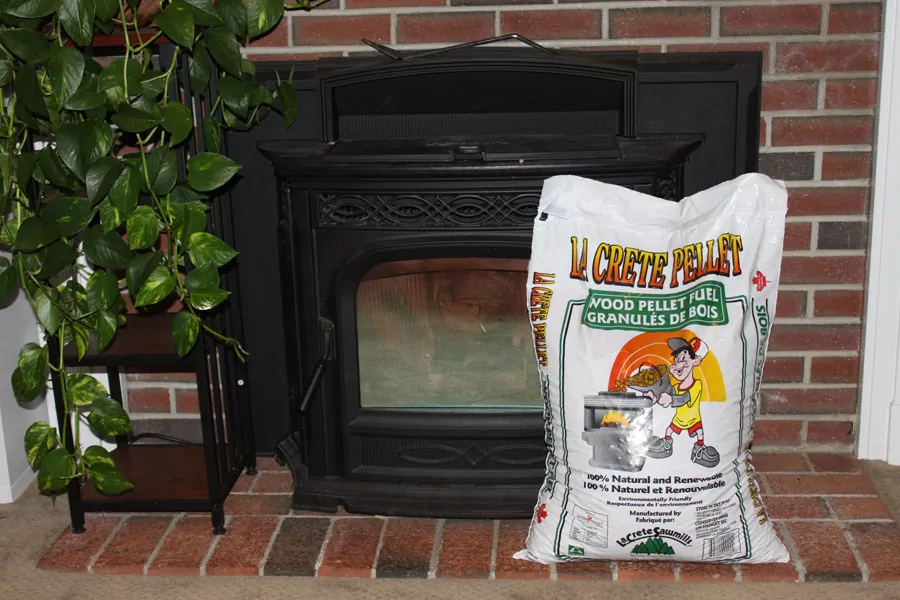
If you use a pellet stove to keep your home warm, you probably wonder how long those pellets will last. Knowing this can help you plan better and avoid running out of fuel when you need heat the most.
You’ll discover the factors that affect pellet burn time and get simple tips to make your pellets last longer. Keep reading to make the most of your pellet stove and stay cozy all season long.

Credit: pelletkings.ie
Factors Affecting Pellet Fuel Lifespan
The lifespan of pellet fuel in a stove depends on several key factors. These factors influence how long the pellets burn and how efficiently they produce heat. Understanding these elements helps users get the most out of their pellet stove and fuel.
Pellet Moisture Levels
Pellets with low moisture burn cleaner and last longer. High moisture pellets produce less heat and more ash. Properly dried pellets improve stove performance and fuel lifespan. Store pellets in a dry place to keep moisture low.
Pellet Size And Type
Different pellet sizes affect burn time and heat output. Smaller pellets tend to burn faster, while larger ones last longer. Pellet type also matters—wood pellets, corn pellets, and other biomass fuels have varied burning properties. Choose pellets suited for your stove for optimal results.
Stove Efficiency And Maintenance
A well-maintained stove burns pellets more efficiently. Regular cleaning prevents ash buildup that can reduce heat output. Efficient stoves use less fuel to produce the same heat. Check and clean the stove regularly to extend pellet fuel lifespan.
Average Pellet Lifespan In Different Operating Conditions
The lifespan of pellets in a pellet stove varies based on how the stove operates. Different settings and use patterns affect how long pellets last. Understanding these factors helps in managing fuel use efficiently. This section explains pellet duration across common operating conditions.
Low-intensity Burns
Low-intensity burns use less fuel over time. Pellets last longer because the stove burns them slowly. This setting suits mild weather or small spaces. Expect pellets to last several hours longer than at high intensity. It saves money and reduces pellet consumption.
High-intensity Burns
High-intensity burns consume pellets quickly. The stove runs hotter and uses more pellets per hour. This mode is ideal for very cold days or quick heating. Pellets may last half as long compared to low-intensity settings. Prepare for more frequent pellet refills.
Continuous Operation
Continuous operation means the stove runs without stopping. Pellets burn steadily and last based on the burn rate. This method keeps the room warm consistently. Pellet lifespan depends on intensity but is predictable over time. It is best for maintaining stable heat.
Intermittent Operation
Intermittent operation involves turning the stove on and off. Pellets last longer as the stove is not always burning. This mode suits moderate climates or when heating is needed only at times. Pellet use varies but generally extends overall fuel life. It offers flexibility and control over heating.
Impact Of Climate And Weather On Pellet Fuel
The climate and weather around you play a big role in how long your pellets last in a pellet stove. Changes in moisture, temperature, and air movement can affect how pellets burn and how efficiently your stove works. Understanding these factors helps you manage your fuel better and avoid unexpected waste.
Humidity And Moisture
Pellets absorb moisture from the air, which can make them swell and lose their ability to burn efficiently. If you live in a humid area or during rainy seasons, your pellets may not last as long because damp pellets burn slower and produce less heat.
Storing pellets in a dry place is key. Think about using airtight containers or a pellet storage bin with a moisture barrier to keep your fuel dry and effective.
Temperature Fluctuations
Sudden changes in temperature can cause condensation inside your pellet stove or storage area. This moisture buildup affects pellet quality and can lead to clumping or uneven burning.
Try to keep your pellets in a space with stable temperatures. If your storage is in an unheated garage or shed, consider insulating it to reduce temperature swings.
Wind And Air Circulation
Strong winds and poor air circulation can impact how your stove draws air and burns pellets. Too much airflow can cause pellets to burn faster, using up your fuel quicker than expected.
Check your stove’s air intake and venting systems regularly. Proper airflow control helps maintain a steady burn and extends pellet life, saving you money and trips to restock.
Pellet Stove Maintenance And Upkeep
Maintaining your pellet stove ensures it runs efficiently and lasts longer. Proper upkeep not only saves on energy but also reduces repair costs. Regular maintenance improves safety by preventing potential hazards. Here’s a guide to essential pellet stove maintenance tasks.
Cleaning The Burn Pot And Chimney
The burn pot is where pellets combust. Regular cleaning prevents buildup and improves performance. A clean burn pot ensures efficient fuel use, saving money in the long run. Clean the chimney to prevent blockages. This reduces smoke and improves air quality.
Inspecting And Replacing Wearable Parts
Inspect parts like gaskets and augers for wear. Replace them if necessary to avoid breakdowns. Check the door seal for tightness. A proper seal prevents heat loss and improves efficiency. Regular inspections extend the stove's lifespan.
Regular Filter Cleaning
Filters trap dust and debris. Clean them regularly to maintain airflow. This reduces strain on the stove and lowers energy consumption. Clean filters also improve indoor air quality. Keeping them clean ensures optimal stove performance.
Upgrading To Higher-quality Pellets
Upgrading to higher-quality pellets can make a big difference in how long your pellets last and how well your pellet stove performs. Better pellets burn more efficiently and produce more heat. They also create less ash and residue, which means your stove needs less cleaning. This upgrade improves your stove's lifespan and reduces fuel costs over time.
Benefits Of Premium Pellets
- Burn cleaner with less ash buildup
- Produce more consistent and higher heat output
- Reduce stove maintenance and cleaning frequency
- Contain fewer additives and fillers
- Help extend the life of your pellet stove
Choosing The Right Pellet Type
Look for pellets made from 100% hardwood or softwood. Avoid pellets with fillers like bark or sawdust. Check for certifications such as the Pellet Fuels Institute (PFI) label. These pellets meet quality standards for size, moisture, and energy content. Quality pellets ensure better stove performance and longer burn times.
Optimizing Pellet Storage
Store pellets in a dry, cool place to keep them from absorbing moisture. Moist pellets burn poorly and produce more ash. Use sealed containers or heavy-duty bags. Keep pellets off the ground and away from direct sunlight. Proper storage preserves pellet quality and helps them last longer in your stove.

Credit: www.angi.com
Troubleshooting Common Issues With Pellet Lifespan
Pellet stoves rely on a steady supply of quality pellets to burn efficiently. Problems with pellet lifespan often indicate deeper issues in stove operation or pellet quality. Troubleshooting these common problems helps maintain consistent heating and extends pellet use.
Careful observation of stove performance reveals clues. Addressing these early can prevent fuel waste and costly repairs. Here are typical signs of pellet lifespan problems and what to check.
Inconsistent Burn Times
Uneven burn times often mean pellet feed issues or poor pellet quality. Pellets may be damp or too soft, causing irregular feeding. Check the hopper for moisture or clumped pellets. Clean the auger to ensure smooth pellet movement. Regular maintenance of feed mechanisms stabilizes burn duration.
Reduced Heat Output
Lower heat output signals incomplete combustion or blocked airflow. Ash buildup inside the burn pot restricts oxygen flow. Remove ashes and clean the burn pot frequently. Use dry, high-quality pellets to improve combustion. Ensure the stove’s vents and air intakes are clear of obstructions.
Excessive Smoke Emissions
Heavy smoke points to poor pellet quality or stove malfunction. Wet pellets produce more smoke and less heat. Inspect pellets for moisture and storage conditions. A dirty or faulty burn pot can also cause smoke. Clean all stove parts regularly and check seals for leaks to reduce smoke output.

Credit: www.angi.com
Frequently Asked Questions
How Long Do Pellets Last In A Pellet Stove?
Pellets typically last 24 to 48 hours in a pellet stove, depending on the stove's heat setting and pellet quality. Higher heat uses pellets faster, while lower settings extend burn time, optimizing fuel efficiency for consistent warmth.
How Many Pellets Burn Per Hour In A Pellet Stove?
A pellet stove burns approximately 1. 5 to 3. 5 pounds of pellets per hour. The exact amount depends on the stove's size, heat output, and user settings, impacting fuel consumption and heating duration.
Can Pellet Quality Affect Burn Duration?
Yes, pellet quality greatly impacts burn duration. High-quality pellets with low moisture and uniform size burn longer and cleaner. Poor quality pellets may burn faster and produce more ash, reducing stove efficiency and lifespan.
How To Maximize Pellet Stove Burn Time?
To maximize burn time, use premium pellets, maintain the stove regularly, and adjust settings to lower heat when possible. Proper airflow and cleaning also enhance efficiency and pellet longevity.
Conclusion
Pellets in a pellet stove last depending on stove size and pellet quality. A small stove uses fewer pellets than a large one. Good quality pellets burn longer and cleaner. You can expect pellets to last several hours to a whole day.
Regular maintenance keeps your stove running well and saves pellets. Knowing how long pellets last helps you plan fuel supply. Stay warm and comfortable with the right pellet use. Simple care and good pellets make a big difference.