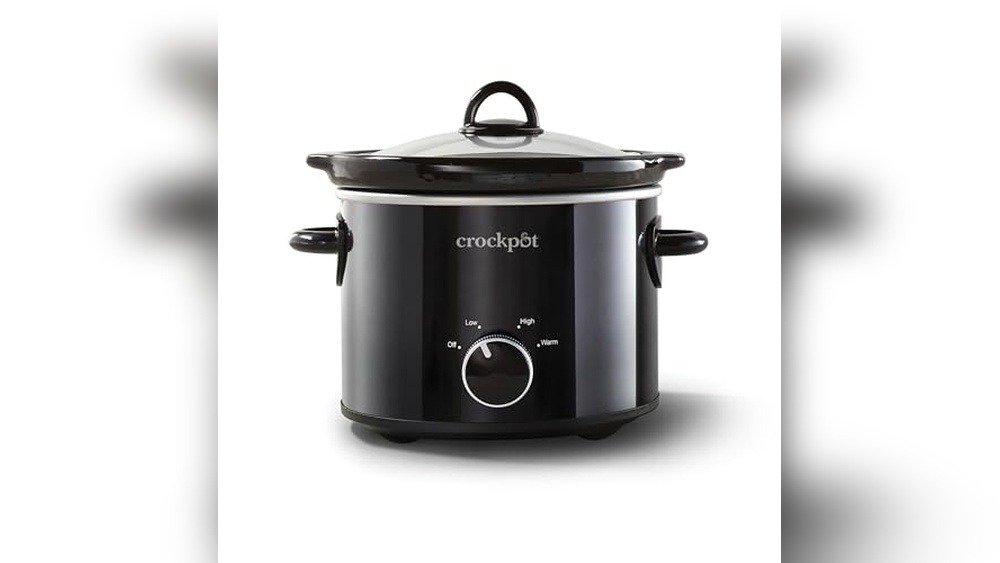
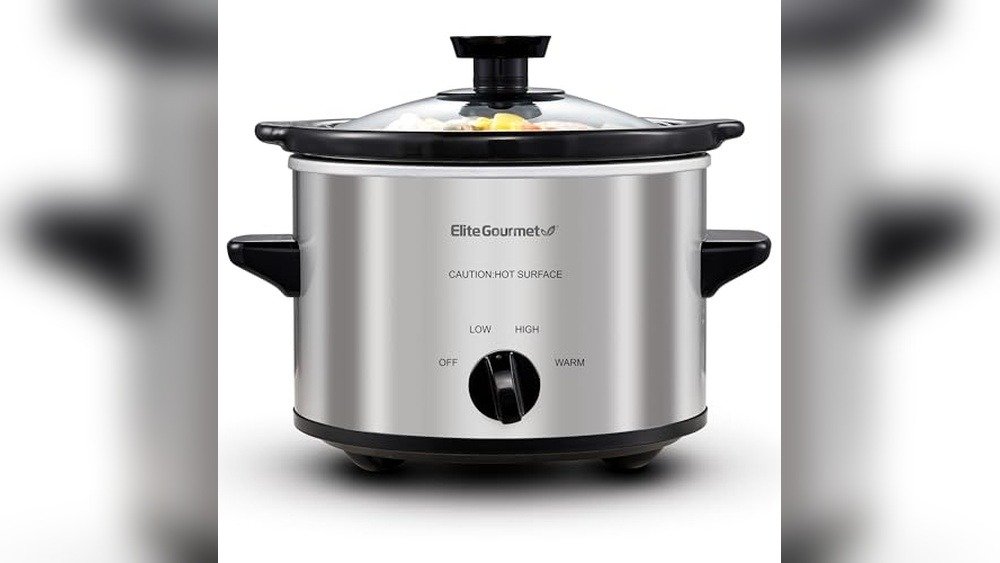
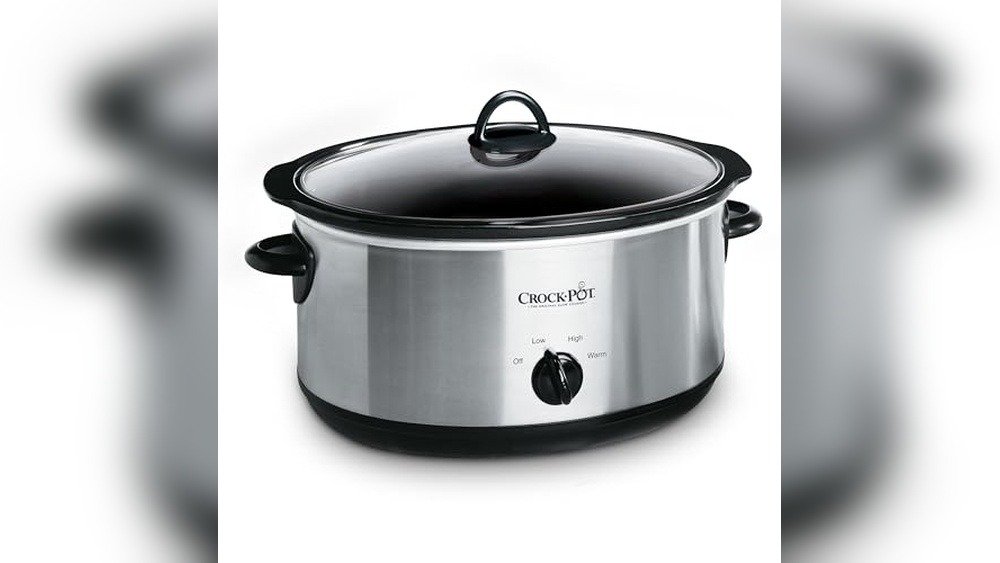
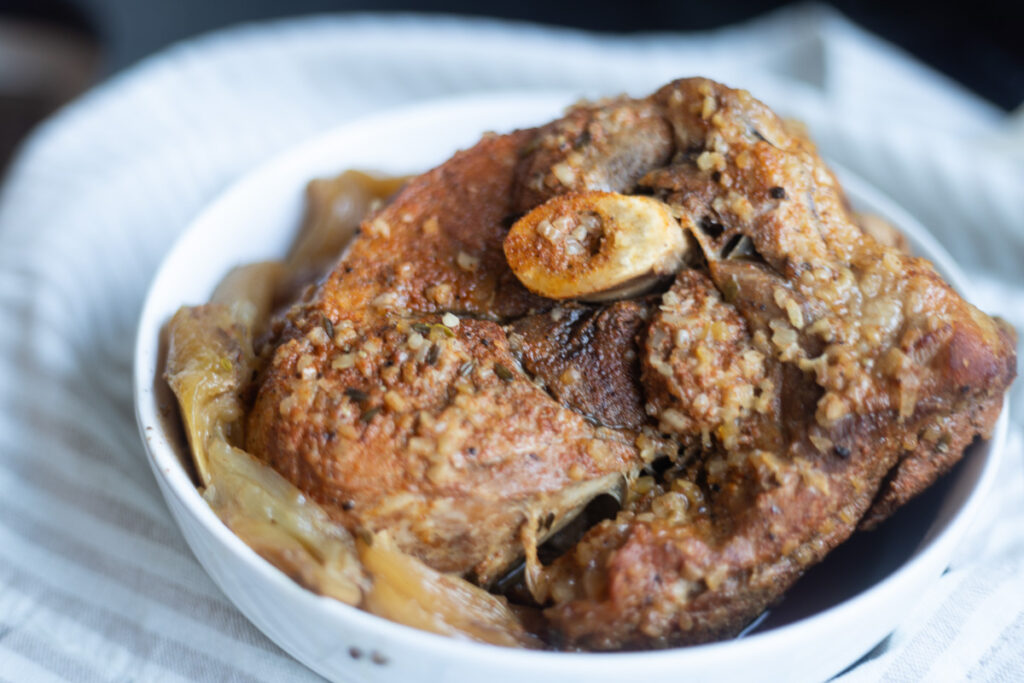
Are you ready to make a tender, juicy pork roast without spending hours in the kitchen? Knowing exactly how long to cook your pork roast in a slow cooker can be the difference between a mouthwatering meal and a tough, dry disappointment.
Whether you’re a slow cooker newbie or just want to perfect your technique, this guide will give you simple, clear answers. Keep reading to discover the perfect cooking times that will make your pork roast fall-apart delicious every single time.
Your next dinner just got a whole lot easier!
Credit: hopewellheightsblog.com
Choosing The Right Cut
Choosing the right cut of pork is important for a tender, juicy roast. Slow cookers work best with cuts that have some fat and connective tissue. These parts become soft and flavorful after several hours of cooking.
Lean cuts can dry out and become tough in a slow cooker. Picking the right cut ensures your pork roast stays moist and delicious.
Best Cuts For Slow Cooking
- Pork shoulder (also called pork butt): Rich in fat and connective tissue. Breaks down well in slow cooking.
- Pork leg: Has some fat and works well if cooked long enough.
- Pork belly: Very fatty and tender when slow cooked, though less common for roasts.
- Pork picnic roast: Similar to shoulder, good marbling and flavor.
Avoiding Lean Cuts
- Pork loin: Very lean and can dry out fast in slow cookers.
- Pork tenderloin: The leanest cut. Cooks quickly, not ideal for slow cooking.
- Center-cut roasts: Tend to be leaner and need careful timing.
Choose cuts with enough fat for moisture. This creates tender meat with rich flavor. Avoid lean cuts to prevent dryness and toughness.
Preparing The Pork Roast
Preparing the pork roast properly sets the stage for a tender, flavorful meal. Taking time to season, trim, and sear the meat improves its taste and texture. These steps help the pork roast cook evenly and stay juicy inside the slow cooker.
Seasoning Tips
Start by patting the pork roast dry with paper towels. This helps the seasoning stick better. Use simple spices like salt, black pepper, garlic powder, and paprika for a classic taste. Fresh herbs such as rosemary or thyme add a nice aroma.
Rub the seasoning all over the pork, covering every side. Let the meat rest at room temperature for 15-20 minutes to absorb the flavors. Avoid heavy sauces before cooking; add them later for best results.
Trimming And Searing
Trim excess fat from the pork roast, leaving a thin layer for flavor. Too much fat can cause flare-ups or greasy texture. Searing the meat in a hot pan creates a crust that locks in juices.
Heat a tablespoon of oil over medium-high heat. Brown the pork roast on all sides for 2-3 minutes each. This step adds color and depth to the final dish. Place the seared roast in the slow cooker and proceed with cooking.
Slow Cooker Settings
Choosing the right slow cooker setting is key to perfectly cooking your pork roast. The temperature you select affects not only the cooking time but also the texture and flavor of the meat. Understanding how low and high heat settings work can help you get the best results every time.
Low Vs High Heat
Cooking pork roast on low heat usually takes about 6 to 8 hours. This slow, gentle cooking breaks down the connective tissue, making the meat tender and juicy. If you want a roast that falls apart easily, low heat is your best bet.
High heat cuts the cooking time in half, around 3 to 4 hours, but it requires more attention. The meat cooks faster but can dry out if left too long. Use high heat when you’re short on time, but check the roast often to avoid overcooking.
Consider the size of your pork roast too. Larger cuts benefit from low heat to cook evenly. Smaller roasts can handle high heat without losing moisture.
Using Timers Effectively
Timers are your best friends when using a slow cooker. Setting a timer helps you avoid undercooking or overcooking your pork roast. Many modern slow cookers have built-in timers that switch to “warm” mode once cooking is done.
If your slow cooker doesn’t have a timer, use an external one or set an alarm on your phone. This way, you can come back right when the roast is ready. Overcooking on low heat can dry out the meat, while undercooking can leave it tough or unsafe to eat.
Think about your schedule too. If you’re going out, set the timer to finish cooking just before you return. This keeps the pork roast warm and juicy without sitting too long on heat.
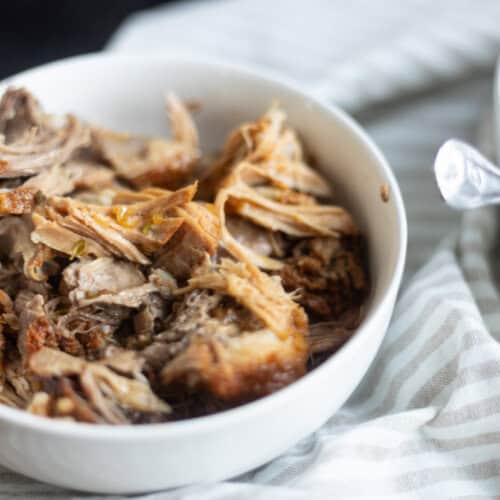
Credit: hopewellheightsblog.com
Cooking Times For Pork Roast
Cooking pork roast in a slow cooker usually takes 6 to 8 hours on low heat. Larger roasts need more time to become tender and juicy. Check the meat’s temperature to ensure it reaches 145°F for safe eating.
Cooking Times for Pork Roast Cooking a pork roast in a slow cooker can be a game-changer for a stress-free Sunday dinner or a weeknight meal. The key to achieving tender and juicy results lies in understanding the right cooking times for your pork roast. With a little knowledge and planning, you can enjoy a mouth-watering pork roast that's sure to please even the pickiest eaters.
General Time Guidelines
A general rule of thumb for cooking pork roast in a slow cooker is to cook it on low for 8-10 hours or on high for 4-6 hours. However, this time can vary depending on the size and thickness of your pork roast. It's essential to note that overcooking can lead to dry and tough meat, so it's better to err on the side of caution.
Adjusting For Size And Thickness
The size and thickness of your pork roast play a significant role in determining the cooking time. A smaller roast (about 1-2 pounds) will cook faster than a larger one (about 3-4 pounds). Additionally, a thicker roast will require more cooking time than a thinner one. To give you a better idea, here's a rough guide to cooking times based on the size and thickness of your pork roast: | Size | Thickness | Cooking Time (Low) | Cooking Time (High) | | --- | --- | --- | --- | | Small (1-2 pounds) | Thin | 6-8 hours | 3-4 hours | | Small (1-2 pounds) | Thick | 8-10 hours | 4-6 hours | | Medium (2-3 pounds) | Thin | 8-10 hours | 4-6 hours | | Medium (2-3 pounds) | Thick | 10-12 hours | 6-8 hours | | Large (3-4 pounds) | Thin | 10-12 hours | 6-8 hours | | Large (3-4 pounds) | Thick | 12-14 hours | 8-10 hours |
Monitoring The Temperature
To ensure your pork roast is cooked to perfection, it's crucial to monitor the internal temperature. Use a meat thermometer to check the temperature, especially when cooking a larger or thicker roast. The recommended internal temperature for cooked pork is 145°F (63°C). Make sure to let the pork rest for 10-15 minutes before serving to allow the juices to redistribute.
Don't Forget To Season
Before cooking your pork roast, don't forget to season it with your favorite herbs and spices. This will not only add flavor but also help to tenderize the meat. Some popular seasonings for pork roast include salt, pepper, garlic powder, and paprika. You can experiment with different seasonings to find the perfect combination for your taste buds. Remember, the key to a delicious pork roast is to cook it low and slow, allowing the flavors to meld together and the meat to become tender and juicy.
Ensuring Tenderness
Ensuring Tenderness Cooking pork roast in a slow cooker is a brilliant way to achieve a melt-in-your-mouth experience. But how do you ensure that your pork roast turns out tender every time? The secret lies in a few simple techniques that make all the difference.
When you're cooking pork roast, patience is key. The low and slow method allows the meat fibers to break down, resulting in a tender and juicy roast. But there's more to it than just time. Let's dive into the essential steps to guarantee tenderness.
Checking Internal Temperature
To ensure your pork roast is both safe to eat and tender, checking its internal temperature is crucial. Use a meat thermometer to measure the thickest part of the roast, avoiding bone. The ideal temperature should be around 145°F (63°C), ensuring the meat is cooked yet juicy.
Remember, slow cookers can vary in heat settings, so start checking the temperature about an hour before the cooking time ends. This will give you a better handle on when the meat is perfectly done.
Resting The Meat
Once you’ve reached the desired internal temperature, the next step is equally vital—resting the meat. Allow the pork roast to sit for at least 10-15 minutes after removing it from the slow cooker. This resting period allows the juices to redistribute, enhancing tenderness.
Skipping this step can lead to a less juicy roast. You wouldn’t want all your hard work to go to waste, right? Trust me, the wait is worth it to achieve that perfect bite.
Have you ever tried these techniques before? If not, give it a go and see how it transforms your cooking experience. Sometimes, the simplest steps make the biggest difference in your culinary adventures.
Adding Flavor And Moisture
Adding flavor and moisture to your pork roast in a slow cooker is key to achieving a tender, juicy meal. Without enough liquid and seasoning, the meat can turn out dry or bland. Small adjustments in the cooking process can make a big difference in taste and texture.
Using Broth And Liquids
Adding broth or other liquids is essential for keeping the pork roast moist during the long cooking time. Water alone can work, but broth adds a depth of flavor that water cannot provide. Consider using chicken, beef, or vegetable broth depending on the flavor profile you want.
Besides broth, you can add other liquids like apple cider, beer, or even a splash of wine. These liquids not only help with moisture but also infuse the meat with subtle, rich flavors. How do you decide which liquid to choose? Think about the final dish you want—sweet, savory, or tangy—and pick accordingly.
Incorporating Herbs And Spices
Herbs and spices can transform your pork roast from simple to unforgettable. Fresh herbs like rosemary, thyme, and sage release oils that penetrate the meat as it cooks, enhancing the aroma and taste. Dried herbs and ground spices like paprika, garlic powder, and black pepper add layers of flavor without overwhelming the dish.
Try tying fresh herbs in a bundle or placing them directly on the roast for maximum effect. Don’t be afraid to experiment with spice blends—sometimes a pinch of cinnamon or cumin can surprise your taste buds in a good way. What flavors excite you the most? Adding your favorite herbs and spices lets you customize the roast to your preference.
Common Mistakes To Avoid
Cooking pork roast in a slow cooker can be tricky. Many people make common mistakes that affect the dish's flavor and texture. Knowing these mistakes helps improve your cooking skills.
Overcooking Risks
Overcooking is a frequent error in slow cooking. Pork roast needs a precise amount of time to cook well. Too long in the slow cooker makes it dry and tough. Always check the recipe for recommended cooking time. Use a meat thermometer to ensure the pork reaches 145°F. This ensures it's cooked but still juicy.
Underseasoning Issues
Undersalting or underseasoning can lead to bland pork roast. Slow cooking requires generous seasoning for rich flavors. Season the pork well before placing it in the cooker. Include salt, pepper, and your favorite spices. Herbs like rosemary and thyme add great aromas. A well-seasoned roast enhances your meal's taste.
Serving Suggestions
Serving a slow cooker pork roast opens many tasty options. Choosing the right sides and sauces can make your meal complete and satisfying.
Side Dishes
- Mashed potatoes: Creamy and smooth, perfect for soaking up juices.
- Steamed vegetables: Carrots, green beans, or broccoli add color and crunch.
- Roasted sweet potatoes: Bring a sweet contrast to the savory pork.
- Coleslaw: Adds a fresh, tangy bite for balance.
- Rice or quinoa: Simple grains that pair well with rich flavors.
Sauce Pairings
- Apple sauce: Classic and sweet, enhances pork’s natural flavor.
- BBQ sauce: Adds smoky and tangy notes for a bold taste.
- Mustard glaze: Sharp and spicy, cuts through the richness.
- Gravy made from slow cooker juices: Rich, savory, and easy.
- Chimichurri: Fresh and herby, brings a bright contrast.
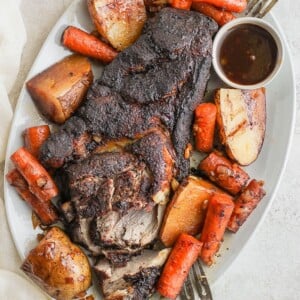
Credit: fitfoodiefinds.com
Frequently Asked Questions
How Long To Cook Pork Roast On Low In Slow Cooker?
Cook pork roast on low for 7 to 9 hours. This allows the meat to become tender and juicy. Always check internal temperature reaches 145°F for safe consumption.
Can I Cook Pork Roast On High In Slow Cooker?
Yes, cook pork roast on high for 3 to 4 hours. This is faster but may be less tender than slow cooking on low. Use a meat thermometer to ensure it reaches 145°F.
What Size Pork Roast Fits Slow Cooker Best?
A 3 to 5-pound pork roast fits best in most slow cookers. This size cooks evenly and fits comfortably with room for heat circulation.
Should I Add Liquid When Slow Cooking Pork Roast?
Yes, add at least 1/2 cup of liquid like broth or water. This prevents drying out and helps create flavorful juices during slow cooking.
Conclusion
Cooking a pork roast in a slow cooker takes patience and care. Usually, it needs about 6 to 8 hours on low heat. This long, slow cooking makes the meat tender and full of flavor. Check the internal temperature to ensure it reaches 145°F for safety.
Let the roast rest before slicing to keep it juicy. With the right time and temperature, your pork roast will be delicious every time. Slow cooking is simple and gives great results. Try it, and enjoy a tasty meal with little effort.