Have you ever wondered how long your hard boiled eggs stay fresh in the refrigerator? You might be asking yourself if they’re still safe to eat after a few days or if you should toss them out.
Knowing the answer can save you from food waste and keep you safe from eating spoiled eggs. You’ll discover simple tips to store your hard boiled eggs properly and find out exactly how long they last in your fridge. Keep reading to make sure your eggs stay fresh and tasty every time!
Egg Freshness Basics
Understanding how long hard boiled eggs stay fresh in your refrigerator starts with grasping the basics of egg freshness. Freshness isn't just about the clock ticking; it's about how eggs are handled before and after cooking. Knowing these fundamentals helps you enjoy your eggs safely and avoid waste.
Shelf Life Of Hard Boiled Eggs
Hard boiled eggs typically stay fresh for about one week when stored properly in the refrigerator. This timeframe assumes they are kept in their shells, which protects them from bacteria and moisture loss. Once peeled, their shelf life shortens to around 2 days because the protective layer is gone.
Have you ever noticed a strange smell or slimy texture on a hard boiled egg? That’s a clear sign it’s past its prime, even if it’s within the one-week mark. Trust your senses and when in doubt, throw it out.
Factors Affecting Freshness
Several factors can impact how long your hard boiled eggs stay fresh:
- Storage temperature:Eggs should be kept at or below 40°F (4°C) to slow bacterial growth.
- Handling:Cracks in the shell or peeling before storage increases contamination risk.
- Time before refrigeration:Cooling eggs promptly after boiling helps maintain freshness.
I once left a batch of hard boiled eggs out overnight, forgetting to refrigerate them right away. The next day, even though they looked fine, the taste was off and I had to discard them. This experience taught me how crucial immediate cooling is.
Are you storing your eggs in a way that maximizes their freshness? Small changes can make a big difference in how long your hard boiled eggs stay safe and tasty.

Credit: parade.com
Storage Tips
Proper storage keeps hard boiled eggs fresh and safe to eat. Follow simple tips to extend their shelf life. Store eggs soon after cooking and cool them quickly. Avoid leaving eggs out at room temperature for long.
Ideal Refrigerator Conditions
Keep eggs at a steady temperature of 40°F (4°C) or below. Store them in the coldest part of the fridge, not the door. The door temperature changes often and can spoil eggs faster. Maintain humidity to prevent eggs from drying out.
Best Containers For Storage
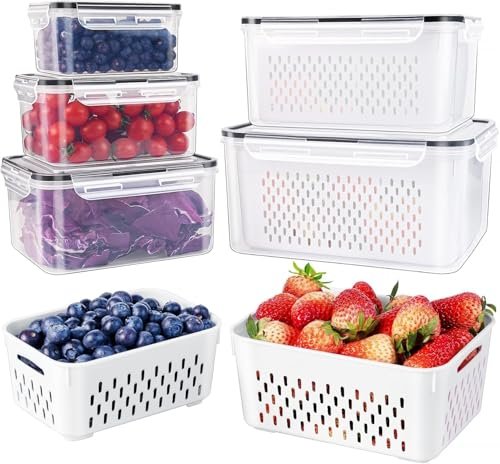
Use airtight containers to keep eggs fresh. They stop eggs from absorbing fridge odors. Hard boiled eggs with shells last longer than peeled ones. For peeled eggs, place them in a bowl of cold water or cover with a damp cloth inside the container. Change the water daily to keep eggs moist.
Labeling And Tracking
Label containers with the date the eggs were boiled. This helps track freshness and avoid eating old eggs. Use a marker or sticky note for easy tracking. Eat eggs within one week of boiling for best quality and safety.
Signs Of Spoiled Eggs
Knowing the signs of spoiled hard boiled eggs helps prevent foodborne illness. Eggs can go bad even when refrigerated properly. Spotting spoilage early avoids eating unsafe eggs.
Visual Changes To Watch For
- Shell turns slimy or sticky
- Cracks or unusual discoloration on shell
- Egg white or yolk shows green, pink, or black spots
- Cloudy or watery egg white instead of firm
- Unusual powdery or fuzzy growth on shell
Smell And Texture Indicators
- Strong sulfur or rotten odor
- Egg white feels slimy or excessively runny
- Yolk is dry, chalky, or crumbly
- Egg smells sour or ammonia-like when peeled

Credit: www.tasteofhome.com
Safety Precautions
Safety is key when storing hard boiled eggs in the refrigerator. Proper precautions help keep eggs fresh and prevent illness. Careful handling and cleanliness reduce the risk of bacteria growth. Follow simple steps to ensure your eggs stay safe to eat.
Handling Hard Boiled Eggs
Always refrigerate hard boiled eggs within two hours of cooking. Keep eggs in their shells until ready to eat. The shell protects eggs from bacteria and odors. Store eggs in a clean container or egg carton. Label the container with the boiling date to track freshness. Avoid peeling eggs too early to maintain quality.
Avoiding Cross-contamination
Keep hard boiled eggs away from raw meat and seafood. Use separate utensils and cutting boards for eggs and other foods. Wash hands thoroughly before and after touching eggs. Clean surfaces with hot, soapy water to kill germs. Do not store eggs near strong-smelling foods. This prevents eggs from absorbing unwanted odors.
Using Leftover Eggs
Hard boiled eggs stay fresh in the refrigerator for up to one week. Keep them in a covered container to maintain quality and prevent odors. Always check for changes in smell or texture before eating.
Using leftover hard boiled eggs can be both a practical and delightful endeavor. Instead of letting them go to waste, why not transform them into delicious dishes that will have your taste buds dancing? The secret lies in creativity and knowing how to store them properly to maximize their freshness.
Recipe Ideas
Unleash your culinary imagination with leftover hard boiled eggs. Egg salad sandwiches are a timeless favorite—simply chop the eggs, add mayonnaise, a touch of mustard, and your choice of herbs. Feeling adventurous? Try making a curried egg salad with a sprinkle of curry powder and some chopped green onions. Deviled eggs are another crowd-pleaser, offering a perfect balance of creaminess and spice. Why not add sliced eggs to a fresh green salad or a hearty grain bowl? They add protein and richness, elevating your meal from ordinary to extraordinary.
Reheating Tips
Reheating hard boiled eggs might seem like a straightforward task, but a few tips can make all the difference. If you’re in a hurry, the microwave can be your friend—just make sure to peel the eggs and cut them in half to avoid any explosive surprises. Alternatively, a gentle warm-up in hot water can preserve their texture. Place the eggs in a bowl and pour boiling water over them, letting them sit for a few minutes. This method warms them evenly without overcooking. If you’re adding eggs to a dish that’s already hot, like a stew or soup, let the residual heat do the work for you. How do you plan to transform your leftover hard boiled eggs? The possibilities are endless and delicious!

Credit: food52.com
Frequently Asked Questions
How Long Do Hard Boiled Eggs Last In The Fridge?
Hard boiled eggs stay fresh for up to one week in the refrigerator. Store them in a sealed container to maintain freshness and prevent odors. Always refrigerate eggs within two hours after boiling for food safety.
Can I Store Peeled Hard Boiled Eggs In Fridge?
Yes, peeled hard boiled eggs last about 5 days in the fridge. Keep them in a bowl of cold water or an airtight container. Change the water daily to keep eggs fresh and safe to eat.
How To Tell If Hard Boiled Eggs Are Spoiled?
Spoiled hard boiled eggs smell sulfuric or rotten. The egg white or yolk may become slimy or discolored. If unsure, discard the egg to avoid foodborne illness.
Should Hard Boiled Eggs Be Refrigerated Immediately?
Yes, refrigerate hard boiled eggs within two hours of cooking. This stops bacterial growth and keeps eggs safe. Store eggs in their shells or peeled in airtight containers.
Conclusion
Hard boiled eggs stay fresh in the fridge for about one week. Store them in a clean container with a lid. Keep the fridge temperature below 40°F (4°C) for best results. Check eggs for any bad smell or slimy texture before eating.
Eating fresh eggs helps avoid stomach problems. Remember to label the container with the date you boiled the eggs. This simple step keeps your food safe and fresh. Enjoy your hard boiled eggs within a week for the best taste and quality.