Are you wondering how long your frozen fish sticks can stay fresh in the freezer? You probably want to avoid wasting food or risking a bad taste.
Knowing the right storage time helps you enjoy your favorite snack safely and at its best quality. You’ll discover exactly how long frozen fish sticks last, how to store them properly, and simple tips to keep them tasty every time you cook.
Keep reading to make the most of your freezer and never worry about spoiled fish sticks again!

Credit: eatwellwithlex.com
Shelf Life Of Frozen Fish Sticks
Frozen fish sticks are a popular and convenient snack or meal option. Knowing their shelf life helps keep them safe and tasty. Proper storage in the freezer keeps fish sticks fresh for longer. The quality and safety depend on how long they stay frozen.
Frozen fish sticks generally last 6 to 12 months in the freezer. This range ensures they keep their best taste and texture. Beyond this period, they may lose flavor or become freezer burnt.
Factors Affecting Shelf Life
- Freezer temperature consistency
- Packaging quality and sealing
- Initial freshness of the fish
- Handling before freezing
Keeping the freezer at 0°F (-18°C) or below is important. Air-tight packaging helps prevent moisture loss and freezer burn.
Signs Frozen Fish Sticks Have Gone Bad
- Off or sour smell
- Discoloration or frost buildup
- Dry or tough texture after cooking
- Unusual taste or flavor
Discard fish sticks showing these signs. Eating spoiled fish sticks can cause food sickness.
Tips To Maximize Shelf Life
- Seal tightly in freezer bags or wrap
- Label with freezing date
- Store in the coldest freezer section
- Avoid thawing and refreezing
Following these tips helps keep fish sticks fresh and safe to eat longer.
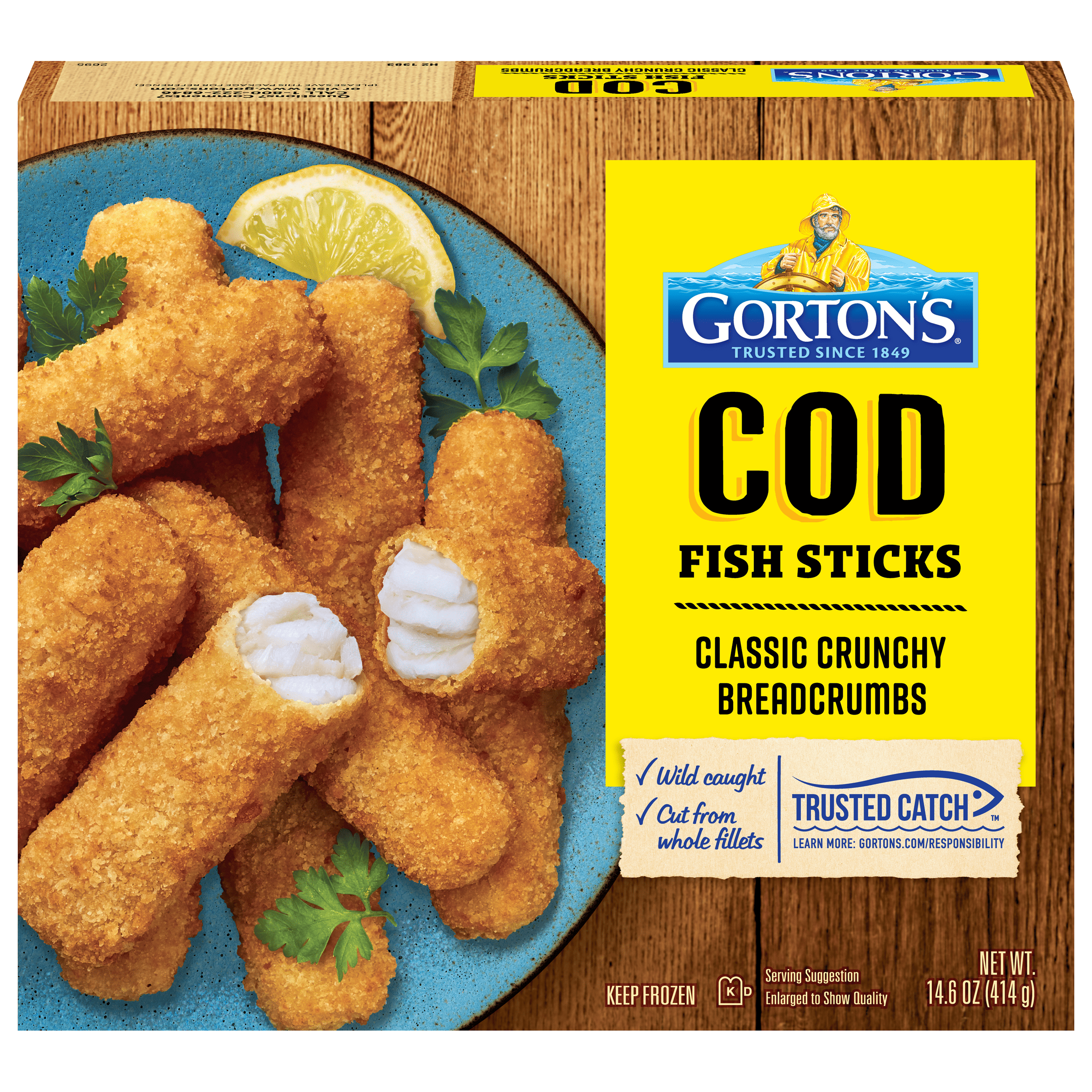
Credit: www.gortons.com
Proper Freezing Techniques
Freezing fish sticks properly keeps them fresh and tasty for longer. It stops ice crystals from forming and damaging the texture. Proper freezing also helps avoid freezer burn and loss of flavor. Follow simple steps to maintain the best quality of your frozen fish sticks.
Packaging Tips
Use airtight packaging to protect fish sticks from air and moisture. Wrap each portion tightly in plastic wrap or aluminum foil. Place wrapped fish sticks inside a freezer-safe zip-lock bag. Remove as much air as possible before sealing. Label the package with the freezing date to track storage time.
Optimal Freezer Temperature
Keep your freezer at or below 0°F (-18°C). This temperature slows bacterial growth and preserves quality. Avoid frequent freezer door openings to maintain steady cold. Use a freezer thermometer to check the temperature regularly. Proper temperature ensures fish sticks stay fresh for months.
Signs Of Spoiled Fish Sticks
Knowing the signs of spoiled fish sticks can save you from an unpleasant meal and potential health risks. Even if fish sticks have been stored in the freezer, they don’t last forever. Paying attention to subtle changes can help you decide if your frozen fish sticks are still safe to eat.
Visual Indicators
Look closely at the fish sticks before cooking. If you notice frost or ice crystals forming on the surface, it might mean freezer burn, which affects taste and texture.
Discoloration is another red flag. Fish sticks turning grayish or having dark spots suggest they are past their prime.
Also, check for any slimy texture once thawed. Fresh fish sticks should feel firm, not sticky or mushy.
Off-putting Smell
Smell can tell you a lot about spoiled fish sticks. If you detect a sour, fishy, or ammonia-like odor, it’s a strong sign of spoilage.
Even if the appearance seems fine, an unpleasant smell means bacteria have likely developed.
Trust your nose—if it smells off, don’t risk eating them. Have you ever ignored a bad smell only to regret it later?

Credit: www.meijer.com
Best Practices For Defrosting
Defrosting frozen fish sticks properly is key to keeping their texture and flavor intact. It also ensures your safety by preventing bacterial growth. Let’s look at the best ways to thaw fish sticks without compromising quality or health.
Refrigerator Thawing
Thawing fish sticks in the refrigerator is the safest and most reliable method. It allows the fish sticks to defrost slowly and evenly, keeping them at a safe temperature below 40°F (4°C). This method usually takes about 12 to 24 hours, so planning ahead is essential.
Try placing the fish sticks on a plate or shallow dish to catch any moisture that drips during thawing. This keeps your fridge clean and prevents cross-contamination with other foods. Have you noticed how much better the texture is when you thaw fish sticks this way? It’s definitely worth the wait.
Avoiding Room Temperature Thawing
Leaving fish sticks out on the counter to thaw at room temperature might seem quick, but it’s risky. Bacteria multiply rapidly between 40°F and 140°F, which can lead to foodborne illnesses. Even if you plan to cook them immediately after thawing, some bacteria may have already started to grow.
If you’re in a rush, consider cooking frozen fish sticks directly without thawing. They often cook evenly and remain crispy. Is saving time worth risking your health? Most food safety experts would say no.
Impact Of Freezer Burn
Freezer burn can significantly impact the quality of your frozen fish sticks, even if they remain safe to eat. It occurs when air reaches the food’s surface, causing dehydration and oxidation. This damage leads to changes you can see and taste, often ruining your meal experience.
Prevention Strategies
Keeping your fish sticks fresh starts with proper packaging. Use airtight containers or vacuum-sealed bags to block air exposure. Wrapping fish sticks tightly in plastic wrap before placing them in a freezer bag can also help.
Label your packages with the date so you can track how long they’ve been in the freezer. Regularly check your freezer’s temperature; it should stay at or below 0°F (-18°C). Avoid frequent opening of the freezer, which lets warm air in and increases the risk of freezer burn.
Effects On Taste And Texture
Have you ever noticed dry, tough patches on frozen fish sticks? That’s freezer burn in action. It sucks moisture out, leaving fish sticks with a leathery texture and bland or off flavors.
Even if you cook them thoroughly, freezer-burned fish sticks won’t regain their original taste or softness. This can turn a quick snack into a disappointing bite. Your taste buds deserve better than freezer burn’s damage.
Storing Different Types Of Fish Sticks
Storing fish sticks properly can extend their freezer life and keep their taste fresh. Different types of fish sticks require slightly different handling to maintain quality. Knowing how to store breaded, unbreaded, homemade, and store-bought fish sticks can help you avoid waste and enjoy a tasty snack anytime.
Breaded Vs. Unbreaded
Breaded fish sticks have a coating that can absorb moisture, making them prone to sogginess if not stored correctly. Wrap them tightly in plastic wrap or aluminum foil, then place them in an airtight container or freezer bag to prevent freezer burn.
Unbreaded fish sticks, on the other hand, have less protection against freezer burn. They need extra care—make sure to separate them with parchment paper if stacking to avoid sticking together. Seal them well to keep their texture intact.
Have you noticed how breaded fish sticks sometimes lose crunch after freezing? That's often due to poor storage. Keeping them well-wrapped helps preserve that satisfying crunch when you cook them later.
Homemade Vs. Store-bought
Homemade fish sticks usually lack preservatives, which means they don’t last as long in the freezer as store-bought ones. Store your homemade batch in single layers on a baking sheet to freeze individually before transferring to a freezer bag.
Store-bought fish sticks often come pre-packaged in vacuum-sealed bags, providing a longer freezer life. However, once opened, reseal them tightly or transfer to a freezer-safe container to maintain freshness.
Have you tried freezing homemade fish sticks? Freezing them flat first prevents clumping and makes it easier to grab just what you need. This small step can make a big difference in convenience and quality.
Safety Tips For Consumption
Ensuring your frozen fish sticks are safe to eat is crucial for both taste and health. Taking simple safety steps can prevent foodborne illnesses and keep your meals enjoyable. Let’s look at practical tips that help you consume fish sticks confidently.
Checking Expiry Dates
Always look at the expiry or “best by” date printed on the package before storing or cooking fish sticks. If the date has passed, it’s better to discard the product, even if it smells fine. Freezing stops bacteria from growing but doesn’t kill all microorganisms, so freshness still matters.
Have you ever found fish sticks in your freezer with no visible date? In that case, check for any signs of freezer burn, like dry patches or discoloration. These indicate compromised quality and taste, so avoid eating fish sticks that look or smell off.
Cooking Recommendations
Cooking fish sticks thoroughly is essential to kill harmful bacteria. The internal temperature should reach at least 165°F (74°C). Use a food thermometer if you have one to be sure.
Oven baking is a popular method that keeps fish sticks crispy and evenly cooked. Avoid undercooking by following package instructions carefully and adding a few extra minutes if needed. If you’re using a microwave, be cautious—uneven heating can leave cold spots where bacteria survive.
- Cook straight from frozen to avoid refreezing thawed fish sticks.
- Don’t overcrowd the cooking tray to ensure even heat distribution.
- Check the fish sticks’ texture; they should be golden and firm, not soggy or rubbery.
Have you ever eaten fish sticks that were a bit undercooked? It’s a good reminder to always double-check cooking times and temperatures for your safety.
Frequently Asked Questions
How Long Do Frozen Fish Sticks Last In Freezer?
Frozen fish sticks typically last 6 to 12 months in the freezer. For best quality, consume within this period. Proper storage in airtight packaging helps maintain freshness and flavor.
Can Frozen Fish Sticks Go Bad In Freezer?
Yes, frozen fish sticks can spoil if stored too long. Over time, freezer burn and texture changes occur. Always check for off smells or discoloration before eating.
How To Store Frozen Fish Sticks For Longer Shelf Life?
Store frozen fish sticks in airtight containers or sealed bags. Remove excess air to prevent freezer burn. Keep your freezer temperature at or below 0°F (-18°C) for optimal preservation.
Are Frozen Fish Sticks Safe After Expiration Date?
Frozen fish sticks may still be safe shortly after expiration if frozen continuously. However, quality and taste might decline. Inspect for signs of spoilage before cooking.
Conclusion
Frozen fish sticks can stay good for several months in the freezer. Keep them sealed tightly to avoid freezer burn. Always check the package date before freezing. Use fish sticks within the recommended time for best taste and safety. Proper storage keeps them fresh and tasty.
Eat them soon after thawing for the best experience. Frozen fish sticks are a quick and easy meal option. Remember, safe handling helps avoid food waste and keeps you healthy. Simple steps make a big difference in food quality.