You’ve just brought home a carton of farm fresh eggs, and you’re wondering, how long can you keep them in your fridge before they go bad? Knowing the right answer can save you money, keep your meals safe, and help you enjoy that fresh taste every time.
You’ll discover exactly how long farm fresh eggs last in your refrigerator and the best tips to store them properly. Keep reading to make sure your eggs stay fresh and delicious for as long as possible!
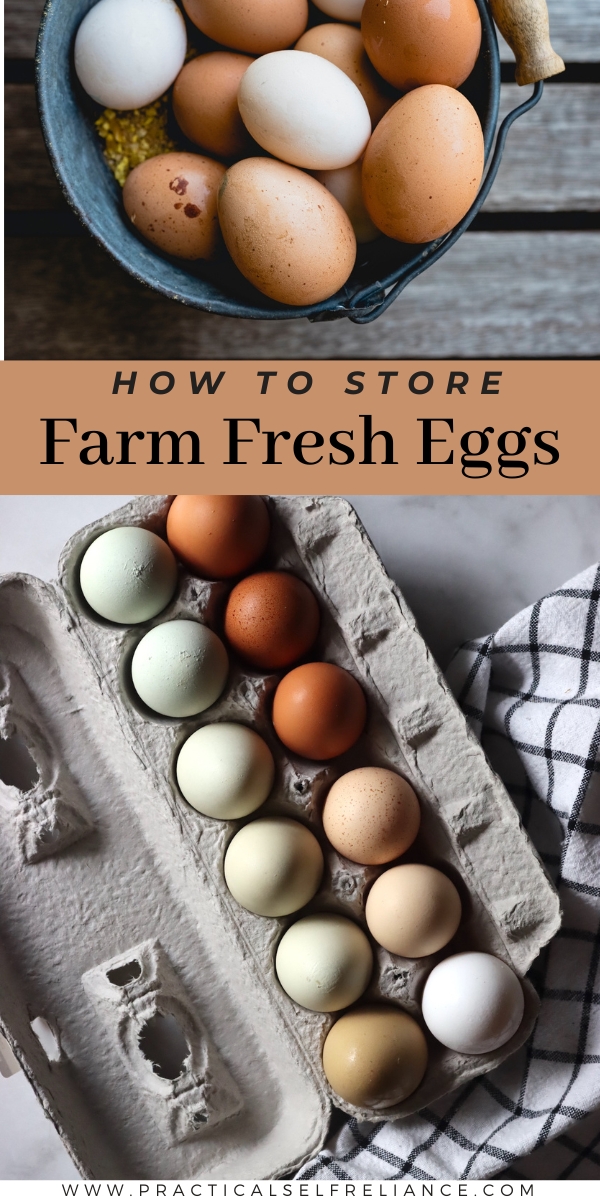
Credit: practicalselfreliance.com
Shelf Life Of Farm Fresh Eggs
Farm fresh eggs often have a different shelf life than store-bought eggs. Their freshness depends on how they are handled and stored after collection. Knowing the shelf life helps keep eggs safe and tasty for cooking or eating raw.
Factors Affecting Egg Freshness
Several factors influence how long farm fresh eggs stay fresh in the refrigerator.
- Storage Temperature:Eggs last longer when kept at a steady, cool temperature around 40°F (4°C).
- Cleaning:Washing eggs removes natural protective coatings, which may reduce shelf life.
- Humidity:Proper humidity prevents eggs from drying out or absorbing odors.
- Handling:Gentle handling avoids cracks that can let bacteria inside.
- Age at Purchase:Freshly laid eggs last longer than those stored for days before refrigeration.
Comparison With Store-bought Eggs
Farm fresh eggs usually have a thicker shell and a natural coating called the bloom. This coating protects the egg inside.
Store-bought eggs are cleaned and sometimes treated, which removes this natural barrier. They may get a protective coating added back.
Because of this, farm fresh eggs can often last 3 to 5 weeks in the fridge if stored properly. Store-bought eggs typically come with a "best by" date about 3 to 4 weeks from packing.
Both types should be kept in their cartons to avoid absorbing fridge smells and to protect from damage.
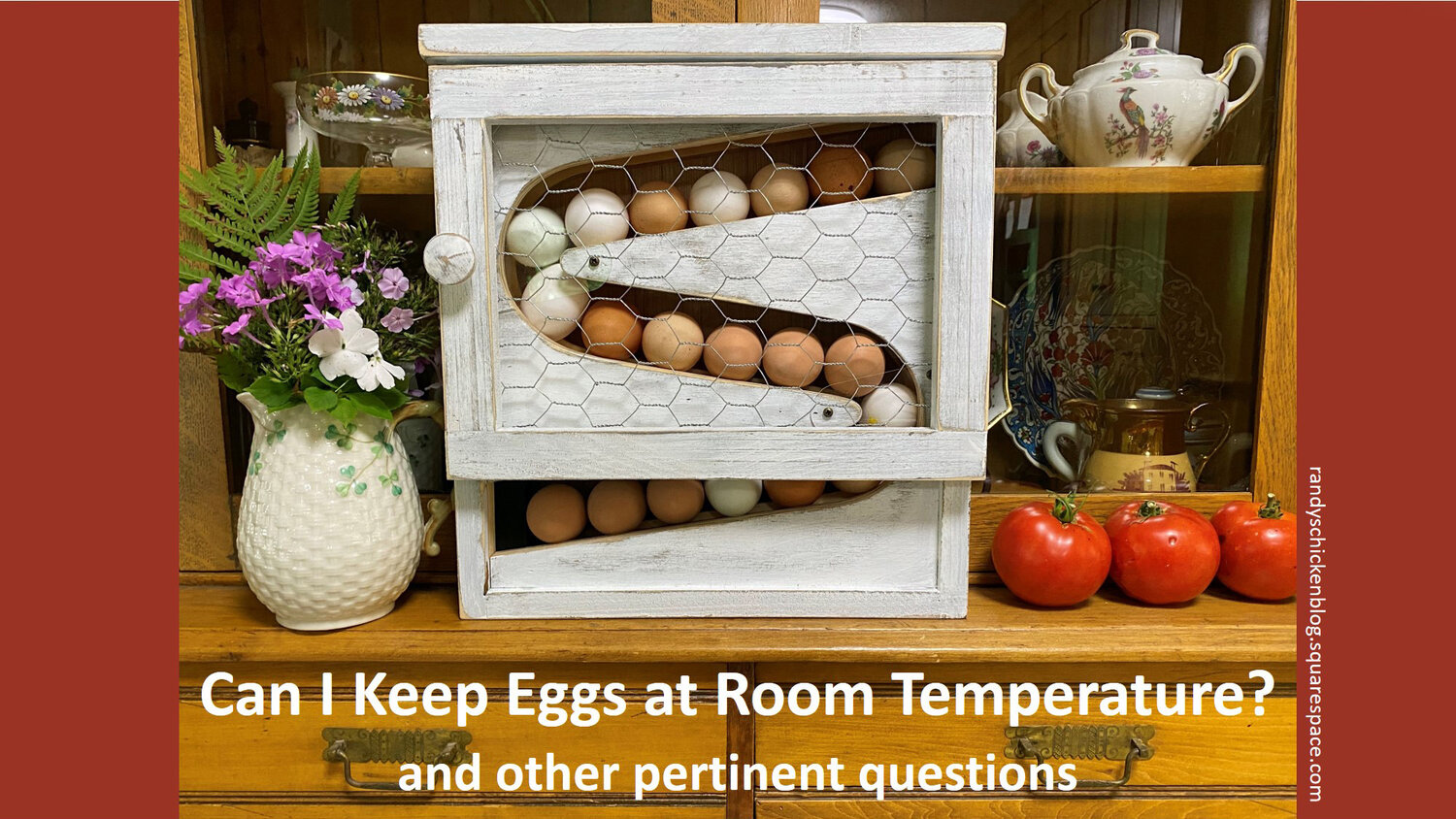
Credit: www.randyschickenblog.com
Best Storage Practices
Storing farm fresh eggs correctly keeps them safe and tasty for longer. Proper storage slows down spoilage and preserves quality. Simple habits can make a big difference in egg freshness.
Ideal Refrigerator Temperature
Keep the refrigerator at or below 40°F (4°C). Cold temperatures reduce bacteria growth and keep eggs fresh. Use a fridge thermometer to check the temperature. Avoid storing eggs in the fridge door, where temperature fluctuates.
Proper Egg Placement
Place eggs in their original carton to protect them. Store eggs on a middle shelf, not the door. The carton stops eggs from absorbing fridge odors. Keep eggs pointed end down to maintain freshness.
Avoiding Contamination
Wash hands before handling eggs to prevent germs. Do not wash eggs before storage; it removes protective coating. Clean the fridge regularly to avoid cross-contamination. Keep eggs away from raw meat and strong-smelling foods.
Signs Of Spoiled Eggs
Knowing the signs of spoiled eggs is key to keeping your kitchen safe and avoiding food waste. Eggs can look fine on the outside but hide spoilage inside. Paying attention to simple clues can save you from a bad experience and keep your meals fresh.
Visual Indicators
Check the shell for cracks or slimy residue; these can allow bacteria inside. A powdery or chalky shell surface might mean the egg is old or contaminated. When you crack the egg open, look closely at the yolk and white—if the yolk is flat or the white is watery and discolored, it’s time to toss it.
Smell Test
Fresh eggs have a neutral smell, so a strong, unpleasant odor is a clear warning. If you detect a sulfur-like or rotten smell as soon as you crack the egg, don’t risk eating it. Trust your nose—no recipe is worth a stomachache.
Float Test
Fill a bowl with water and gently place your egg inside. If it sinks and lies flat, it’s fresh. If it stands upright or floats, it’s likely gone bad because air has seeped inside, increasing buoyancy. This simple test is a handy trick to quickly check your eggs before use.
Extending Egg Freshness
Farm fresh eggs are a delightful treat for many. Keeping them fresh in the refrigerator can be simple with the right techniques. From washing to preserving, each step helps maintain their quality. Let's explore how to extend the freshness of these eggs effectively.
Washing And Handling Tips
Handle eggs gently to avoid cracks. Cracked eggs spoil quickly. Wash eggs only before use. Washing removes the protective coating. This coating keeps bacteria out. Store eggs in their original carton. The carton protects and keeps moisture in.
Using Egg Preserving Techniques
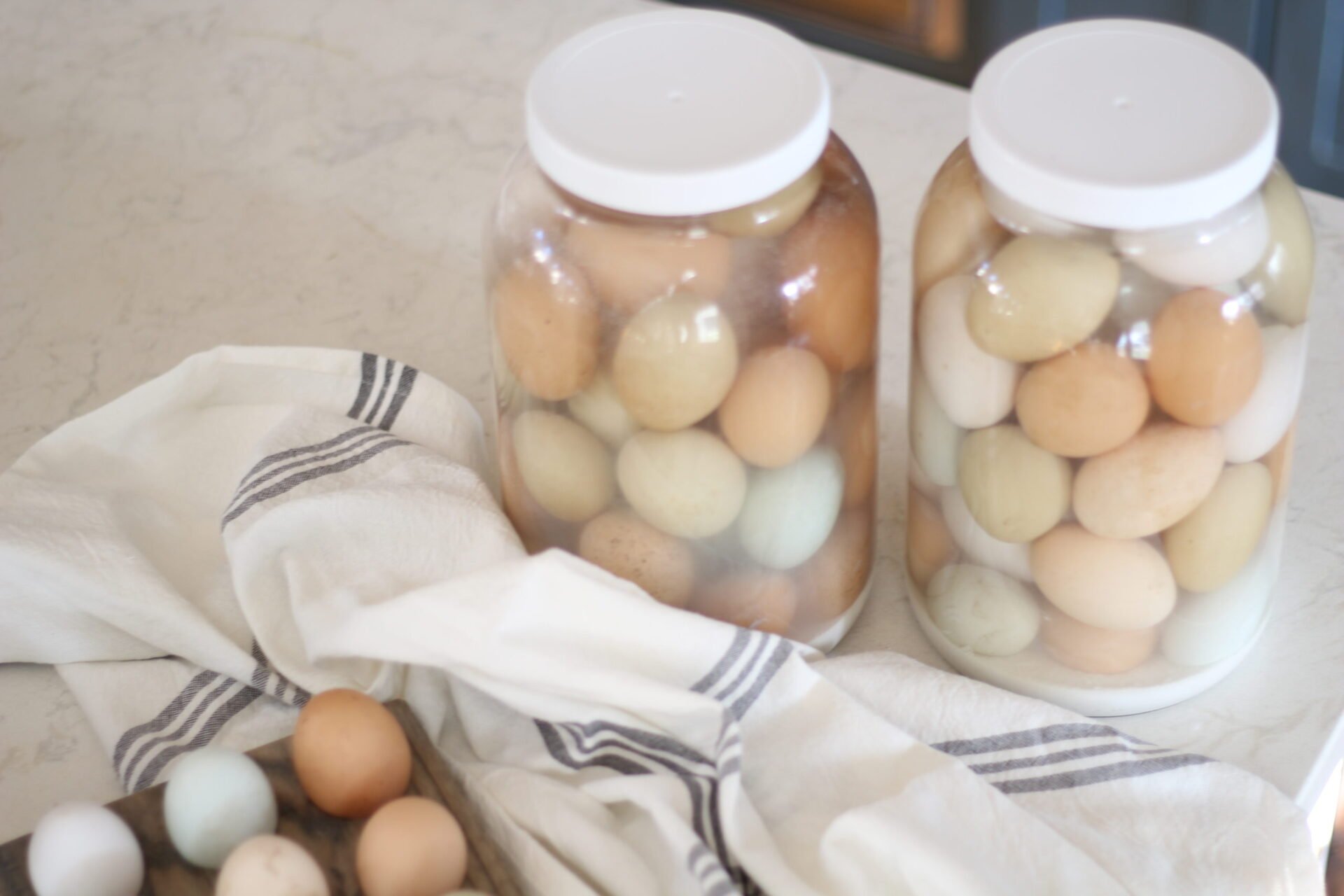
Use refrigeration to maintain egg freshness. Keep eggs at a constant cool temperature. Consider coating eggs with mineral oil. This seals the shell, extending shelf life. Pickling is another method. It preserves eggs for weeks. Freezing is an option too. Crack and beat eggs before freezing. Store in airtight containers for best results.
Using Farm Fresh Eggs Safely
Using farm fresh eggs safely is essential to enjoy their full flavor and nutritional benefits without risking your health. These eggs come straight from the hen, which means they may carry bacteria if not handled properly. Understanding how to cook and store them after cracking can make a big difference in keeping your meals safe and delicious.
Cooking Recommendations
Cooking farm fresh eggs thoroughly is your first line of defense against harmful bacteria like Salmonella. Always cook eggs until both the yolk and white are firm. Soft-boiled or runny eggs might taste great, but they increase the risk of illness, especially if the eggs are fresh from the farm and not pasteurized.
Try frying, scrambling, or baking eggs at a temperature of at least 160°F (71°C) to kill bacteria effectively. If you enjoy dishes like custards or homemade mayonnaise, use pasteurized eggs or heat the mixture gently to the safe temperature. This helps maintain safety without sacrificing texture or taste.
Storage After Cracking
Once you crack farm fresh eggs, store any unused portions in a clean, airtight container in the refrigerator. Use them within two days to avoid bacterial growth. Leaving cracked eggs at room temperature for too long can quickly turn them unsafe to eat.
Label the container with the date you cracked the eggs to keep track easily. If you separate the yolks and whites, store them in different containers and use them within 24 hours. Have you ever noticed a strange odor or unusual appearance? That’s a clear sign to toss the eggs immediately.
Credit: hopewellheightsblog.com
Frequently Asked Questions
How Long Do Farm Fresh Eggs Last Refrigerated?
Farm fresh eggs typically last 3 to 5 weeks in the refrigerator. Proper storage in a carton helps maintain freshness and prevent odors.
Can Farm Fresh Eggs Be Stored Outside The Fridge?
Farm fresh eggs can be stored at room temperature for up to one week. After that, refrigeration is recommended to ensure safety and quality.
How To Tell If Farm Fresh Eggs Are Still Good?
Perform a water test by placing eggs in water; fresh eggs sink, while old eggs float. Also, check for cracks or bad odors.
Should Farm Fresh Eggs Be Washed Before Refrigerating?
It’s best not to wash farm fresh eggs before refrigerating. Washing can remove the protective bloom, increasing the risk of bacteria entering the shell.
Conclusion
Farm fresh eggs can last up to 3-5 weeks in the fridge. Store them properly in their carton to keep them fresh longer. Always check for cracks or strange smells before use. Remember, colder temperatures slow down spoilage. Keep eggs away from strong odors to avoid flavor changes.
Using eggs within this time helps ensure safety and taste. Fresh eggs make meals better and healthier. Keep these tips in mind to enjoy your farm fresh eggs safely every time.