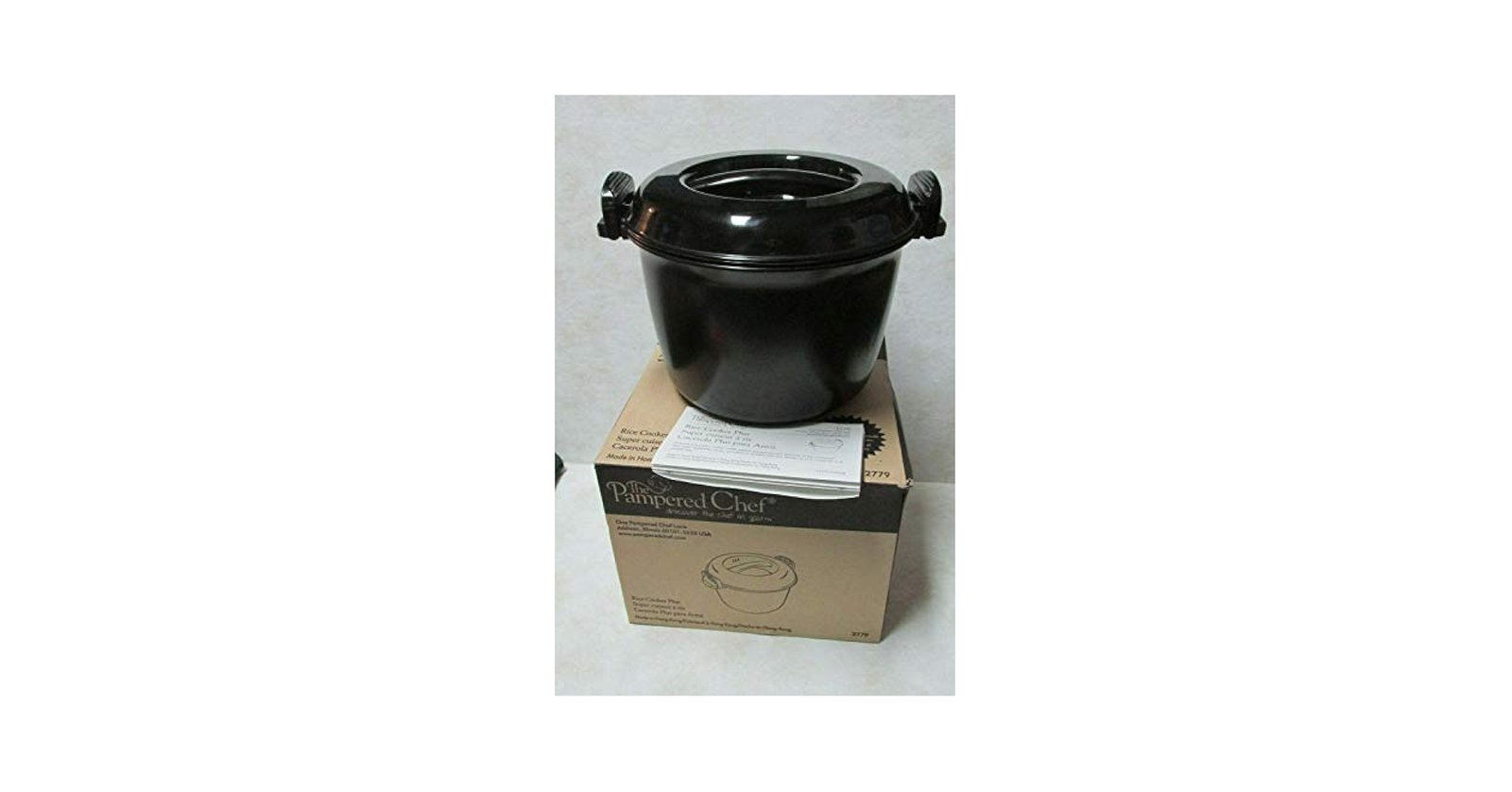
Have you ever wondered how your rice cooker knows exactly when to stop cooking your rice perfectly every time? It might seem like magic, but there’s a clever science behind it.
Understanding how your rice cooker works can help you get better results and avoid soggy or burnt rice. Keep reading, and you’ll discover the simple yet smart technology that makes your rice cooker so reliable—and how you can use it to make your meals even better.

Credit: www.tasteofhome.com
Rice Cooker Basics
Understanding the basics of a rice cooker can change how you approach cooking rice at home. These appliances seem simple, yet they use smart mechanisms to deliver perfect rice every time. Knowing what goes on inside helps you appreciate why your rice cooker stops cooking exactly when it should.
Key Components
A rice cooker typically has a few essential parts working together:
- Inner Pot:This is where you add rice and water. It’s usually non-stick for easy cleaning.
- Heating Plate:Located beneath the inner pot, it heats the pot evenly to cook the rice.
- Thermostat Sensor:This component monitors the temperature and tells the cooker when to stop heating.
- Lid:It traps steam and helps regulate cooking temperature.
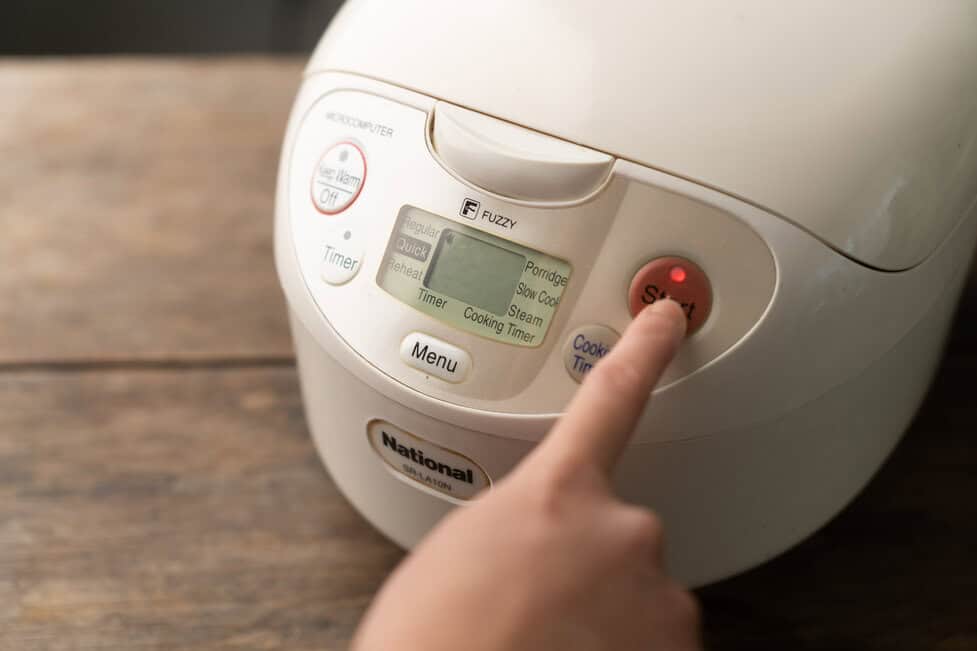
- Control Panel:Some models have simple on/off switches, while others offer timers and cooking modes.
Each part plays a vital role in making sure your rice cooks properly without burning or sticking.
Types Of Rice Cookers
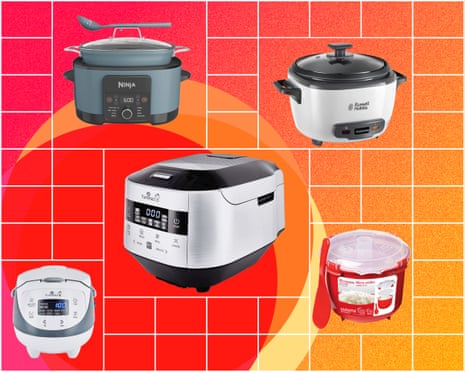
Not all rice cookers are created equal. You’ll find several types designed for different needs:
- Basic Rice Cookers:These are straightforward appliances with a simple on/off function. They rely mostly on the thermostat sensor to stop cooking.
- Micom Rice Cookers:Short for “microcomputer,” these models use advanced sensors and microchips to adjust cooking times and temperatures automatically.
- Induction Heating Rice Cookers:They use magnetic fields to heat the inner pot directly, offering more precise temperature control and better rice texture.
- Pressure Rice Cookers:These apply pressure inside the pot, cooking rice faster and often making it softer and fluffier.
Have you ever wondered why rice sometimes turns out mushy or dry? Choosing the right type of rice cooker can make a noticeable difference in your cooking results.
How Rice Cooking Works
Understanding how rice cooking works helps you appreciate the clever design behind a rice cooker. It’s not just about heating water and rice; it’s about managing temperature and moisture carefully. This balance ensures your rice comes out perfect every time, without you having to watch the pot.
Role Of Water And Heat
Water is the key player in cooking rice. It absorbs heat and transfers it to the rice grains, causing them to swell and soften. The amount of water you add affects how fluffy or sticky your rice becomes.
Heat controls the cooking speed. As the water heats up, it eventually reaches boiling point, which cooks the rice. But what happens when the water runs out? That’s where the rice cooker’s smart sensor steps in.
Cooking Process Stages
The cooking process has clear stages that a rice cooker detects through temperature changes. Initially, the water heats up while the temperature stays around 100°C (212°F) due to boiling water.
Once all the water is absorbed or evaporated, the temperature inside the cooker starts to rise above boiling. The cooker senses this increase and knows the rice is done. This triggers it to switch off or shift to a warming mode.
Have you noticed how your rice cooker doesn’t just cook but also keeps the rice warm without burning it? This temperature-based control makes that possible, ensuring your rice stays fresh until you’re ready to eat.
Sensors Inside A Rice Cooker
Rice cookers rely on smart sensors to know exactly when your rice is perfectly cooked. These sensors monitor changes during the cooking process and signal the cooker to stop heating at the right moment. Understanding these sensors gives you insight into why your rice cooker rarely overcooks or undercooks your meal.
Temperature Sensors
Temperature sensors inside the rice cooker detect how hot the inner pot gets as the rice cooks. Initially, water absorbs heat and stays at boiling point—212°F (100°C). The sensor keeps track of this steady temperature during the cooking phase.
Once the water evaporates, the temperature inside the pot rises quickly because the rice starts to dry out. The temperature sensor notices this sudden increase and sends a signal to stop the heating. This smart detection helps you avoid burning the rice or leaving it too wet.
Thermostat Function
The thermostat acts like the brain that interprets signals from the temperature sensor. It controls when the cooker switches from "cooking" mode to "keep warm" mode based on temperature changes. This simple but effective function means you don’t have to monitor the pot constantly.
Think about times you’ve left rice unattended, yet it turns out fluffy and perfectly cooked. That’s the thermostat doing its job without you lifting a finger. It helps maintain the ideal texture by stopping the cooking process right when the rice is ready.
Detecting Water Absorption
Rice cookers detect water absorption to know when to stop cooking. The rice absorbs water as it cooks. This changes the temperature inside the cooker. Sensors track these changes closely. They help the cooker decide the perfect cooking time. This process ensures the rice is neither undercooked nor overcooked.
Temperature Changes During Cooking
At the start, the water and rice heat together. The temperature stays near 100°C (212°F) while water boils. The cooker’s sensor measures this steady temperature. As the rice absorbs water, less free water remains. The temperature then rises above 100°C. This change signals the cooker that water is almost gone.
Signal To Stop Cooking
When the temperature rises, the cooker knows to stop. It sends a signal to the heating element to turn off. This prevents the rice from burning or drying out. The cooker may switch to a "keep warm" mode. This keeps the rice warm without cooking more. Sensors ensure perfect rice every time.
Automatic Shutoff Mechanism
The Automatic Shutoff Mechanism in rice cookers is a smart feature. It ensures the rice cooks perfectly every time. This mechanism relies on simple physics. It senses changes in temperature and steam. Once the rice is ready, the cooker stops automatically. This prevents overcooking and saves energy. Understanding how this mechanism works can enhance your cooking experience.
How The Cooker Reacts
Rice cookers use a built-in thermostat to monitor temperature. As the water absorbs and evaporates, the temperature rises. Once it reaches a certain level, the cooker detects it. This signals the cooker to switch to warm mode or shut off. The process is quick and efficient. It ensures rice is cooked evenly without supervision.
Safety Features
Safety is a priority in rice cooker design. The automatic shutoff mechanism prevents overheating. It reduces the risk of burnt rice and fire hazards. Many cookers have a thermal fuse for added protection. This fuse cuts power if the cooker overheats. These features make rice cookers safe for everyday use. They provide peace of mind to users.
Credit: www.hungryhuy.com
Advanced Technology In Modern Rice Cookers
Modern rice cookers use advanced technology to cook rice perfectly every time. These devices sense heat and moisture to know exactly when the rice is done. This precision comes from smart electronic systems inside the cooker. These systems adjust cooking time and temperature automatically. The result is fluffy rice without any guesswork or overcooking.
Fuzzy Logic And Microcontrollers
Fuzzy logic allows rice cookers to make smart decisions. It works like a simple brain, analyzing temperature and cooking time. The microcontroller acts as the control center. It receives data from sensors and changes heat levels accordingly. This process helps the cooker adapt to different types of rice. It also corrects small errors during cooking. The rice cooker can slow down or speed up the process. This ensures the rice is cooked evenly and tastes great.
Pressure And Induction Cooking
Some rice cookers use pressure to cook rice faster. Pressure increases the boiling point of water. This cooks rice more quickly and evenly. Induction cooking uses magnetic fields to heat the pot. This method heats faster and controls temperature better than traditional heating. It allows precise adjustments during cooking. Both pressure and induction cooking improve the quality of rice. They also save energy and reduce cooking time.
Troubleshooting Common Issues
Rice cookers are designed to make cooking rice effortless, but sometimes they don’t behave as expected. Troubleshooting common issues can save you time and frustration. Understanding why your rice cooker stops too early or overcooks your rice will help you get perfect results every time.
Why It Might Overcook
If your rice cooker keeps overcooking, it might be due to excess water or a faulty sensor. Too much water makes the cooker think the rice isn’t done, so it keeps heating. Check the water-to-rice ratio carefully—small changes can affect the cooking time significantly.
Another reason could be residue or dirt on the heating plate or sensor. This buildup can interfere with the sensor’s ability to detect the temperature properly. Cleaning these parts regularly can prevent overcooking.
Have you ever noticed your rice cooker running hot for longer than usual? Try unplugging it for a few minutes and restarting; sometimes the sensor needs a reset.
When It Stops Too Early
When your rice cooker stops cooking too soon, the rice might be undercooked or hard. This can happen if the sensor overheats prematurely or if the lid isn’t sealed tightly. Steam escaping from the lid can trick the cooker into thinking the rice is done.
Another common cause is using the wrong type of rice or a very small amount. Some rice cookers struggle to detect the correct cooking time for small portions or unfamiliar rice types. Adjusting the water level or cooking time manually might be necessary in these cases.
Try testing your rice cooker with a standard white rice recipe to see if the problem persists. This simple test can help you determine if the issue lies with the cooker or the ingredients you’re using.
Credit: www.theguardian.com
Frequently Asked Questions
How Does A Rice Cooker Detect When Rice Is Cooked?
A rice cooker senses temperature changes inside the pot. When water is absorbed or evaporated, the temperature rises. This signals the cooker to stop heating and switch to keep-warm mode, ensuring perfectly cooked rice without burning or overcooking.
What Technology Helps Rice Cookers Stop Automatically?
Most rice cookers use a thermostat or thermal sensor. This sensor monitors the pot's temperature closely. Once the water evaporates, the temperature spikes, triggering the cooker to stop heating. This smart technology prevents overcooking and maintains rice texture.
Can A Rice Cooker Stop If Water Boils Away?
Yes, it can. When all water is absorbed or evaporated, the pot temperature increases sharply. The rice cooker detects this heat change and shuts off or switches to warming mode. This automatic stop protects rice from burning.
Why Doesn’t Rice Cooker Overcook Rice After Stopping?
Rice cookers switch to a low-heat keep-warm mode after cooking. This mode keeps rice warm without further cooking it. The temperature stays below boiling, preserving rice texture and flavor without drying or burning.
Conclusion
Rice cookers stop cooking by sensing when water is gone. This helps the rice cook perfectly every time. The heating plate detects temperature changes to decide when to turn off. This simple method saves time and prevents burnt rice. Understanding this makes using a rice cooker easier.
Now, you know why your rice cooker works so well. Enjoy your perfectly cooked rice with no guesswork. Simple technology with smart results.