Have you ever wondered how to care for those beautiful glass eggs in your home or garden? You might think they need special treatment, but the truth is simpler than you expect.
Knowing how to water glass eggs the right way can keep them looking stunning and vibrant for a long time. If you want to learn the easy steps to keep your glass eggs shining and thriving, keep reading—your secret to effortless care starts here.
What Are Glass Eggs
Glass eggs are a fascinating and low-maintenance alternative to traditional plants. These smooth, translucent orbs are made from glass but serve as miniature self-watering planters. They hold water inside and slowly release it to the roots of small plants or seedlings, making them perfect for busy gardeners or anyone who tends to forget watering.
What Are Glass Eggs Made Of?
Glass eggs are crafted from durable, clear glass that allows you to see the water level inside. Some designs feature a small opening or a removable top to add water easily. The glass is non-porous, which means it holds moisture efficiently and reduces evaporation.
How Do Glass Eggs Work?
The secret behind glass eggs is their ability to regulate water release. Inside, water sits in a reservoir and slowly seeps out through the plant’s roots or a wick, providing consistent hydration. This slow watering method prevents overwatering and root rot, common problems with regular pots.
What Plants Thrive In Glass Eggs?
Glass eggs suit small plants that don’t require much soil or frequent watering. Succulents, air plants, and small herbs often do well. These plants benefit from the gentle, steady moisture and the unique environment the glass egg creates.
Why Choose Glass Eggs Over Traditional Pots?
- Low maintenance:They reduce the need for daily watering.
- Visual appeal:Their clear design adds a modern, stylish touch to your space.
- Water efficiency:They use water sparingly and reduce waste.
If you’ve struggled with keeping plants alive due to inconsistent watering, glass eggs might be a game-changer. Have you ever wondered how a tiny glass orb could simplify your gardening routine?
Credit: hopewellheightsblog.com
Why Watering Glass Eggs Matters
Watering glass eggs is important to keep them looking bright and clear. These decorative items can gather dust and lose their shine over time. Proper watering helps maintain their unique glow and beauty.
Besides appearance, watering glass eggs prevents damage. Dust and dirt can scratch the surface if not cleaned carefully. Moisture also stops the glass from becoming brittle and fragile.
Maintaining Shine And Clarity
Watering removes dust and grime that dull glass eggs. Clean surfaces reflect light better, making the eggs look vibrant. Regular watering keeps the colors vivid and the glass clear.
Preventing Surface Damage
Dust particles can cause small scratches if left too long. Watering gently cleans the surface without harsh rubbing. This protects the eggs from permanent marks and wear.
Extending Lifespan Of Glass Eggs
Moisture prevents glass from drying out and cracking. Well-maintained eggs last longer and stay beautiful. Simple watering routines add years to their life.
Enhancing Decorative Appeal
Clean glass eggs brighten any space or display. Watering keeps them fresh and eye-catching. This boosts their role as charming decor pieces.
Ideal Watering Frequency
Knowing the ideal watering frequency for glass eggs can be tricky. Watering too often may cause mold, while too little can dry them out. Finding the right balance helps your glass eggs maintain their beauty and longevity.
Assessing Your Environment
Think about the climate where you keep your glass eggs. Are you in a humid place or a dry one? Higher humidity means less frequent watering, while dry air calls for more attention.
During winter months, indoor heating can dry out the air significantly. I noticed my glass eggs needed watering every 10 days in winter, but only once every two weeks in summer. How often do you check the moisture around your glass eggs?
Signs Your Glass Eggs Need Water
Look closely at the surface of your glass eggs. If they start looking dull or dusty, it might be time to add moisture. Another sign is if you feel the glass is warmer than usual, indicating dryness.
Touching the eggs daily helps you spot these subtle changes. You don’t want to wait until cracks or chips appear. How often do you inspect your glass eggs for these signs?
Recommended Watering Schedule
| Season | Watering Frequency | Notes |
|---|---|---|
| Spring & Summer | Every 10-14 days | Check humidity levels to adjust as needed |
| Fall | Every 14-21 days | Less frequent watering, watch for dryness |
| Winter | Every 7-10 days | Indoor heating may require more frequent watering |
Following this schedule helped me keep my glass eggs in top shape without overwatering. Adjust based on your home's conditions and your observations.
Best Watering Techniques
Watering glass eggs requires care and the right techniques. These delicate plants need moisture without overwatering. Proper watering helps the eggs stay healthy and vibrant. Using the best watering methods keeps them hydrated and prevents damage.
Using Spray Bottles
Spray bottles deliver a gentle mist to glass eggs. This method avoids soaking the plant’s base. It provides enough moisture for the leaves and surface. Spray in the morning to allow drying during the day. Keep the spray light to prevent water buildup.
Soaking Method
Soaking glass eggs means placing them in water briefly. Fill a container with water and set the eggs inside for 10-15 minutes. This lets the plant absorb water through its roots. Remove the eggs and let excess water drain. Avoid leaving them in water too long to prevent rot.
Watering From The Bottom
Watering from the bottom helps roots drink without wetting leaves. Place the glass egg pot in a shallow dish of water. Let it sit for about 20 minutes to absorb moisture. Remove the pot and allow any extra water to drain. This technique reduces leaf damage and overwatering risks.
Water Quality And Temperature
Water for glass eggs should be clean and free from chemicals. Use room temperature water to avoid cracking or damage. Gently rinse eggs to keep their surface clear and shiny.
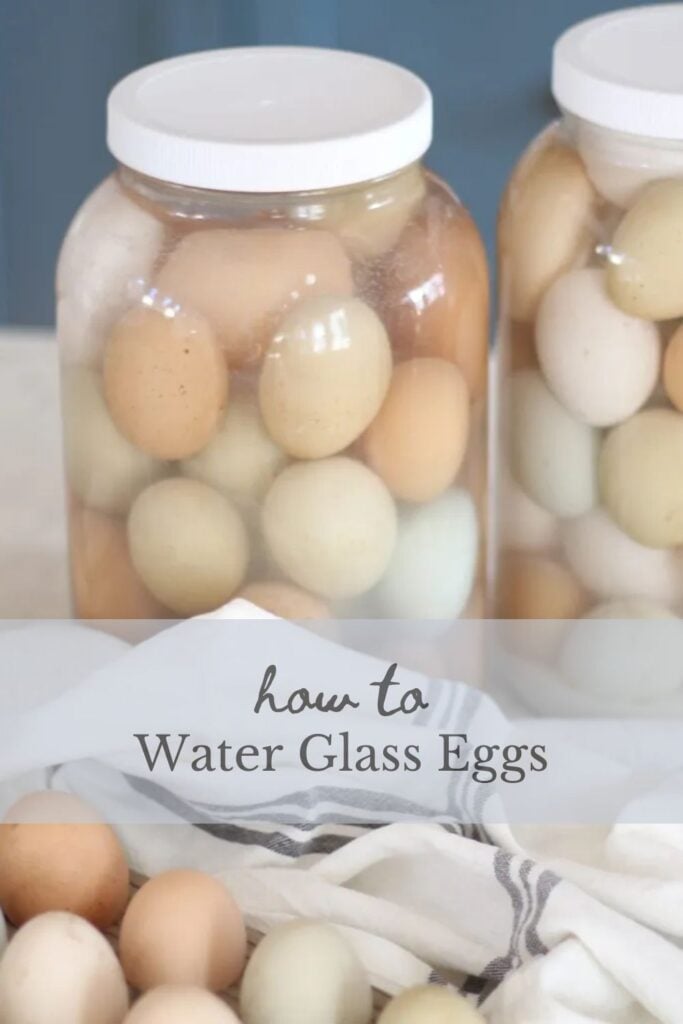
Water quality and temperature play key roles in water glassing eggs. The right conditions ensure safe storage and long-lasting preservation. Let's explore the details needed to maintain these essential factors.
Water Purity
Use clean, non-chlorinated water for water glassing eggs. Chlorine can affect the lime solution's efficiency. If using tap water, let it sit out for 24 hours to allow chlorine to evaporate. Alternatively, use distilled or filtered water. This ensures no impurities interfere with the preservation process.
Water Temperature
Maintain a consistent room temperature for the water. Extreme temperatures can impact the lime's ability to preserve eggs. Cold water may slow the preservation process. Hot water might damage the eggshells. Aim for a temperature between 65°F and 75°F for best results.
Ph Levels
Check the water's pH level before use. Ideal pH should be neutral to slightly alkaline. A pH level between 7 and 8 is preferred. This range helps maintain the lime solution's effectiveness. Use pH strips for easy testing at home.
Water-to-lime Ratio
The right water-to-lime ratio is crucial. Mix one ounce of lime per quart of water. This balance ensures proper egg preservation. The solution should cover the eggs completely. Stir the mixture well to dissolve the lime fully.
Storage Conditions
Store the water glassed eggs in a cool, dark place. Avoid direct sunlight and high temperatures. These conditions help maintain the water quality. They prevent spoilage and prolong egg freshness.

Credit: forksinthedirt.com
Signs Of Overwatering And Underwatering
Knowing the signs of overwatering and underwatering is crucial for keeping your glass eggs healthy. These unique plants have specific moisture needs that, if ignored, can quickly affect their appearance and growth. Paying close attention to how your glass eggs respond to watering will help you adjust your care routine effectively.
Signs Of Overwatering
Overwatering glass eggs often leads to soft, mushy leaves that lose their firmness. You might notice a yellowing color spreading across the leaves, which is a clear distress signal. The soil or growing medium staying wet for too long can cause root rot, which smells unpleasant and causes the plant to weaken.
Have you ever felt your plant's leaves were too soft or slimy? That’s a strong indication you’re giving it too much water. Also, if the glass eggs start to develop mold or fungus on the surface, it’s time to cut back on watering and improve air circulation.
Signs Of Underwatering
Underwatering shows up as shriveled, wrinkled leaves that look dry and brittle. The glass eggs will appear dull and lifeless, lacking their usual glossy sheen. You might also find the growing medium pulling away from the sides of the container, signaling that it’s too dry.
If you notice your glass eggs are not plumping up after watering, it could mean they’ve suffered from dehydration. These plants store water in their leaves, so if the leaves feel hard and crispy, it’s time to increase your watering frequency. Are you letting the soil dry out completely between waterings, or is it just a surface dry?
Common Mistakes To Avoid
Watering glass eggs might seem straightforward, but there are several common mistakes that can harm your plants or ruin the decorative appeal. Avoiding these errors will help you maintain healthy greenery and keep your glass eggs looking their best. Let’s look at the pitfalls you should watch out for to make watering easier and more effective.
Overwatering And Underwatering
One of the biggest challenges is finding the right balance between too much and too little water. Glass eggs don’t have drainage holes, so excess water can pool and drown the roots, leading to rot. On the other hand, underwatering causes the soil to dry out completely, stressing your plant and causing leaf drop.
Ask yourself: Is the soil moist but not soggy? If you’re unsure, touch the soil surface before watering. Your plants will thank you for this simple check.
Using The Wrong Water Temperature
Many gardeners overlook water temperature, but it matters. Cold water can shock roots, especially if your glass egg plants prefer warm conditions. Lukewarm or room temperature water helps roots absorb moisture without stress.
Think about how you feel drinking cold water on a chilly day—your plants feel something similar. Adjust your watering routine to match their needs.
Ignoring Water Quality
Tap water may seem convenient, but it often contains chemicals like chlorine or fluoride that can harm sensitive plants. Glass eggs with delicate species can show signs of stress if watered with untreated water. Using filtered or rainwater can make a big difference in plant health.
Have you noticed yellowing leaves or stunted growth? It might be time to rethink your water source.
Watering At The Wrong Time Of Day
Watering your glass eggs during the hottest part of the day can cause rapid evaporation and even burn the leaves. Early morning or late afternoon watering allows plants to absorb moisture efficiently. This timing reduces water waste and promotes stronger root systems.
Consider adjusting your schedule to when the sun is lower. Your plants will use the water more effectively.
Neglecting To Clean The Glass Eggs
Water spots and algae buildup on glass eggs can block sunlight and affect the plant’s growth. It’s easy to forget, but regular cleaning keeps your display attractive and helps plants thrive. Use a soft cloth and mild soap to wipe the surface gently.
Do you spend time caring for the plant but overlook the container? Cleaning your glass eggs is part of proper plant care.

Credit: forksinthedirt.com
Additional Care Tips For Glass Eggs
Proper care is essential for maintaining the quality of water glass eggs. Ensuring optimal conditions can extend their shelf life. Let's explore some additional care tips to keep your glass eggs in perfect condition.
Lighting Conditions
Store water glass eggs in a dark area. Direct sunlight can affect their quality. Use opaque containers to block light. This will help preserve the eggs longer.
Humidity Control
Keep humidity levels low around your stored eggs. High moisture can spoil the eggs. A dehumidifier can help maintain the right balance. Check regularly to ensure the environment stays dry.
Temperature Guidelines
Maintain a cool temperature for your glass eggs. The ideal range is between 50°F and 68°F. Avoid placing them near heat sources. Consistent coolness ensures longevity.
Frequently Asked Questions
How Often Should You Water Glass Eggs?
Water glass eggs should be checked every 3-5 days. Keep the water level consistent to prevent exposure. Change the water weekly to maintain freshness and avoid contamination.
What Type Of Water Is Best For Glass Eggs?
Use clean, room temperature water for glass eggs. Avoid tap water with chlorine or additives. Distilled or filtered water is ideal to preserve egg quality.
Can Glass Eggs Be Submerged In Water?
Yes, glass eggs can be fully submerged in water. Ensure the container is airtight to prevent bacteria growth. Submersion helps maintain moisture and prolongs egg freshness.
How To Tell If Glass Eggs Need Watering?
Check water level regularly; it should cover eggs completely. If water evaporates or looks cloudy, refill or replace it. Proper hydration keeps eggs safe for longer storage.
Conclusion
Watering glass eggs is simple and requires gentle care. Use a soft cloth or spray bottle with water. Avoid soaking or using harsh chemicals on the eggs. Keep them in a cool, dry place after watering. Regular light misting helps maintain their shine and beauty.
Treat your glass eggs with patience and care. Small steps keep them looking great for years. Enjoy the unique charm these delicate items bring to your space.