
Are you ready to unlock the full potential of your Miele induction cooktop but don’t know where to start? Turning it on might seem tricky at first, but once you know the simple steps, you’ll be cooking like a pro in no time.
Imagine having precise control over your cooking heat at your fingertips, making every meal perfect. You’ll discover exactly how to turn on your Miele induction cooktop quickly and effortlessly. Keep reading, and you’ll be ready to enjoy smooth, efficient cooking every day.
Locate The Control Panel
Locating the control panel on your Miele induction cooktop is the first step to powering it on. This panel holds all the buttons and settings that allow you to operate the cooktop efficiently. Knowing exactly where and how to find it saves you time and prevents frustration.
Identify The Cooktop’s Front Edge
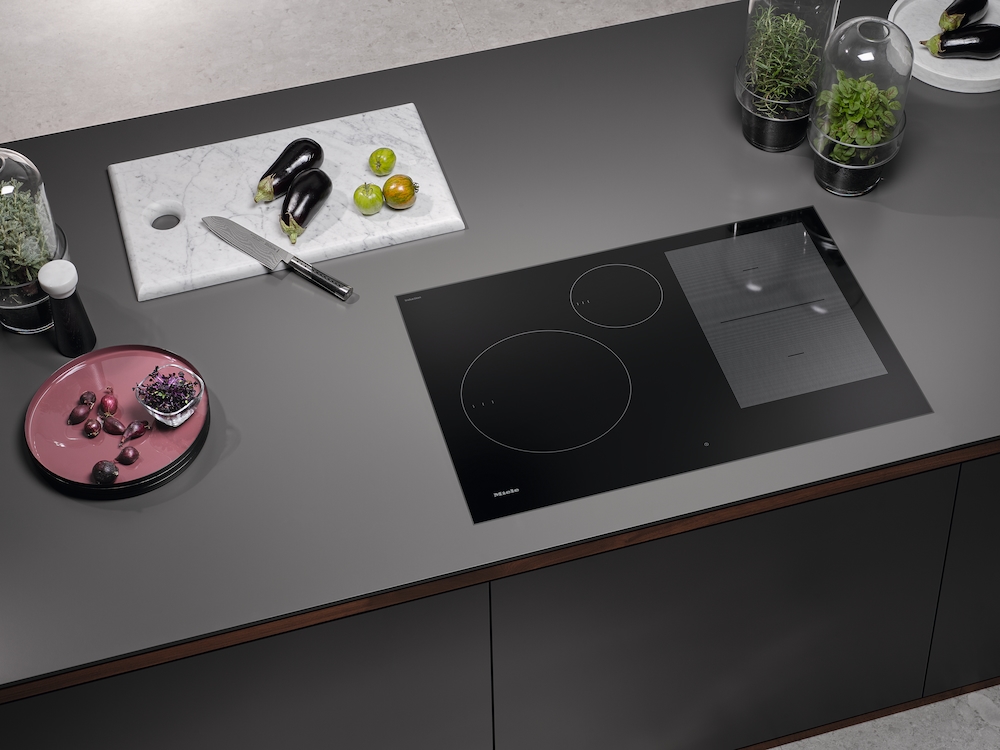
The control panel is usually placed along the front edge of the cooktop. It might be a sleek strip embedded into the surface, often flush with the glass top for a seamless look.
Sometimes, it can be slightly raised or highlighted with symbols to make it easier to spot. Take a moment to run your hand along the front edge to feel for buttons or touch-sensitive areas.
Look For Touch-sensitive Buttons Or Icons
Miele induction cooktops typically feature touch controls rather than physical knobs. You’ll see icons representing power, heat levels, and other functions.
These icons light up when the cooktop is ready to use, guiding you through the process. If you don’t see any lights, the cooktop might be in standby mode or powered off completely.
Check The User Manual For Panel Layout
Your Miele cooktop’s user manual includes detailed images showing exactly where the control panel is located. This can be especially helpful if your model has a unique design.
Refer to the manual to familiarize yourself with the button functions before powering on. Understanding the layout ensures you won’t accidentally activate the wrong setting.
Observe Any Safety Locks Or Indicators
Some Miele models come with safety locks or child locks on the control panel to prevent accidental activation. Look for a lock icon or a small LED light indicating if the panel is locked.
If you find the panel locked, you’ll need to unlock it before turning on the cooktop. This extra step protects you and your family but can confuse first-time users.
Powering On The Cooktop
Powering on your Miele induction cooktop is the first step to enjoying its precise and efficient cooking capabilities. This process is designed to be intuitive, allowing you to get started quickly without fuss. Understanding how to activate the cooktop properly ensures you maximize its performance and safety features from the very beginning.
Locating The Main Power Button
Look for the main power button, usually marked with a universal power symbol (a circle with a vertical line). It's typically positioned on the front edge or center panel of your cooktop.
Press this button gently to wake the cooktop from standby mode. If nothing happens, check that the appliance is properly plugged in and that your kitchen’s circuit breaker is on.
Understanding The Control Panel Display
Once powered on, the control panel lights up, showing you the available cooking zones and settings. This digital display provides feedback, such as temperature levels or error messages.
Take a moment to familiarize yourself with the symbols and indicators on the panel. Knowing what each icon means can save you time and prevent mistakes during cooking.
Activating A Cooking Zone
After powering on, select the cooking zone you want to use by touching its corresponding area on the control panel.
You will then be able to adjust the heat level using the plus (+) and minus (–) buttons or a slider, depending on your model. This immediate responsiveness allows you to control your cooking precisely from the start.
Troubleshooting Power Issues
If your cooktop doesn’t turn on, check for these common issues:
- Power supply: Ensure the cooktop is securely plugged in and the outlet is functional.
- Child lock: Some models have a safety lock that prevents accidental activation—make sure it’s off.
- Reset: Try turning off the cooktop completely and unplugging it for a few minutes, then power it on again.
Have you ever been puzzled by a device that won’t start? Knowing these quick checks can save you frustration and get your cooktop ready fast.
Selecting The Cooking Zone
Selecting the cooking zone on a Miele induction cooktop is simple and precise. Each cooking zone corresponds to a specific area on the cooktop surface. Choosing the correct zone ensures efficient heating and safety during cooking.
The cooktop usually displays clear markings for each zone. These markings help you identify the exact area to place your cookware. Proper placement is important for the induction to work properly.
Select The Zone By Touch Controls
The cooktop has touch controls below each cooking zone. Lightly press the control panel to activate the desired zone. The zone will light up, indicating it is ready for use.
Adjust The Cooking Zone Size
Some Miele induction cooktops allow adjusting the zone size. Use the controls to match the cookware base size. This adjustment saves energy and improves heat distribution.
Check For Zone Activation Indicators
When a zone is selected, the display shows a number or light. This confirms the zone is active and ready to heat. If no indicator appears, try selecting the zone again.
Use The Bridge Function For Larger Cookware
The bridge function joins two cooking zones. This creates one large zone for wide pans or griddles. Activate this feature through the touch controls for even heating.

Credit: www.reddit.com
Adjusting Heat Settings
Adjusting heat settings on a Miele induction cooktop is simple and precise. The cooktop uses touch controls to change the heat level. This allows for quick changes during cooking.
You can control heat from low to high with ease. The digital display shows the exact level, helping you cook perfectly every time.
Using The Touch Slider To Change Heat
The cooktop features a touch slider for adjusting heat. Slide your finger along the scale to increase or decrease temperature. The slider responds instantly to your touch.
This method provides smooth and gradual control. It helps avoid sudden changes that can burn food.
Setting Specific Heat Levels
You can tap on specific numbers to set heat precisely. The cooktop usually has levels from 1 to 9 or more. Level 1 is low heat, good for simmering.
High numbers are for boiling or frying. Choose the number that fits your cooking needs quickly.
Using The Timer With Heat Settings
The timer can work together with heat settings. Set the heat, then the timer to cook for a fixed time. The cooktop will turn off or reduce heat when time ends.
This feature helps avoid overcooking and saves energy. It is perfect for recipes that need exact cooking times.
Using The Timer Function
The timer function on a Miele induction cooktop helps control cooking time precisely. It switches the cooktop off after the set time. This feature improves safety and prevents overcooking. Using the timer is simple and adds convenience to your cooking routine.
Activating The Timer
Start by turning on the cooktop. Select the cooking zone you want to use. Press the timer button on the control panel. Use the plus and minus buttons to set the desired cooking time. The timer will count down once set.
Adjusting The Timer During Cooking
You can change the timer setting while cooking. Press the timer button again to highlight the time. Use the plus or minus buttons to adjust the minutes. The cooktop will update the timer immediately.
Stopping Or Cancelling The Timer
To stop the timer, press the timer button until the display shows zero. You can also turn off the cooking zone to cancel the timer. The cooktop will return to normal operation without the timer.
Benefits Of Using The Timer Function
- Prevents food from burning or boiling over
- Allows multitasking without constant monitoring
- Increases safety by automatically switching off zones
- Helps in following precise cooking times for recipes
Credit: www.mieleusa.com
Safety Features To Know
Safety features on a Miele induction cooktop include automatic shut-off and child lock functions. These help prevent accidents and ensure safe cooking. Turning on the cooktop usually requires pressing the power button and selecting the cooking zone.
When you're stepping into the world of induction cooking, safety is a top priority. Miele induction cooktops are designed with several safety features that not only protect you but also make your cooking experience more enjoyable. Understanding these features can help you cook with confidence and ensure that your kitchen remains a safe space.
Automatic Shut-off
Miele cooktops come with an automatic shut-off feature that turns off the hob if it's been left on for an extended period. This is particularly useful if you're someone who often multitasks in the kitchen. Have you ever stepped out of the kitchen, only to forget about the simmering soup? With automatic shut-off, you can reduce the risk of accidents and energy waste.
Overheat Protection
The overheat protection feature ensures that the cooktop doesn't get too hot. If the temperature exceeds a safe level, the cooktop will automatically reduce the power or shut off. This can be a lifesaver during those busy dinner preparations when multiple dishes are cooking simultaneously.
Child Lock
If you have curious little ones at home, the child lock function can be invaluable. It prevents accidental operation of the cooktop by children. Simply activate the child lock, and rest assured that your cooktop won't turn on unintentionally, giving you peace of mind.
Residual Heat Indicator
The residual heat indicator is a clever safety addition that alerts you if a cooking zone is still hot after being turned off. This feature helps prevent accidental burns. Always check the indicator before touching the cooktop surface or placing items on it.
Pan Recognition
Miele's pan recognition feature ensures that the cooktop only activates when a suitable pan is placed on it. This means you won't waste energy or heat the surrounding area unnecessarily. It's a smart way to ensure efficient cooking while maintaining safety. These safety features are designed to enhance your cooking experience, making it both safe and efficient. Have you experienced a situation where one of these features saved the day? Share your story and let others know just how beneficial these features can be.
Troubleshooting Common Issues
Troubleshooting common issues with your Miele induction cooktop can save you time and frustration. Sometimes, the cooktop might not turn on or respond as expected, but many problems have simple fixes. Understanding these issues helps you get back to cooking quickly without needing professional help.
Checking Power Supply And Connections
First, ensure your cooktop is properly plugged in and the power supply is active. Sometimes, the outlet might seem fine but has no current due to a tripped breaker or a blown fuse. Have you ever found that flipping the breaker back on immediately fixed the issue? It’s a quick check that often gets overlooked.
Also, inspect the power cord for any visible damage. A damaged cord can prevent your cooktop from turning on and may pose a safety risk. If you spot any fraying or cuts, avoid using the appliance until the cord is replaced.
Understanding The Control Lock Feature
The control lock feature is designed to prevent accidental changes, especially if you have kids around. If your cooktop doesn’t respond to touch, it might be locked. Did you know pressing and holding the lock symbol for a few seconds usually disables this feature?
Try toggling the control lock on and off to see if it restores responsiveness. This simple step can save you from thinking your cooktop is broken when it’s really just locked.
Using Compatible Cookware
Your cooktop won’t turn on if it doesn’t detect the right cookware. Induction technology requires pots and pans made of magnetic material. Have you tested your cookware by placing a magnet on the bottom? If it sticks, it’s compatible.
Using non-compatible cookware is one of the most common reasons for the cooktop not activating. If your pan isn’t detected, try switching to a different one and see if the problem resolves.
Resetting The Cooktop
Sometimes, the cooktop needs a simple reset to clear error codes or glitches. Unplug your cooktop or turn off the circuit breaker for about 60 seconds, then power it back on. This can often restore normal function.
If resetting doesn’t work, check the user manual for error codes displayed on the cooktop screen. These codes can guide you to specific issues, like overheating or sensor faults, and suggest what to do next.

Credit: www.mieleusa.com
Frequently Asked Questions
How Do I Start A Miele Induction Cooktop?
To start, press the power button on the cooktop. Place a compatible pan on the cooking zone. Then, select the desired heat setting using the touch controls.
What Type Of Cookware Works On Miele Induction Cooktops?
Miele induction cooktops require magnetic cookware. Use pans made of cast iron or stainless steel with a flat bottom. Avoid aluminum or glass pans as they won’t heat properly.
How Do I Adjust Heat On A Miele Induction Cooktop?
After turning on the cooktop, use the slider or plus/minus buttons. Adjust the heat level to your preferred cooking temperature easily. The display shows the current heat setting.
Why Won’t My Miele Induction Cooktop Turn On?
Check if the cooktop is plugged in and the power is on. Ensure the cookware is induction-compatible and placed correctly. If issues persist, consult the user manual or contact support.
Conclusion
Turning on a Miele induction cooktop is quick and simple. Just follow the basic steps to start cooking safely. Always check the cooktop is clean before use. Use the control panel to select the right heat level. Remember, induction cooktops heat fast and save energy.
Practice a few times to feel confident using it. Soon, cooking with your Miele induction cooktop will feel natural and easy. Enjoy preparing meals with this modern kitchen tool every day.


