Are you tired of your slow cooker beef stew turning out watery and thin? You’re not alone.
Many people struggle with getting that perfect, hearty thickness that makes stew so comforting and satisfying. But don’t worry—thickening your beef stew in a slow cooker is easier than you think. You’ll discover simple and effective tricks to transform your stew into a rich, flavorful meal that feels like it’s been simmering all day.
Keep reading, and soon you’ll be serving up the kind of stew that warms both body and soul.
Choosing The Right Thickener
Choosing the right thickener for beef stew in a slow cooker affects texture and flavor. Different thickeners behave uniquely in slow cooking. Some thickeners create a smooth sauce, while others add a slight texture. The choice depends on the result you want and the ingredients you have. Here are common thickeners and how to use them effectively.
Flour And Cornstarch
Flour is a classic thickener that gives a hearty texture. Mix flour with a little cold water before adding it to the stew. This prevents clumps. Cornstarch creates a clear, glossy sauce. It thickens quickly, so add it near the end of cooking. Stir well to avoid lumps. Both thickeners work well but need different timing.
Arrowroot And Tapioca
Arrowroot powder thickens at low temperatures and stays clear. It is good for slow cooker stews with delicate flavors. Tapioca, especially instant tapioca, adds body and slight chewiness. It also holds up well after reheating. Both thickeners dissolve easily and can be added in the last 30 minutes of cooking.
Potato Starch And Instant Mashed Potatoes
Potato starch works similarly to cornstarch but has a silkier finish. Add it towards the end to avoid breaking down. Instant mashed potatoes absorb liquid and thicken quickly. They add a creamy texture and mild potato flavor. Use instant mashed potatoes for a thicker, rustic stew without extra steps.
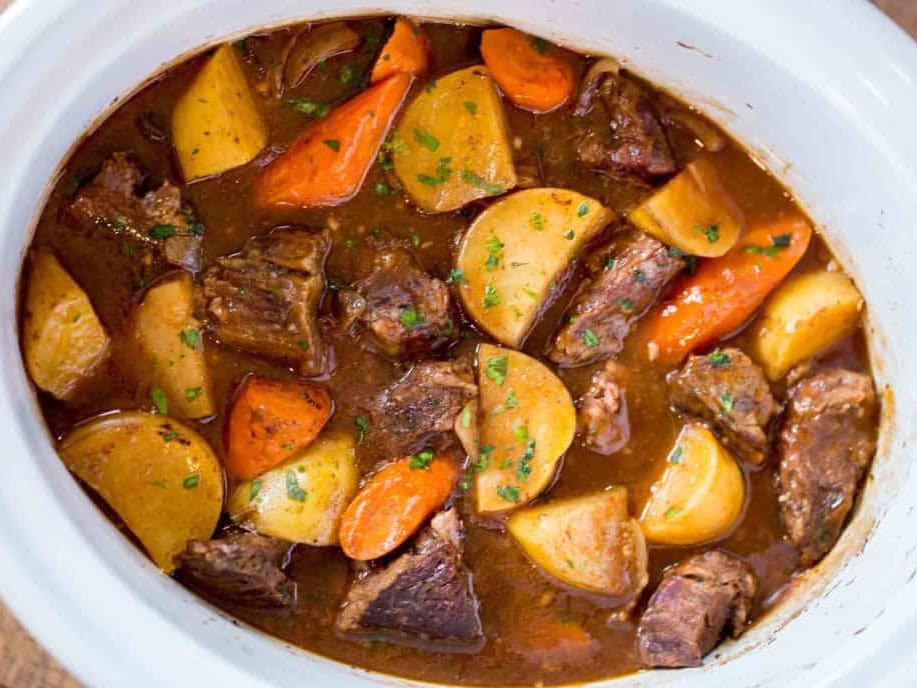
Credit: dinnerthendessert.com
When To Add Thickeners
Knowing when to add thickeners to your beef stew in a slow cooker can change the texture and flavor dramatically. Timing affects how well the thickener blends with the ingredients and how the stew thickens over time. Let’s look at the best moments to add thickeners so your stew turns out perfectly every time.
At The Beginning Of Cooking
Adding thickeners like flour or cornstarch at the start can sometimes lead to a chalky texture. Since slow cookers work on low heat for a long time, the thickener may break down too much and lose its thickening power. Have you noticed your stew getting thinner the longer it cooks? That’s often because the starches lose their grip when added too early.
If you want to try this method, mix the thickener with a bit of cold water first to avoid lumps. Then, stir it in right after adding your liquid. This approach works best if you want a mild thickening effect and are okay with a thinner stew.
Midway Through The Cooking Process
Adding thickeners halfway through the cooking allows them to activate without breaking down completely. Around the 2-3 hour mark, the stew has started to tenderize, and the flavors are developing. This timing can give you a better balance between thickness and flavor.
Try whisking your thickener into a small amount of cold water before stirring it into the stew. This prevents clumps and ensures even distribution. Have you ever tasted stew that felt too watery halfway through cooking? This is a great way to fix that while still letting the meat soften.
Near The End For Best Results
The most effective time to add thickeners is usually near the end of cooking. When the beef is tender and the flavors are rich, adding a thickener lets you control the stew’s consistency precisely. This prevents over-thickening and gives you a glossy, smooth finish.
Mix your thickener with cold water, then stir it into the stew about 15-30 minutes before serving. Give the stew time to cook on high or warm until it thickens up. Have you ever wished you could adjust the thickness just before serving? This method gives you that control.
Techniques For Thickening
Thickening beef stew in a slow cooker improves its texture and flavor. It helps the stew feel richer and more satisfying. Several easy techniques work well for slow cooker stews. These methods allow control over thickness without changing taste.
Making A Slurry
A slurry mixes cold water with a thickener like cornstarch or flour. Stir about one tablespoon of cornstarch into two tablespoons of cold water. Pour the slurry into the slow cooker near the end of cooking. Stir well and cook for 15-30 minutes. The liquid will become glossy and thicker. This method works fast and is simple for beginners.
Using A Roux
A roux is a cooked mixture of fat and flour. Melt butter or use oil in a pan over medium heat. Add an equal amount of flour. Cook while stirring for a few minutes until golden. Slowly whisk the roux into the stew. Let it simmer to thicken. Roux adds a deep flavor and smooth texture to the stew.
Reducing The Liquid
Reducing means cooking the stew uncovered to evaporate water. Remove the lid in the last hour of cooking. This allows steam to escape and thickens the broth naturally. Stir occasionally to prevent sticking. Reducing intensifies flavors as the stew cooks down. It needs more time but uses no extra ingredients.
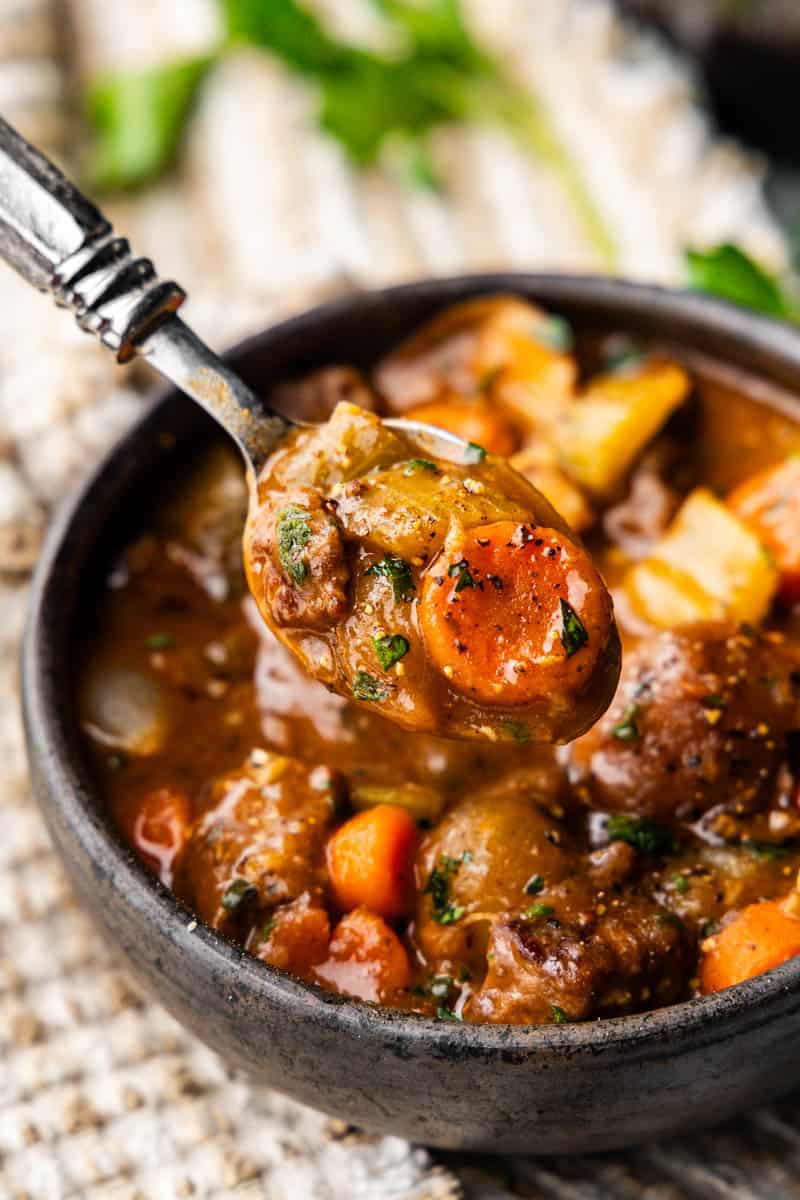
Credit: thestayathomechef.com
Alternative Thickening Methods
Thickening beef stew in a slow cooker can be done using flour, cornstarch, or mashed potatoes. These simple ingredients blend well and create a rich, hearty texture. Stir them in near the end of cooking for best results.
When your beef stew in a slow cooker doesn't reach the desired thickness, it's time to explore alternative thickening methods. These techniques not only enhance the texture but also add depth to the flavor, making every spoonful a delight. Let's dive into some creative ways to achieve that perfect consistency.
Pureeing Vegetables
Have you ever thought about using the vegetables already in your stew to thicken it? By pureeing some of the cooked vegetables, you can add natural thickness and flavor. Simply scoop out a portion of the vegetables, puree them using a blender or food processor, and then stir them back into the stew. This method not only thickens the stew but also ensures no ingredients go to waste. Carrots and potatoes work particularly well for this. Have you tried this trick before?
Adding Mashed Beans Or Lentils
Beans and lentils are excellent thickeners, and they bring a hearty, nutritious boost to your stew. Mash a can of beans or cooked lentils and mix them into the stew. This not only thickens the stew but also adds protein and fiber. Consider using white beans for a subtle taste or lentils for a richer, earthy flavor. This approach can transform your stew into a comforting, filling meal.
Incorporating Instant Potato Flakes
Instant potato flakes are a quick and easy solution for thickening stew without altering its taste. If you haven't used them before, you're in for a surprise. Add a tablespoon at a time, stirring well, and watch as your stew thickens within minutes. This method is perfect for those last-minute adjustments when you need a hassle-free fix. Just be cautious not to add too much, as it can quickly become too thick. Have you experimented with this convenient option?
Tips For Avoiding Common Issues
Thickening beef stew in a slow cooker can be tricky. Some common problems include clumpy texture, unbalanced flavor, and too thick or too thin consistency. Here are simple tips to avoid these issues and enjoy a perfect stew every time.
Preventing Clumps
Mix thickening agents with cold water before adding. This creates a smooth slurry. Add the slurry slowly to the stew while stirring constantly. Avoid adding flour or cornstarch directly to hot stew. Stir well after each addition to keep lumps from forming. Use a whisk if needed to break up any clumps.
Maintaining Flavor Balance
Thickening can mute some flavors. Taste the stew before thickening. Adjust seasoning after adding thickener. Add salt, pepper, or herbs in small amounts. Stir and taste again. Avoid adding too much thickener at once; it can dull flavors. Keep broth rich and balanced for best results.
Avoiding Over-thickening
Start with less thickener than you think you need. The stew will continue to thicken as it cools. Slow cooker heat varies, so check thickness often near the end. Add more liquid if the stew becomes too thick. Use broth or water to thin it out without losing flavor.
Adjusting Consistency After Cooking
After your beef stew has finished cooking in the slow cooker, you might notice that the consistency isn't quite what you expected. Sometimes it’s too thin, other times a bit too thick. Adjusting the stew’s thickness after cooking lets you customize the texture to match your taste perfectly, ensuring every spoonful hits the spot.
Reheating And Thickening
Reheating your stew on the stove can help you control its thickness more easily. As it heats, the liquid reduces, naturally thickening the stew without extra ingredients. Stir frequently to avoid sticking and check the consistency every few minutes.
If it’s still too thin, let it simmer uncovered. This allows excess water to evaporate, concentrating the flavors and thickening the broth. Have you ever noticed how a longer simmer can transform a stew’s texture and depth?
Using Additional Thickeners
Adding thickeners after cooking gives you quick control over your stew’s texture. Common options include:
- Flour or cornstarch slurry:Mix a tablespoon with cold water, then stir it into the hot stew. Heat gently until the stew thickens.
- Instant mashed potatoes:Stir in a small amount to thicken without altering flavor.
- Beurre manié:A paste of equal parts butter and flour worked together, added slowly while stirring.
These thickeners give you a chance to correct thin stew without changing the taste dramatically. What thickener do you keep on hand for last-minute fixes?
Thinning The Stew If Needed
Sometimes your stew might end up thicker than you wanted. Don’t worry—you can thin it down easily. Add small amounts of beef broth, water, or even a splash of wine to loosen the stew.
Stir well and heat gently to blend the new liquid with the stew. This keeps the flavor balanced while reaching your desired consistency. Have you ever found that a little extra broth saves a stew from feeling too heavy?

Credit: food52.com
Frequently Asked Questions
How Can I Thicken Beef Stew Without Flour?
You can thicken beef stew using cornstarch or arrowroot powder. Mix with cold water and stir into the stew. These alternatives create a smooth, glossy texture without altering flavor.
When Should I Add Thickening Agents In Slow Cooker Stew?
Add thickening agents during the last 30 minutes of cooking. This prevents over-thickening and allows the stew to reach the perfect consistency.
Can Mashed Potatoes Thicken Slow Cooker Beef Stew?
Yes, mashed potatoes can thicken beef stew naturally. Stir in a small amount to absorb excess liquid and add a creamy texture.
Is It Better To Thicken Stew Before Or After Cooking?
It's best to thicken stew after cooking. This way, you control the thickness and avoid over-thickening during slow cooking.
Conclusion
Thickening beef stew in a slow cooker is easy and fun. Use flour, cornstarch, or potato flakes to get the right texture. Stir well to avoid lumps and cook a bit longer. Taste your stew often and adjust thickness as needed.
Thick stew feels hearty and warms you up on cold days. Try these tips next time you cook beef stew. Enjoy a rich, tasty meal with simple steps. Your slow cooker will do the hard work while you relax.