If you love the rich, smoky flavor of ribs but only have a gas grill, you’re in the right place. Smoking ribs on a gas grill might sound tricky, but with the right steps, you can achieve tender, juicy ribs that rival any BBQ joint.
Imagine biting into ribs that fall off the bone, bursting with smoky goodness—all from your own backyard. Keep reading, and you’ll discover simple tips and tricks to turn your gas grill into a perfect smoker. Your next BBQ will be unforgettable!
Choosing The Right Ribs
Choosing the right ribs is the first step to great smoked ribs on a gas grill. The type and quality of ribs affect taste and texture. Picking ribs that suit your cooking style makes the process easier and results tastier. Focus on rib cuts and freshness to get the best outcome.
Baby Back Vs Spare Ribs
Baby back ribs come from the upper part of the rib cage, near the spine. They are smaller, leaner, and cook faster. The meat is tender and mild in flavor.
Spare ribs come from the lower part of the rib cage. They are larger, fattier, and take longer to cook. The extra fat adds rich flavor and juiciness.
Choose baby back ribs for a quicker cook and a leaner bite. Pick spare ribs for a more robust taste and a heartier meal.
Selecting Fresh Meat
Look for ribs with firm, pinkish-red meat. Avoid ribs with a gray or brown color. The surface should be moist, not slimy or dry.
Check the fat layer. It should be white, not yellow. Fresh ribs have a mild smell. A strong or sour odor means the meat is old.
Buy ribs that feel heavy for their size. This means they have good moisture content. Fresh ribs make the smoking process smoother and the flavor better.
Preparing Ribs For Smoking
Preparing ribs for smoking on a gas grill sets the stage for tender, flavorful results. The process starts by cleaning the ribs and making sure they are ready to absorb flavors. Proper preparation helps the smoke and seasoning reach deep into the meat.
Removing The Membrane
The membrane is a thin layer on the back of the ribs. It can block smoke and seasoning from soaking in. To remove it, slide a knife under the membrane at one end. Then, grab it with a paper towel and pull it off. Removing this layer makes the ribs more tender.
Applying A Dry Rub
A dry rub adds flavor and helps create a tasty crust. Use a mix of salt, pepper, paprika, garlic powder, and brown sugar for a balanced taste. Sprinkle the rub evenly on both sides of the ribs. Press the rub gently into the meat to help it stick well.
Letting The Ribs Rest
After applying the rub, let the ribs rest for at least 30 minutes. This allows the flavors to soak into the meat. For better results, wrap the ribs and chill them in the fridge for a few hours or overnight. Resting helps the seasoning penetrate deeply and improves the smoke flavor.
Setting Up Your Gas Grill
Setting up your gas grill correctly is key to smoking ribs that turn out tender and full of flavor. Unlike direct grilling, smoking requires you to cook the ribs slowly over indirect heat while infusing them with smoke. Getting this setup right sets the foundation for a successful smoke session.
Creating Indirect Heat Zones
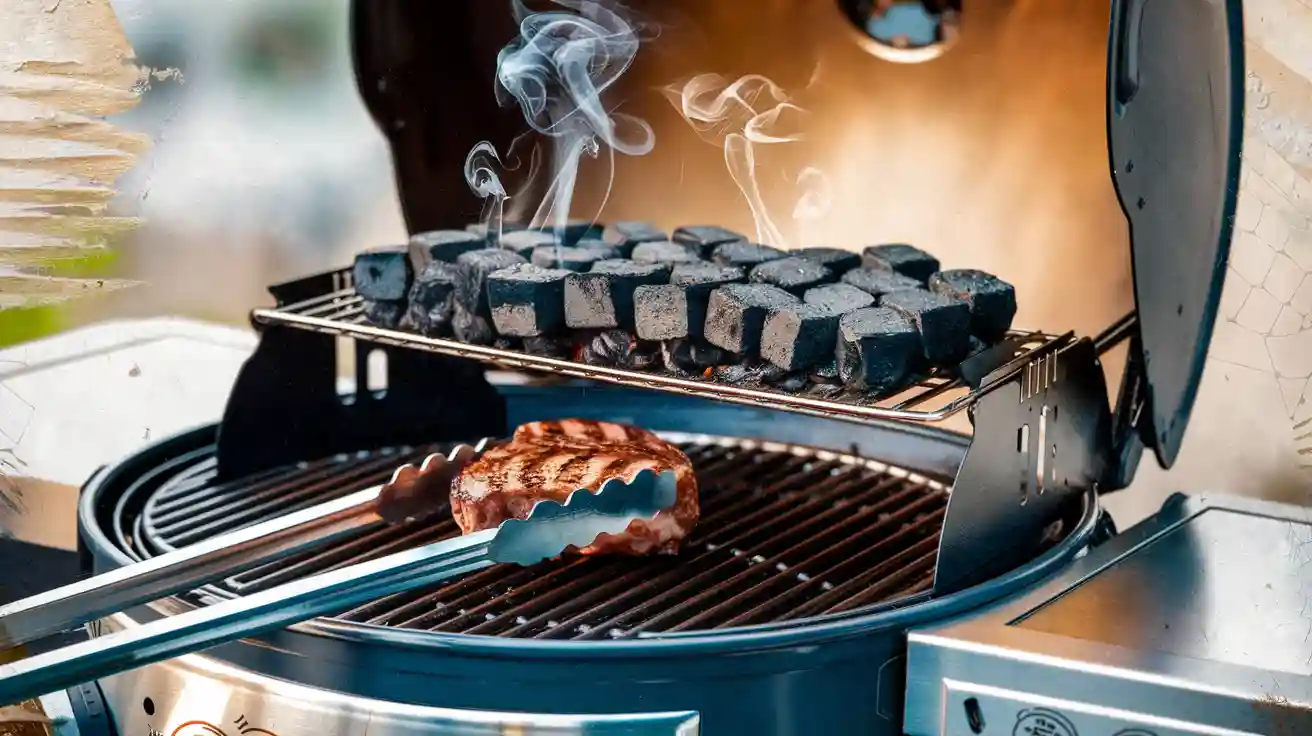
Start by turning on only one or two burners on your gas grill, leaving the other burners off. This creates a cooler side where you’ll place the ribs, away from direct flame. Placing the ribs over the unlit burners ensures they cook slowly and evenly without burning.
Think about your grill as having two zones: a hot side and a cool side. You’ll want to put a drip pan on the cool side under the ribs to catch drippings and keep the grill moist. This setup mimics a smoker’s environment and prevents flare-ups that dry out your meat.
Adding Wood Chips For Smoke
Wood chips add that essential smoky flavor missing from most gas grills. Soak your wood chips in water for at least 30 minutes before use to prevent them from burning up too fast. You can then place them in a smoker box or wrap them in aluminum foil with holes poked in it.
Position the smoker box or foil packet directly over the lit burners to let the chips smolder and release smoke. Different woods offer different flavors—apple and cherry give a mild sweetness, while hickory and mesquite bring stronger, robust tastes. What flavor profile do you want your ribs to have?
Maintaining Consistent Temperature
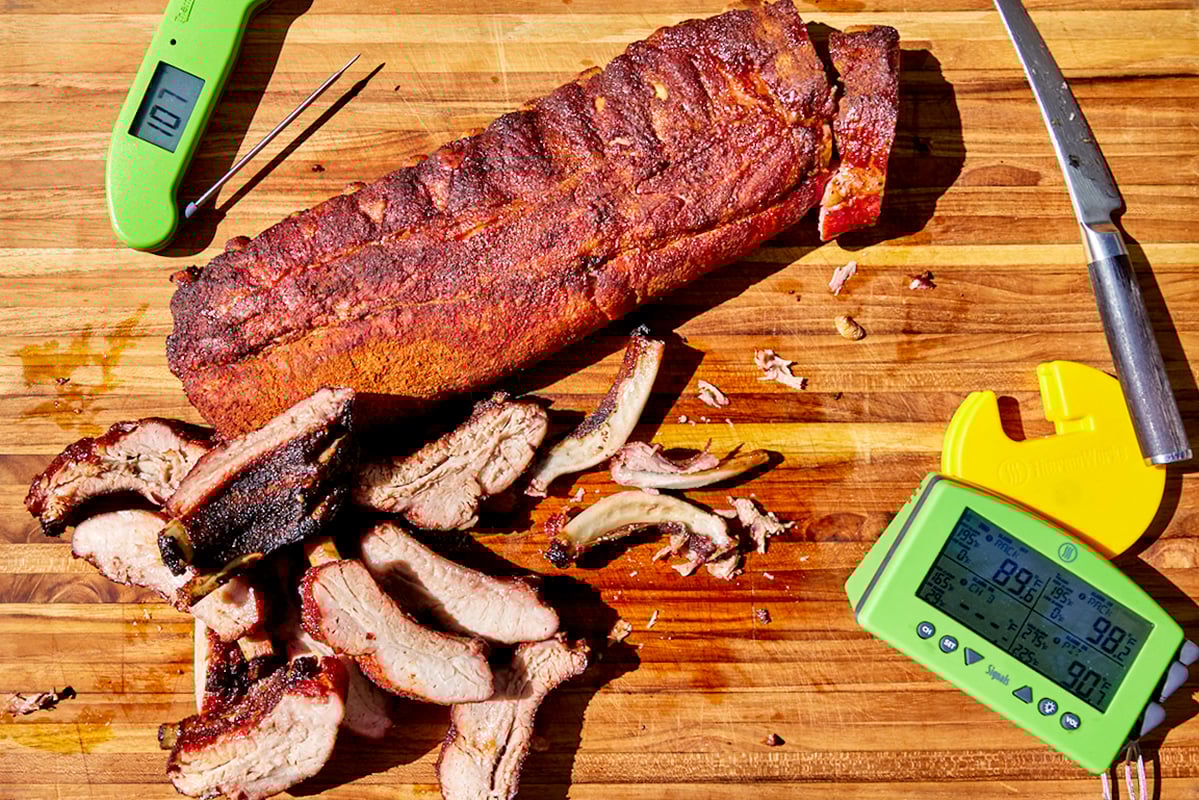
Keeping your grill temperature steady between 225°F and 250°F is critical for smoking ribs properly. Use a reliable grill thermometer and adjust the burners as needed to stay in this range. Opening the grill lid too often causes temperature fluctuations, so try to resist the urge to check frequently.
Wind and outside temperature can affect your grill’s heat, so be ready to make small adjustments. A consistent temperature allows the collagen in the ribs to break down slowly, making the meat tender and juicy. Have you noticed how a steady heat changes the texture of your ribs compared to a quick, high-heat cook?

Credit: www.youtube.com
Smoking Process Step-by-step
Begin by preparing the ribs and setting up the gas grill for indirect heat. Use wood chips in a smoker box to add smoky flavor. Maintain low heat and cook ribs slowly, turning occasionally until tender and flavorful.
Smoking ribs on a gas grill may seem daunting, but the process is straightforward. With patience and attention, you can achieve mouth-watering, smoky ribs. Let's dive into a step-by-step guide to make this delicious dish.
Placing Ribs On The Grill
Begin by preheating your grill. Set it to medium heat. Arrange the ribs on the grill. Place them bone-side down. This positioning helps absorb smoke effectively. Ensure the ribs are not directly over the flame. This prevents burning and promotes even cooking.
Monitoring Temperature And Smoke
Keep a close eye on the grill's temperature. Maintain it between 225°F and 250°F. Use a grill thermometer for accuracy. Consistent heat is crucial for tender ribs. Check the smoke level often. You want a steady flow of thin blue smoke. Avoid thick, billowy smoke. It can make the ribs taste bitter.
Using A Water Pan For Moisture
Position a water pan inside the grill. This adds moisture to the cooking environment. It helps keep the ribs juicy. Fill the pan with water or apple juice. This enhances the flavor profile. Check the water level periodically. Refill as needed to maintain moisture. This step ensures your ribs remain succulent and delicious.
Finishing Touches
Finishing touches bring out the best in smoked ribs on a gas grill. This stage enhances flavor, tenderness, and juiciness. Careful attention here makes your ribs unforgettable. Follow these simple steps for perfect results.
Applying Bbq Sauce
Brush a thin layer of BBQ sauce on ribs during the last 15 minutes of cooking. This time allows the sauce to caramelize without burning. Use a sauce with balanced sweetness and tang. Apply gently to avoid stripping the rub or seasoning.
Wrapping Ribs For Tenderness
Wrap ribs tightly in aluminum foil to lock in moisture. This step helps break down tough fibers for tender meat. Place wrapped ribs back on the grill on low heat for 30 to 45 minutes. Avoid opening foil to keep steam inside. This technique creates soft, juicy ribs.
Resting Before Serving
Let ribs rest outside the grill for about 10 minutes. Resting lets juices redistribute throughout the meat. Cut ribs carefully against the grain for maximum tenderness. Rested ribs hold moisture better and taste richer.
Credit: blog.thermoworks.com
Troubleshooting Common Issues
Smoking ribs on a gas grill can be tricky. Many face common problems like dry meat, flare-ups, or weak smoke flavor. Knowing how to fix these issues helps you cook ribs that taste great every time. This section covers simple tips to keep your ribs juicy, safe, and smoky.
Avoiding Dry Ribs
Dry ribs ruin the whole meal. Keep ribs moist by cooking low and slow. Set your grill to a steady temperature around 225°F (107°C). Use a water pan to add humidity inside the grill. Wrap ribs in foil during the last hour to lock in juices. Baste ribs with sauce or marinade to add moisture. Check ribs often but avoid lifting the lid too much. Too much air cools the grill and dries the meat.
Preventing Flare-ups
Flare-ups happen when fat drips on the flames. They burn your ribs and cause uneven cooking. Trim excess fat before smoking. Use a drip pan below the ribs to catch fat. Keep a spray bottle of water nearby to control small flames. Move ribs away from direct heat during flare-ups. Close the lid quickly to reduce oxygen and control the fire. Flare-ups can be dangerous, so watch the grill closely.
Managing Smoke Levels
Smoke gives ribs their flavor but too much can taste bitter. Use wood chips soaked in water for about 30 minutes before smoking. Add small amounts to avoid heavy smoke. Place wood chips in a smoker box or on aluminum foil with holes. Avoid opening the grill often, which lets smoke escape. Keep smoke thin and steady for the best flavor. Balance smoke with heat for tender, tasty ribs.
Tips For Enhancing Flavor
Enhancing the flavor of smoked ribs on a gas grill makes a big difference. Simple changes can bring out rich, smoky, and savory tastes. Small tips help create a memorable meal that everyone enjoys.
Choosing Wood Types
Wood chips add smoke flavor to ribs. Different woods give unique tastes. Hickory offers a strong, classic smoky flavor. Apple wood brings a sweet, mild smoke. Cherry wood adds a fruity and subtle aroma.
Soak wood chips in water for 30 minutes before grilling. This helps them burn slowly and create more smoke. Use a smoker box or wrap chips in foil with holes. Place near the gas burner for steady smoke.
Experimenting With Rubs And Sauces
Rubs add spices and herbs to the ribs’ surface. Try mixes with paprika, garlic powder, salt, and brown sugar. These ingredients balance sweet, salty, and spicy notes.
Apply rubs at least an hour before cooking. This lets flavors soak into the meat. For sauces, use barbecue sauce during the last 30 minutes. This prevents burning and keeps the sauce sticky and tasty.
Serving Suggestions
Serve ribs with simple sides to highlight their flavor. Coleslaw adds crunch and freshness. Baked beans bring a sweet and smoky partner. Cornbread offers a soft, buttery bite that pairs well.
Finish ribs with a sprinkle of fresh herbs like parsley or cilantro. This adds color and a fresh taste. Offer extra barbecue sauce on the side for dipping.
Credit: www.lovebakesgoodcakes.com
Frequently Asked Questions
How Long To Smoke Ribs On A Gas Grill?
Smoke ribs on a gas grill for 3 to 4 hours at 225-250°F. This low and slow method ensures tender, flavorful ribs with a perfect smoky taste.
What Wood Chips Work Best For Gas Grill Ribs?
Hickory, apple, or cherry wood chips are ideal for smoking ribs. They add a rich, sweet, and mild smoky flavor that complements pork ribs well.
Should Ribs Be Wrapped During Gas Grill Smoking?
Yes, wrap ribs in foil after 2-3 hours of smoking. This traps moisture, making ribs tender while preserving the smoky flavor for the final cooking stage.
How To Maintain Temperature When Smoking Ribs On Gas Grill?
Use indirect heat by turning off burners directly under ribs. Adjust burner knobs to keep the grill temperature steady at 225-250°F for consistent smoke and cooking.
Conclusion
Smoking ribs on a gas grill takes patience and simple steps. Keep the heat low and steady for best flavor. Use wood chips to add smoky taste. Wrap ribs to keep them juicy and tender. Check often to avoid burning.
Enjoy the process and the delicious results. Smoking ribs can be easy and fun. Try it, and taste the difference yourself.