If you love the rich, smoky flavor of barbecued meat but only have a gas grill, you might think smoking is out of reach. The good news?
You can smoke meat on your gas grill and get delicious results every time. Imagine biting into tender, juicy meat infused with that perfect smoky taste—all from the grill you already own. You'll discover simple steps and expert tips to turn your gas grill into a smoker.
Ready to impress your friends and family with mouthwatering smoked meat? Keep reading and learn how to make it happen.
Choosing The Right Gas Grill
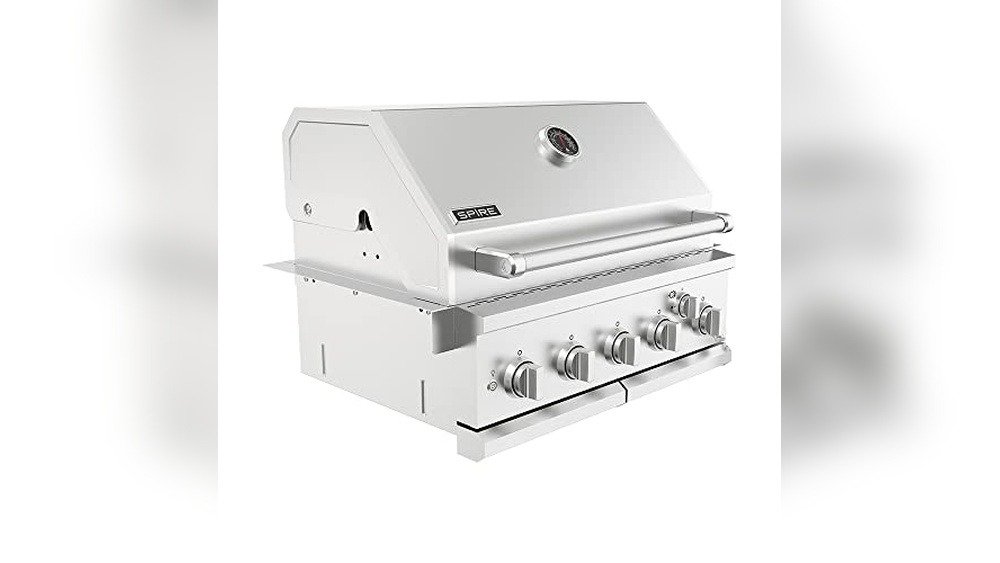
Choosing the right gas grill is key for smoking meat well. Not all grills handle low and slow heat evenly. A good grill keeps the temperature steady for hours. It lets you add wood chips easily for smoky flavor. Size and build quality also matter. Pick a grill that fits your space and cooking needs.
Features To Look For
- Multiple burners for better temperature control
- Built-in thermometer to monitor heat
- Side burner or smoker box for wood chips
- Heavy-duty construction to retain heat
- Adjustable vents for airflow control
- Enough cooking space for large cuts
Setting Up For Smoking
Set the grill for indirect heat by turning on burners on one side only. Place a drip pan under the meat to catch juices. Add soaked wood chips in a smoker box or on foil near the heat source. Keep the lid closed to trap smoke and heat inside. Check the temperature often and adjust burners to keep it steady. Patience pays off with tender, smoky meat.
Selecting The Best Wood Chips
Choosing the right wood chips shapes the flavor of smoked meat on a gas grill. Wood chips add aroma and taste, enhancing the grilling experience. Selecting the best wood chips depends on the meat type and desired flavor intensity.
Types Of Wood For Flavor
- Hickory:Strong and smoky, great for beef and pork.
- Apple:Mild and sweet, perfect for poultry and fish.
- Mesquite:Bold and intense, ideal for red meat.
- Cherry:Slightly sweet, adds a rich color to the meat.
- Oak:Medium smoky flavor, works well with almost any meat.
- Pecan:Nutty and sweet, good for poultry and pork.
Preparing Wood Chips For Smoking
Soak wood chips in water for at least 30 minutes. This helps them smolder, not burn quickly. Drain the chips before placing them on the grill.
Use a smoker box or wrap chips in foil with holes. Place the chips near the gas grill’s heat source. This method creates smoke without causing flare-ups.
Preparing The Meat
Preparing the meat properly is the foundation of great smoked flavors on a gas grill. It’s not just about picking any cut or slapping on some seasoning. How you choose and treat your meat can change the entire smoking experience.
Choosing Cuts For Smoking
Some cuts handle low and slow heat better than others. Look for fattier pieces like pork shoulder, brisket, or ribs. Their fat content keeps the meat moist and tender during the long smoking process.
Lean cuts like chicken breast or sirloin might dry out quickly unless you’re vigilant. Think about the texture and how the meat will respond to hours of smoke. Have you ever been surprised by how a less obvious cut turned out beautifully smoked?
Marinades And Rubs
Marinating infuses your meat with moisture and flavor before it even hits the grill. Use acidic ingredients like vinegar or citrus to help break down muscle fibers. This step can make your meat more tender and flavorful.
Dry rubs add a delicious crust and hold smoke better than wet marinades. Combine spices like paprika, garlic powder, salt, and brown sugar for a balanced mix. Don’t forget to rub the seasoning generously and let it sit for at least an hour—overnight is even better.
Have you tried experimenting with different rubs to find your signature flavor? The right seasoning can turn good smoked meat into something unforgettable.
Setting Up The Grill For Smoking
Setting up your gas grill for smoking is the foundation of great smoked meat. You want to create an environment where low, indirect heat mingles with flavorful smoke. This setup allows the meat to cook slowly and absorb those rich smoky notes without drying out or burning.
Two-zone Cooking Method
Creating two heat zones on your gas grill is key to successful smoking. One side of the grill stays on low heat, while the other side remains off. This setup lets you place the meat over the cooler side, so it cooks gently with indirect heat.
Turn on only one or two burners, depending on your grill size, and leave the rest off. This prevents direct flames from touching the meat, which can cause flare-ups and uneven cooking. You can adjust the heat by controlling the burners on the hot side and keeping the lid closed to maintain steady temperature.
Have you noticed how your grill temperature fluctuates when you open the lid too often? Keep it closed to hold steady heat and smoke. This simple adjustment can make a big difference in the texture and flavor of your smoked meat.
Using A Smoke Box Or Foil Packet
If your gas grill doesn’t have a built-in smoker box, you can easily create one using a metal container or aluminum foil. Fill it with wood chips soaked in water for about 30 minutes to prevent quick burning. Place this box or packet directly over the lit burners to generate smoke.
Using a smoke box concentrates the smoke and helps it circulate evenly around your meat. Alternatively, you can wrap soaked wood chips in foil and poke holes to let the smoke escape gradually. This DIY approach keeps your grill setup simple while adding that essential smoky flavor.
Try different types of wood chips like hickory, apple, or mesquite to match the meat you’re smoking. What flavor profile do you want to achieve? Experimenting with wood types can turn your gas grill into a versatile smoker without extra gadgets.
Controlling Temperature And Smoke
Control temperature by using indirect heat and adjusting grill burners. Add wood chips in a smoker box to create steady smoke. Keep the grill lid closed to maintain consistent heat and smoke flow.
Controlling the temperature and smoke on a gas grill is crucial to achieving that perfect, smoky flavor in your meat. It's not just about turning a knob and hoping for the best. It requires a bit of finesse and understanding of how your grill works. As someone who has spent countless weekends perfecting the art of smoked meat, I can tell you that the key lies in mastering the grill's temperature and smoke output. You might ask, how do you achieve this delicate balance?
Ideal Smoking Temperatures
The ideal smoking temperature for most meats ranges between 225°F and 250°F. This range allows the smoke to penetrate the meat, enhancing its flavor without drying it out. It's like a sweet spot where magic happens, transforming your ordinary barbecue into a mouthwatering masterpiece. To achieve this, you might need to experiment a bit with your grill settings. Every grill is different, and what works for one might not work for another. However, once you find that sweet spot, you'll notice a significant difference in the tenderness and flavor of your smoked meat.
Maintaining Consistent Heat
Maintaining a consistent heat is crucial for successful smoking. Fluctuations can lead to uneven cooking and can affect the overall taste. To maintain a steady temperature, keep the grill lid closed as much as possible. Each time you lift the lid, heat escapes, and the temperature drops. Use a thermometer to monitor the grill's internal temperature without opening the lid. Consider creating a two-zone setup on your grill. This involves lighting burners on one side while leaving the other side off. Place your meat on the unlit side, allowing for indirect cooking. This setup helps maintain consistent heat, minimizing the risk of flare-ups and ensuring a more controlled cooking environment. By focusing on these aspects, you can ensure that your smoked meats are not only delicious but also cooked to perfection. Ready to impress your friends and family with your newfound smoking skills?

Credit: www.youtube.com
Smoking Techniques And Tips
Mastering smoking techniques on a gas grill can transform your barbecue game. It’s all about controlling smoke and heat to infuse your meat with rich, smoky flavors. With the right approach, you’ll get tender, flavorful results every time you fire up your grill.
Adding Wood Chips During Cooking
Wood chips are the key to authentic smoky flavor on a gas grill. Soak your chips in water for at least 30 minutes before cooking. This helps them smolder instead of burning up quickly.
Use a smoker box or wrap soaked chips in aluminum foil with holes poked in it. Place this directly on the grill grates over the heat source. As the chips heat up, they’ll release fragrant smoke that infuses your meat.
Keep an eye on the chips and add more every 30 to 45 minutes if needed. Don’t overload the grill with chips—you want a steady, thin smoke rather than big bursts. Have you tried mixing different wood types like hickory and apple? It can add complex layers of flavor.
Avoiding Common Mistakes
One big mistake is opening the grill too often. Every time you lift the lid, heat and smoke escape, which can ruin the cooking process. Try to resist the urge to check constantly; use a good meat thermometer instead to monitor doneness.
Another pitfall is placing the meat too close to the heat source. Direct heat can cook the outside too fast, leaving the inside dry. Set your grill up for indirect cooking by turning on burners on one side only and placing the meat on the opposite side.
Don’t forget to clean your grill grates before smoking. Residue can cause flare-ups and impart off-flavors. What’s your biggest challenge with smoking on a gas grill? Tackling these common issues can make a huge difference in your results.
Finishing And Serving Smoked Meat
Finishing and serving smoked meat is where all your patience and effort come to life. This stage ensures your meat is juicy, flavorful, and perfectly tender. Getting it right can turn a good smoke into a memorable meal that you’ll want to repeat.
Checking For Doneness
Use a reliable meat thermometer to check the internal temperature. Different meats have different ideal temperatures, so know your target:
- Beef brisket: 195°F to 205°F
- Pork shoulder: 195°F to 205°F
- Chicken: 165°F
- Ribs: 190°F to 203°F
Don’t just rely on time or color. Temperature is the most accurate way to confirm doneness.
Have you ever sliced into smoked meat too early and found it dry? Avoid that by trusting your thermometer, not your watch.
Resting And Carving
Rest your smoked meat for at least 20 to 30 minutes before carving. This lets the juices redistribute, keeping the meat moist and tender.
Cover it loosely with foil to retain heat without causing sogginess.
When carving, cut against the grain. This simple trick makes meat easier to chew and enhances flavor release.
Picture slicing a brisket: if you cut with the grain, the meat feels stringy. Cut against it, and every bite melts in your mouth.

Credit: argentineasado.com
Cleaning And Maintenance After Smoking
Cleaning the gas grill after smoking meat keeps it working well and safe to use. Remove ashes, wipe grease, and check burners for blockages to maintain heat evenly. Regular care extends the grill’s life and improves flavor each time.
After you've enjoyed the smoky, savory goodness of freshly smoked meat on your gas grill, it's important to ensure your grill is clean and ready for its next culinary adventure. Proper cleaning and maintenance not only extend the life of your grill but also guarantee that your future meals taste as delightful as the last. Here's a practical guide to cleaning up after a smoking session, ensuring your grill stays in top-notch condition.
Removing Ash And Residue
Once your grill has cooled down, it's time to tackle the ash and residue. Start by removing the grates and using a grill brush to scrub away any leftover bits of meat and charred remnants. If your grill features a smoker box, empty out the ash and give it a good wipe down. Don't forget the burners. Check for any food particles or grease that might be clogging the ports. Use a soft brush or a toothpick to gently clear them out, ensuring an even flame during your next use. A clean grill not only looks good but also functions better.
Protecting Your Grill
After you've cleaned the inside, focus on the exterior. Wipe down the outside of your grill with a damp cloth and mild detergent to remove any smoke stains or grease splatters. Dry it thoroughly to prevent rust. Consider investing in a quality grill cover. It acts as a shield against rain, dust, and the elements, keeping your grill pristine and extending its lifespan. A well-protected grill is always ready for your next smoking session, ensuring you can create mouth-watering dishes whenever you desire. Taking a few extra minutes to clean and maintain your grill not only preserves your investment but also enhances your grilling experience. How do you ensure your grill stays in great shape?

Credit: www.youtube.com
Frequently Asked Questions
How Do You Set Up A Gas Grill For Smoking Meat?
To set up a gas grill for smoking, use indirect heat. Turn on one burner on low and leave others off. Place a water pan over the unlit burners. Add soaked wood chips in a smoker box or foil packet on the lit burner to create smoke.
What Wood Chips Work Best For Smoking On Gas Grills?
Hardwoods like hickory, apple, cherry, and mesquite are ideal. They provide rich, smoky flavors that complement various meats. Soak wood chips in water for 30 minutes before use to prevent quick burning and ensure steady smoke during grilling.
How Long Does It Take To Smoke Meat On A Gas Grill?
Smoking time varies by meat type and size. Generally, smoking takes 1. 5 to 6 hours at low temperatures (225°F to 275°F). Use a meat thermometer to check for doneness and avoid overcooking or undercooking your meat.
Can You Control Temperature Effectively On A Gas Grill For Smoking?
Yes, you control temperature by adjusting burner settings. Use indirect heat to maintain low, steady temperatures. Keep the grill lid closed to retain heat and smoke. A grill thermometer helps monitor internal temperatures precisely.
Conclusion
Smoking meat on a gas grill takes some practice but brings great flavor. Control the heat and use wood chips to add smoke. Keep the grill closed to trap smoke and heat. Check the meat often to avoid overcooking. Enjoy the process and taste the difference in your meals.
With patience, you will cook tender, smoky meat every time. Give it a try and savor your homemade smoked dishes. Simple steps, big rewards.