If you’ve ever wondered how to get that rich, smoky flavor in your meat using a charcoal grill, you’re in the right place. Smoking meat on charcoal isn’t just for experts—it’s something you can master with the right steps.
Imagine biting into juicy, tender meat infused with deep smoky aromas that make every meal special. In this guide, you’ll discover simple tricks to turn your charcoal grill into a perfect smoker. Ready to impress your family and friends with mouthwatering smoked meat?
Let’s dive in and make it happen.
Choosing The Right Charcoal
Choosing the right charcoal affects both the taste and cooking process. It controls the heat and smoke, which are key for smoking meat. Not all charcoal burns the same or adds the same flavor. Knowing your options helps you pick the best charcoal for your grill and recipe.
Lump Charcoal Vs Briquettes
Lump charcoal comes from wood burned down to charcoal. It lights quickly and burns hotter. It produces less ash, which means less cleaning. The natural wood flavor can add a nice smoky taste to meat.
Briquettes are made from compressed charcoal dust and other ingredients. They burn more evenly and last longer than lump charcoal. They create consistent heat, good for slow smoking. Briquettes may have additives, so check the label for natural options.
Wood Chips And Chunks For Flavor
Wood chips and chunks add extra smoke flavor to your meat. Chips burn fast and work well for short cooks. Chunks burn slower and last longer for long smoking sessions.
Popular wood types include:
- Hickory – strong, smoky taste
- Apple – sweet and mild
- Mesquite – bold and earthy
- Cherry – fruity and subtle
Soaking wood chips in water before use slows burning. This creates more smoke and less flame.
Preparing Charcoal For Smoking
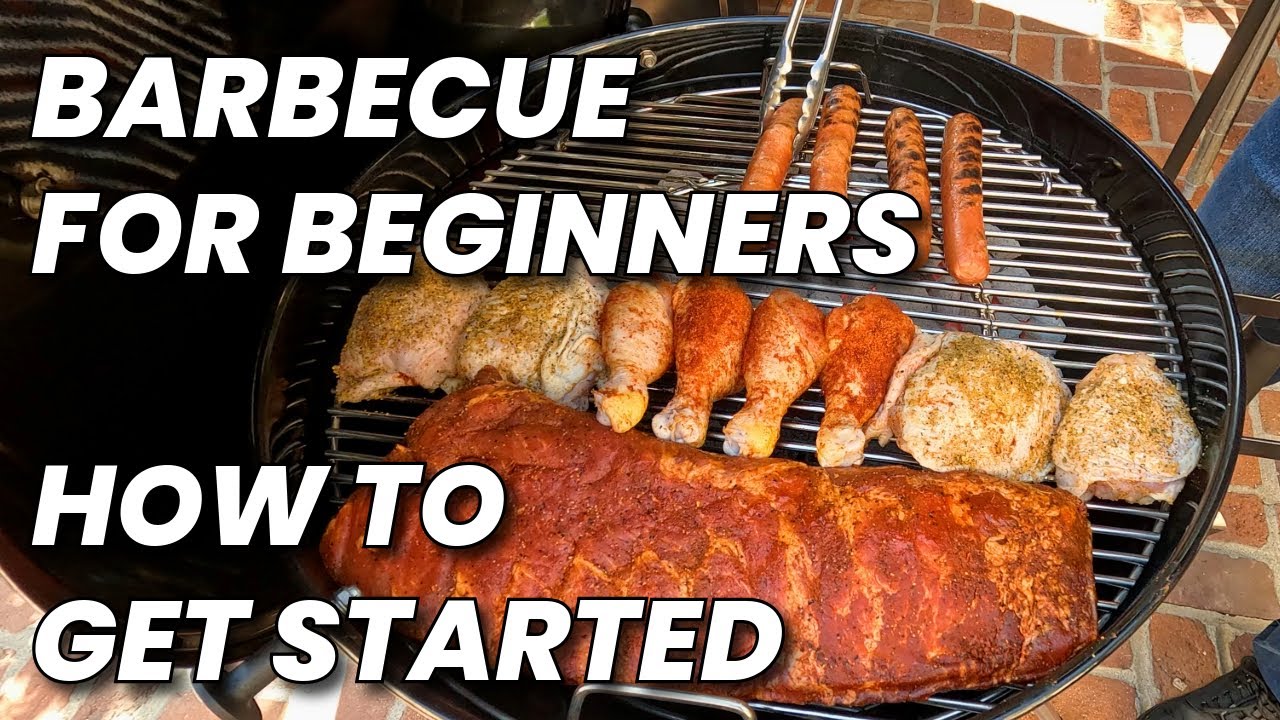
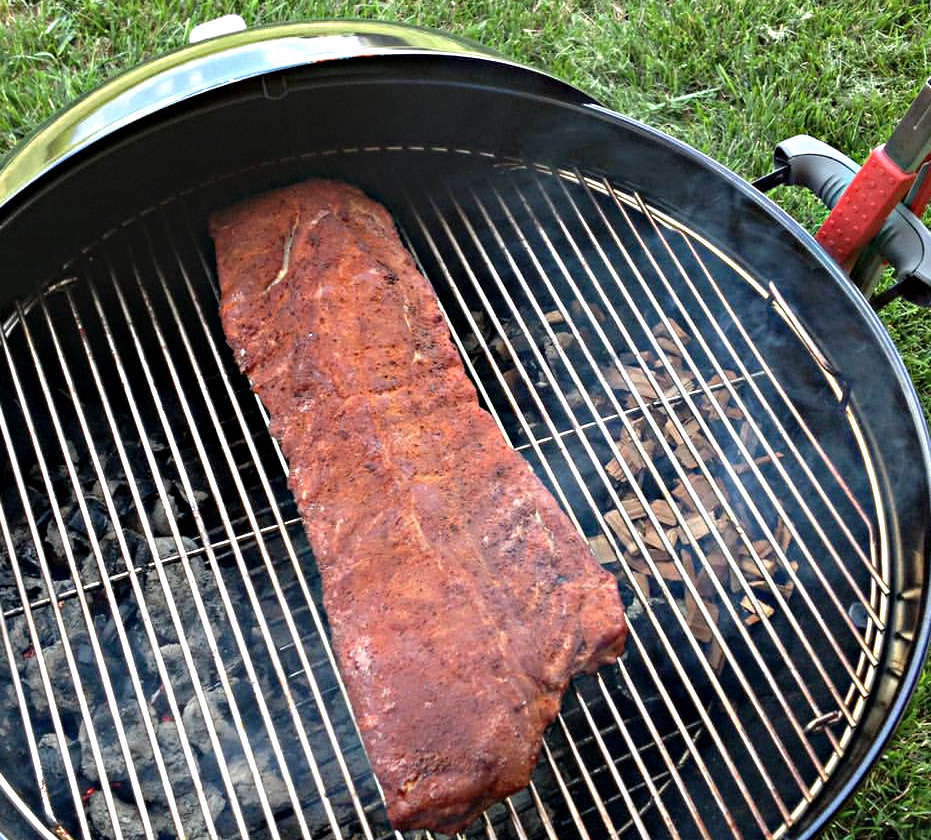
Start with clean, dry charcoal. Arrange it for indirect heat by placing coals on one side of the grill. Keep the other side free for cooking meat slowly.
Light charcoal using a chimney starter or natural fire starters. Avoid lighter fluid to prevent unwanted flavors.
Wait until coals are covered with white-gray ash. This means they are ready for smoking. Add wood chips or chunks on top of hot coals for smoke.
Setting Up The Grill
Setting up your charcoal grill correctly is the foundation for smoking meat that’s tender and full of flavor. It’s not just about lighting the coals; it’s about creating the right environment where heat and smoke work together. Paying attention to how you arrange your fire and manage moisture can make a big difference in the final taste and texture.
Creating A Two-zone Fire
A two-zone fire means having one side of the grill with direct heat and the other with indirect heat. This setup lets you sear your meat over high heat and then move it to the cooler side to smoke slowly without burning.
To do this, pile your lit coals on one side of the grill. Leave the other side empty or with just a few coals spread out. This creates a hot zone for searing and a cooler zone for slow cooking.
Using A Water Pan
Placing a water pan inside your grill helps keep the temperature steady and adds moisture to the cooking environment. This moisture slows down the cooking process and prevents the meat from drying out.
Put a shallow pan filled with water directly over the coals, under the grill grate. Check the water level occasionally and refill as needed during long smoking sessions.
Arranging The Charcoal And Wood
How you arrange your charcoal and wood impacts both heat and smoke flavor. Start with natural lump charcoal or briquettes as your main fuel source.
Add small chunks of hardwood like hickory, apple, or oak on top of the coals for smoke. Avoid large logs; they burn too long and can overpower the meat with heavy smoke.
Keep the wood pieces spaced so they smolder instead of flare up. This steady, slow smoke is what gives your meat that classic smoky taste.
Preparing The Meat
Getting your meat ready is a crucial part of smoking on a charcoal grill. This step can make or break the flavor and tenderness of your final dish. Paying attention to the cut, seasoning, and preparation techniques will help you achieve mouthwatering results every time.
Selecting Cuts For Smoking
Not all meats smoke well, so picking the right cut is essential. Look for tougher cuts like pork shoulder, brisket, or ribs. These have enough fat and connective tissue to stay juicy and develop great flavor over long cooking times.
Lean cuts like chicken breasts or pork loin can dry out quickly if smoked too long. If you want to try leaner meats, consider shorter smoking times or wrapping them in foil to keep moisture in.
Applying Rubs And Marinades
Rubs and marinades add layers of flavor that penetrate your meat during smoking. Dry rubs with salt, pepper, paprika, garlic powder, and brown sugar work well on most cuts. Massage the rub firmly into the meat to help it stick and flavor deeply.
Marinades with acidic ingredients like vinegar or citrus juice can tenderize meat while adding tang. However, avoid marinating too long—overnight is usually enough to prevent mushy texture.
Brining And Resting Tips
Brining adds moisture and helps your meat stay juicy during the long smoke. Use a simple saltwater solution, and soak the meat for a few hours or overnight depending on size. Rinse and pat dry before seasoning.
Resting your meat before smoking allows the flavors to settle and the muscle fibers to relax. Let your meat sit at room temperature for 30 to 60 minutes before placing it on the grill. This step can improve even cooking and tenderness.
Credit: www.youtube.com
Managing Temperature And Smoke
Mastering the balance between temperature and smoke is key to smoking meat perfectly on a charcoal grill. Too much heat or smoke can ruin your food, while the right combination enhances flavor and tenderness. Your goal is to keep the grill steady and the smoke thin and blue, not thick and billowing.
Monitoring Grill Temperature
Keep a close eye on your grill’s temperature using a reliable thermometer. The ideal range for smoking meat is usually between 225°F and 275°F (107°C to 135°C). If your grill doesn’t have a built-in thermometer, consider investing in a digital one that you can clip on or insert into the grill.
Temperature swings can dry out meat or leave it undercooked. Check the temperature every 20 to 30 minutes, especially during the first hour. You’ll quickly learn how adjustments affect your setup, helping you stay in control.
Controlling Airflow
Airflow controls the heat and smoke inside your charcoal grill. Opening the vents allows more oxygen, increasing the fire’s temperature. Closing them restricts oxygen, cooling down the grill.
Start by lighting your charcoal with vents wide open. Once the coals are glowing and covered with ash, adjust the vents to maintain your target temperature. Small tweaks to the vents can make a big difference, so adjust slowly and watch how the temperature responds.
Maintaining Consistent Smoke
Not all smoke is good smoke. Thick, white smoke can make meat taste bitter. Aim for thin, blue smoke—it’s cleaner and adds a subtle smoky flavor.
Add wood chips or chunks to your charcoal in small amounts. Soaking them beforehand can help them smolder instead of burn quickly. Keep the lid closed most of the time to trap smoke, but open it briefly when adding fuel or adjusting vents.
What’s your experience with smoke color and flavor? Have you noticed how even a slight change in smoke affects your meat’s taste? Paying attention to smoke quality can elevate your smoking game immensely.
Smoking Techniques
Smoking meat on a charcoal grill uses low heat and smoke to add flavor. Arrange coals to one side and place meat on the cooler side for slow cooking. Use wood chips for extra smoky taste and keep the grill covered to trap smoke.
Smoking meat on a charcoal grill is an art that elevates your culinary skills to a whole new level. This process involves more than just lighting coals and slapping meat on the grate. Mastering smoking techniques ensures you get that perfect smoky flavor and tender texture.
Indirect Cooking Method
Using the indirect cooking method is key to achieving that slow-cooked, smoky flavor. You don't want your meat directly above the heat source. Instead, place the charcoal on one side of the grill and the meat on the opposite side. This allows the smoke to circulate around the meat, cooking it evenly. Imagine your grill as a mini oven, where the heat gently envelops the meat for hours.
Using A Drip Pan
A drip pan is your secret weapon for capturing all those delicious juices. Place it under the meat to catch drippings, which can be used for basting or making a flavorful sauce. The added benefit? It helps maintain moisture, preventing your meat from drying out. Have you ever tried adding a little water or apple juice to the pan? It can enhance the aroma and taste of your smoked delicacy.
When To Wrap The Meat
Wrapping the meat is a technique that requires timing and a bit of intuition. Generally, you wrap the meat in foil or butcher paper after it has absorbed enough smoke and developed a nice bark. This is often referred to as the "Texas Crutch" and helps lock in moisture. But here's a tip: don't wrap too early, or you'll lose out on that coveted smoky crust. Have you ever wondered how pitmasters achieve that melt-in-your-mouth texture? Timing your wrap just right can make all the difference.
Finishing And Serving
Finishing and serving smoked meat on a charcoal grill is where patience pays off and your hard work shines. This stage ensures your meat is perfectly cooked, juicy, and ready to impress. Paying close attention to doneness, resting, and presentation elevates the entire experience from good to unforgettable.
Checking Meat Doneness
Use a reliable meat thermometer to check the internal temperature. Different meats have target temperatures, like 195°F for pulled pork or 160°F for brisket. Don’t rely on time alone—temperature is the best indicator of doneness.
Feel the texture too. Is the meat tender and yielding to a gentle poke? If it’s firm, give it more time. Remember, smoking is slow cooking, so patience is key to achieving the perfect bite.
Resting The Meat
Resting allows juices to redistribute, making every bite moist and flavorful. Wrap the meat loosely in foil and let it rest for 20-30 minutes. Resist the urge to cut it immediately, even if the aroma tempts you.
This step also helps the meat finish cooking gently with residual heat. You’ll notice a big difference in tenderness and juiciness after resting—trust this quiet wait.
Slicing And Presentation Tips
Slice against the grain to maximize tenderness. For larger cuts like brisket, find the grain direction and cut perpendicular to it in thin, even slices. This small detail makes chewing easier and more enjoyable.
Presentation matters. Arrange slices neatly on a warm platter and garnish with fresh herbs or a light drizzle of sauce. Think about how you want your guests to experience the first look before the first bite.
Have you tried serving smoked meat without resting or slicing properly? Notice how it affects texture and flavor? Taking these finishing steps seriously can transform your grilling results every time.
Troubleshooting Common Issues
Smoking meat on a charcoal grill is a rewarding process, but it can come with its share of challenges. Troubleshooting common issues quickly keeps your cook on track and your meat tasting perfect. Understanding how to handle flare-ups, temperature swings, and smoke flavor problems will save you frustration and improve your results every time.
Dealing With Flare-ups
Flare-ups happen when fat drips onto hot coals, causing sudden bursts of flame. These flames can char your meat and create unpleasant burnt spots. To control flare-ups, keep a spray bottle of water nearby to gently mist the flames without cooling the grill too much.
Another tip is to trim excess fat from your meat before smoking. This reduces the amount of dripping grease that fuels flare-ups. Placing a drip pan underneath the meat also catches fat, preventing it from reaching the coals and flaring up.
Fixing Temperature Swings
Maintaining a steady temperature on a charcoal grill can be tricky but is crucial for smoking. If your temperature swings wildly, check your air vents. Open vents increase heat, while closing them lowers it, so adjust slowly and wait a few minutes to see the effect.
Adding charcoal in small amounts, rather than all at once, helps prevent sudden heat spikes. You might also consider using a water pan to stabilize the grill’s temperature. Water absorbs heat and moderates fluctuations, keeping your cooking environment consistent.
Avoiding Bitter Smoke Flavor
Bitter smoke flavor often comes from using wet or resinous wood, or from burning too hot. Choose dry, seasoned hardwoods like oak or hickory to keep your smoke clean and mild. Avoid softwoods like pine, which produce unpleasant flavors and harmful soot.
Controlling your fire’s temperature is just as important as wood choice. If your coals are too hot, they burn the wood too quickly, creating bitter smoke. Try to maintain a low and slow fire for the best flavor balance.

Credit: mybutchersblock.co.za
Flavor Enhancers And Extras
Sprinkling wood chips or herbs adds extra aroma and taste to smoked meat. Using sauces or rubs enhances flavors without overpowering the natural smoke.
Smoking meat on a charcoal grill is an art form that allows you to infuse deep, rich flavors into your favorite cuts. While the choice of wood is crucial, flavor enhancers and extras can elevate your grilling game to new heights. Whether you are a seasoned pitmaster or a weekend warrior, experimenting with these elements can transform your smoked creations from ordinary to extraordinary.
Adding Herbs And Spices To Wood
Enhance your smoke by adding herbs and spices directly to your wood chips. Toss in rosemary, thyme, or even a pinch of chili flakes for a spicy kick. This not only enriches the flavor but also adds a fragrant aroma that wafts through your backyard. Consider creating your own blend of spices to tailor the smoke profile. A simple mix of garlic powder, paprika, and cumin can add depth and complexity. Think about what complements your meat choice and experiment with different combinations.
Experimenting With Smoke Profiles
Different woods yield different flavors, and this is where the fun begins. Mesquite gives a strong, earthy taste, while applewood offers a sweet, fruity essence. Try combining woods, like hickory and cherry, to craft a unique smoke profile. Don't hesitate to play with smoking times and temperatures. A longer smoke with a mild wood like pecan can gently infuse flavors, while a quick, hot smoke with oak might suit a robust cut like brisket. What unique smoke profile will you create next?
Complementary Side Dishes
Pair your smoked meat with side dishes that enhance its flavors. Coleslaw can add a refreshing crunch, while cornbread offers a sweet balance. Consider sides like smoked mac and cheese or garlic butter corn to complement the smokiness. Create a simple salad with fresh greens and a tangy vinaigrette to cut through the richness. You might find that a homemade barbecue sauce or a dill pickle can add just the right touch. What sides will complete your perfect smoked meal? Embrace the world of flavor enhancers and extras, and let your charcoal grill become a canvas for culinary creativity. Whether through herbs, smoke profiles, or perfect pairings, the possibilities are endless. What's your next flavor adventure on the grill?
Credit: ryanlawn.com
Frequently Asked Questions
How Do You Start A Charcoal Grill For Smoking Meat?
Light charcoal evenly using a chimney starter. Arrange coals on one side for indirect heat. Add wood chips for smoke. Maintain a temperature between 225°F and 275°F for optimal smoking.
What Type Of Wood Is Best For Smoking Meat?
Use hardwoods like hickory, mesquite, apple, or cherry. These woods provide rich, natural flavors. Avoid softwoods, which produce unpleasant tastes and excessive smoke.
How Long Should You Smoke Meat On A Charcoal Grill?
Smoking time depends on meat type and size. Generally, smoke low and slow for 1 to 6 hours. Use a meat thermometer to ensure proper internal temperature.
Can You Control Temperature Easily On A Charcoal Grill?
Yes, adjust airflow using vents to control oxygen. More airflow increases heat; less airflow lowers it. Arrange coals for direct or indirect heat zones.
Conclusion
Smoking meat on a charcoal grill takes patience and care. Keep the temperature steady and add wood chips for flavor. Watch the smoke, not the fire. Turn the meat when needed and check for doneness. The process might take time, but the taste is worth it.
Try different woods to find your favorite smoky flavor. Enjoy the rich, smoky aroma and tender meat with family and friends. Practice makes perfect, so keep smoking and have fun outdoors.