Are you ready to take your turkey game to the next level? Smoking a turkey on a gas grill might sound tricky, but with the right steps, you can achieve juicy, flavorful results that will wow your family and friends.
Imagine biting into tender, smoky meat that melts in your mouth—all made right on your gas grill. In this guide, you’ll learn simple tips and tricks to smoke your turkey perfectly every time. Keep reading, and you’ll soon discover how easy it is to turn your gas grill into a smoker and create a delicious centerpiece for any meal.
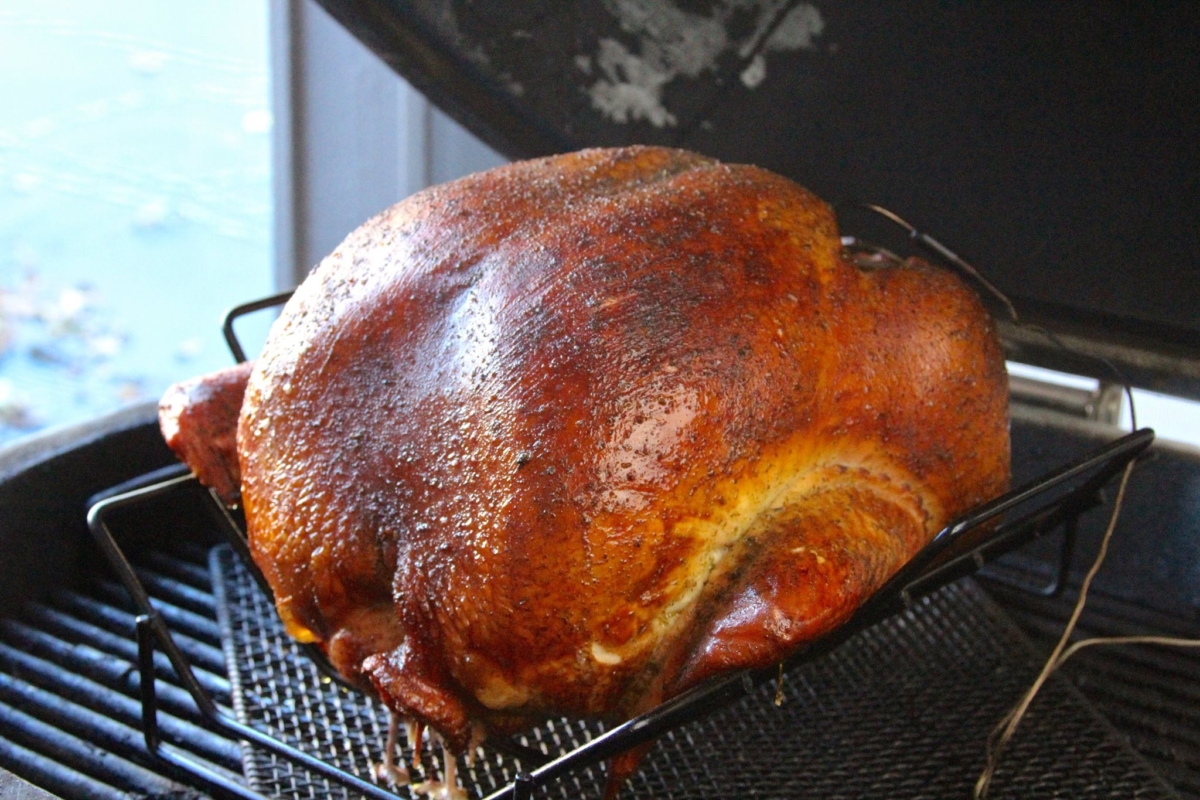
Credit: amazingribs.com
Choosing The Right Turkey
Choosing the right turkey is the first step to smoking a perfect bird on your gas grill. The turkey you pick affects cooking time, flavor, and how well it absorbs smoke. Think about what size fits your grill and how many people you plan to serve before buying your bird.
Size And Type Considerations
Size matters because a larger turkey takes longer to smoke and needs more space on your grill. A 12 to 14-pound turkey usually fits well on most gas grills and cooks evenly.
Consider different types of turkeys like heritage, organic, or standard store-bought. Heritage turkeys often have richer flavor but may require more careful cooking. Standard turkeys are easier to find and usually more affordable.
Fresh Vs. Frozen
Fresh turkeys tend to hold moisture better and can give you juicier results. However, they can be more expensive and have a shorter shelf life.
Frozen turkeys are convenient and often cheaper, but you must allow plenty of time to thaw safely—usually 24 hours for every 4 to 5 pounds. Have you planned your timeline to avoid rushing thawing? Rushing can affect texture and safety.
Preparing The Turkey
Preparing your turkey correctly sets the foundation for a perfectly smoked bird on your gas grill. This stage is crucial because it affects flavor, texture, and juiciness. Taking the time to thaw, brine, and season your turkey will make a noticeable difference in your final dish.
Thawing Tips
Thawing your turkey safely is the first step. Place it in the refrigerator for several days—about 24 hours for every 4-5 pounds. This slow thaw keeps the meat at a safe temperature and preserves its texture.
If you’re short on time, submerge the turkey in cold water, changing the water every 30 minutes. This speeds up thawing but requires more attention. Have you checked your turkey’s thawing status the day before grilling?
Brining Techniques
Brining adds moisture and flavor to your turkey. A simple brine involves dissolving salt and sugar in water—about 1 cup of salt and 1/2 cup of sugar per gallon of water works well. You can add herbs, garlic, and peppercorns for extra flavor.
Submerge the turkey completely and refrigerate for 12 to 24 hours. Remember, brining too long can make the meat too salty and change the texture. Have you experimented with dry brining? It’s a great alternative that uses less space and is less messy.
Seasoning The Bird
Seasoning your turkey is your chance to add personality. Pat the turkey dry after brining to help the seasoning stick. Rub the skin with olive oil or melted butter for crispiness.
Sprinkle a mix of herbs like rosemary, thyme, and sage, plus salt and pepper, under the skin and on the surface. Don’t forget to season the cavity too—it helps flavor the meat from the inside out. What flavors do you think will make your turkey stand out?
Setting Up Your Gas Grill
Setting up your gas grill properly is essential for smoking a turkey. This process creates the right environment to infuse rich smoky flavors and cook the bird evenly. Preparing your grill involves choosing the right wood chips, arranging the grill components, and controlling the heat carefully. Each part plays a key role in the smoking process.
Selecting The Wood Chips
Wood chips add the smoky taste that defines smoked turkey. Choose mild woods like apple, cherry, or pecan. These woods give a sweet, gentle smoke that complements turkey well. Avoid strong woods like mesquite, which can overpower the flavor. Soak the chips in water for 30 minutes before use. This helps them smolder slowly instead of burning quickly.
Arranging The Grill For Smoking
Arrange your gas grill for indirect cooking. Turn on only one or two burners on one side of the grill. Place a drip pan under the cooking grate on the unlit side. This catches drippings and prevents flare-ups. Put the soaked wood chips in a smoker box or wrap them in foil with holes poked on top. Set the box or foil directly over the lit burners. Place the turkey on the cooler side of the grill above the drip pan. This setup allows the turkey to cook slowly with smoke, not direct heat.
Maintaining Temperature Control
Keep the grill temperature steady between 225°F and 275°F. Use the grill’s built-in thermometer or a separate grill thermometer. Adjust the burners to keep the heat steady. Open or close the grill vents to control airflow. More airflow increases heat, less airflow reduces it. Check the temperature often to avoid spikes. Consistent temperature ensures the turkey cooks evenly and stays juicy.

Credit: www.youtube.com
Smoking Process
Smoking a turkey on a gas grill requires patience and attention to detail. The smoking process adds rich flavors and keeps the meat juicy. It involves carefully placing the turkey, controlling smoke, and watching the cooking time. Each step affects the final taste and texture of the bird. Follow these guidelines to achieve a perfectly smoked turkey every time.
Placing The Turkey On The Grill
Start by preheating your gas grill to a low temperature. Set up for indirect heat by turning on burners on one side only. Place the turkey on the cooler side of the grill, breast side up. Use a drip pan under the turkey to catch drippings and avoid flare-ups. Keep the grill lid closed to hold in smoke and heat.
Managing Smoke Levels
Use wood chips or chunks for smoke flavor. Soak wood chips in water for 30 minutes before use. Add them to a smoker box or wrap in foil with holes poked on top. Place the smoker box near the lit burners to create steady smoke. Maintain a thin, blue smoke for best taste. Avoid thick white smoke, which can make the meat bitter.
Monitoring Cooking Time And Temperature
Keep grill temperature between 225°F and 275°F for slow cooking. Use a meat thermometer to check the internal temperature. The turkey is safe when it reaches 165°F in the thickest part of the breast. Plan for about 30 to 40 minutes of cooking per pound. Resist opening the lid too often to keep the heat and smoke steady.
Enhancing Flavor
Enhancing the flavor of your smoked turkey on a gas grill takes more than just following cooking times. It’s about layering tastes and aromas that make each bite memorable. You want your turkey to burst with richness and a hint of smokiness that keeps everyone asking for seconds.
Using Marinades And Rubs
Marinades add moisture and infuse the turkey with deep flavors. Consider a mix of citrus juice, olive oil, garlic, and herbs like rosemary or thyme. Let your turkey soak for several hours or overnight to let the flavors truly sink in.
Dry rubs are another powerful tool. A simple blend of salt, pepper, paprika, and brown sugar works wonders. The sugar caramelizes during smoking, giving your turkey a beautiful crust and subtle sweetness.
Basting Techniques
Basting keeps the turkey juicy and enhances its taste during the smoking process. Use a basting brush or mop to apply melted butter, broth, or a flavored sauce every 30 minutes. This constant moisture layer prevents drying and boosts flavor.
Try mixing melted butter with garlic and herbs for a classic basting sauce. You might wonder: How much basting is enough? Keep it consistent but avoid overdoing it, as too much liquid can cool the grill and extend cooking time.
Adding Aromatics
Aromatics create a fragrant smoke that seeps into the turkey’s meat. Stuff the cavity with onion, garlic cloves, lemon wedges, and fresh herbs like sage or thyme. These ingredients release flavorful steam that penetrates the bird as it smokes.
Additionally, place wood chips soaked in water or apple cider near the burners. The slow burning wood adds that unmistakable smoky depth. Have you tried combining different woods like hickory and apple for a unique flavor profile?
Checking For Doneness
Checking for doneness is the most important part of smoking a turkey on a gas grill. It ensures your bird is fully cooked, safe to eat, and juicy rather than dry. Relying solely on cooking time can be misleading, so it’s crucial to use reliable methods to know when your turkey is ready.
Using A Meat Thermometer
A meat thermometer is your best friend for checking doneness. Insert it into the thickest part of the turkey’s breast and the innermost part of the thigh, avoiding bones. The safe internal temperature for turkey is 165°F (74°C).
Don’t just guess—temperature is a precise indicator. I once overcooked a turkey by 30 minutes because I wasn’t checking the temperature. Using a thermometer saved me from that mistake in later attempts.
Instant-read digital thermometers work well because they give quick results. Leave the probe in the turkey if your thermometer allows it, so you can monitor the temperature without opening the grill repeatedly.
Visual And Textural Indicators
Sometimes, you need to trust your eyes and hands alongside the thermometer. The skin should be golden brown and crispy. If it looks pale or rubbery, it needs more time.
Check the juices by piercing the thickest part of the thigh. Clear juices mean the turkey is done, while pink or red juices indicate it needs more cooking. Feel the texture too—fully cooked turkey meat feels firm, not jiggly or soft.
Have you ever pulled your turkey off the grill only to find it undercooked inside? Visual and textural clues help prevent this disappointment and give you confidence in your cooking.
Resting And Carving
Resting and carving a smoked turkey are key steps for a juicy and flavorful meal. Resting lets the juices settle, making the meat tender and moist. Carving properly helps serve neat, easy-to-eat slices that everyone enjoys.
Letting The Turkey Rest
After smoking, let the turkey rest for 20 to 30 minutes. Cover it loosely with foil to keep it warm. Resting allows the juices to redistribute inside the meat. Cutting too soon causes the juices to run out. The turkey stays moist and tender after resting. This step improves flavor and texture a lot.
Carving Tips For Best Results
- Use a sharp knife for clean, smooth cuts.
- Start by removing the legs and thighs carefully.
- Slice the breast meat against the grain for tenderness.
- Cut even, thin slices for easy serving.
- Keep the skin on for extra flavor and crispiness.
Serve the carved turkey with your favorite sides. Proper carving shows off your smoked turkey perfectly.
Serving Suggestions
Serving smoked turkey fresh from a gas grill invites a feast for the senses. The rich, smoky flavor pairs well with a variety of sides and presents beautifully on any table. Thoughtful serving suggestions help elevate the meal and create a memorable dining experience.
Pairing With Side Dishes
Choose side dishes that balance the smoky taste of the turkey. Fresh, crisp salads add a light touch. Creamy mashed potatoes bring comfort and richness. Roasted vegetables enhance the smoky theme with their caramelized flavors. Sweet potato casserole offers a hint of sweetness to contrast the savory meat.
- Green bean almondine
- Cranberry sauce or chutney
- Herb stuffing or dressing
- Grilled corn on the cob
- Buttery dinner rolls
Keep sides simple to let the smoked turkey shine. Variety in texture and flavor makes the meal exciting.
Presentation Ideas
Presentation turns a meal into an event. Arrange the turkey on a large wooden board or festive platter. Garnish with fresh herbs like rosemary and thyme for color and aroma. Surround the bird with slices of citrus fruits for brightness.
Carve the turkey into neat slices before serving. Place slices overlapping on a platter for easy serving. Use small bowls for sauces and gravies. Consider warm plates to keep the turkey juicy and tender longer.
Troubleshooting Common Issues
Smoking a turkey on a gas grill can sometimes bring unexpected challenges. Troubleshooting common issues helps keep the cooking process smooth. Fixing problems early ensures a juicy and flavorful turkey.
Avoiding Dryness
Dry turkey is a common problem during smoking. Keep the grill temperature steady between 225°F and 275°F. Avoid opening the lid too often to keep heat and moisture inside. Use a water pan inside the grill to add humidity. Brining the turkey before smoking locks in moisture. Baste the bird occasionally with juices or a marinade to keep it moist. Check the internal temperature often and remove the turkey at 165°F.
Handling Uneven Cooking
Gas grills may cook unevenly due to heat zones. Place the turkey on the indirect heat side, away from the burners. Rotate the turkey every 30 minutes for even cooking. Use a reliable meat thermometer to check different parts of the bird. If some parts cook faster, tent those areas with foil. Adjust burner flames to balance the heat across the grill. Keep the lid closed as much as possible to maintain even heat distribution.

Credit: blackberrybabe.com
Frequently Asked Questions
How Long Does It Take To Smoke A Turkey On A Gas Grill?
Smoking a turkey on a gas grill usually takes 3 to 5 hours. The time depends on the bird’s size and grill temperature. Maintain a steady 225°F to 250°F for best results. Use a meat thermometer to ensure the internal temperature reaches 165°F.
What Wood Chips Are Best For Smoking Turkey On A Gas Grill?
Hickory, apple, cherry, and pecan wood chips work best for smoking turkey. These woods add a mild to medium smoky flavor. Soak the chips in water for 30 minutes before use. This prevents them from burning too quickly on the gas grill.
How Do I Set Up A Gas Grill For Smoking Turkey?
Use indirect heat by turning on only one or two burners. Place a drip pan under the turkey to catch juices. Add soaked wood chips to a smoker box or foil pouch. Keep the grill lid closed to maintain consistent temperature and smoke.
Should I Brine The Turkey Before Smoking It On A Gas Grill?
Yes, brining enhances flavor and moisture retention in smoked turkey. Use a saltwater solution with herbs and spices. Brine the turkey for 12 to 24 hours before smoking. Rinse and pat dry before placing the bird on the grill.
Conclusion
Smoking a turkey on a gas grill takes patience and care. Keep the temperature steady and use wood chips for smoke flavor. Check the turkey’s internal temperature to ensure it is safe to eat. Let the turkey rest before slicing to keep it juicy.
This method gives you a tasty and tender turkey with a smoky touch. Try it out and enjoy a delicious meal with family or friends. Simple steps, great results.