
Are you tired of spending too much time slicing potatoes by hand? What if you could get perfectly even slices in just seconds?
Using a food processor to slice your potatoes is a game-changer. It saves you time, effort, and gives you consistent results every time. You’ll discover simple steps to master this quick technique, making your cooking easier and more enjoyable. Keep reading to unlock the secret to slicing potatoes like a pro with your food processor.
Choosing The Right Food Processor
Choosing the right food processor makes slicing potatoes easier and faster. A good processor saves time and gives consistent slices. It also reduces hand strain. Not all processors slice the same way. Some are better for thick slices, others for thin. Knowing the options helps pick the best one for potato slicing tasks.
Types Of Food Processors
Food processors come in various sizes and power levels. Small models suit light tasks and small batches. Medium-sized processors handle most kitchen jobs well. Large, powerful machines work best for heavy use and large quantities. Choose one that fits your kitchen space and slicing needs. Consider how often you slice potatoes too.
- Mini processors:Compact, good for small slices and quick jobs.
- Mid-sized processors:Versatile, balance power and size.
- Full-sized processors:High power, handle big batches easily.
Blade Attachments For Slicing
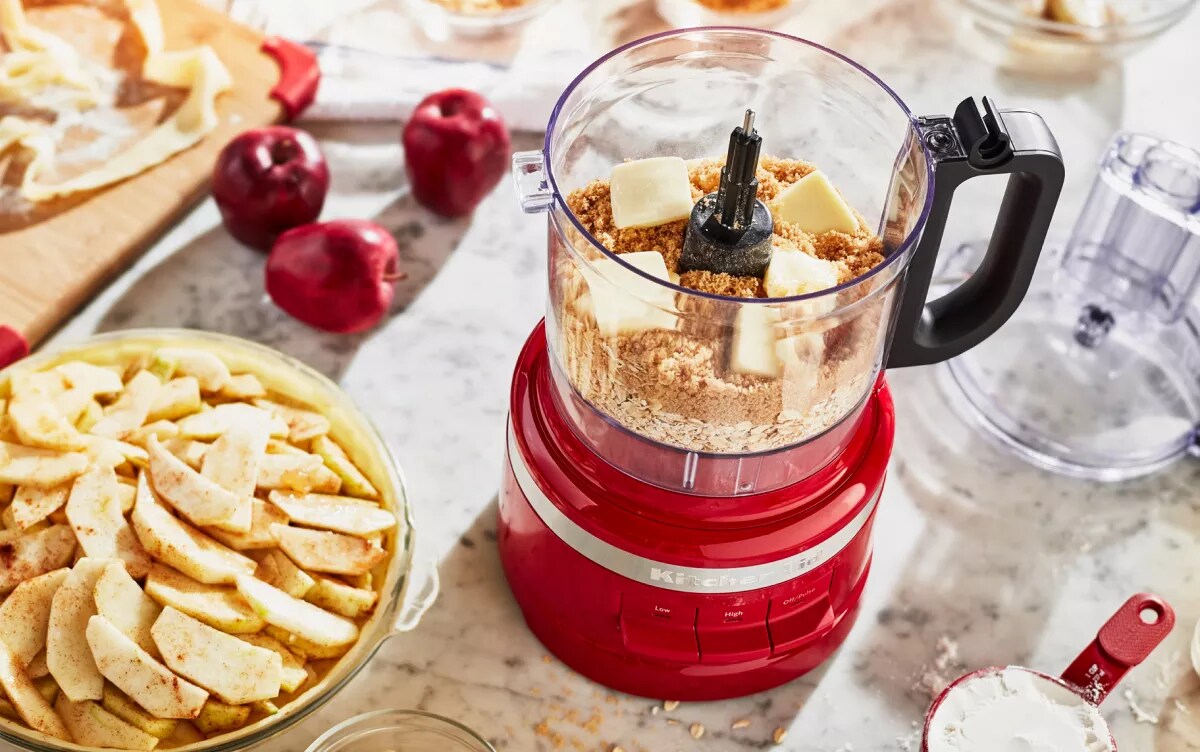
Blade attachments define how well a food processor slices potatoes. Most processors include a slicing disk that fits into the bowl. These disks come with different thickness options. Some models offer adjustable slicing thickness. Sharp, sturdy blades provide clean, even cuts. Dull blades can crush or tear potatoes.
- Slicing disks create thin, uniform potato slices.
- Julienne blades cut potatoes into thin sticks.
- Adjustable blades allow control over slice thickness.
- Always choose blades made from stainless steel for durability.
Credit: www.kitchenaid.com
Preparing Potatoes For Slicing
Preparing potatoes for slicing in a food processor ensures even, quick cuts. Proper preparation helps the blades work efficiently and keeps your slices consistent. Simple steps make the process safer and faster.
Washing And Peeling
Start by washing potatoes under cold running water. Remove dirt and debris thoroughly. Use a vegetable brush to scrub the skin gently. Clean potatoes prevent grit in your slices.
Peel the potatoes using a vegetable peeler or a small knife. Peeling is optional, depending on your recipe. Remove any eyes or green spots to avoid bitterness.
Cutting Potatoes To Fit
Cut large potatoes into smaller pieces before slicing. The pieces should fit easily into the food processor chute. This prevents jamming and uneven slicing.
Cut potatoes into halves or quarters, depending on their size. Keep pieces uniform for consistent slicing thickness. Avoid pieces too small to hold securely in the processor.
Setting Up The Food Processor
Setting up your food processor correctly is essential for slicing potatoes safely and efficiently. The right setup ensures smooth operation and even slices every time. Focus on assembling the parts carefully before starting.
Assembling The Slicing Blade
Begin by choosing the correct slicing blade for your food processor. Most models come with a sharp, circular blade designed specifically for slicing vegetables. Handle the blade with care to avoid cuts.
Place the slicing blade onto the processor's central shaft. Make sure it fits snugly and locks into place. A secure blade prevents wobbling and uneven slicing.
Securing The Bowl And Lid
Attach the bowl to the base of the food processor. Turn it until it locks firmly. This step is crucial for the processor to work properly.
Next, place the lid on top of the bowl. Align any safety locks or tabs. Lock the lid tightly. The processor will not start unless the lid is secure.
Slicing Potatoes Step-by-step
Slicing potatoes in a food processor can save you a lot of time and effort, especially if you're preparing a large batch for dishes like gratins or homemade chips. However, getting the perfect slice requires a bit of attention to detail. Let’s break down the process into clear, manageable steps to help you slice safely and efficiently.
Loading Potatoes Safely
Start by washing and peeling your potatoes if desired. Cut them into chunks that fit comfortably into the food processor’s feeding chute without forcing them.
Never overload the chute. Overcrowding can cause uneven slicing and may even damage your processor. Hold the potatoes firmly but gently as you load them to keep your fingers safe.
Operating The Processor
Attach the slicing blade securely before turning on the machine. Use the food pusher to guide the potatoes through the chute—never your hands.
Listen to the processor’s sound; it should run smoothly without straining. If it sounds stuck or labored, stop immediately and check for jams or oversized pieces.
Adjusting Slice Thickness
Most food processors let you adjust the thickness of the slices by changing the blade or setting. Experiment with a few slices first to find the thickness that suits your recipe.
Thicker slices work well for roasting or frying, while thinner ones are perfect for casseroles or chips. Don’t hesitate to tweak the settings mid-process if your first batch isn’t quite right.
Tips For Even Slices
Getting even slices from your food processor improves cooking and presentation. Uneven slices can cook unevenly, affecting texture and taste. Follow these tips for consistent, perfect potato slices every time.
Using Consistent Potato Sizes
Start by choosing potatoes of similar size. Cut larger potatoes into halves or quarters to match smaller ones. Consistent size helps the food processor slice evenly. It also prevents some slices from being too thick or thin.
Uniform potato pieces fit better in the processor bowl. This ensures the blade slices each piece the same way. Avoid mixing very small and very large pieces in one batch.
Avoiding Overcrowding
Place potatoes in the food processor bowl with space around them. Overcrowding makes the blade work unevenly. Too many pieces cause some to get sliced more than others.
Slice potatoes in small batches for best results. It helps the processor blade move freely and cut each piece well. Overcrowding can also strain the machine and reduce slice quality.
Cleaning And Maintenance
Keeping your food processor clean after slicing potatoes helps it work well and last longer. Remove all potato bits and wash the blades carefully to avoid rust and buildup. Regular maintenance ensures smooth performance every time you use it.
Cleaning and maintaining your food processor is crucial for its longevity and performance. After effortlessly slicing potatoes, you might be tempted to leave the cleanup for later. But addressing it right away ensures your food processor stays in top shape and ready for your next culinary adventure. Regular cleaning also prevents residue buildup, ensuring the machine operates efficiently.
Disassembling The Parts
Start by unplugging your food processor. Safety first! Carefully remove the bowl from the base, then take out the blade. Some models have multiple parts, like lids and pushers, which should also be removed. Each component plays a role in the slicing process, and cleaning them properly ensures they function smoothly.
Washing Blades And Bowl
Use warm, soapy water to clean the blades and bowl. The blades are sharp, so handle them with care. A soft sponge or brush works best for removing food particles. Rinse thoroughly to ensure no soap residue remains. If your model is dishwasher-safe, you can place these parts on the top rack for a more convenient wash. Pay attention to any stubborn spots or residues, especially if you’ve been slicing starchy potatoes. Starch can build up and affect the performance of the blades. Regular cleaning helps avoid this issue, keeping your food processor in top condition. If you ever wondered why your last batch of potato slices wasn't as smooth, it could be due to residues you didn't notice. How often do you think about the maintenance of your kitchen tools? Keeping your food processor clean not only extends its life but also enhances your cooking experience.
Common Mistakes To Avoid
Slicing potatoes in a food processor can save you a lot of time, but it’s easy to make mistakes that affect the results or even cause accidents. Avoiding these common errors will help you get perfectly sliced potatoes every time and keep your kitchen safe. Let’s look at some pitfalls you should watch out for.
Overloading The Processor
Putting too many potatoes in the food processor at once is a common mistake. It causes uneven slicing because the blades can’t reach all the pieces properly.
Try slicing in smaller batches instead. This approach ensures each potato gets cut evenly and prevents the machine from struggling or overheating.
Have you noticed your slices sometimes come out thicker on one side? That’s usually a sign of overloading. Giving your processor some space can make a big difference in consistency.
Ignoring Safety Precautions
Food processors have sharp blades that can cause serious injury if not handled carefully. Some people rush and forget to secure the lid properly, which can lead to accidents.
Always double-check that the lid is locked before turning on the machine. Never put your fingers near the blades, even when the processor is off.
Using a food pusher instead of your hands to guide potatoes is safer and keeps your fingers out of harm’s way. Have you ever experienced a close call? Taking these precautions can prevent that from happening again.

Credit: www.cuisinart.com
Recipe Ideas With Sliced Potatoes
Slicing potatoes in a food processor saves time and effort. Simply use the slicing blade for even, thin slices perfect for many recipes. This technique makes meal prep faster and easier.
Slicing potatoes with a food processor opens up a world of delightful recipes that can elevate any meal. The precision of a food processor ensures uniform slices, enhancing the texture and flavor of your dishes. Whether you're craving a crispy snack or a creamy side dish, sliced potatoes can be your go-to ingredient. Let's explore some delicious recipes you can try with perfectly sliced potatoes.
Homemade Potato Chips
Creating homemade potato chips is not only fun but also healthier than store-bought options. Start by slicing your potatoes thinly using your food processor. Once sliced, rinse them in cold water to remove excess starch. Pat them dry to ensure they crisp up beautifully. Toss the slices with olive oil, sprinkle with salt, and spread them evenly on a baking sheet. Bake at 400°F for 15-20 minutes until golden brown, flipping halfway through. Enjoy your crunchy, flavorful chips fresh from the oven.
Scalloped Potatoes
Scalloped potatoes are a classic comfort food that's surprisingly easy to make. Begin by slicing your potatoes uniformly with the food processor to ensure even cooking. Layer the slices in a baking dish, interspersed with thinly sliced onions for added flavor. In a saucepan, prepare a creamy sauce with butter, flour, and milk. Pour the sauce over the layered potatoes and bake at 350°F for about an hour. The result is a creamy, cheesy delight that's perfect for any occasion.
Potato Gratin
Potato gratin is a dish that impresses with its rich flavor and elegant appearance. Use your food processor to slice potatoes thinly, ensuring a smooth, consistent texture. Arrange the slices in a buttered baking dish, seasoning each layer with salt, pepper, and nutmeg. Mix cream with a bit of garlic and pour it over the potatoes. Top with grated cheese for a golden, bubbly finish. Bake at 375°F for 45 minutes to an hour. The gratin should have a crisp top with tender, flavorful layers beneath. What recipe will you try first? Sliced potatoes offer versatility and ease, making them a staple in any kitchen. Get creative and make these dishes your own!
Credit: www.youtube.com
Frequently Asked Questions
How To Prepare Potatoes Before Slicing In A Food Processor?
First, wash and peel the potatoes if desired. Cut them into chunks that fit your processor. This ensures even slicing and prevents damage to the blades. Removing dirt and imperfections improves slice quality and safety.
What Food Processor Blade Is Best For Slicing Potatoes?
Use the slicing disc attachment for uniform potato slices. It creates consistent thickness quickly and safely. Avoid using chopping blades to prevent uneven cuts and mushy texture. Always secure the blade firmly before processing.
Can You Slice Frozen Potatoes In A Food Processor?
Slicing frozen potatoes is not recommended. Frozen potatoes can damage the blades and motor. Thaw potatoes completely for better slicing results. Soft, thawed potatoes slice evenly without stressing your food processor.
How Thick Should Potato Slices Be For Even Cooking?
Aim for 1/8 to 1/4 inch thickness for even cooking. Uniform slices cook faster and prevent burning or undercooking. Adjust the slicing disc thickness setting on your processor accordingly. Consistency ensures perfect texture in dishes.
Conclusion
Slicing potatoes in a food processor saves time and effort. It creates even slices for cooking or baking. Clean the processor carefully after use. Choose the right blade for the best results. Practice a few times to get comfortable. This method makes meal prep quicker and easier.
Give it a try to enjoy perfect potato slices every time. Simple, fast, and effective—just what you need in the kitchen.


