If you want to cook the perfect steak on your gas grill, mastering the art of searing is key. Searing locks in juices and creates that mouth-watering crust everyone loves.
But how do you get that professional, restaurant-quality sear right at home? You’ll discover simple, step-by-step tips to help you achieve a delicious, perfectly seared steak every time. Ready to impress your taste buds and your guests? Let’s dive in and unlock the secrets to grilling success.
Choosing The Right Cut
Choosing the right cut is the foundation of a perfectly seared steak on your gas grill. The cut influences flavor, tenderness, and how well it handles high heat. Picking the right piece sets you up for a steak that’s juicy inside with a beautiful crust outside.
Best Cuts For Searing
Some cuts are naturally better for searing because of their fat content and texture. Ribeye stands out with its marbling, which melts into the meat during grilling, adding richness and flavor. New York strip is another favorite, offering a good balance of tenderness and beefy taste.
Filet mignon is leaner but still sears beautifully when cooked carefully. Skirt and flank steaks bring intense flavor and are great for those who like a more pronounced beef taste. Each cut behaves differently under heat, so knowing what you prefer helps you choose wisely.
Thickness Matters
Thickness plays a huge role in how your steak cooks on the grill. Thicker steaks, around 1.5 to 2 inches, allow you to develop a deep sear while keeping the inside juicy and tender. Thin steaks cook fast but can easily overcook or dry out if you’re not careful.
Think about your grilling style and timing. Do you want a quick meal or a slower, more controlled cook? Adjust your cut thickness to match. Have you noticed how a thick steak lets you play with searing times and heat zones more effectively?
Preparing The Steak
Preparing your steak properly sets the stage for a perfect sear on a gas grill. It’s not just about throwing the meat on the grill; how you treat the steak beforehand can make a big difference in flavor and texture. Let’s look at two key preparation steps that will elevate your grilling game.
Seasoning Techniques
Seasoning is more than sprinkling salt and pepper. Start by patting your steak dry with paper towels to remove excess moisture. This helps the seasoning stick and promotes a better crust.
Generously season both sides with coarse salt and freshly ground black pepper. You can also add garlic powder or smoked paprika for extra flavor, but keep it simple if you want the meat’s natural taste to shine.
Consider seasoning at least 40 minutes before grilling. This allows the salt to draw moisture out and then reabsorb it, seasoning the steak deeply rather than just on the surface. Have you noticed how much better a steak tastes when it’s properly salted in advance?
Bringing Steak To Room Temperature
Cold meat straight from the fridge won’t sear evenly. Take your steak out about 30-60 minutes before grilling to bring it closer to room temperature. This step helps the inside cook more evenly while you get a beautiful sear on the outside.
If you skip this, you risk ending up with an overcooked exterior and a cold, underdone center. Have you ever bitten into a steak that’s hot on the outside but cool inside? That’s what you want to avoid.
While waiting, keep the steak loosely covered on a plate or tray. This simple step makes a big difference in achieving that perfect grill mark and juicy interior.
Setting Up The Gas Grill
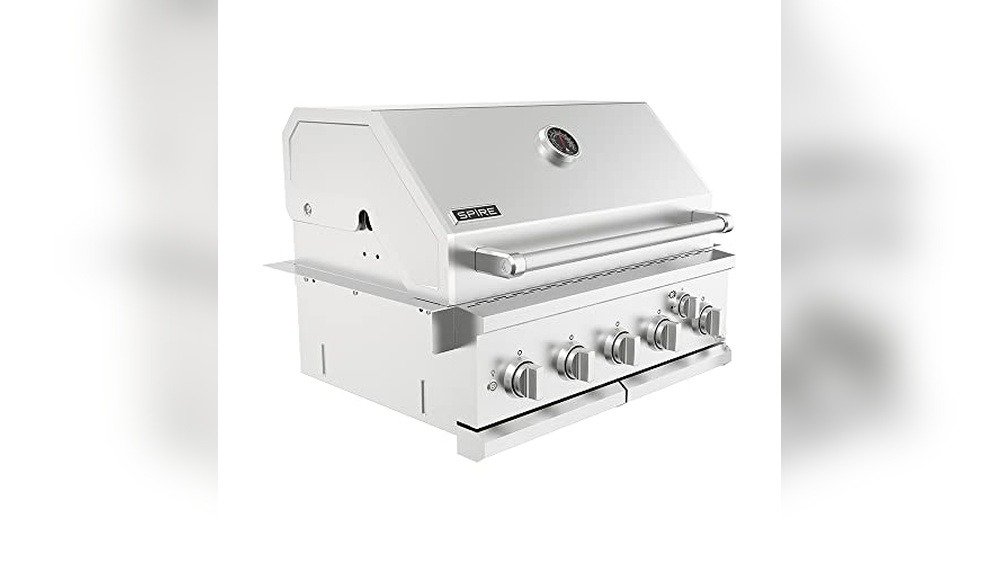
Setting up your gas grill correctly is crucial for achieving that perfect sear on your steak. The right setup ensures even heat distribution and prevents flare-ups that can ruin your meat. Before you place your steak on the grill, take time to prepare the cooking surface and heat zones carefully.
Creating High Heat Zones
To sear a steak well, you need a very hot area on your grill. Turn on one or two burners to high heat while leaving the others off or on low. This creates a two-zone fire: a hot zone for searing and a cooler zone for finishing the steak gently.
Why is this important? Searing locks in juices, while the cooler zone helps cook the steak through without burning it. This setup also gives you control—you can move the steak between zones depending on how it’s cooking.
Cleaning And Oiling The Grates
Before heating, scrape off any leftover residue from previous grilling sessions. A clean grate prevents sticking and ensures those beautiful grill marks on your steak. Use a sturdy grill brush or a ball of aluminum foil held with tongs for this job.
Once clean, oil the grates lightly using a paper towel dipped in high-smoke-point oil like canola or grapeseed oil. This step is key to preventing the steak from sticking and tearing when you flip it. Have you ever lost a perfect crust because the steak stuck to the grill? Oiling fixes that.
Searing Process
Searing a steak on a gas grill is about locking in flavor and creating that irresistible crust. The searing process demands attention to heat, timing, and placement. Each step affects the texture and taste, so mastering these details will elevate your grilling game.
Placing The Steak Correctly
Start by placing your steak directly over the hottest part of the grill. This high heat is essential to create that initial sear. Make sure the steak lays flat and doesn’t move around, so it forms an even crust.
Have you noticed how lifting or shifting the steak too soon can ruin the sear? Resist the urge to poke or flip it early. Let the heat do its work without interruption.
Achieving The Perfect Crust
A great crust forms when the grill is hot enough to cause the Maillard reaction—a chemical process that browns the meat and intensifies flavor. You want the surface to be dry, so pat your steak with paper towels before placing it on the grill.
Consider seasoning with salt just before searing; it helps draw out moisture and enhances crust development. Avoid pressing down on the steak, as this releases juices and prevents a good crust.
Timing Each Side
Timing is crucial. Typically, sear each side for 2-3 minutes on high heat to get that dark, caramelized crust. Use tongs to flip the steak gently once the crust forms—usually when it releases easily from the grill.
Do you find it tricky to judge when to flip? Watch for grill marks and listen for that sizzling sound. Remember, over-flipping cools the grill and interrupts the searing process.
Finishing The Steak
Searing a steak on a gas grill creates a tasty crust that locks in juices. Heat the grill until very hot, then place the steak directly on the grates. Cook for a few minutes on each side without moving it to get perfect sear marks.
Finishing the steak on your gas grill is the moment where all your efforts come together to create a mouthwatering masterpiece. After achieving that delightful sear, the steak needs just a bit more love to reach your desired level of doneness. This is where the finishing touches make all the difference between a good steak and a great one.
Using Indirect Heat
Once you've achieved a perfect sear, it's time to let indirect heat work its magic. Move the steak to a cooler part of the grill, away from direct flames. This gentle heat allows the steak to cook evenly without burning the exterior. Creating a two-zone cooking area is a simple trick. Keep one side of the grill on high and the other on low. This setup ensures you have a safe spot to finish cooking the steak without risking overcooking.
Checking Internal Temperature
How do you know when your steak is done? The answer lies in its internal temperature. A digital meat thermometer is your best friend here, providing precise readings. Insert the thermometer into the thickest part of the steak. For medium-rare, aim for about 135°F (57°C). Remember, the steak will continue cooking a bit even after you remove it from the grill. Have you ever wondered why some steaks are juicier than others? It's often because the cook paid close attention to the internal temperature. This small step can make a big difference in your steak's tenderness and flavor.

Credit: barbecuesgalore.ca
Resting And Serving
Resting and serving a steak after searing on a gas grill is a crucial part of the process. It allows the juices to settle, making the steak tender and flavorful. Serving it correctly enhances the eating experience and highlights the steak's delicious taste.
Importance Of Resting
Resting lets the steak’s juices redistribute evenly. Cutting it too soon causes the juices to spill out. This results in a dry and less tasty steak.
Rest the steak on a warm plate or cutting board. Cover it loosely with foil to keep heat. Let it rest for 5 to 10 minutes. This short wait improves the texture and juiciness.
Serving Suggestions
Serve the steak with simple sides to complement its rich flavor. Classic choices include grilled vegetables, baked potatoes, or fresh salads.
- Slice against the grain for tender bites.
- Sprinkle with sea salt or fresh herbs like rosemary.
- Add a pat of butter or a drizzle of olive oil.
Pair the steak with your favorite sauce. Options like chimichurri, garlic butter, or peppercorn sauce work well. Present the steak with care to make the meal inviting and satisfying.
Common Mistakes To Avoid
Searing a steak on a gas grill needs attention to detail. Mistakes can ruin the crust or cause uneven cooking. Avoid these common errors for a juicy, flavorful steak.
Overcrowding The Grill
Placing too many steaks on the grill lowers the temperature. The meat steams instead of sears. Give each steak space to get direct heat. This helps form a crisp, tasty crust.
Overcrowding also makes flipping tricky. Steaks may stick together or cook unevenly. Leave room between pieces for air circulation and heat flow.
Flipping Too Often
Turning the steak repeatedly stops proper searing. Each flip cools the grill surface. The steak loses its chance to develop a brown crust. Let it cook on one side until you see grill marks.
Flip only once or twice. This keeps the steak juicy and well-seared. Patience is key to a perfect steak crust and flavor.

Credit: www.mychicagosteak.com
Tools And Accessories
A sharp grill brush cleans grates for better searing. Use tongs to flip steaks without piercing them. A meat thermometer helps check doneness precisely.
Grilling a perfect steak on a gas grill requires the right tools. Having the proper accessories ensures a juicy and flavorful outcome. Let's explore the essential tools and accessories to make your steak searing experience seamless and satisfying.
Recommended Grill Tools
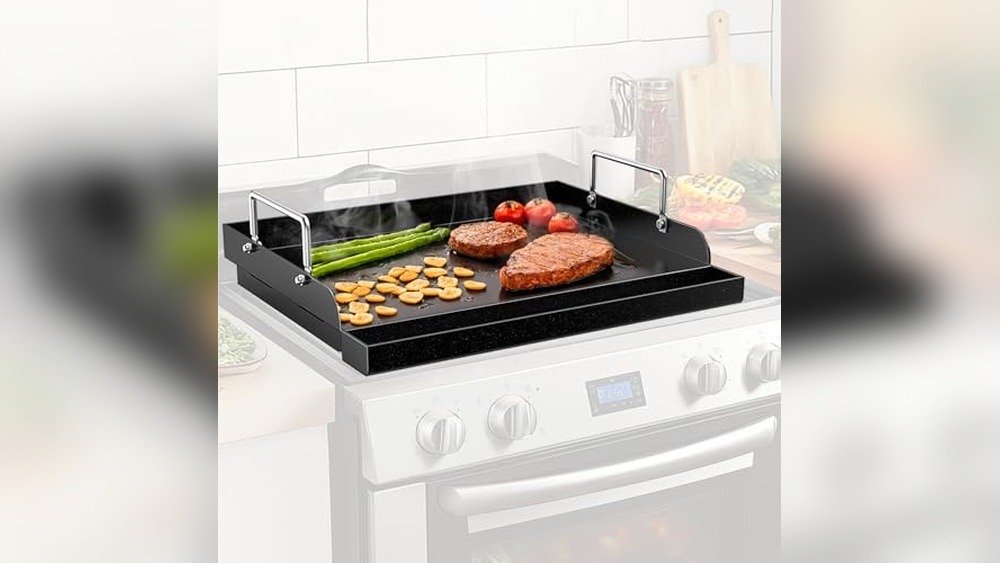
To sear a steak perfectly, you need quality grill tools. A sturdy set of tongs is crucial. They should be long enough to keep your hands safe from the heat. A grill brush is another must-have. It keeps your grill grates clean, ensuring even cooking. A basting brush is useful for applying marinades or oil. Opt for one with silicone bristles to withstand high temperatures. Consider using a cast-iron skillet on the grill for a perfect sear. It retains heat well and adds a nice crust to your steak.
Using A Meat Thermometer
A meat thermometer is essential for grilling steaks to the right doneness. Insert the thermometer into the thickest part of the steak. Ensure it doesn't touch bone or fat for accurate readings. For rare steaks, aim for 125°F. Medium steaks should reach 140°F. Well-done steaks need to hit 160°F. Using a thermometer prevents overcooking and ensures a tender, juicy steak. Keep an eye on the temperature and remove the steak a few degrees before the target. It continues to cook after removing from the grill.

Credit: m.youtube.com
Frequently Asked Questions
How Hot Should A Gas Grill Be For Searing Steak?
Preheat your gas grill to high heat, around 450-500°F. This temperature ensures a perfect crust without overcooking the inside.
How Long Do You Sear Steak On A Gas Grill?
Sear each side of the steak for 2-3 minutes. This locks in juices and creates a flavorful crust before finishing cooking.
Should You Oil The Steak Or Grill Before Searing?
Lightly oil the steak, not the grill grates. This prevents sticking and helps achieve an even, delicious sear on your steak.
Can You Sear Thick Steaks On A Gas Grill?
Yes, sear thick steaks on high heat first, then move to indirect heat to cook through evenly without burning.
Conclusion
Searing a steak on a gas grill takes practice and patience. Start with a hot grill and dry steak. Place the steak on the grill and don’t move it too soon. Let it cook until a crust forms, then flip.
Use a thermometer to check the temperature. Rest the steak before cutting to keep juices inside. With these simple steps, you can enjoy a tasty, grilled steak anytime. Keep trying, and your grilling skills will improve. A great sear brings out the best flavor and texture.