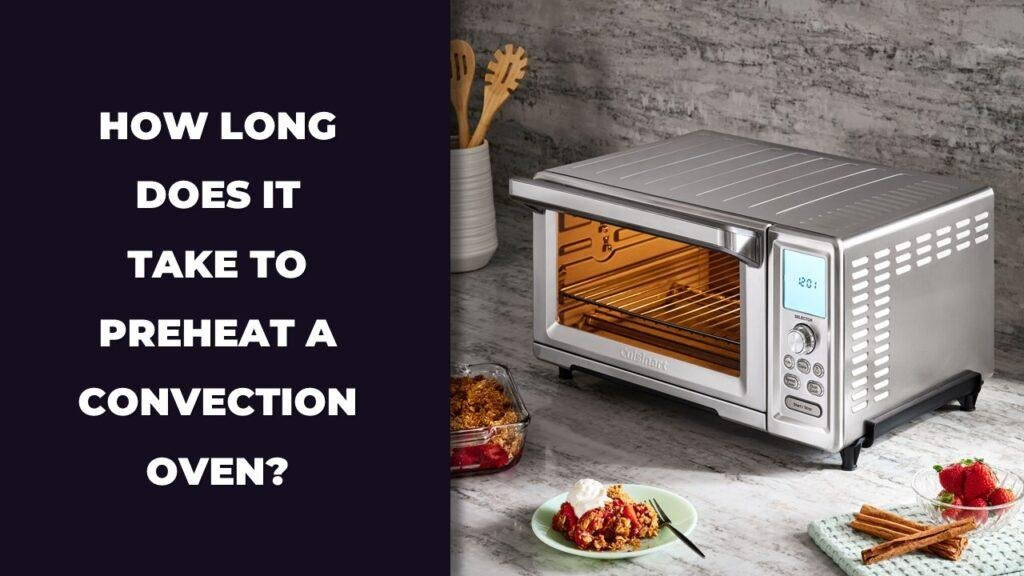
Roasting a chicken in a convection oven can transform your meal into a juicy, flavorful masterpiece with crispy skin that everyone will love. If you’ve ever wondered how to get that perfect roast every time, you’re in the right place.
This guide will show you simple steps to make your chicken tender inside and golden outside. By the end, you’ll feel confident to impress your family or guests with a delicious homemade roast. Ready to unlock the secrets of convection roasting?
Let’s dive in and make your next chicken dinner unforgettable.
Choosing The Right Chicken
Choosing the right chicken sets the foundation for a perfectly roasted meal in your convection oven. The type of chicken you select influences cooking time, flavor, and how evenly the heat circulates. Taking a moment to decide between whole or cut chicken, and fresh or thawed, will help you get the results you want.
Whole Vs. Cut Chicken
Are you aiming for a classic roast or quicker cooking pieces? A whole chicken offers a beautiful presentation and juicy meat, but it takes longer to cook. Cut chicken parts—like breasts, thighs, or drumsticks—roast faster and allow you to experiment with different seasonings on each piece.
Whole chickens benefit from the convection oven’s even heat circulation, which crisps the skin nicely. Meanwhile, cut pieces can brown more evenly without drying out if you watch the timing carefully. Think about your meal plans and how much time you have before choosing.
Fresh Or Thawed Chicken
Using fresh chicken can give you a slightly better texture and flavor, but it's not always easy to get. Thawed chicken works just as well in a convection oven, as long as you thaw it safely and completely. Partially frozen chicken cooks unevenly, leading to dry edges and undercooked centers.
If you plan ahead, thawing your chicken in the refrigerator overnight is best. Quick-thaw methods like cold water baths work but require attention. Have you ever rushed your cooking only to end up with a tough, uneven roast? Taking the time to prepare your chicken properly pays off in taste and texture.
Prepping The Chicken
Prepping the chicken properly sets the foundation for a perfectly roasted bird in your convection oven. It’s not just about seasoning—how you clean, dry, and even tie your chicken affects the texture and flavor. Paying attention to these details can make the difference between a dry, unevenly cooked chicken and a juicy, golden masterpiece.
Cleaning And Patting Dry
Start by removing any giblets from the cavity and rinse the chicken under cold water. It’s important to pat the skin dry thoroughly with paper towels. Moisture on the skin prevents crisping, so the drier the chicken, the better your roast will brown and crisp up in the convection oven.
Seasoning Techniques
Seasoning isn’t just sprinkling salt on top. Rub salt, pepper, and your favorite herbs under the skin as well as on the surface. This ensures the flavors penetrate the meat deeply instead of just sitting on the skin. Don’t forget to season inside the cavity too—this adds a subtle aroma and taste that enhances every bite.
Trussing For Even Cooking
Tying your chicken with kitchen twine keeps the legs and wings close to the body. This helps the bird cook evenly, preventing the extremities from drying out or burning. Have you noticed how untrussed chickens sometimes have unevenly cooked wings? Trussing eliminates that issue and gives your roast a neat, professional look.
Setting Up The Convection Oven
Setting up the convection oven correctly is key to roasting a juicy chicken. Proper setup ensures even cooking and a crispy skin. Small adjustments make a big difference in taste and texture.
Optimal Temperature Settings
Set the oven temperature between 375°F and 400°F. This range cooks the chicken evenly while keeping it moist. Lower temperatures may dry out the meat. Higher temperatures can burn the skin before the inside cooks.
Rack Positioning
Place the oven rack in the middle or slightly lower. This position allows hot air to circulate around the chicken. Avoid placing the chicken too close to the heating element. Proper rack placement helps the chicken cook evenly.
Using Oven Accessories
Use a roasting pan with a rack to keep the chicken elevated. This lets the hot air flow underneath the bird. A drip pan catches juices and prevents smoke. Avoid covering the chicken with foil; it blocks airflow and stops crisping.
Roasting Process
Roasting a chicken in a convection oven brings out a beautifully crisp skin and juicy meat. The convection fan circulates hot air evenly, which can shorten cooking time and enhance flavor. Understanding the roasting process helps you get consistent and delicious results every time.
Timing Guidelines
Set your convection oven to about 375°F (190°C) for roasting chicken. Typically, plan for 10 to 12 minutes per pound, which is faster than a traditional oven. Keep in mind, smaller chickens might cook quicker, so check early to avoid drying out the meat.
Rest your chicken for at least 10 minutes after roasting. This helps juices redistribute, making the meat tender and moist. Have you ever sliced into a chicken only to find it dry? Timing can be the key difference.
Basting Tips
Basting adds flavor and keeps the skin moist but don’t overdo it. In a convection oven, the hot air dries the surface faster, so baste every 20 to 30 minutes. Use melted butter, olive oil, or pan juices for best results.
A quick personal tip: I found that basting too often cools the oven slightly, extending cooking time. Instead, aim for a few well-timed bastes to maintain heat and moisture balance. What’s your favorite basting mixture?
Monitoring Doneness
Use a meat thermometer to check if the chicken is done. Insert it into the thickest part of the thigh without touching bone; it should read 165°F (74°C). This is the safest way to avoid undercooking or overcooking.
Look for clear juices running from the chicken when pierced. If the juices are pink, the chicken needs more time. Trust your tools, but also observe the chicken’s texture and color as clues.
Achieving Crispy Skin
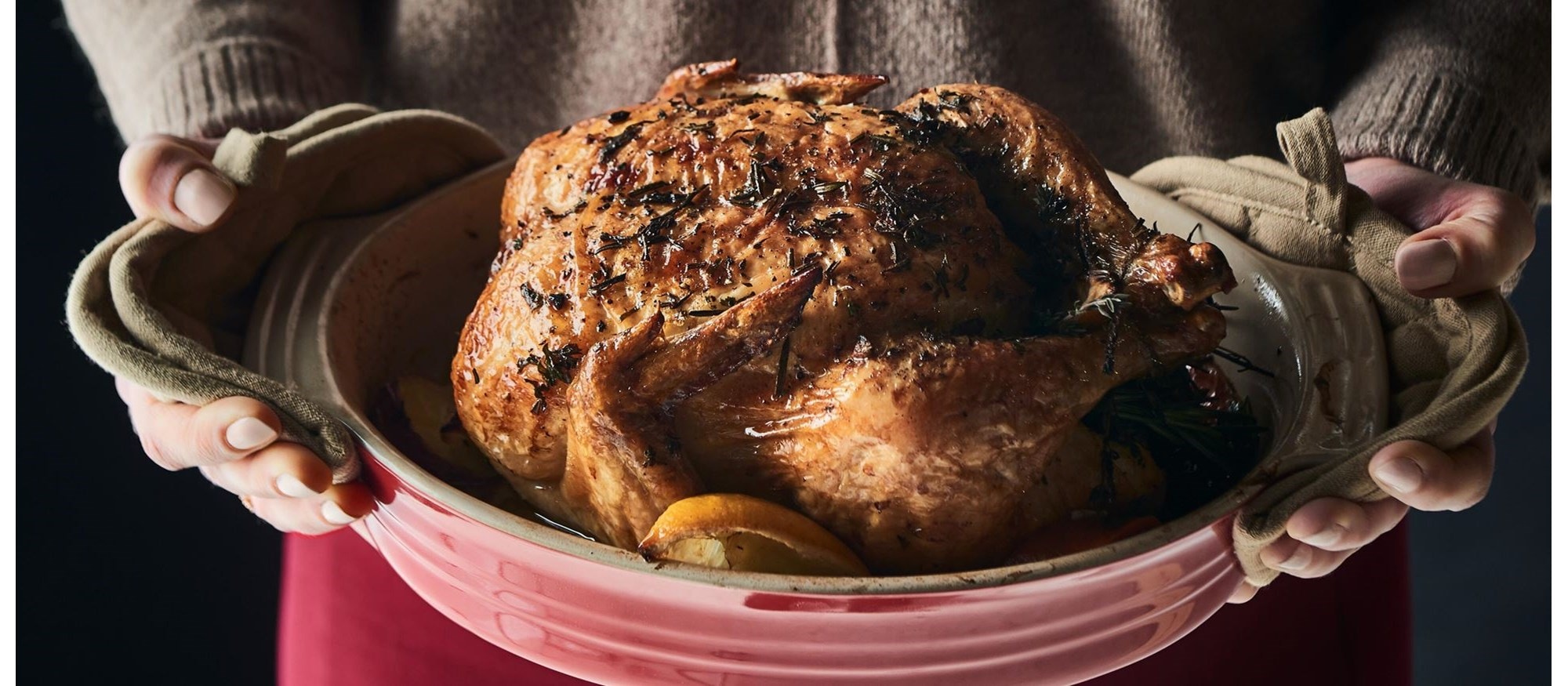
Roasting a chicken in a convection oven helps create crispy skin by circulating hot air evenly. Pat the chicken dry and roast at high heat for a golden, crunchy finish. This method ensures juicy meat and perfectly crisp skin every time.
Achieving crispy skin on a roast chicken is a culinary triumph that delights both the eyes and the palate. The convection oven, with its even heat distribution, is your ally in creating that perfect golden-brown finish. But what are the secrets to mastering this art? Let’s dive into the specifics of achieving crispy skin with some actionable tips.
Oil And Butter Application
The journey to crispy skin begins with a generous application of oil and butter. Combine equal parts of olive oil and melted butter, then brush this mixture all over the chicken. This not only enhances flavor but also aids in browning. Make sure to get into every nook and cranny, especially under the skin. Doing so helps the fat render properly, leading to that much-desired crispiness. A little extra effort here goes a long way.
High Heat Finishing
Have you ever wondered how restaurants get that perfect crisp? They use a high heat finishing technique. Start roasting the chicken at a lower temperature to cook it through, then crank up the heat for the last 10-15 minutes. This sudden blast of heat crisps up the skin without drying out the meat. Keep an eye on the chicken during this time to prevent burning. It’s a simple trick that makes a big difference.
Resting Before Carving
Once your chicken is perfectly crispy, resist the urge to carve it immediately. Resting the chicken allows the juices to redistribute, keeping the meat moist and flavorful. Place the chicken on a cutting board and cover it loosely with foil for about 10 minutes. This resting period also helps the skin retain its crispiness. You’ll find that patience truly pays off when you take that first bite. Are you ready to impress your dinner guests with the perfect roast chicken?
Credit: www.subzero-wolf.com
Common Mistakes To Avoid
Roasting chicken in a convection oven can deliver juicy meat and crispy skin. Avoiding common mistakes ensures the best results every time. Small errors can cause uneven cooking or dry meat. Understanding what to avoid helps improve your cooking process.
Overcrowding The Oven
Placing too many items in the oven blocks hot air flow. This stops the convection from working well. The chicken won't cook evenly and skin won’t crisp up. Leave enough space around the chicken for air to move freely.
Ignoring Temperature Adjustments
Convection ovens cook faster than regular ovens. Using the same temperature as a normal oven leads to overcooking. Lower the temperature by 25°F (about 15°C) to prevent burning. Check the chicken earlier than usual to avoid dryness.
Skipping Rest Time
Cutting the chicken right away makes the juices run out. The meat becomes dry and less flavorful. Let the chicken rest for at least 10-15 minutes after roasting. This allows the juices to settle and keeps the meat moist.
Serving Suggestions
Serving a roasted chicken fresh from the convection oven creates a warm, inviting meal. Choosing the right side dishes enhances the flavors of the chicken. Proper carving makes the presentation neat and easy for guests. Storing leftovers correctly keeps the chicken tasty for future meals.
Side Dishes That Pair Well
- Roasted vegetables like carrots, potatoes, and Brussels sprouts
- Simple green salads with a light vinaigrette
- Garlic mashed potatoes or creamy polenta
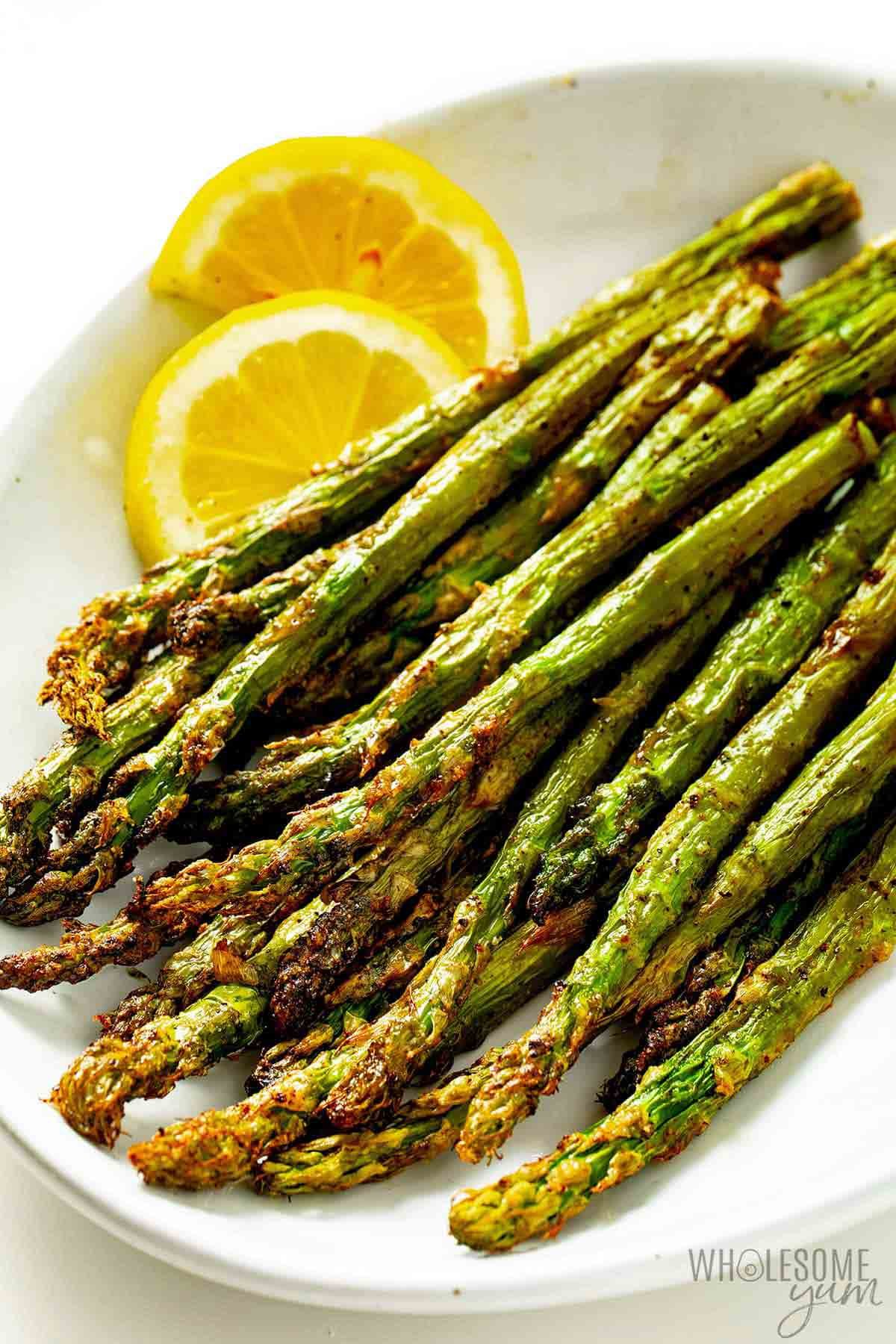
- Steamed green beans or asparagus with lemon
- Crusty bread or soft dinner rolls
Carving Tips
Let the chicken rest for 10-15 minutes after roasting. Use a sharp carving knife for clean cuts. Start by removing the legs and thighs. Next, slice the breast meat against the grain for tenderness. Arrange pieces neatly on a serving platter. This makes it easier for guests to serve themselves.
Storing Leftovers
Cool leftover chicken quickly to keep it safe. Store in airtight containers or wrap tightly with foil. Keep in the refrigerator for up to four days. Use leftovers in salads, sandwiches, or soups. For longer storage, freeze chicken for up to three months. Label packages with the date to track freshness.

Credit: www.convectionkitchen.com

Credit: m.youtube.com
Frequently Asked Questions
How Long To Roast A Chicken In A Convection Oven?
Roast a whole chicken at 375°F (190°C) for 20-25 minutes per pound. Check doneness with a meat thermometer reaching 165°F (74°C). Convection ovens cook faster, so start checking earlier than conventional ovens.
Should I Lower Temperature For Convection Roasting?
Yes, reduce the recipe temperature by 25°F (about 15°C). This prevents overcooking since convection ovens circulate hot air efficiently, cooking food faster and more evenly.
Do I Need To Cover Chicken While Roasting?
No, covering isn’t necessary in a convection oven. The circulating air crisps the skin nicely. Cover only if you want to keep the chicken moist or prevent excessive browning.
How To Ensure Crispy Skin In Convection Roasting?
Pat the chicken dry before roasting and lightly oil the skin. Use a rack to elevate the chicken, allowing hot air to circulate for even crispiness.
Conclusion
Roasting chicken in a convection oven is simple and quick. The hot air cooks the chicken evenly and keeps it juicy. Remember to preheat the oven for best results. Use a meat thermometer to check the chicken’s doneness. Let the chicken rest before cutting to keep it tender.
This method saves time and gives tasty, crispy skin. Try it for a delicious meal any day. Perfect for beginners and easy to follow. Enjoy your homemade roasted chicken with family or friends.