Have you ever accidentally melted plastic on your glass top stove and felt stuck, not knowing how to clean it without causing damage? It’s a frustrating situation, but don’t worry—you can fix this without stress.
Removing melted plastic from your stove may seem tricky, but with the right steps, you’ll have your surface looking spotless again. Keep reading, and you’ll discover simple, effective methods to handle this common kitchen mishap safely and quickly.
Tools You’ll Need
Removing melted plastic from your glass top stove demands more than just elbow grease. Having the right tools at hand makes the process safer, faster, and more effective. Before you begin, gather everything you need to protect your stove and yourself from damage.
Essential Cleaning Supplies
- Plastic scraper or razor blade– Designed to gently lift softened plastic without scratching the glass surface.
- Soft cloths or microfiber towels– Perfect for wiping away residue and polishing the stove afterward.
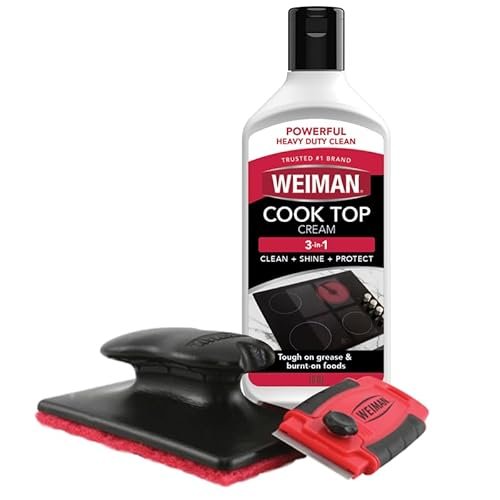
- Glass stove top cleaner– Helps remove any remaining marks and restores shine.
- Rubbing alcohol or acetone– Useful for breaking down stubborn plastic bits, but use sparingly and test first.
- Warm, soapy water– For initial cleaning and to soften the melted plastic.
Having these supplies ready means you won’t waste time searching mid-clean. Which of these do you already have at home?
Safety Equipment
- Heat-resistant gloves– Protect your hands from burns if the stove is still slightly warm or when working with hot tools.
- Eye protection– Prevents irritation from chemical splashes or plastic shards.
- Ventilation mask– Melting plastic can release harmful fumes; a mask helps you breathe safely.
Ignoring safety might turn a simple cleanup into a painful experience. Are you prepared to protect yourself properly during this task?
Initial Cooling And Preparation

Removing melted plastic from a glass top stove needs care and patience. The first phase is crucial to avoid burns or damage. Proper cooling and preparation set the stage for safe cleaning.
Letting The Stove Cool Completely
Turn off the stove and leave it alone. Do not touch the glass surface. Melted plastic stays hot for a long time. Wait until the stove feels cool to touch. This step prevents burns and avoids spreading the plastic further.
Clearing The Area
Remove all items near the stove. Clear pots, pans, and utensils from the cooking surface. Wipe away any spills or crumbs around the stove. Having a clean and clear workspace helps in careful removal. It also stops accidental scratches or stains on the glass.
Softening The Melted Plastic
Softening melted plastic on your glass top stove is key to removing it without causing damage. The challenge is to alter the plastic’s texture—making it easier to lift—without scratching or cracking the glass surface. Two common and effective approaches involve carefully manipulating temperature: either by hardening the plastic with cold or loosening it by gentle heat.
Using Ice To Harden Plastic
Have you ever tried freezing gum stuck in your hair? The same idea applies here. Placing ice on the melted plastic makes it hard and brittle, so it flakes off more easily.
Simply wrap ice cubes in a cloth and hold it against the plastic for several minutes. This cools the plastic quickly, causing it to contract and become less sticky. Once hardened, you can gently scrape it off using a plastic scraper or a credit card to avoid scratching the glass.
Keep in mind: don’t apply ice directly to the glass surface for too long, as extreme cold might cause thermal shock. Have you noticed how a quick chill changes the texture of some materials? That’s exactly what you’re aiming for here.
Applying Heat Carefully
Heat can also soften melted plastic, but it requires a delicate touch. Too much heat risks damaging your stove’s glass top, so use low settings and take it slow.
Turn on the burner to the lowest heat setting and allow the plastic to soften slightly. Once pliable, wipe it away gently with a soft cloth or use a plastic scraper. Avoid metal tools—they can leave scratches.
Another option is to use a hairdryer on warm (not hot) to warm the plastic. This method gives you more control over the heat applied. Have you ever noticed how warm plastic stretches? That’s the softness you want before removal.
Removing The Plastic Safely

Carefully let the stove cool before scraping off melted plastic with a plastic scraper. Warm a cloth with soapy water to clean remaining residue gently. Avoid harsh tools to prevent scratches on the glass surface.
Removing melted plastic from a glass top stove can be daunting, but safety should always be your top priority. The task requires a careful approach to avoid damaging the stove’s surface while effectively eliminating the plastic residue. The following methods offer practical solutions to tackle this issue without compromising your stove’s sleek appearance.
Scraping Techniques
Use a razor blade scraper, which is specifically designed for glass surfaces. Hold the blade at a 45-degree angle to gently lift the plastic without digging into the glass. Apply light pressure and maintain a steady hand to prevent the blade from slipping. It’s crucial to keep the blade’s edge clean and sharp for effective scraping. If the plastic is particularly stubborn, heat it slightly using a hairdryer before attempting to scrape. This softens the plastic, making it easier to remove.
Avoiding Scratches
Place a damp cloth over the affected area and let it sit for a few minutes. This can loosen the plastic, reducing the need for aggressive scraping. Never use abrasive cleaners or scouring pads, as they can permanently scratch the glass surface. Opt for a gentle cleaning solution specifically made for glass stove tops. Think about using a mixture of baking soda and water to form a paste. Apply this to the area and let it sit for a few minutes before wiping it away. This method is gentle yet effective in dealing with minor residues. Have you ever found yourself in a situation where a quick reaction might have saved your stove from damage? Taking preventative steps, like using the right tools and techniques, ensures your glass stove remains in pristine condition.
Cleaning Residue And Stains
After carefully removing the bulk of melted plastic from your glass top stove, the next challenge is tackling the stubborn residue and stains left behind. These marks can dull the surface and make your stove look neglected. Cleaning these residues effectively not only restores the shine but also prevents any long-term damage to the glass.
Using Baking Soda Or Vinegar
Baking soda and vinegar are powerful natural cleaners that work wonders on stove stains. Sprinkle baking soda generously over the stained areas. Then, spray or pour a small amount of white vinegar over the powder and let it fizz for a few minutes.
This fizzing action helps break down the plastic residue and stains without harsh chemicals. After waiting, gently scrub the surface with a soft sponge or cloth in circular motions. You’ll notice the stains starting to lift, making it easier to wipe away.
Have you tried using these common kitchen ingredients for tough stains before? Their effectiveness might surprise you and save you a trip to the store for expensive cleaners.
Wiping And Polishing The Surface
Once the residue softens, it’s time to wipe it clean. Use a damp microfiber cloth to remove the baking soda and loosened residue. Avoid abrasive pads that can scratch the glass.
After wiping, polish the stove top with a dry microfiber cloth to restore its natural shine. You can add a few drops of olive oil or a specialized glass stove cleaner to the cloth for extra gloss and protection.
Does your stove top feel smoother and look brighter after this simple polishing step? This final touch makes a big difference in maintaining a spotless cooking surface.
Preventing Future Plastic Melts

Preventing melted plastic on your glass top stove is easier than dealing with the sticky mess afterward. Taking proactive steps not only keeps your stove looking pristine but also saves you time and frustration. Let’s explore some practical ways to avoid this common kitchen mishap.
Safe Cooking Practices
Always keep plastic utensils and containers away from the stove’s surface while cooking. Even a quick moment near a hot burner can cause plastic to melt instantly. Are you double-checking your kitchen tools before turning on the heat?
Use heat-resistant mats or trivets to place any plastic items temporarily. This simple habit creates a safe zone, reducing the risk of accidental contact with hot glass. You might find that small changes like this prevent bigger problems.
When handling takeout or food storage containers, transfer contents to oven-safe dishes before reheating. Plastic containers are convenient but rarely designed for direct stove-top heat. This practice protects your stove and your food quality.
Regular Stove Maintenance
Keeping your glass top stove clean and well-maintained can minimize damage if plastic does melt. Wipe the surface after every use to remove crumbs and spills that could catch fire or trap heat. Have you noticed how a clean stove heats more evenly?
Inspect your stove regularly for scratches or cracks that can worsen if exposed to heat and melted plastic. Early detection of damage allows for timely repairs, preserving the stove’s lifespan. Maintaining your stove is an investment in your kitchen’s safety and appearance.
Consider using stove covers when the stove is not in use to prevent accidental spills. This shield can save you from unexpected messes and keeps the surface protected. How often do you cover your stove between cooking sessions?
Frequently Asked Questions
How Can I Safely Remove Melted Plastic From A Glass Stove?
Allow the stove to cool completely. Use a plastic scraper gently to lift the plastic. Avoid metal tools to prevent scratches.
What Household Items Clean Melted Plastic Off Glass Stoves?
Use baking soda paste or vinegar for stubborn residue. Apply gently with a soft cloth. Rinse and dry thoroughly after cleaning.
Can Heat Help Remove Melted Plastic From Glass Stoves?
Yes, briefly heating the stove softens plastic. Turn off heat and carefully scrape softened plastic with a plastic tool.
Is It Safe To Use Chemicals On Glass Stovetops?
Avoid harsh chemicals that may damage glass. Use mild cleaners designed for glass surfaces to protect your stove’s finish.
Conclusion
Removing melted plastic from a glass top stove takes patience and care. Use gentle tools and avoid scratching the surface. Heat the plastic slightly to soften it, then scrape carefully. Clean the stove with mild detergent afterward to remove residue.
Regular cleaning helps keep your stove safe and looking good. Follow these simple steps to protect your stove and keep it working well. Remember, safety first. Take your time and avoid rushing the process. Your stove will thank you.