Have you ever wondered if your meat is truly cooked to perfection? Using a good cook meat thermometer is the easiest way to make sure your food is safe and delicious every time.
But how do you read it correctly? If you've ever been confused by the numbers or unsure when to take your meat off the heat, this guide is for you. By understanding how to use your thermometer right, you’ll unlock juicier, tastier meals and never worry about undercooked or overcooked meat again.
Keep reading, and you’ll learn simple tips that make a big difference in your cooking.
Choosing The Right Thermometer
Choosing the right meat thermometer makes cooking easier and safer. It helps you check the temperature accurately. This ensures your meat is cooked perfectly every time. A good thermometer saves time and prevents foodborne illnesses. Understanding the types and key features will guide your choice.
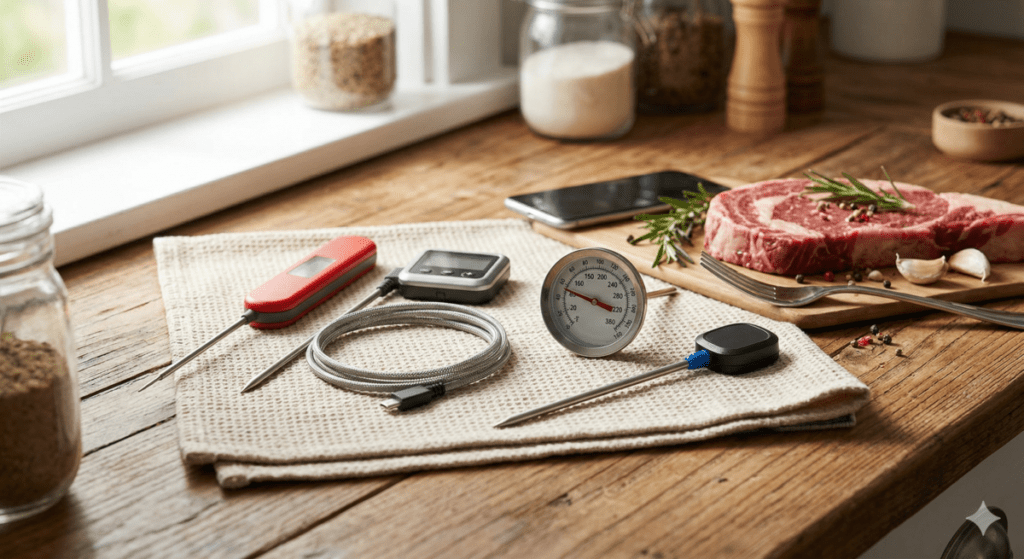
Types Of Meat Thermometers
- Instant-Read Thermometers:Provide quick temperature readings in seconds.
- Probe Thermometers:Stay in the meat while cooking, showing real-time temperatures.
- Dial Thermometers:Traditional style with an easy-to-read dial face.
- Digital Thermometers:Offer precise readings and often come with backlit displays.
Features To Look For
- Accuracy:Must show precise temperatures for safe cooking.
- Speed:Quick readings help avoid overcooking or undercooking.
- Ease of Use:Simple controls and clear displays improve convenience.
- Durability:Water-resistant and sturdy materials last longer.
- Temperature Range:Should cover common cooking temperatures from rare to well done.
- Probe Length:Long enough to reach the center of large cuts.
- Auto Shut-Off:Saves battery life when not in use.
Setting Up Your Thermometer
Setting up your meat thermometer correctly is the first step to mastering perfectly cooked meals. Without proper setup, even the best thermometer can give misleading readings. Taking a few moments to prepare your device ensures accuracy and confidence in your cooking results. In addition to accurate temperature readings, meal prepping techniques for beginners can streamline your cooking process and save time during the week. By planning your meals ahead, you can make the most of your ingredients and reduce food waste. Incorporating these strategies alongside your cooking will elevate your culinary skills even further.
Calibrating The Device
Calibration guarantees your thermometer reads the right temperature. A simple way to check is with the ice water test. Fill a glass with crushed ice and add cold water, then insert the probe into the mixture without touching the sides.
If the thermometer doesn't read 32°F (0°C), adjust it according to the manufacturer's instructions. This small step can save you from overcooking or undercooking your food. Have you ever relied on a thermometer only to find your steak was still raw inside? Calibration helps avoid that disappointment.
Proper Placement In Meat
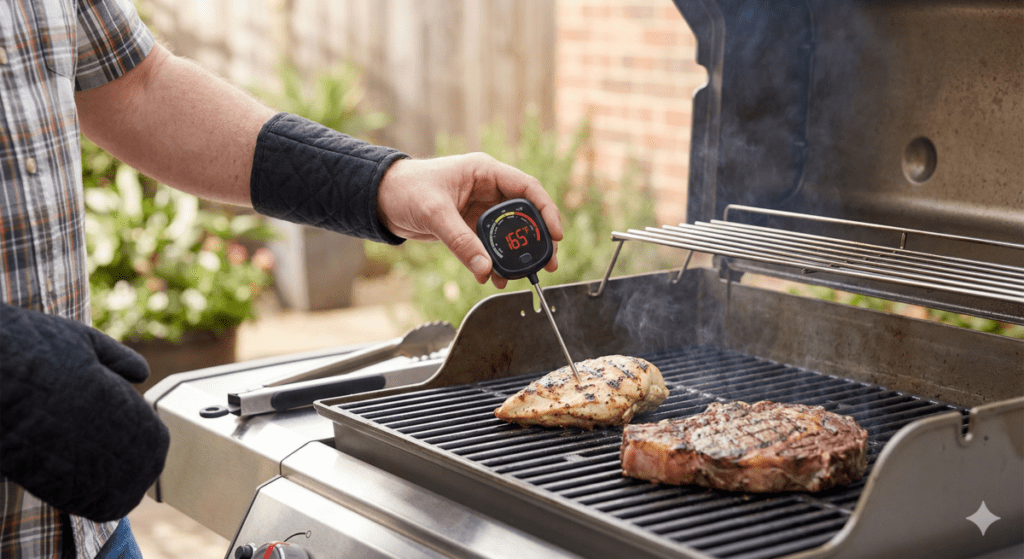
Where you place the thermometer probe matters as much as the device itself. Insert the probe into the thickest part of the meat, avoiding bones, fat, or gristle since they heat differently. For poultry, aim for the inner thigh area, and for roasts, the center is usually best.
Make sure the probe goes deep enough to measure the core temperature. A shallow reading can mislead you into thinking your meat is cooked when it’s not. Next time you check your roast, ask yourself: Am I measuring where the heat really counts?
Reading Temperature Accurately
Reading temperature accurately is key to cooking meat safely and perfectly. A good cook meat thermometer shows precise heat levels inside the meat. This helps avoid undercooked or overcooked food. Proper reading ensures juicy, tender, and safe meals every time.
Understanding Temperature Ranges
Different meats need different temperatures to cook fully. Knowing these ranges helps you use the thermometer well. For example, chicken should reach 165°F (74°C) to be safe. Beef steaks often taste best at 130-140°F (54-60°C) for medium rare.
Many thermometers list temperature zones on the dial or digital screen. These color zones guide you to safe and tasty results. Remember, temperature ranges vary for each type of meat and cut. Check a trusted chart for exact numbers.
Avoiding Common Mistakes
- Don’t insert the thermometer too close to the bone. Bones heat faster and give false readings.
- Always place the probe in the thickest part of the meat. This area cooks slowest.
- Wait a few seconds for the reading to stabilize before checking the temperature.
- Clean the probe after each use to avoid cross-contamination.
- Don’t rely on the cooking time alone. Use the thermometer to be sure.
Cooking Temperatures For Different Meats
Different meats need different cooking temperatures to be safe and tasty. Using a meat thermometer helps check the exact temperature inside the meat. This avoids undercooking or overcooking. Knowing the right temperature for each type of meat makes meals better and safer.
Beef And Lamb
Beef and lamb have various cooking levels. Use a thermometer to cook them perfectly. For steaks and roasts:
- Rare: 120-125°F (49-52°C)
- Medium rare: 130-135°F (54-57°C)
- Medium: 140-145°F (60-63°C)
- Well done: 160°F (71°C) and above
Ground beef and lamb need to reach 160°F (71°C) for safety.
Poultry
Poultry must be fully cooked to kill bacteria. The safe temperature for all poultry parts is:
- 165°F (74°C)
Check the thickest part, like the breast or thigh. Avoid touching bone with the thermometer.
Pork And Fish
Pork should be cooked to 145°F (63°C) and then rested for three minutes. This gives juicy, safe meat.
Fish is done at 145°F (63°C). The flesh should be opaque and flake easily with a fork.
Maintaining Your Thermometer
Clean your thermometer probe after each use to keep it accurate. Insert the probe into the thickest part of the meat without touching bone or fat. Wait for the temperature to stabilize before reading the display.
Maintaining Your Thermometer A reliable meat thermometer is an essential tool in any kitchen, ensuring your meats are cooked to perfection. However, to keep it accurate and long-lasting, proper maintenance is crucial. By taking a few simple steps, you can ensure that your thermometer remains in top shape for years to come.
Cleaning Tips
Cleaning your meat thermometer after each use is vital. Use warm soapy water to gently scrub the probe, being careful not to submerge the entire device if it's not waterproof. A small brush can help remove any residue that clings to the probe. Rinse thoroughly to ensure no soap remains, as this can affect future readings. Dry it immediately with a clean cloth to prevent rusting or water spots. If your thermometer is dishwasher safe, check the manufacturer's guidelines to ensure it's placed correctly.
Storage And Care
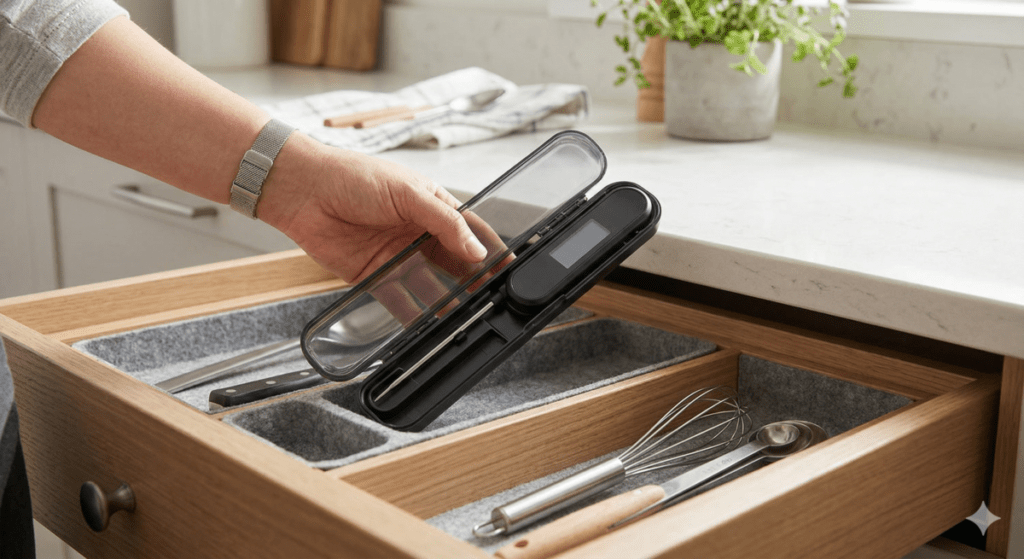
Proper storage is as important as cleaning. Store your thermometer in a dry, cool place to prevent damage from humidity or heat. Use a protective case if provided, as it prevents the probe from bending or breaking. Avoid leaving the thermometer in a hot oven or near high heat sources when not in use. Consider keeping it in a designated kitchen drawer, where it won't be jostled by other utensils. This habit ensures that it's always ready and accurate for your next culinary adventure. Are you taking these steps to maintain your thermometer? It's a small effort that pays off in perfectly cooked meals and a tool that stands the test of time.
Frequently Asked Questions
What Is The Best Way To Read A Meat Thermometer?
Insert the probe into the thickest part of the meat, avoiding bones. Wait until the reading stabilizes. Read the temperature on the display or dial to ensure safe cooking.
How Do I Know When Meat Is Fully Cooked?
Check the internal temperature against safe cooking guidelines. For example, poultry should reach 165°F, beef 145°F, and pork 160°F for safe consumption.
Can I Use Any Thermometer For Cooking Meat?
No, use a meat-specific thermometer. These provide accurate readings quickly and withstand high cooking temperatures. Avoid using candy or oven thermometers.
How Long Should I Wait For An Accurate Reading?
Wait 10 to 20 seconds after inserting the probe. This allows the thermometer to register the true internal temperature of the meat.
Conclusion
Reading a good cook meat thermometer is simple and useful. Insert the probe into the thickest part of the meat. Wait a few seconds for the temperature to show. Check the number against safe cooking guidelines. This helps avoid undercooked or burnt food.
Trust your thermometer for juicy and safe meals. Practice a few times, and it becomes easy. Enjoy cooking with confidence and better results every time.