Are you ready to make your turkey juicy, crispy, and full of flavor? Putting a turkey in a deep fryer can transform your holiday meal and impress everyone at the table.
But if you’ve never done it before, it might feel a little tricky or even risky. Don’t worry—this guide will walk you through every step, so you can fry your turkey safely and perfectly. Keep reading to discover the simple tips and expert tricks that will make your deep-fried turkey a delicious success.
Choosing The Right Fryer
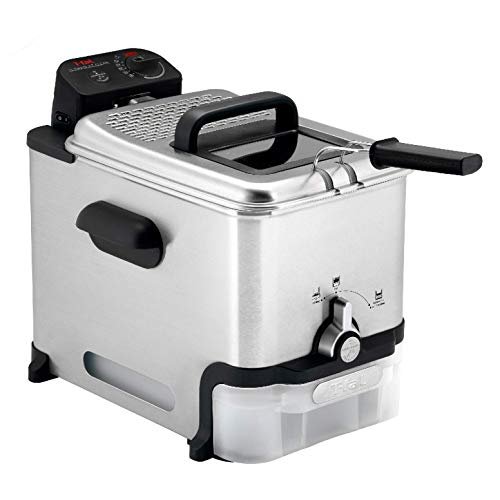
Choosing the right fryer is essential for a safe and delicious turkey deep frying experience. A good fryer fits your needs and space. It must handle the size of your turkey and offer features to keep you safe. The fuel type also affects how easy and efficient the frying process will be.
Size And Capacity
Pick a fryer that fits the size of your turkey. Most fryers list their capacity in pounds. Make sure the fryer can hold your turkey without crowding. The pot should be deep enough to fully submerge the bird in oil. Check the fryer’s dimensions to fit your cooking area safely.
Safety Features To Look For
Safety is key with hot oil. Look for fryers with built-in safety features. A stable base prevents tipping. A lid with a vent helps control splatter. Some models have temperature controls to avoid overheating. A thermometer and timer are helpful tools. Choose a fryer with clear instructions and safety warnings.
Recommended Fuel Types
Fryers use different fuel sources. Propane is common for outdoor fryers. It heats oil quickly and is easy to control. Electric fryers are safer for indoor use. They have less risk of fire but may take longer to heat. Some fryers use natural gas or charcoal. Match the fuel type with your cooking setup and local rules.
Preparing The Turkey
Preparing the turkey properly is essential before placing it in a deep fryer. This process ensures safety and helps achieve the best flavor and texture. Skipping these steps can cause accidents or uneven cooking.
Start by making sure the turkey is completely ready for frying. Each step below plays a crucial role in this preparation.
Thawing Completely
Never fry a frozen or partially frozen turkey. Ice inside the bird causes hot oil to splatter dangerously. Thaw the turkey fully in the refrigerator. This can take several days depending on the bird's size. Use a clean tray to catch any drips and prevent cross-contamination.
Removing Giblets And Neck
Check inside the turkey's cavity for giblets and the neck. These items are usually wrapped in a small bag. Remove and set them aside if you want to use them for gravy or stock. Leaving them inside can block even heat circulation during frying.
Drying The Turkey
Pat the turkey dry with paper towels inside and out. Moisture causes oil to bubble and splatter. Be thorough, especially in the cavity and under the skin if possible. A dry surface helps the oil cook the turkey evenly and crisply.
Setting Up Your Frying Area
Preparing your frying area is the first key to a safe and successful turkey deep frying. This step helps prevent accidents and makes cooking easier. Setting up a good space ensures you have room to work and keep everything under control.
Outdoor Placement
Place your deep fryer outside on a flat, stable surface. Avoid areas under trees or close to buildings. Keep the fryer away from anything that can catch fire easily. Choose a spot with good ventilation to let steam and smoke escape.
Fire Extinguisher Nearby
Keep a fire extinguisher within arm's reach. Make sure it is rated for grease fires (Class K or ABC). Check that the extinguisher is fully charged and easy to access. This safety step can stop fires quickly if they start.
Clear Surroundings
Remove all items around the fryer that could catch fire. Keep children and pets far away from the cooking area. Clear away furniture, decorations, and anything flammable. This creates a safe zone and lowers fire risks.

Credit: food52.com
Measuring Oil Levels
Measuring the oil level in your deep fryer is crucial before you even think about putting the turkey in. Too little oil means uneven cooking, while too much can cause dangerous spills. Getting the oil right sets the stage for a perfect, crispy turkey every time.
Using Water Test Method
One easy way to measure the correct oil level is by using water. Place your turkey in the fryer pot first, then add water until it just covers the bird. Remove the turkey and mark the water level on the pot with a marker or tape.
This mark shows exactly how much oil you need to add when frying. It prevents overfilling and ensures the oil won’t overflow once the turkey is submerged. Have you tried this simple trick yet? It’s a game changer for safety and accuracy.
Avoiding Overfilling
Overfilling your fryer with oil is risky. Hot oil can spill over and cause serious burns or fires. Always leave enough space between the oil surface and the pot’s rim.
A good rule is to fill the pot only up to two-thirds full or use the water test method to find a safe level. If your fryer has a maximum fill line, never go beyond it. Safety should be your top priority while cooking.
Choosing The Right Oil
Not all oils are created equal for deep frying turkey. Pick oils with a high smoke point, such as peanut, canola, or vegetable oil. These oils withstand the high heat without burning or breaking down.
Using the right oil not only improves the taste but also protects your fryer and keeps your turkey crispy. Have you noticed a difference in flavor when switching oils? The choice you make here can impact your entire frying experience.
Heating The Oil
Heat the oil slowly to the right temperature before adding the turkey. Too hot oil can burn the bird, while too cool oil won’t cook it well. Use a thermometer to keep the oil steady around 350°F (175°C).
Heating the oil is a crucial step in deep frying your turkey to perfection. The aroma of a perfectly fried turkey can make any holiday feast unforgettable. But, achieving this requires careful attention to the temperature of the oil. Too hot, and you risk a kitchen disaster. Too cold, and your turkey turns out greasy and unappetizing. Let's dive into the essentials of heating the oil properly.
Ideal Temperature Range
The sweet spot for deep frying a turkey is between 325°F and 350°F. This range ensures that your turkey cooks evenly and develops that crispy, golden-brown skin everyone loves. Cooking at this temperature seals in the juices, making every bite succulent. Have you ever wondered why your turkey ends up greasy sometimes? It’s likely because the oil wasn’t hot enough.
Using A Thermometer
A reliable thermometer is your best friend here. Clip it securely to the side of your fryer. This allows you to monitor the temperature without having to hover over the pot constantly. It’s a simple tool, but it can save you from a potential culinary disaster. Have you ever tried to guess the oil's temperature? Using a thermometer eliminates the guesswork and ensures precision.
Avoiding Overheating
Overheating the oil can be dangerous and ruin your turkey. If the oil starts to smoke, it's too hot and needs to cool down a bit. Always turn off the burner if the oil temperature exceeds 375°F. Have you ever seen oil bubble too vigorously? That’s a clear sign to dial it back and let it cool before proceeding. Remember, patience and attentiveness are key when heating the oil. It might take a few extra minutes to get it right, but your perfectly fried turkey will be well worth the wait.
Lowering The Turkey Safely
Lowering a turkey into a deep fryer might seem straightforward, but it’s one of the riskiest parts of the process. The hot oil can cause severe burns if you’re not careful. Taking the right steps to lower the bird safely protects you and those around you from dangerous splashes or spills.
Using Protective Gear
Always wear thick, heat-resistant gloves and long sleeves. These protect your hands and arms from unexpected oil splashes. I learned this the hard way when a small splash hit my forearm—it hurt more than I expected.
Consider wearing safety goggles too. Your eyes are vulnerable to hot oil, and a splash can cause serious injury. It might feel cumbersome, but it’s worth the extra caution.
Slow And Steady Process
Lower the turkey slowly and steadily into the oil. Rushing increases the chance of the oil bubbling up and spilling over. Take your time—this isn’t a race.
Use the fryer’s basket or a sturdy hook to control the descent. Hold the handle firmly and keep the turkey balanced. If you feel the oil bubbling aggressively, pause briefly before continuing.
Avoiding Oil Spillovers
Overfilling the fryer with oil is a common mistake that leads to dangerous spillovers. Before you start, measure the oil by submerging the turkey in water inside the fryer, then mark the level. Drain the water and fill only to that mark with oil.
Lowering the turkey gradually minimizes the sudden displacement of oil. This helps prevent the oil from spilling and possibly igniting. Always keep a fire extinguisher rated for grease fires nearby—just in case.
Cooking Time And Temperature
Getting the cooking time and temperature right is crucial when frying a turkey. Too low, and the bird can end up greasy and undercooked. Too high, and you risk burning the skin or even causing a dangerous fire. Knowing the right numbers can make all the difference between a perfectly crispy turkey and a kitchen disaster.
General Cooking Guidelines
Set your deep fryer to 350°F (175°C) for the best results. This temperature crisps the skin while cooking the meat evenly inside. A good rule of thumb is to fry the turkey for about 3 to 4 minutes per pound.
- If your turkey weighs 12 pounds, aim for 36 to 48 minutes of frying time.
- Always use a thawed and fully dried bird to avoid dangerous oil splatters.
- Lower the turkey slowly into the hot oil to prevent overflow and burns.
Checking Internal Temperature
Use a meat thermometer to check the turkey's doneness. Insert it into the thickest part of the thigh without touching the bone. The turkey is safe to eat when it reaches 165°F (74°C).
Checking temperature early and often can save your turkey from being undercooked or overdone. Have you ever sliced into a golden turkey only to find it pink inside? A thermometer prevents that disappointment.
Avoiding Undercooking
Never guess if your turkey is done—always rely on internal temperature. Undercooked poultry can cause foodborne illness, which is not worth the risk. If the turkey isn’t up to temperature, give it more time in the oil.
Remember, the oil temperature will drop slightly when you add the turkey. Keep an eye on the fryer and adjust the heat to maintain 350°F. This helps cook the turkey evenly and avoids undercooked spots.
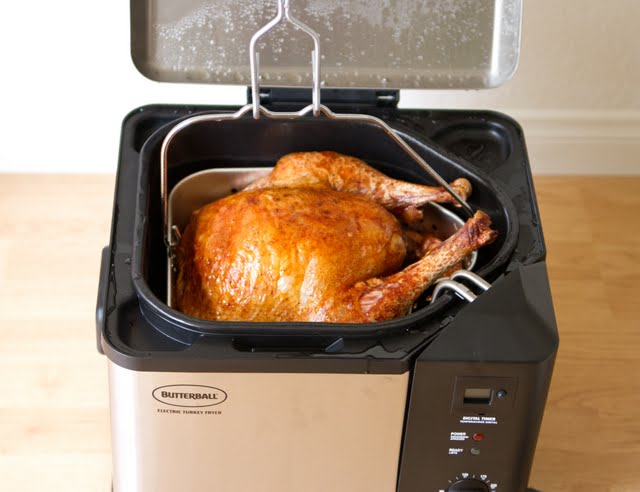
Credit: kirbiecravings.com
Removing And Resting The Turkey
After frying your turkey, the process of removing and resting it is just as important as the cooking itself. Handling the bird safely prevents accidents and ensures your turkey stays juicy and flavorful. Let’s look at how to take the turkey out of the fryer carefully, manage the excess oil, and give it time to rest before carving.
Safe Removal Techniques
Always wear heavy-duty, heat-resistant gloves and long sleeves to protect yourself from hot oil splashes. Use a sturdy, slotted basket or lifting hook designed for deep frying turkeys to lift the bird out slowly and steadily.
Lift the turkey straight up and hold it above the fryer for a few moments to let the oil drip back into the pot. Place the turkey on a heatproof surface away from children and pets to avoid any accidents.
Draining Excess Oil
Position the turkey on a wire rack set over a rimmed baking sheet or large tray. This setup allows excess oil to drip off without the turkey sitting in it, keeping the skin crisp and not soggy.
If you notice large pools of oil, gently blot the skin with paper towels—don’t rub, as this can remove crispy skin. Have you ever thought about saving that oil? Strain it through a fine mesh and store it for your next fry; it can be reused a couple of times if handled properly.
Resting Before Carving
Rest the turkey for at least 20 to 30 minutes before carving. This pause lets the juices redistribute throughout the meat, making every bite tender and juicy.
Cover the turkey loosely with foil to keep it warm but avoid sealing it tightly, which traps steam and softens the crispy skin. Have you noticed how resting changes the texture and flavor? It’s worth the wait.
Post-frying Cleanup
Clean the fryer carefully after use to remove oil and food residue. Allow the oil to cool before disposing or storing. Wipe down all parts to keep the fryer ready for next time.
After the delightful feast, it’s time for post-frying cleanup. This step is vital for safety and maintenance. Proper cleanup ensures your deep fryer stays in good condition. It also makes future frying easier and more efficient.
Cooling And Storing Oil
Let the oil cool completely before handling. Hot oil can cause burns. Use a thermometer to check the temperature. Once cooled, filter the oil using a strainer or cheesecloth. This removes food particles and debris. Store the filtered oil in a clean, dry container. Label the container with the date of use. Keep it in a cool, dark place for future use.
Cleaning The Fryer
Unplug the fryer and let it cool down. Remove any detachable parts and clean them separately. Use warm soapy water and a soft sponge. Avoid abrasive cleaners to prevent damage. Wipe the inside of the fryer with a damp cloth. Make sure all parts are completely dry before reassembling. This prevents rust and maintains the fryer's efficiency.
Disposing Of Used Oil
Sometimes oil can't be reused. In this case, dispose of it responsibly. Never pour oil down the sink. It can clog pipes and harm the environment. Check local regulations for oil disposal. Many areas have recycling centers for used cooking oil. You can also contact local waste management for guidance. Proper disposal protects the environment and keeps your kitchen running smoothly.
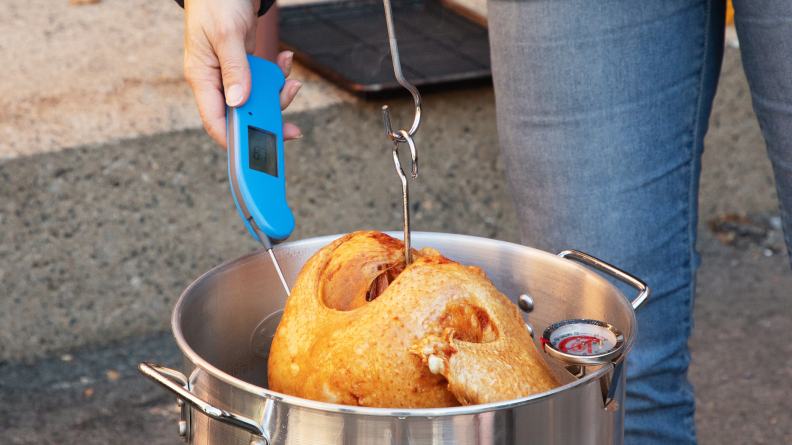
Credit: www.reviewed.com
Common Safety Mistakes To Avoid
Deep frying a turkey can be a delicious way to prepare your holiday meal, but it also comes with serious risks if safety precautions aren’t followed. Many accidents happen because of common mistakes that are easy to avoid. Knowing what these mistakes are can help you protect yourself, your guests, and your property.
Frying Indoors
Using a deep fryer inside your home or garage is extremely dangerous. Oil can easily catch fire, and indoor spaces often lack proper ventilation. Have you ever thought about how quickly a fire could spread in confined areas? Always set up your fryer outdoors on a flat, non-flammable surface far from buildings and overhangs.
Using Wet Or Frozen Turkeys
Never put a wet or frozen turkey into hot oil. Water causes the oil to bubble up violently and can lead to dangerous splatters or even explosions. I learned this the hard way when I tried frying a turkey straight from the freezer—oil spilled everywhere, and I had to stop immediately. Always thaw your turkey completely and pat it dry to prevent oil overflow and burns.
Leaving Fryer Unattended
It’s tempting to check on other dishes or relax while the turkey fries, but leaving the fryer unattended is risky. Oil can overheat quickly, causing fires or damage to the fryer itself. Have you planned who will watch the fryer the entire time? Stay close, keep a fire extinguisher nearby, and never leave the cooking area until the oil has cooled.
Frequently Asked Questions
How Do You Prepare A Turkey For Deep Frying?
First, thaw the turkey completely and remove all packaging. Pat it dry thoroughly to avoid oil splatter. Remove giblets and neck from inside. Season the turkey as desired, then slowly lower it into preheated oil using a sturdy fryer basket or hook.
What Safety Precautions Should I Take When Deep Frying Turkey?
Always fry outdoors on a flat surface, away from structures. Use a thermometer to monitor oil temperature, keeping it around 350°F. Never leave the fryer unattended and keep a fire extinguisher nearby. Lower the turkey slowly to prevent oil overflow and splatter.
How Much Oil Do I Need For Deep Frying A Turkey?
Fill the fryer with oil according to its manual, usually 3 to 5 gallons. To estimate, place the turkey in the fryer pot and add water until covered. Remove the turkey and note the water level; this is the amount of oil needed.
How Long Does It Take To Deep Fry A Turkey?
Deep frying usually takes about 3 to 4 minutes per pound. For example, a 12-pound turkey will take around 36 to 48 minutes. Always use a meat thermometer to ensure the internal temperature reaches 165°F for safety.
Conclusion
Deep frying a turkey can be safe and quick with the right steps. Always dry the bird completely before lowering it into hot oil. Use a sturdy hook or basket to avoid splashes. Keep a fire extinguisher nearby for safety.
Never leave the fryer unattended while cooking. With care and attention, you can enjoy a crispy, delicious turkey. Remember, preparation and safety come first. Now, you are ready to try deep frying your turkey confidently. Happy cooking!