Have you ever wanted a perfectly poached egg but dreaded the mess and time it takes on the stove? What if you could make one quickly, with almost no cleanup, using just your microwave oven?
You’re about to discover a simple, foolproof way to poach an egg that fits right into your busy routine. Keep reading, and you’ll learn the exact steps to get that silky, tender egg every time—without the hassle. Ready to upgrade your breakfast game?
Let’s dive in!

Preparing The Egg
Getting your egg ready for poaching in the microwave is a crucial step that sets the stage for a perfectly cooked result. It’s not just about cracking an egg into a bowl; the details matter. How you prepare the egg can affect texture, cooking time, and even how easy it is to clean up afterwards.
Selecting Fresh Eggs
Freshness makes a noticeable difference in poached eggs. Fresh eggs have firmer whites that hold together better, preventing that messy spread in the water. You can test freshness by placing the egg in a bowl of water—if it sinks and lays flat, it’s fresh; if it floats, skip it for poaching.
Have you noticed how older eggs tend to break apart more easily? Choosing fresh eggs means you’ll spend less time fishing out stray whites after cooking.
Using The Right Container
Choose a microwave-safe container that fits your egg comfortably without crowding. A small ramekin, custard cup, or even a deep coffee mug works well. Avoid wide, shallow dishes because they allow the egg to spread too thinly, which can lead to uneven cooking.
Think about ease of cleaning, too. Smooth surfaces with minimal edges save you from scrubbing stubborn egg bits.
Adding Water And Vinegar
Fill your container with about half a cup of water to cover the egg. Water helps cook the egg gently and evenly. Adding a teaspoon of vinegar helps the egg whites coagulate faster, keeping the egg together without affecting taste.
Don’t worry if you’re not a fan of vinegar’s flavor; it doesn’t make the egg taste vinegary. Have you tried different types of vinegar? White vinegar is usually best because it’s mild and colorless.
Microwave Settings
Getting the microwave settings right is key to perfectly poaching an egg without turning it rubbery or undercooked. Your microwave’s power level and timer need precise adjustment to mimic the gentle cooking of traditional poaching. Understanding these settings helps you control the cooking process and achieve that silky, tender egg white with a runny yolk.
Adjusting Power Levels
Microwaves usually default to full power, which is too intense for poaching eggs. You want to dial down the power to about 50-70%. This lower power allows the egg to cook slowly and evenly, avoiding the dreaded explosion or tough texture.
Try setting your microwave to medium or medium-high power. If your microwave has numbered power levels, choose level 5 or 6 out of 10. This adjustment gives you a gentle heat that cooks the egg white fully while keeping the yolk soft.
Have you noticed how quickly eggs can overcook on high power? Reducing the power is like giving your egg a calm bath instead of a boiling frenzy.
Setting The Timer
Timing is just as important as power. Start with short bursts, like 30 to 45 seconds, then check the egg. Microwaves vary, so it’s better to cook in increments and avoid overcooking.
If the egg white isn’t fully set, add 10-15 seconds at a time. Watch closely, because eggs can go from perfect to rubbery in seconds. Remember, you can always cook a little more but can’t undo overcooking.
Think about your own microwave’s quirks—does it cook faster or slower? Adjust your timer based on your experience to get consistent results every time.
Step-by-step Poaching Process
Poaching an egg in the microwave can save you time and effort without compromising on taste or texture. The key lies in controlling each stage carefully to avoid overcooking or uneven whites. Let’s break down the process so you can get that perfect poached egg every single time.
Cracking The Egg Into Water
Start by filling a microwave-safe bowl or mug with about half a cup of water. The water helps the egg cook gently and evenly, preventing it from drying out.
Carefully crack your egg into the water, making sure the yolk stays intact. If you want, you can add a pinch of salt or a splash of vinegar to help the egg white firm up faster.
Covering The Container
Cover the bowl or mug with a microwave-safe plate or lid. This traps steam and heat, which cooks the egg more evenly.
Leaving the container uncovered can cause the water to evaporate quickly, so don’t skip this step. If you don’t have a lid, use microwave-safe plastic wrap but leave a small vent for steam to escape.
Cooking The Egg
Microwave the egg on high power, usually for about 45 seconds to 1 minute. Cooking times vary based on your microwave’s wattage, so start with less time and add more if needed.
After cooking, let the egg sit covered for 30 seconds. This resting time allows the residual heat to finish cooking the egg without making it rubbery.
Have you noticed how a slightly undercooked yolk improves your breakfast experience? Experiment with timing until you find your ideal texture.

Tips For Perfect Eggs
Getting the perfect poached egg in a microwave can feel tricky, but a few simple tips make a big difference. You want a tender white that holds the yolk without turning rubbery or bursting. Paying close attention to timing and technique helps you enjoy restaurant-quality eggs right from your microwave.
Avoiding Overcooking
Microwaves cook eggs fast, so it’s easy to overdo it. To prevent this, start with shorter cooking bursts, like 30 seconds, then check and add more time if needed.
Using a microwave-safe cover traps steam and cooks the egg evenly without drying it out. Don’t forget to add a splash of water to the container to keep the egg moist.
Checking Doneness
How do you know when your egg is ready? Gently tap the egg white with a spoon—it should be set but still soft. The yolk should wobble slightly if you want it runny.
If you’re unsure, cut into the egg to see the yolk consistency. This little test helps you avoid that unpleasant overcooked chalky texture.
Handling Delicate Yolks
Yolks are fragile and can burst easily during cooking or transferring. Use a slotted spoon to lift your egg carefully from the water.
Cooling the egg briefly in cold water helps firm up the yolk’s surface, making it easier to handle without breaking. Have you tried gently swirling the water before microwaving? It keeps the egg centered and the yolk intact.
Serving Suggestions
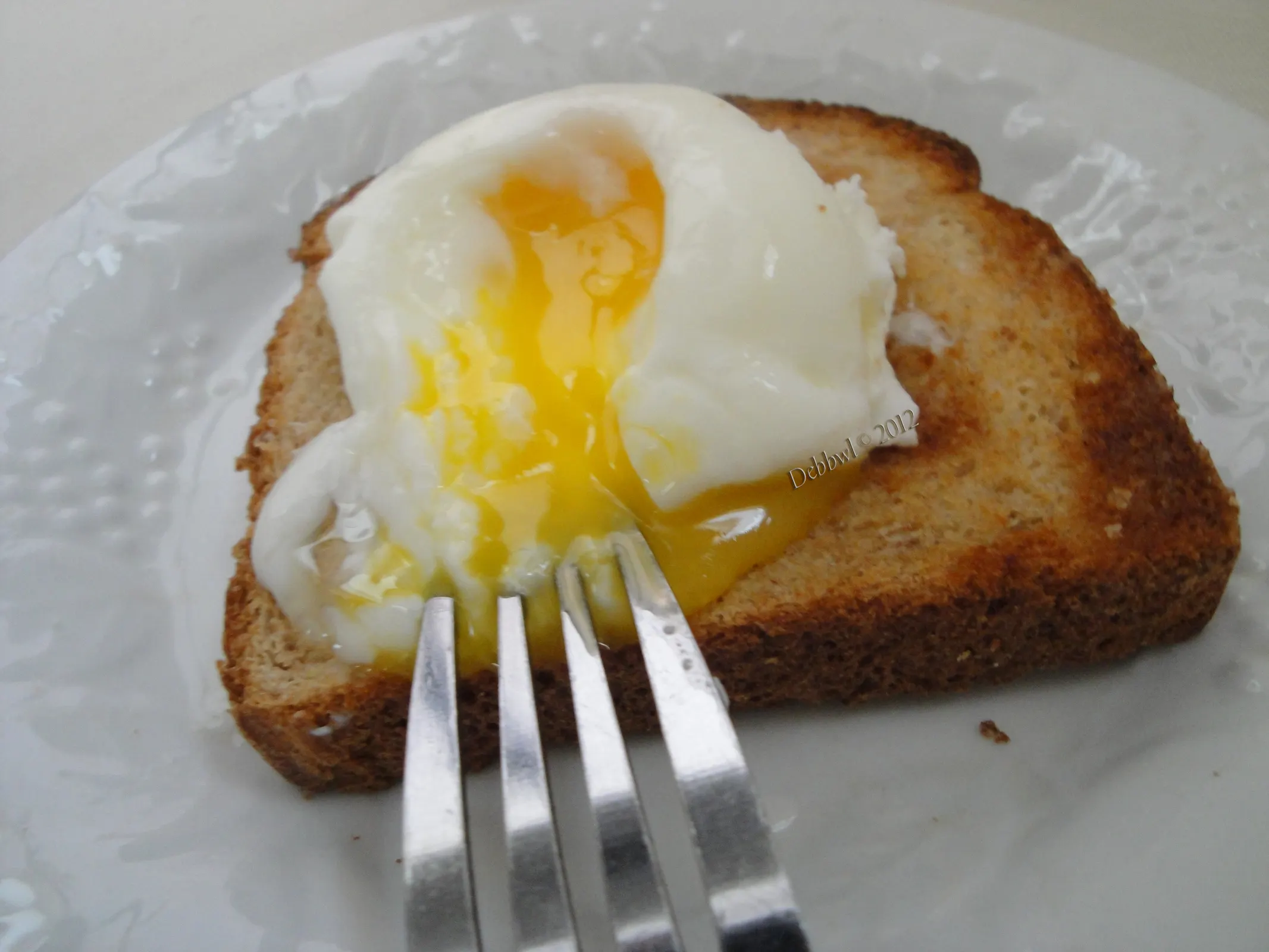
Serve poached eggs on toast or fresh salad for a quick meal. Sprinkle salt, pepper, or herbs to enhance flavor. Perfect for breakfast or light snacks.
Serving poached eggs from a microwave oven can be simple yet elegant. These delicate eggs offer a blank canvas for creativity. Whether you prepare a quick breakfast or a fancy brunch, serving matters. Let's explore some serving suggestions.
Plating Ideas
Presentation plays a big role in dining. Place your poached egg on a slice of toasted bread. Add a sprinkle of fresh herbs for a pop of color. Use a shallow dish to highlight the egg's round shape. A small bowl of mixed greens can cradle the egg gently. For a touch of elegance, use a white plate to make the yolk stand out.
Complementary Ingredients
Pairing the right ingredients enhances flavors. Avocado slices add a creamy texture. Smoked salmon offers a savory contrast. Cherry tomatoes bring a burst of sweetness. A dollop of hollandaise sauce creates richness. For a spice kick, add a dash of hot sauce. Freshly cracked black pepper can elevate the taste subtly. Whole grain toast provides a hearty base. These ingredients complement the poached egg beautifully.
Frequently Asked Questions
How Long To Poach An Egg In Microwave?
Poach an egg in the microwave for 45 to 60 seconds. Cooking time varies by microwave wattage. Use a microwave-safe bowl with water and vinegar for best results. Check the egg halfway to prevent overcooking.
What Is The Best Container For Microwave Poaching?
Use a microwave-safe bowl or mug with water. The container should be deep enough to submerge the egg fully. Glass or ceramic bowls work best. Avoid plastic containers that are not microwave-safe to prevent melting or chemicals leaching.
Can I Poach Multiple Eggs In Microwave?
Yes, you can poach multiple eggs separately in the microwave. Use separate containers or poach eggs one at a time for even cooking. Overcrowding causes uneven heat distribution and may result in undercooked eggs.
How To Prevent Microwave Egg From Exploding?
Pierce the egg yolk gently before microwaving to prevent explosion. Cover the container with a microwave-safe lid or plate. Stir water gently to release steam. Use short cooking intervals and check frequently.
Conclusion
Poaching an egg in the microwave is quick and easy. You only need a cup of water and a microwave-safe bowl. This method saves time and keeps your kitchen clean. Perfect for busy mornings or a simple snack. Just follow the steps carefully, and you will enjoy a soft, tasty poached egg.
Give it a try and enjoy your meal without any fuss. Simple cooking can be delicious too.