
Have you ever come across a recipe that calls for 1 5 of a teaspoon and wondered how to measure it exactly? You’re not alone.
Getting precise measurements can make a big difference in cooking or baking, especially when flavors need to be just right. You’ll discover simple, practical ways to measure this tricky amount without any guesswork. By the end, you’ll feel confident and ready to tackle any recipe that comes your way.
Let’s dive in and make measuring easy for you!
Why Measure 1/5 Teaspoon Accurately
Measuring 1/5 teaspoon accurately is crucial for many recipes. Small amounts of ingredients can affect flavor and texture. A tiny difference can change the taste completely. Accurate measurement ensures consistent results every time.
Some ingredients are very strong or potent. Using too much or too little can spoil a dish. Baking especially needs exact measurements. Even a small error can change how a recipe turns out. Measuring 1/5 teaspoon correctly helps maintain the perfect balance.
Maintaining Flavor Balance
Precise measurement keeps the right flavor mix. Too much salt or spice overwhelms other tastes. Too little makes the dish bland. Measuring 1/5 teaspoon accurately controls seasoning levels well.
Ensuring Recipe Success
Exact measurements help recipes work as intended. Baking needs precise amounts for proper rise and texture. Cooking requires balance for the desired outcome. Measuring 1/5 teaspoon carefully avoids recipe failure.
Controlling Nutritional Intake
Some ingredients affect health, like salt or sugar. Measuring small amounts helps control intake. Accurate 1/5 teaspoon measurement supports healthy eating habits. It prevents using too much of strong components.
Saving Ingredients And Money
Precise measuring avoids waste of costly ingredients. Using the correct amount means no need to redo recipes. Measuring 1/5 teaspoon carefully keeps costs down. It helps stretch ingredients further without losing quality.
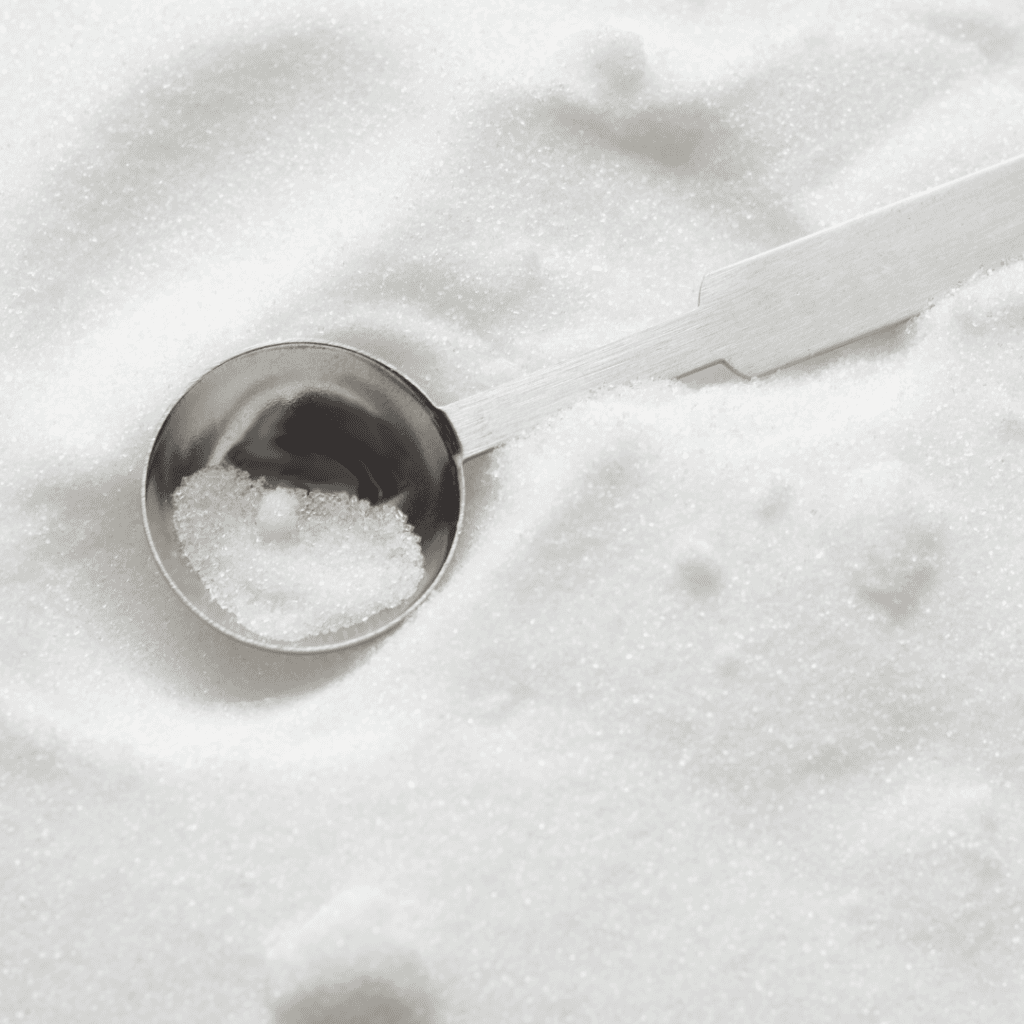
Credit: www.recipesandplaces.com
Common Kitchen Tools For Small Measurements
Measuring small quantities like 1/5 of a teaspoon can be tricky without the right tools. Luckily, the kitchen offers several handy options that make these tiny measurements easier and more accurate. Understanding which tool fits your needs can save you from guesswork and improve your cooking or baking results.
Teaspoon And Tablespoon Sets
Most kitchens come equipped with standard measuring spoon sets, including teaspoons and tablespoons. These sets usually have fixed sizes such as 1/4, 1/2, and 1 teaspoon, but they don’t include a 1/5 teaspoon measurement. To get 1/5 teaspoon, you can fill a 1 teaspoon measure and divide the ingredient into five equal parts, but this requires patience and precision.
Have you ever tried eyeballing small amounts with these sets? It often leads to inconsistent results, especially in baking. Using these standard spoons is great for quick estimates, but for exact small portions, you might want to consider more specialized tools.
Measuring Spoons With Fractional Markings
Specialty measuring spoons come with fractional markings like 1/8, 1/16, or even 1/5 teaspoon. These spoons allow you to measure small quantities without splitting larger amounts. They provide an easy and reliable way to handle precise measurements, especially when dealing with potent ingredients like spices or leavening agents.
If you’re serious about accuracy, investing in a set with fractional markings can be a game changer. These spoons often cost a little more but save you time and frustration. Have you considered how much a tiny difference in measurement affects your recipe’s taste or texture?
Using Pinch And Dash Techniques
Sometimes, you don’t have a specialized spoon handy, and you need a quick estimate. That’s where the pinch and dash techniques come in. A pinch generally equals about 1/16 of a teaspoon, while a dash is slightly more, around 1/8 teaspoon.
To measure 1/5 teaspoon, you can combine these techniques—for example, one dash plus a pinch gets close to 1/5 teaspoon. This method relies on a steady hand and experience, so it’s less precise but useful in casual cooking. Do you trust your instincts enough to make these small measurements without a spoon?
Simple Methods To Measure 1/5 Teaspoon
Measuring 1/5 of a teaspoon can be tricky without the exact tool. This small amount is not common on standard measuring spoons. Simple tricks help you get close enough for cooking or baking. These easy methods save time and avoid guesswork.
Dividing A Teaspoon Into Fifths
Start with a full teaspoon measure. Use a knife or small spatula to divide the spoon’s contents into five equal parts. Remove four parts carefully, leaving approximately 1/5 of the teaspoon. This works well for powders and dry ingredients. It requires patience but is quite accurate.
Using A 1/4 Teaspoon Minus A Pinch
Use a 1/4 teaspoon measure as a base. Fill it completely. Then, remove a small pinch of the ingredient. This reduces the amount to about 1/5 teaspoon. This method is simple and practical for most recipes. It works better with fine powders than with liquids.
Measuring By Weight With A Kitchen Scale
A kitchen scale provides the best accuracy. Check the ingredient’s weight per teaspoon online or on packaging. Divide that weight by five. Place a container on the scale and zero it out. Add the ingredient until the scale shows the correct weight for 1/5 teaspoon. This method is precise and great for baking.
Tips For Consistency And Accuracy
Measuring 1/5 of a teaspoon requires careful use of smaller measuring tools or dividing a teaspoon into equal parts. Consistent scooping and leveling help ensure accuracy in recipes. Practice and patience improve measurement skills over time.
When cooking or baking, precision matters. Measuring 1/5 of a teaspoon can be tricky. These tips ensure consistency and accuracy. They help you achieve the best results every time.
Leveling Off Ingredients
Leveling is crucial for dry ingredients. Use a knife or straight edge. Gently scrape across the top of the spoon. This removes excess, giving an exact measure. Avoid tapping the spoon. Tapping can pack ingredients, altering the measure.
Avoiding Packing Ingredients
Packing changes the volume of ingredients. For powders, spoon them lightly. Never press down or shake the spoon. This keeps the measure precise. For flours and similar, fluff them first. Use a spoon to transfer them to the measuring spoon.
Using Liquid Vs. Dry Ingredient Techniques
Liquids need different handling. Use a liquid measuring spoon. Hold it at eye level. Pour slowly until full. For dry ingredients, use a dry spoon. Each type of spoon is designed for specific ingredients. This ensures better accuracy in measurements.
Alternative Approaches Without Measuring Spoons
Not having a measuring spoon on hand doesn’t have to stall your cooking or baking. You can still measure 1/5 of a teaspoon accurately enough by using some clever alternatives. These approaches help you keep your recipe on track without stressing over exact tools.
Visual Estimation Tricks
Imagine the size of a small pinch you’d add when seasoning food—that’s roughly close to 1/5 teaspoon. You can divide a teaspoon into five equal parts visually by imagining it split into five small scoops.
If you’ve ever sprinkled salt or pepper by eye, you’ve practiced this skill. Try using the tip of a regular kitchen knife or a toothpick to scoop out a small amount. This helps you get closer to the right amount without measuring spoons.
Using Household Items For Reference
Common kitchen items can help you estimate 1/5 of a teaspoon. For instance, the tip of a matchstick or the end of a grain of rice approximates this quantity.
- A pinch between your thumb and forefinger often equals about 1/8 to 1/6 teaspoon, so slightly less than a pinch can work.
- A quarter of a standard salt shaker hole’s worth of salt is close to 1/5 teaspoon.
- A small drop from a dropper or the tip of a coffee stirrer can also be a useful guide.
These items let you measure without fancy tools, making you more resourceful in the kitchen.
Adjusting Recipes When Precise Measurement Isn’t Possible
Sometimes exact precision isn’t critical, especially in recipes like soups or stews. You can adjust the amount of an ingredient slightly without ruining the dish.
Ask yourself: Can the flavor handle a bit more or less? If yes, add a little less than what you think 1/5 teaspoon is, taste as you go, and adjust accordingly.
For baking, where precision matters, try mixing the ingredient with a larger batch or diluting it in a small amount of liquid before adding. This way, you spread the flavor more evenly and avoid overpowering the dish.

Credit: www.ebay.ca

Credit: www.amazon.com
Frequently Asked Questions
What Is 1/5 Of A Teaspoon In Milliliters?
1/5 of a teaspoon equals 1 milliliter. This conversion helps when measuring small amounts in recipes. Use a 1 ml measuring spoon for accuracy.
How To Measure 1/5 Teaspoon Without A Special Spoon?
Use a 1/4 teaspoon and remove a small pinch. It’s an approximation but works well for cooking and baking. Precision matters less in some recipes.
Can I Substitute 1/5 Teaspoon With Common Kitchen Spoons?
No, common spoons vary in size and aren’t precise. Use measuring spoons or a syringe for exact 1/5 teaspoon measurements. Accuracy ensures recipe success.
Why Is Measuring 1/5 Teaspoon Important In Recipes?
Small measurements affect flavor and texture in baking and cooking. Accurate 1/5 teaspoon measurements ensure consistent and delicious results every time.
Conclusion
Measuring 1/5 of a teaspoon can be simple and precise. Use a 1 teaspoon measure and fill it just one-fifth full. A pinch or a small scoop also works well. This small step helps keep your recipes accurate and tasty.
Practice makes it easier to guess this amount without tools. Cooking becomes more fun when measurements feel natural. Keep these tips handy for your next cooking adventure.


