Have you ever found yourself stuck, trying to measure 1/16 of a teaspoon for a recipe? It sounds tiny—so small that it’s easy to wonder if you really need to be that precise.
But when cooking or baking, even the smallest amounts can change the taste or texture of your dish. You might feel frustrated not knowing the best way to measure such a tiny amount. Don’t worry—this guide will show you simple, practical ways to measure 1/16 of a teaspoon accurately.
By the end, you’ll feel confident adding those tiny touches that make your food perfect every time. Keep reading to discover easy tricks that will improve your cooking and baking skills right now.
Why Measure 1/16 Teaspoon
Measuring 1/16 of a teaspoon might seem like an overly precise task, but it can be crucial in certain recipes. Small amounts of some ingredients can dramatically change the taste or texture of your dish. Understanding why you should measure this tiny fraction helps you appreciate the art and science of cooking and baking.
Importance In Cooking And Baking
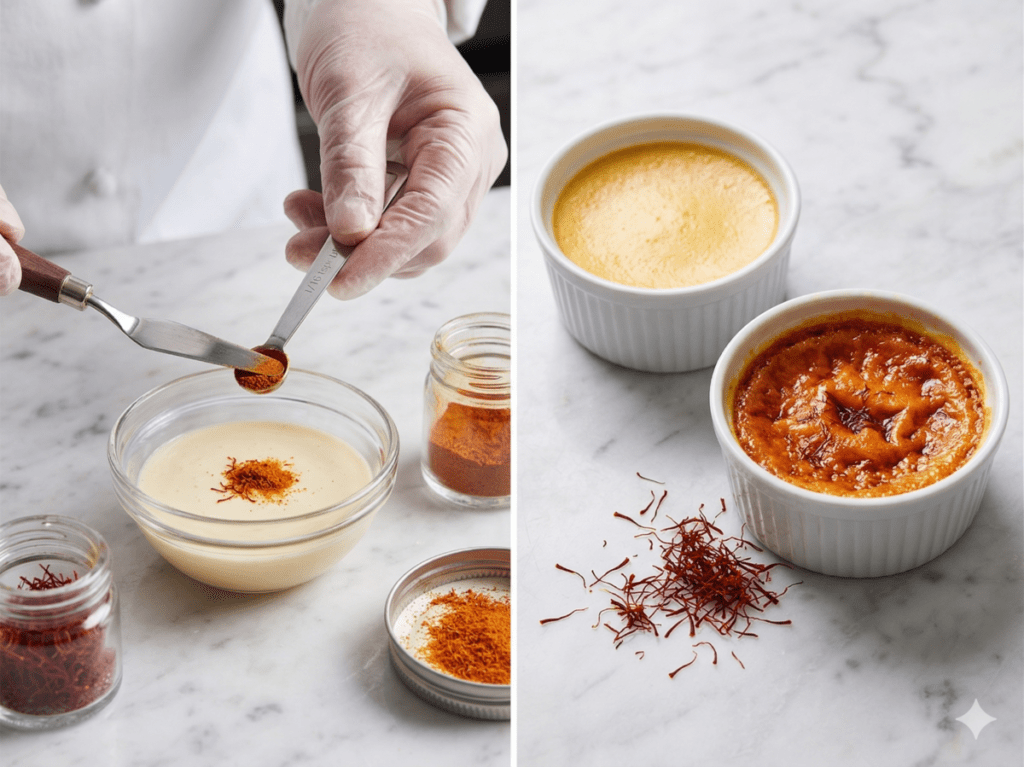
Precision matters more than you might think. A pinch too much salt or spice can overpower your dish, while too little can leave it bland. When a recipe calls for 1/16 teaspoon, it’s asking for a delicate balance that affects flavor, texture, and even the chemical reactions during baking.
Have you ever baked a cake that didn’t rise properly or tasted off? Sometimes, it’s the tiny amounts of baking powder or spices that make all the difference. Measuring these small quantities accurately helps you replicate successful results every time.
Common Ingredients Requiring Small Measures
Certain ingredients are often used in such small amounts that 1/16 teaspoon measurements become necessary. These include potent spices, baking soda, baking powder, and certain extracts or flavorings.
- Spices:Nutmeg, cinnamon, and cloves can be overpowering if you add too much.
- Baking agents:Baking soda and baking powder require exact amounts to ensure proper rising without a soapy taste.
- Extracts and flavorings:Vanilla or almond extract in small doses can enhance flavor without making it artificial.
Next time you see 1/16 teaspoon on your recipe, think about how much that tiny pinch contributes to the perfect balance of your dish. Isn’t it amazing how such a small measure can have such a big impact?
Tools For Measuring Tiny Amounts
Measuring very small amounts in cooking or baking can be tricky. One sixteenth of a teaspoon is a tiny quantity. Using the right tools helps achieve accuracy. Small measurements affect flavor and texture greatly. Knowing which tools to use makes your cooking easier and more precise.
Specialty Measuring Spoons
Specialty measuring spoons are designed for small amounts. They often come in sets with sizes like 1/8, 1/16, and 1/32 teaspoon (often playfully labeled as a "dash," "pinch," or "smidgen"). These spoons provide exact measurements. They are usually made of metal or plastic. Using them ensures your recipe is accurate every time.
Using Pinches And Dashes
A pinch is an informal way to measure very small amounts. It means the amount you can hold between your thumb and finger. A dash is slightly more than a pinch but less than 1/8 teaspoon. These methods work well for spices and salt. They offer a quick, rough estimate when precise tools are not available.
Household Items As Alternatives
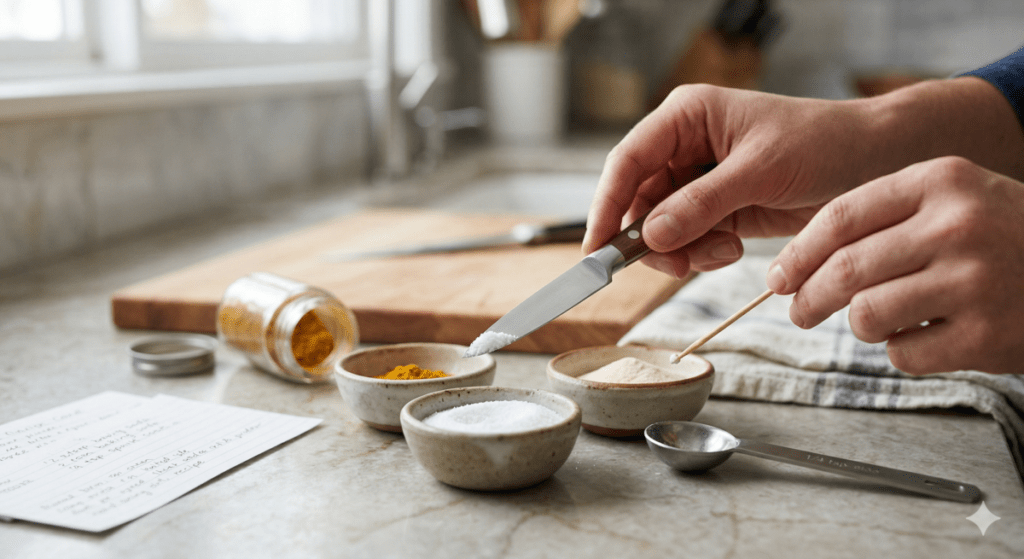
Sometimes, specialty tools are not at hand. Small household items can help measure tiny amounts. A tip of a knife blade can hold about 1/16 teaspoon. The end of a toothpick dipped in a powder can work too. These items are useful in a pinch but less accurate. Use them carefully to avoid too much or too little.
Techniques To Measure 1/16 Teaspoon
Measuring 1/16 of a teaspoon can feel tricky because it’s such a tiny amount. However, with the right techniques, you can achieve accuracy without guesswork. Let’s look at practical ways to measure this small quantity so your recipes turn out just right.
Dividing Larger Measures
One straightforward way is to measure a larger, more manageable amount and then divide it. For example, start with 1/8 teaspoon, which many measuring sets include, and split that in half. You can use a small knife or the back of a spoon to divide the spice evenly on a flat surface.
This method works well for dry ingredients like spices or baking powder. It helps avoid the frustration of trying to scoop an exact 1/16 teaspoon directly. Have you ever tried eyeballing tiny amounts only to realize you added double? Dividing larger measures solves that problem.
Using A Digital Scale
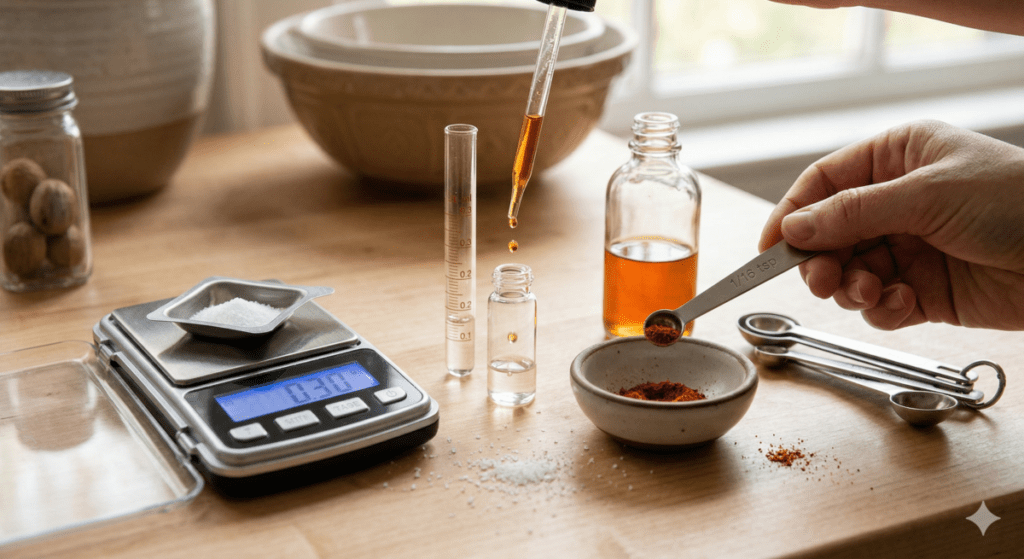
If precision matters, a high-precision digital scale is your best friend. Many specialty scales measure down to 0.01 grams, which can accurately weigh 1/16 teaspoon of most dry ingredients. Check your ingredient’s weight per teaspoon online or on the package, then calculate the weight for 1/16 teaspoon.
For example, if 1 teaspoon of salt weighs 6 grams, 1/16 teaspoon would be 0.375 grams. Place a small container on the scale, zero it out, and add your ingredient slowly until you reach the target weight. This method removes all guesswork and ensures exact measurements.
Visual Estimation Tips
Sometimes, you don’t have tools handy, so visual estimation can help. One tip is to think of 1/16 teaspoon as about the size of a pinch between your thumb and forefinger. Practice measuring a 1/4 teaspoon and then imagine dividing that into four equal parts.
Another trick is to use the tip of a regular teaspoon or even a toothpick to scoop a tiny amount. Over time, your eye will become more accurate at estimating small quantities. Have you noticed how chefs develop this skill just by experience? You can too, with a bit of practice.
Converting 1/16 Teaspoon To Other Units
Understanding how to convert 1/16 teaspoon into other units can make your cooking and baking more precise. Small measurements like this often come up when dealing with potent spices or delicate flavors. Knowing the exact equivalent in milliliters, drops, or grams helps you avoid mistakes and get consistent results every time.
Milliliters And Drops
One sixteenth of a teaspoon equals about 0.31 milliliters. Since milliliters measure volume, this conversion is useful when you use liquid ingredients or want to measure tiny amounts with a culinary syringe or dropper.
In terms of drops, 1/16 teaspoon roughly equals 6 drops. However, the size of a drop can vary depending on the liquid's thickness and the dropper used. So, while counting drops is handy, it’s not always exact.
Have you ever tried measuring a fraction of a teaspoon with a regular spoon? It’s tricky, isn’t it? Using milliliters or drops can give you more control and accuracy in your recipes.
Grams For Dry Ingredients
Measuring 1/16 teaspoon in grams depends on the ingredient’s density. For example, 1/16 teaspoon of salt weighs about 0.3 grams, but the same volume of flour weighs less because it’s lighter and fluffier.
Here’s a quick reference for common dry ingredients:
| Ingredient | Approximate Weight (grams) |
|---|---|
| Salt | 0.3 g |
| Sugar | 0.25 g |
| Flour | 0.2 g |
Do you find weighing tiny amounts of ingredients frustrating? Investing in a precise digital scale can save you time and improve your cooking accuracy, especially for small measurements like 1/16 teaspoon.
Common Mistakes To Avoid
Measuring 1/16 of a teaspoon can be tricky. Mistakes in this small measurement can lead to unexpected results. It's crucial to know the common pitfalls to ensure accuracy in your recipes.
Overpacking Ingredients
One common mistake is overpacking the ingredient. Many people scoop and pack tightly. This adds more than needed. For dry ingredients, use a light hand. Fill the spoon gently. Level it with a knife or flat edge. This ensures the right amount.
Ignoring Ingredient Density
Ignoring the density of ingredients is another error. Not all substances weigh the same. Flour and sugar have different densities. This affects the amount in a spoon. Understand the ingredient's texture. Adjust your measurement technique accordingly. This helps maintain recipe balance.
Practical Applications
Measuring 1/16 of a teaspoon is essential in many small-scale tasks. Precision matters in cooking, baking, and even health routines. This tiny amount can change the flavor, texture, or effect of a recipe or product. Understanding its practical uses helps appreciate why such precise measures matter.
Spices And Seasonings
Using 1/16 teaspoon of spices can balance flavors perfectly. Some spices are very strong. A small pinch can add the right taste without overpowering. This measure helps avoid too much salt, pepper, or chili. It ensures dishes stay tasty and enjoyable.
Baking Powder And Yeast
Baking needs exact amounts of leavening agents. Too much baking powder or yeast can ruin the texture. Measuring 1/16 teaspoon helps control how much the dough rises. This small amount can make a big difference in cakes and breads.
Medicinal And Cosmetic Uses
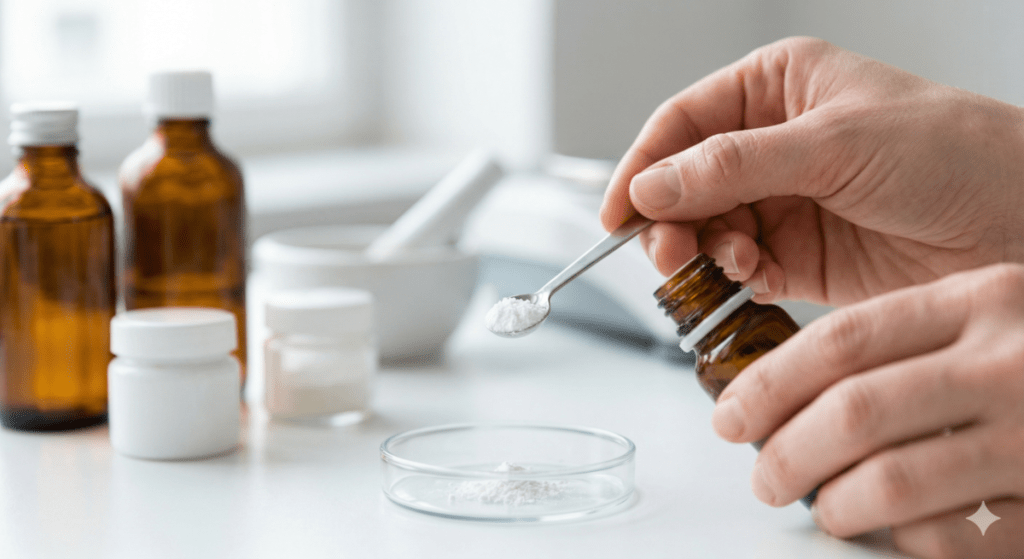
Small doses matter in medicines and skin products. 1/16 teaspoon often measures powders or oils. This keeps doses safe and effective. It prevents irritation or side effects from too much product. Accuracy supports better health and skin care results.
Frequently Asked Questions
How Do You Measure 1/16 Teaspoon Without A Special Tool?
You can estimate 1/16 teaspoon by dividing 1/8 teaspoon in half. Use a measuring spoon for 1/8 teaspoon, then scoop half of it carefully.
Can I Use Common Kitchen Items To Measure 1/16 Teaspoon?
Yes, you can use a pinch from your fingers as a rough 1/16 teaspoon. It’s not exact but works for most recipes.
Why Is Measuring 1/16 Teaspoon Important In Cooking?
Measuring 1/16 teaspoon ensures accuracy in recipes, especially for potent spices or baking ingredients. It helps maintain flavor balance and recipe success.
Are There Measuring Spoons For 1/16 Teaspoon Available?
Yes, some specialty measuring spoon sets include a 1/16 teaspoon. These ensure precise measurement for small quantities in cooking or baking.
Conclusion
Measuring 1/16 of a teaspoon is easier than it seems. Use common tools like a 1/8 teaspoon and fill it halfway. Small kitchen spoons or toothpicks can help too. Accuracy matters for recipes, especially baking. Practice a few times to get confident.
Simple tricks save time and avoid mistakes. Now, you can measure tiny amounts without stress. Keep these tips in mind for your next cooking adventure.