Have you ever needed to add just a tiny pinch of an ingredient but didn’t have the right measuring tool? Measuring 1/10 of a teaspoon might sound tricky, but it doesn’t have to be.
Whether you’re following a delicate recipe or experimenting with flavors, getting this small amount right can make all the difference. You’ll discover simple and clever ways to measure that elusive 1/10 teaspoon accurately — even if you don’t own a special measuring spoon.
Keep reading, and you’ll never have to guess again.
Tools For Measuring Small Amounts
Measuring very small amounts, like one-tenth of a teaspoon, can be tricky without the right tools. Precise measurement is important for recipes, especially in baking and cooking. Using the correct tools ensures accuracy and consistency in your dishes.
Using Measuring Spoons
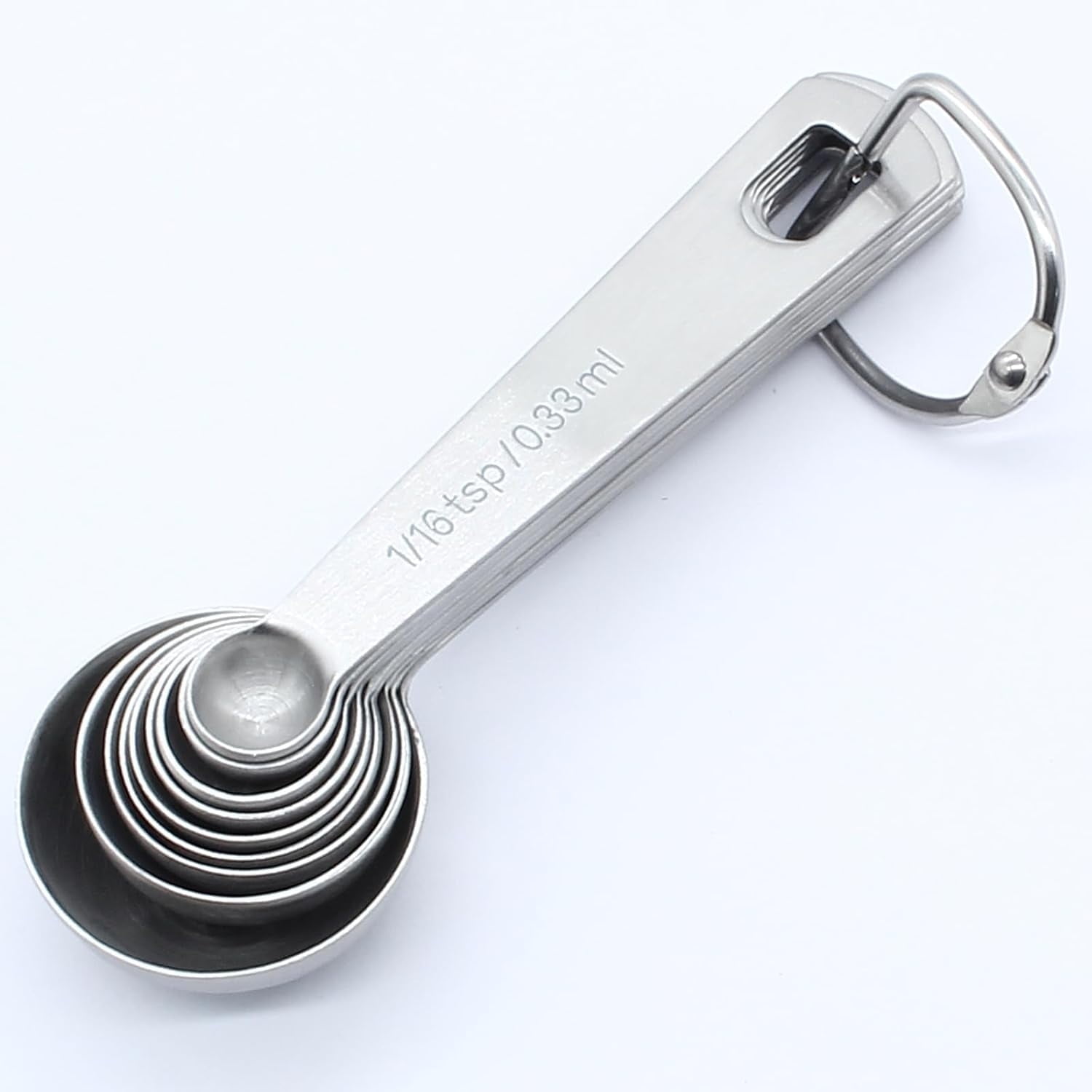
Measuring spoons come in sets with standard sizes. Most sets include 1 teaspoon and smaller fractions like 1/2 or 1/4 teaspoon. One-tenth of a teaspoon is not common in these sets. You can approximate by filling a 1/4 teaspoon less than half full. It requires a steady hand and good judgment.
Alternative Household Items
Some kitchen tools can help measure tiny amounts. A pinch or a dash is often used for small quantities. Use the tip of a knife to scoop a small amount. Small medicine droppers or pipettes work for liquid ingredients. These items are not exact but helpful for rough measures.
Digital Scales For Precision
Digital kitchen scales provide the most accuracy. They can measure in grams or milligrams, perfect for tiny amounts. Place a small container on the scale and tare it to zero. Add the ingredient slowly until the desired weight is reached. This method removes guesswork and improves precision.

Techniques To Measure 1/10 Teaspoon
Measuring 1/10 of a teaspoon can feel tricky since most standard measuring spoon sets don’t include this size. Yet, accurate measurement matters, especially in cooking and baking where precision impacts taste and texture. You can rely on simple tricks and everyday tools to get close enough without specialized gadgets.
Estimating With Larger Spoons
You can use your regular 1/2 or 1/4 teaspoon to estimate 1/10 teaspoon. Think of it as dividing those measures into smaller parts. For example, 1/10 teaspoon is roughly one-fifth of a 1/2 teaspoon.
Try filling a 1/2 teaspoon halfway, then visually split that half into five parts. Picking out just one part gets you close to 1/10 teaspoon. It’s not perfect, but with practice, you’ll develop a good eye for it.
Using Pinches And Smidges
Pinches and smidges are informal but handy terms you might already know. A pinch is generally considered about 1/16 teaspoon, so a smidge is even less. Using your fingers to measure a smidge can approximate 1/10 teaspoon.
Press a tiny amount of the ingredient between your fingertips—less than a pinch but more than a dusting. It’s surprisingly effective for spices or powders. Have you ever tried tasting a dish after adding just a smidge? It can make all the difference.
Leveling And Scooping Tips
Leveling off the ingredient helps improve accuracy. Use the edge of a knife or a flat spatula to scrape off excess when you scoop. This technique is especially useful when using a larger spoon to estimate smaller amounts.
Fill your spoon slightly over and then level it carefully to avoid adding too much. Consistency in this step ensures your measurements don’t vary wildly. How often do you think this simple tip could upgrade your home cooking?
Practical Tips For Accuracy
Measuring 1/10 of a teaspoon precisely can feel tricky, but small adjustments in how you measure can make a big difference. Accuracy isn’t just about the tool you use; it’s also about your technique and understanding the ingredient you’re working with. Let’s look at some practical tips that help you get closer to that tiny measurement with confidence.
Consistent Measuring Methods
Use the same measuring tool every time to keep your measurements consistent. A small set of measuring spoons with a 1/8 teaspoon can help, but you’ll need to estimate slightly for 1/10 teaspoon by filling it a bit less.
Level off your measurement with the flat edge of a knife instead of guessing. This small step can prevent you from adding too much.
Try using a digital scale that measures grams if you want more precision. For example, 1/10 teaspoon of salt is about 0.6 grams, which is easier to measure with a scale than spoons.
Avoiding Common Mistakes
Don’t scoop directly with the spoon if your ingredient is powdery or clumpy; it can pack tightly and give you more than you want. Instead, spoon the ingredient loosely into your measuring spoon.
Watch out for moisture in ingredients like brown sugar, as it can cause clumping and affect your measurement. Break up any lumps before measuring.
Make sure your spoon is dry before measuring sticky substances like honey or syrup. This prevents the ingredient from sticking and throwing off your accuracy.
Adjusting For Ingredient Types
Different ingredients behave differently in a measuring spoon. For example, powdered spices are light and fluffy, but salt crystals are denser. This means a level spoon of each doesn’t weigh the same.
When measuring liquids, use a tiny dropper or syringe for small amounts instead of spoons. This gives you more control and less mess.
Consider that some ingredients settle after measuring. If you measure baking powder or flour in advance, give it a gentle tap to settle it, then measure again if needed.
When Exact Measurement Matters
Exact measurement matters in many tasks. A tiny difference can change results. Measuring one-tenth of a teaspoon needs care and the right tools. Precision ensures the outcome is just right. This matters most in specific fields and activities.
Baking And Cooking Sensitivities
Baking depends on precise ingredient amounts. Too much or too little salt or baking powder affects taste and texture. Some spices are strong even in small amounts. Measuring 1/10 teaspoon exactly keeps flavors balanced. It helps create consistent and delicious recipes every time.
Medicinal And Supplement Dosing
Medicines and supplements require accurate doses. Too much can cause side effects. Too little might not work well. Measuring 1/10 teaspoon ensures safe and correct intake. This precision protects health and maximizes benefits. Use special measuring spoons or syringes for accuracy.
Scientific And Lab Use
Labs need exact measurements for experiments. Small changes can affect results and data. Measuring 1/10 teaspoon accurately is crucial in tests and research. Scientists use precise tools like micro scoops or pipettes. Accuracy keeps experiments reliable and repeatable.
Creative Hacks For Small Measurements
Measuring one-tenth of a teaspoon can be tricky without special tools. Try using a toothpick dipped lightly into the ingredient for an approximate small amount. Another option is to divide a 1/4 teaspoon measurement into smaller parts carefully.
Measuring tiny amounts like 1/10 of a teaspoon can feel like a daunting task, especially when you don't have the right tools. But don't worry, there are creative hacks to help you achieve accuracy. Whether you're a culinary enthusiast or a DIY project lover, these tips will make your life easier and perhaps even a bit more fun.
Diy Measuring Tools
You don't need fancy gadgets to measure small amounts. Try using a clean cap from a bottle of water or soda, which often holds about 1 teaspoon. Just fill it to the desired fraction. You can also use a piece of paper folded into a small scoop. Measure a full teaspoon of an ingredient, then divide it visually into ten equal parts. Simple and effective!
Using Syringes And Pipettes
Syringes and pipettes aren't just for science labs—they can be handy kitchen tools too. A standard 5 ml syringe can help you measure out tiny amounts with precision. Draw the liquid up to the 0.5 ml mark for 1/10 of a teaspoon. Pipettes are also great for this purpose, especially if you're working with liquid ingredients like vanilla extract or soy sauce.
Visual Comparison Tricks
Sometimes, all you need is a good eye and a little practice. Picture a teaspoon divided into ten slices, much like a pie. Use a pinch of your fingers to grab what seems like 1/10 of that spoon. Practice with salt or sugar until you feel confident. Over time, you'll develop a reliable sense of these small measurements. Why not experiment with these methods the next time you cook or bake? You might just find a new favorite hack that saves you time and effort. Remember, practice makes perfect, and soon measuring 1/10 of a teaspoon will feel like second nature.

Frequently Asked Questions
How Can I Measure 1/10 Of A Teaspoon Accurately?
Use a 1/8 teaspoon measure and fill it slightly less. Alternatively, use a digital kitchen scale for precise measurement in grams.
What Tools Help Measure Tiny Amounts Like 1/10 Teaspoon?
Micro measuring spoons, digital scales, or adjustable measuring spoons work well for small quantities like 1/10 teaspoon.
Why Is Measuring 1/10 Teaspoon Important In Recipes?
Small measurements ensure flavor balance and recipe accuracy, especially in baking and spice mixes.
Can I Estimate 1/10 Teaspoon Without Special Tools?
Yes, you can approximate by dividing a 1/4 teaspoon into quarters or using a pinch as a rough guide.
Conclusion
Measuring one-tenth of a teaspoon can be simple with the right tools. Use a precise measuring spoon or a kitchen scale for accuracy. Small amounts matter in cooking and baking for the best results. Practice helps you get better at measuring tiny quantities.
Always double-check your measurements to avoid mistakes. Now, you can add small amounts with confidence in your recipes.