Are you tired of uneven, sticky, or burnt rice when you try to cook it on the stove? Making perfect white rice doesn’t have to be a challenge.
With a rice cooker, you can get fluffy, delicious rice every single time—without any guesswork. In this guide, you’ll discover simple steps to master white rice in your rice cooker, saving you time and frustration. Keep reading, and you’ll soon enjoy perfectly cooked rice that’s ready to complement any meal.
Choosing The Right Rice Cooker
Choosing the right rice cooker can make a big difference in how your white rice turns out. The market offers a variety of models, each with unique features that impact cooking time, texture, and ease of use.
Think about your daily routine and how often you cook rice. Are you preparing meals for one or a whole family? This will guide you in selecting the right capacity and functions for your needs.
Capacity And Size
Rice cookers come in different sizes, typically measured in cups of uncooked rice. If you usually cook for one or two people, a smaller 3-cup cooker might be enough.
For families or meal prepping, consider a 5 to 10-cup cooker. This ensures you have enough rice without overloading the machine or wasting energy.
Basic Vs. Advanced Features
Basic rice cookers often have a simple on/off switch and a single cooking mode. These are great if you want straightforward operation and quick cooking.
Advanced models offer features like fuzzy logic technology, which adjusts cooking time and temperature automatically. Some even have settings for different rice types and keep-warm functions that last longer.
Material And Durability
Look at the inner pot material. Non-stick pots make cleaning easier and prevent rice from sticking, but they may wear out faster over time.
Stainless steel or ceramic pots tend to be more durable. Consider how much effort you want to spend on maintenance when choosing the material.
Price And Warranty
Set a budget before shopping. You can find reliable rice cookers at various price points, so don’t feel pressured to buy the most expensive one.
Check the warranty period as well. A good warranty can save you money on repairs and replacements down the road.
Have you ever bought a rice cooker that didn’t meet your expectations? Understanding these key factors can help you avoid that frustration and enjoy perfectly cooked white rice every time.
Selecting The Best Rice
Choosing the right rice makes a big difference in your cooked rice. White rice comes in several types, each with its own texture and flavor. Picking the best rice ensures your dish turns out perfect every time.
Understanding Different Types Of White Rice
Long grain rice stays separate and fluffy after cooking. It suits dishes like pilaf or fried rice. Medium grain rice is softer and slightly sticky. It fits well with risotto or paella. Short grain rice becomes sticky and clumps together. It works great for sushi or rice balls.
Checking Rice Quality
Look for rice with a clean, white color and no cracks. Avoid rice with too many broken grains. Fresh rice has a mild, neutral smell. Old rice may smell musty or stale. Good quality rice cooks evenly and tastes better.
Considering Rice Brand And Packaging
Trusted brands usually offer consistent quality. Choose rice packed in sealed bags or containers. Keep rice away from moisture and heat to preserve freshness. Proper packaging helps rice stay fresh longer.
How Rice Type Affects Cooking Time
| Rice Type | Texture After Cooking | Approximate Cooking Time |
|---|---|---|
| Long Grain | Fluffy and separate | 15-20 minutes |
| Medium Grain | Softer and slightly sticky | 18-22 minutes |
| Short Grain | Sticky and clumped | 20-25 minutes |
Measuring Rice And Water
Measuring rice and water correctly is the foundation of perfect white rice in your rice cooker. Too much water can make the rice mushy, while too little leaves it dry and undercooked. Understanding the right balance will help you achieve fluffy and well-cooked grains every time.
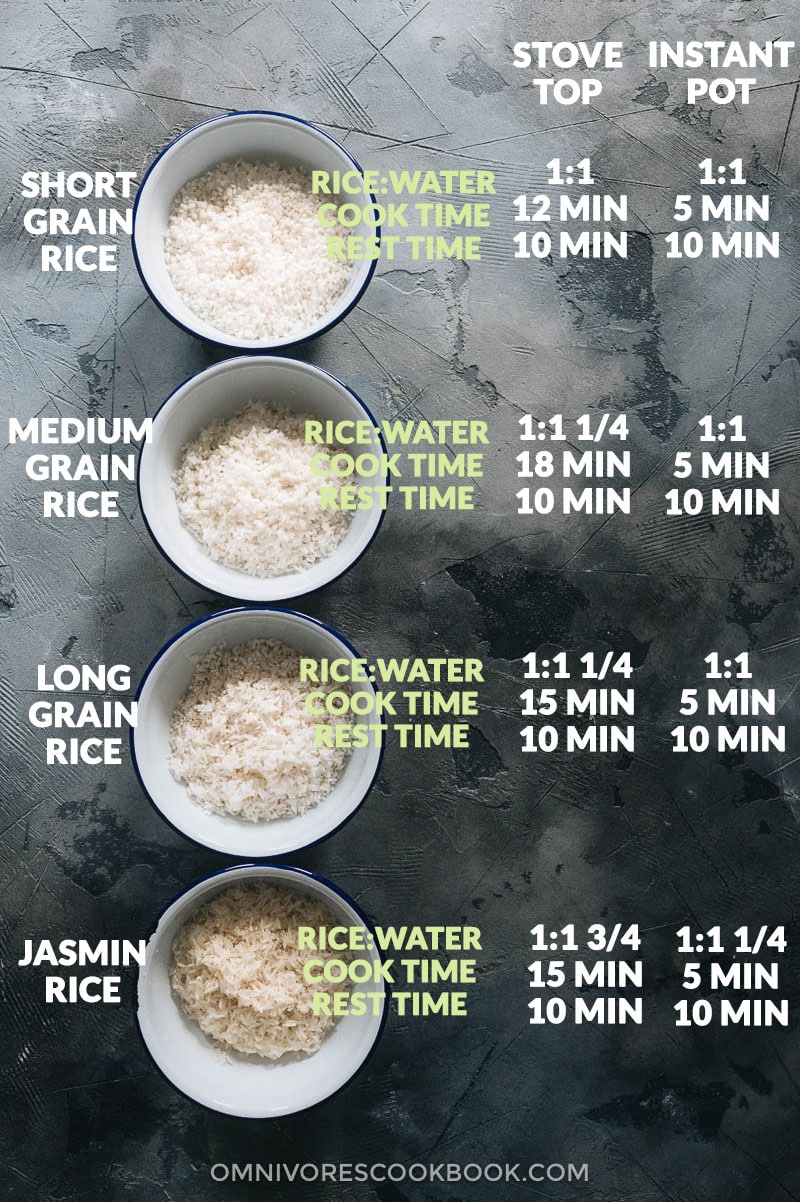
Rice-to-water Ratios
The standard ratio for white rice in a rice cooker is usually 1 cup of rice to 1.5 cups of water. This ratio works well for most types of white rice, like long-grain or jasmine. However, some rice cookers come with specific measurement lines inside the pot—these can be very handy for beginners.
Here’s a simple guide you can follow:
| Rice (cups) | Water (cups) |
|---|---|
| 1 | 1.5 |
| 2 | 3 |
| 3 | 4.5 |
Make sure to rinse your rice before measuring—it removes excess starch and prevents clumping. Have you ever noticed how rice turns sticky when you skip rinsing?
Adjusting For Texture Preferences
Your ideal rice texture depends on your personal taste and the dish you’re preparing. If you prefer firmer rice, reduce the water slightly—try 1 cup rice to 1.25 cups water. For softer, stickier rice, increase water to about 1.75 cups per cup of rice.
Don’t hesitate to experiment by adjusting water in small increments. I once added just a quarter cup more water, and my rice turned from dry to perfectly tender. What texture do you enjoy most with your meals?
Keep notes on your adjustments each time you cook. This way, you’ll build a personal guide tailored to your rice cooker and taste preferences.
Credit: omnivorescookbook.com
Rinsing Rice Properly
Rinsing rice properly is an important step before cooking white rice in a rice cooker. It helps remove excess starch and impurities that can make the rice sticky or clumpy. Clean rice grains cook more evenly and produce fluffier rice. Taking the time to rinse rice well improves the texture and taste of your meal.
Why Rinse Rice?
Rice has a coating of starch and dust from processing and packaging. This coating can make rice grains stick together after cooking. Rinsing removes this extra starch and any dirt or debris. It also helps improve the rice’s appearance, making it whiter and more appealing. Proper rinsing prevents clumps and gives you light, fluffy rice every time.
Steps To Rinse Effectively
- Place the rice in a large bowl or directly in the rice cooker pot.
- Add enough cold water to cover the rice by about an inch.
- Use your hand to gently stir and rub the rice grains together.
- Pour out the cloudy water carefully without losing any rice.
- Repeat the rinsing process 3 to 4 times until the water runs clear.
- Drain the rice well before adding fresh water for cooking.
Cooking Process In Rice Cooker
Rinse the white rice until the water runs clear to remove excess starch. Place rice and water in the cooker, then press start. Wait for the cooker to finish and let the rice sit for a few minutes before serving.
The process of cooking white rice in a rice cooker is simple. This appliance is convenient and delivers perfect results. With a few easy steps, anyone can achieve fluffy, delicious rice.
Setting The Cooker
Begin by rinsing the rice under cold water. This removes excess starch. Place the rinsed rice into the cooker pot. Add the correct amount of water. Typically, use a 1:2 ratio of rice to water. Adjust the quantity based on your preference. Close the lid securely. Plug in the rice cooker. Select the appropriate cooking setting. Many models have a "white rice" option. If not, choose the standard cooking mode.
Timing And Indicators
Once the cooker starts, let it work its magic. Avoid opening the lid during the cooking process. This helps maintain steam and temperature. Most rice cookers have an indicator light. It signals the cooking status. When the rice is done, the cooker will switch to "warm" mode. Let the rice sit for a few minutes. This resting period enhances the texture. Afterward, open the lid and fluff the rice with a fork. Serve immediately or keep it warm until needed. Enjoy your perfectly cooked white rice.

Credit: kristineskitchenblog.com
Fluffing And Serving Rice
Fluffing and serving rice might seem like small details, but they make a huge difference in your meal experience. Proper fluffing separates the grains, giving the rice a light texture and preventing it from becoming sticky or clumpy. Serving it right ensures every spoonful tastes just as good as the first.
Using A Rice Paddle
A rice paddle is designed to gently lift and separate the cooked rice without crushing the grains. Avoid stirring vigorously; instead, scoop the rice from the edges toward the center, loosening the clumps.
Try to use a non-stick paddle to prevent rice from sticking. If you don’t have one, a wooden spoon works fine, but be gentle. Have you noticed how quickly rice turns gummy if stirred too much? That’s why the right tool and technique matter.
Serving Tips
Serve rice immediately after fluffing to keep its texture fresh. If you need to keep it warm, leave the lid slightly open to avoid excess moisture buildup, which can make the rice soggy.
Consider pairing your rice with a drizzle of soy sauce, a sprinkle of toasted sesame seeds, or fresh herbs to add flavor without extra effort. How do you usually enjoy your rice? Sometimes, small additions like these turn a plain dish into something memorable.
Troubleshooting Common Issues
Troubleshooting common issues with white rice in a rice cooker can save you time and frustration. Small adjustments often make a big difference in the texture and taste of your rice. Let’s look at some typical problems and how you can fix them easily.
Rice Too Sticky
Sticky rice usually means there is too much water or the rice was stirred during cooking. Avoid stirring once the cooker starts—it breaks the grains and releases extra starch. Try reducing the water slightly next time; a good ratio is about 1 cup of rice to 1.25 cups of water for most white rice.
If you want fluffier rice, rinse the rice thoroughly before cooking. This removes surface starch that causes stickiness. Have you noticed how rinsing changes the texture? It’s a simple step that many skip but makes a big difference.
Rice Too Dry
Dry rice indicates not enough water or that the rice cooker turned off too early. Always check the water level before starting, and consider adding a tablespoon more water if you like softer rice. If your rice cooker has a keep-warm setting, let the rice rest for 10 minutes after cooking to let moisture redistribute evenly.
Sometimes, the type of rice affects water absorption. Long grain rice requires slightly less water than short grain. Experiment with small adjustments until you find what suits your taste best.
Uneven Cooking
Unevenly cooked rice often happens when the rice isn’t spread evenly in the cooker’s pot. After adding water, gently level the rice with a spoon or spatula. This helps heat distribute more uniformly.
Also, make sure your rice cooker is on a flat, stable surface. An uneven base can cause hot spots, leading to parts being overcooked or undercooked. Have you checked your cooker’s positioning recently? It could be the hidden reason your rice isn’t perfect.

Credit: www.theincrediblebulks.com
Enhancing Flavor Variations
Sprinkling herbs or spices into the rice cooker can create new taste experiences. Mixing broth instead of water also brings richer flavors to white rice.
Enhancing the flavor of white rice can elevate a simple dish into a memorable culinary experience. Rice cookers are not just for plain rice; they offer a canvas for creativity. With a few tweaks, you can transform your rice from basic to extraordinary. Think about what flavors excite your palate and don't hesitate to experiment.
Adding Broth Or Spices
Switching water with broth is an effortless way to infuse your rice with savory flavors. Chicken, beef, or vegetable broth can add depth, making each bite more satisfying. If you're feeling adventurous, sprinkle in some spices like cumin or turmeric. These simple additions can make your rice taste like a gourmet side dish.
Mix-ins And Toppings
Mix-ins and toppings can make your rice a complete meal. Consider stirring in frozen peas, diced carrots, or corn just before the cooking cycle ends. You can also top your rice with toasted nuts or fresh herbs for an extra layer of flavor. What about a touch of butter or a splash of soy sauce? Adding these just before serving can enhance the dish, providing richness and umami. Have you ever tried mixing in cooked beans or chickpeas? Not only do they add protein, but they also introduce a delightful texture contrast. Your rice cooker is more versatile than you might think, and with these flavor variations, your white rice can become the star of your meal.
Frequently Asked Questions
How Much Water Is Needed For White Rice In A Rice Cooker?
Use a 1:1. 5 rice-to-water ratio for white rice. For one cup of rice, add 1. 5 cups of water. This ratio ensures fluffy, perfectly cooked rice every time in your rice cooker.
Can I Cook Other Rice Types Like Brown Rice?
Yes, but brown rice needs more water and longer cooking time. Adjust water to about 1 cup rice to 2 cups water. Use your rice cooker's brown rice setting if available for best results.
Should I Rinse White Rice Before Cooking?
Rinsing white rice removes excess starch, preventing sticky rice. Rinse under cold water until it runs clear. This step improves texture and flavor of your cooked rice in the rice cooker.
How Long Does White Rice Take To Cook In A Rice Cooker?
White rice typically cooks in 15-25 minutes, depending on your rice cooker model. Most cookers switch to "keep warm" when done. Avoid opening the lid during cooking to maintain proper steam.
Conclusion
Making white rice in a rice cooker is simple and quick. Just measure the rice and water carefully. Press the start button and wait for the cooker to finish. Fluffy, soft rice is ready in minutes. No need to watch the pot or stir.
Perfect rice every time, with little effort. A rice cooker saves time and makes cooking easier. Try it today and enjoy fresh, tasty rice at home.