Do you love sticky rice but don’t have a rice cooker? You’re not alone.
Making sticky rice without special equipment might seem tricky, but it’s easier than you think. Imagine serving perfectly soft, chewy rice that sticks just right—without extra gadgets or fuss. You’ll discover simple, step-by-step methods to make sticky rice using tools you already have at home.
Ready to impress your family and friends with delicious sticky rice? Keep reading and unlock the secret to perfect sticky rice every time.
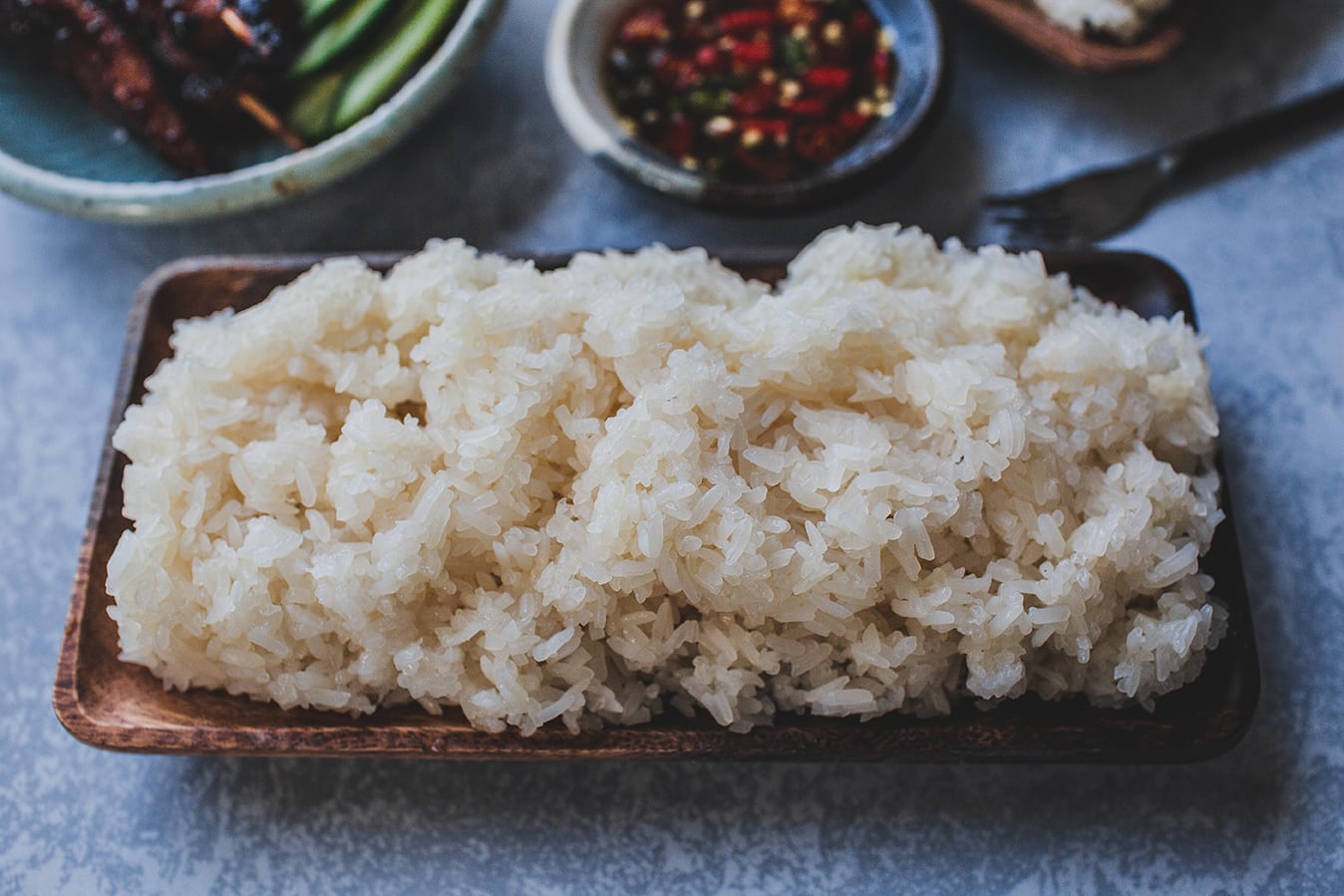
Credit: www.simplysuwanee.com
Choosing The Right Rice
Choosing the right rice is the foundation for making perfect sticky rice without a rice cooker. Not all rice types will give you that signature sticky texture you’re aiming for. Understanding which rice to pick and where to find it can make your cooking experience smoother and your results tastier.
Types Of Sticky Rice
Sticky rice, also called glutinous rice, is different from regular long-grain or jasmine rice. It has a higher starch content, which makes it clump together when cooked. Here are the common types you might encounter:
- White sticky rice:This is the most common type, with a soft and chewy texture once cooked. It’s perfect for desserts and savory dishes alike.
- Purple sticky rice:This rice has a nutty flavor and a slightly firmer texture. It adds color and a unique taste to your meal.
- Black sticky rice:Known for its deep color and rich flavor, it’s often used in sweet dishes and pairs well with coconut milk.
Choosing the right type depends on your recipe and flavor preference. Have you tried mixing different sticky rice varieties to create new textures?
Where To Buy Sticky Rice
Finding sticky rice might feel tricky if your local supermarket doesn’t stock it. Asian grocery stores are reliable spots to check first. They often carry various sticky rice types, including those hard to find elsewhere.
If you don’t have access to a physical store, online marketplaces offer a wide selection. Look for brands that specify “glutinous” or “sticky” rice to avoid confusion with regular rice.
Remember, freshness matters. Check the packaging date if possible, and opt for rice stored in airtight containers for the best results. How often do you check labels to ensure quality ingredients?

Credit: www.hungryhuy.com
Soaking The Rice
Soaking the rice is a key step when making sticky rice without a rice cooker. It helps the grains absorb water evenly. This process softens the rice and improves its texture. Proper soaking ensures the rice cooks well and sticks together perfectly.
Why Soaking Matters
Soaking allows rice grains to absorb water slowly. This softens the outer layer and makes cooking easier. It prevents the rice from breaking during cooking. Soaked rice cooks more evenly and achieves the right stickiness. Without soaking, rice may turn out hard or uneven.
Optimal Soaking Time
The best soaking time for sticky rice is between 4 to 6 hours. This range is enough for the grains to absorb water fully. Soaking overnight is also fine and convenient. Avoid soaking longer than 12 hours to prevent fermentation. Rinse the rice before soaking to remove excess starch.
Preparing The Steaming Setup
Preparing the steaming setup is the first key step to make sticky rice without a rice cooker. The right setup ensures even cooking and perfect texture. It keeps the rice moist and soft while avoiding burning or sticking. Proper steam circulation is essential. This section explains how to arrange your equipment for the best results.
Using A Steamer Basket
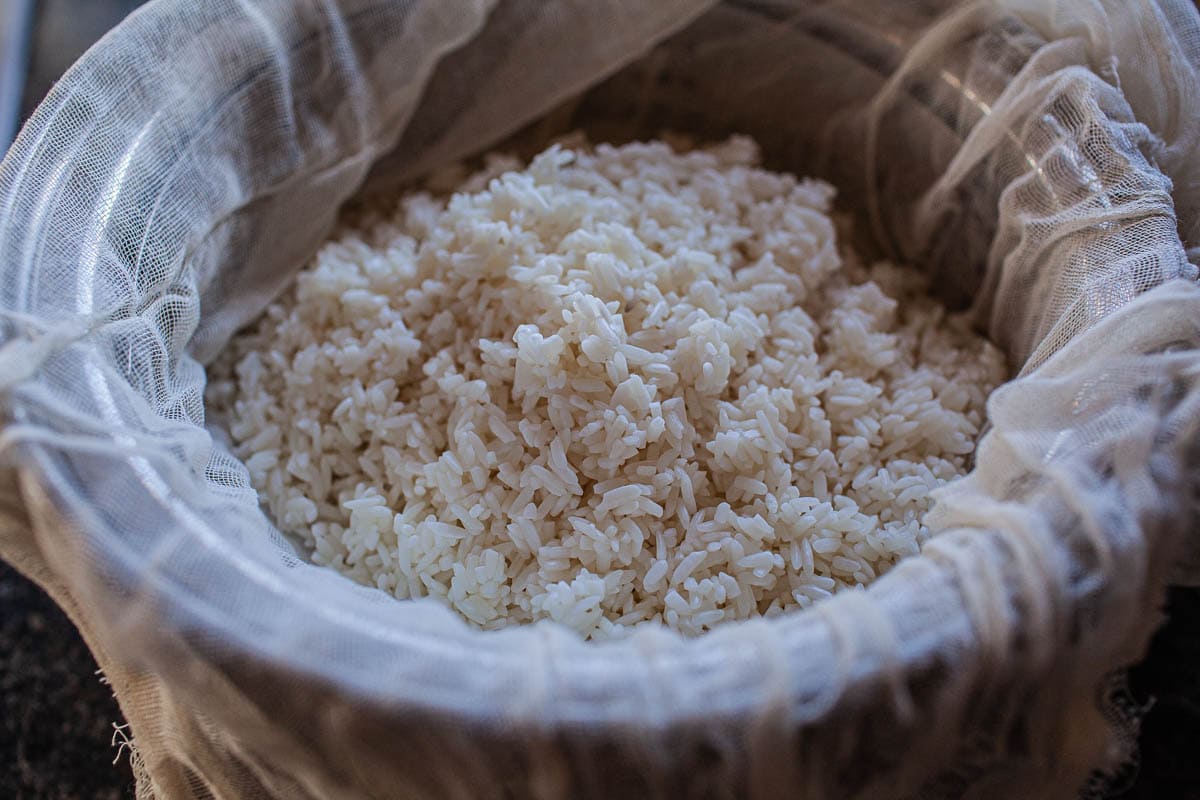
A steamer basket works great for cooking sticky rice evenly. Choose a basket that fits well inside a pot with a tight lid. The basket should sit above the water, not touching it. Use a clean cheesecloth or muslin to line the basket. This prevents rice grains from falling through and sticking.
- Fill a pot with about 2 inches of water.
- Place the lined steamer basket over the pot.
- Spread the soaked sticky rice evenly inside the basket.
- Cover with a lid to trap the steam.
Check the water level during steaming. Add hot water as needed to maintain steam. Steam the rice for about 20-30 minutes until soft and sticky.
Alternative Methods Without A Steamer
Use a metal colander or sieve as a substitute for a steamer basket. The colander must fit inside a pot without touching the water. Line it with cheesecloth to hold the rice. Another option is to use a heatproof plate placed on an inverted bowl inside the pot. This keeps the rice above the water.
- Boil water in the pot.
- Place the colander or plate setup over the boiling water.
- Spread soaked rice on the cloth or plate.
- Cover the pot tightly to trap steam.
These setups create a steaming environment similar to a steamer basket. Monitor the water level and refill with hot water to keep steaming. The rice should cook through in 20-30 minutes.
Credit: www.simplysuwanee.com
Steaming The Rice
Steaming sticky rice without a rice cooker can feel tricky at first, but it’s all about mastering the steaming process. The key is controlling water levels and heat to get that perfect chewy texture. Once you get these right, your sticky rice will come out soft, tender, and just right every time.
Water Level And Heat Control
Start by soaking your sticky rice for at least 4 hours or overnight. This softens the grains and helps them steam evenly. Use a steaming basket or a fine mesh strainer placed over a pot of boiling water—make sure the water doesn’t touch the rice.
Keep the water at a gentle simmer rather than a rolling boil. Too much heat can cause the rice to cook unevenly or burn on the bottom. If you notice steam escaping too quickly, lower the heat slightly to maintain a steady flow of steam.
Remember, the water level under the basket must be enough to last through the steaming but not so high that it touches the rice. You can check halfway through and add hot water if needed to keep the steam going.
How To Check Rice Doneness
After about 15-20 minutes of steaming, test the rice by taking a small bite. Is it soft and sticky but still has a little chew? If yes, it’s done. If it feels hard or grainy, steam it a bit longer.
Don’t rush to open the lid too often, as this lets steam escape and can extend cooking time. Instead, rely on the smell and feel—sticky rice has a distinct aroma when ready.
Once done, fluff the rice gently with a fork or spoon to separate the grains slightly. This keeps the texture light and prevents clumping while you serve or store it.
Fluffing And Serving
Gently fluff sticky rice with a fork to separate the grains without crushing them. Serve warm for the best texture and taste.
After cooking sticky rice without a rice cooker, it's time to fluff and serve. Proper fluffing ensures each grain is separate and not clumped. Serving sticky rice correctly enhances the dining experience. Let's explore effective fluffing techniques and some serving ideas.
Proper Fluffing Technique
Fluffing sticky rice needs a gentle touch. Use a wooden spatula or fork. Avoid metal utensils to prevent damaging the rice. Gently lift and turn the rice. This adds air and prevents clumping. Fluffing also cools the rice slightly, making it less sticky.
Serving Suggestions
Sticky rice pairs well with many dishes. Serve it with grilled meats or spicy curries. It's a great base for stir-fried vegetables. Create a sweet treat by adding coconut milk and sugar. Sticky rice works well as a side or main dish. Its versatility makes it a favorite in many cuisines.
Troubleshooting Common Issues
Making sticky rice without a rice cooker can sometimes lead to unexpected results. You might find your rice either too hard or overly soft, or even stuck to the basket, making it hard to serve. Addressing these common issues quickly can save you from frustration and help you enjoy perfectly cooked sticky rice every time.
Rice Too Hard Or Too Soft
If your sticky rice turns out hard, it usually means the rice didn't soak long enough or didn't cook with enough steam. Try soaking the rice for at least 4 hours or overnight before cooking to allow the grains to absorb water fully.
On the other hand, if the rice is too soft or mushy, you might have added too much water or steamed it for too long. Adjust the water amount slightly less than the recipe suggests and shorten the steaming time by a few minutes.
Have you checked the rice grain type? Different brands and types absorb water differently, so testing with small batches helps you find the perfect timing and water ratio for your rice.
Preventing Rice From Sticking To The Basket
Sticky rice is meant to be sticky, but it shouldn’t cling so hard to your basket that it’s tough to remove. One practical tip is to line your steaming basket with cheesecloth or a clean kitchen towel before adding the soaked rice.
This simple barrier prevents the rice from sticking and makes cleanup easier. Another trick is to lightly oil the basket or cloth, which reduces sticking without affecting the rice texture.
Do you rinse your rice before soaking? Rinsing removes excess starch, which can help reduce stickiness in unwanted places. Experiment with rinsing and see if that improves your experience.
Frequently Asked Questions
How Can I Make Sticky Rice Without A Rice Cooker?
You can soak sticky rice for several hours, then steam it in a pot using a sieve or cheesecloth. Keep the water boiling beneath the rice and cover tightly to ensure even cooking and perfect stickiness.
What Is The Best Method To Steam Sticky Rice On Stove?
Soak the rice for at least 4 hours, then place it in a steamer basket or sieve. Steam over boiling water for 20-30 minutes, stirring occasionally for even cooking. Cover with a tight lid or cloth to trap steam.
How Long Should Sticky Rice Soak Before Cooking?
Soak sticky rice for 4 to 6 hours before steaming. Soaking softens the grains and improves texture, making the rice sticky and tender when cooked.
Can I Use A Pot And Strainer To Cook Sticky Rice?
Yes, place soaked sticky rice in a fine-mesh strainer or cheesecloth over boiling water in a pot. Cover the pot and steam until the rice becomes tender and sticky, about 20-30 minutes.
Conclusion
Making sticky rice without a rice cooker is simple and fun. Use soaking and steaming steps to get soft, sticky rice. Pay attention to water amount and cooking time for best results. You can enjoy sticky rice anytime with just a pot or steamer.
Try this easy method to add variety to your meals. Cooking sticky rice at home saves money and tastes great. Give it a try and enjoy delicious sticky rice without special tools.