Have you ever wondered how to make a perfect espresso right at home using your coffee maker? You might think it’s complicated or that you need expensive machines, but that’s not true.
With the right steps, you can enjoy a rich, bold espresso shot anytime you want. This guide will show you exactly how to do it, so you can impress yourself and your guests with café-quality coffee. Ready to unlock the secret to great espresso?
Keep reading—you’re just moments away from mastering your coffee maker and elevating your morning routine.
Choosing The Right Coffee Maker
Choosing the right coffee maker is key to making a great espresso at home. Your choice affects the flavor, texture, and overall experience of your espresso. Understanding which type suits your needs and what features matter most can save you time, money, and frustration.
Types Suitable For Espresso
Not all coffee makers can produce authentic espresso. You need a machine that can reach the right pressure and temperature to extract the rich flavors.
- Manual Espresso Machines:These give you full control over the brewing process. If you enjoy hands-on brewing and adjusting each shot, this might be your pick. It requires practice but rewards you with a personalized cup.
- Semi-Automatic Machines:They automate water pressure but let you control grind size and extraction time. Many home baristas prefer these for balancing control and convenience.
- Automatic and Super-Automatic Machines:These do most of the work for you, from grinding to brewing. They’re perfect if you want a quick espresso without much fuss.
- Pod Machines:Using pre-packaged pods, these machines are easy to use and clean. However, they offer less flavor variety and control over extraction.
Features To Look For
Think about which features will impact your espresso the most. Your choice depends on how involved you want to be in the brewing process and your budget.
| Feature | Why It Matters | Example |
|---|---|---|
| Pressure | Espresso requires about 9 bars of pressure for proper extraction. | Look for machines advertising 15 bars to ensure consistent pressure. |
| Temperature Control | Stable temperature ensures balanced flavor without bitterness. | Machines with PID controllers offer precise temperature settings. |
| Grinder Integration | Freshly ground beans improve aroma and taste. | Super-automatic machines often have built-in grinders. |
| Ease of Cleaning | Regular cleaning keeps your machine working well and tasting great. | Removable drip trays and auto-clean features simplify maintenance. |
| Steam Wand | Essential if you want to create creamy milk foam for cappuccinos or lattes. | Look for adjustable steam pressure and swivel wands. |
Which features do you think you can’t live without? Reflecting on your daily coffee habits can guide you to the best choice.
Selecting Quality Coffee Beans
Choosing the right coffee beans is key to making a great espresso in your coffee maker. The quality and type of beans directly affect the flavor, aroma, and overall experience of your espresso. Understanding the differences between beans and how to prepare them can help you create a cup that suits your taste perfectly.
Arabica Vs Robusta
Arabica beans are known for their smooth, sweet flavor with hints of fruit and sugar. They often have a higher acidity, which adds brightness to your espresso. On the other hand, Robusta beans have a stronger, more bitter taste with a heavier body and more caffeine.
Choosing between Arabica and Robusta depends on your flavor preference. If you enjoy a delicate and complex espresso, Arabica might be your best bet. But if you want a bold and intense cup with a bit more kick, Robusta could be the way to go.
Grind Size Importance
The grind size affects how quickly water passes through the coffee grounds and extracts flavors. For espresso, a fine grind is essential because it allows water to pull out the rich oils and concentrated taste. Too coarse, and your espresso will be weak; too fine, and it might taste bitter or clog your coffee maker.
Have you experimented with different grind sizes before? Try adjusting your grind slightly and notice how the taste changes. This small tweak can make a big difference in perfecting your espresso shot.
Preparing The Coffee Maker
Preparing your coffee maker before making espresso is key to getting the best flavor and consistency. Taking a few moments to clean and adjust your machine sets the stage for a perfect shot every time. Think about it as tuning an instrument before a concert—small tweaks make a big difference.
Cleaning And Maintenance
Before you start, ensure your coffee maker is clean. Old coffee oils and residue can quickly spoil the taste of your espresso.
- Flush the machine with hot water to clear any leftover grounds.
- Wipe down the portafilter and group head to remove any stuck coffee particles.
- Regularly descale your machine to prevent mineral buildup, especially if you use hard water.
I once skipped cleaning my machine and ended up with a bitter, burnt-tasting espresso. It was a clear sign: cleanliness isn’t just about hygiene; it directly affects flavor.
Setting The Correct Temperature
Temperature controls the extraction process. If your water is too hot, espresso tastes burnt. Too cold, and it’s under-extracted and weak.
- Check your machine’s recommended brewing temperature, usually between 195°F and 205°F (90°C–96°C).
- If your coffee maker has an adjustable thermostat, set it within this range.
- Allow the machine to fully heat up before pulling a shot—rushing this step can lead to inconsistent temperature.
Have you noticed how coffee from some machines tastes different even if you use the same beans? Temperature might be the hidden factor. Experiment with slight adjustments and taste the difference yourself.
Measuring And Grinding Coffee
Measure coffee precisely for a balanced espresso shot. Grind beans finely to ensure proper extraction and rich flavor. Adjust grind size to match your coffee maker’s settings.
Measuring and grinding coffee is crucial for making a good espresso. The right balance of coffee and water ensures a rich flavor. The grind size affects the extraction process. Let's explore these aspects to enhance your espresso experience.
Proper Coffee-to-water Ratio
The coffee-to-water ratio is fundamental. For espresso, aim for a 1:2 ratio. This means 1 gram of coffee to 2 grams of water. This balance provides a rich and intense shot. Use a kitchen scale for accuracy. Consistency is key for the perfect espresso.
Achieving The Right Grind
Grind size greatly impacts your espresso. A fine grind is essential. It should feel like powdered sugar. This allows for proper extraction. Invest in a good grinder for consistency. Blade grinders may not offer uniform grounds. Burr grinders are recommended for a better result.
Brewing The Espresso
Brewing espresso with a coffee maker requires attention to detail. The process starts by preparing the machine and coffee grounds correctly. Each step affects the flavor and strength of the espresso. Follow simple actions to ensure a rich, smooth cup every time.
Loading The Coffee Maker
Begin by filling the coffee maker’s portafilter with finely ground espresso coffee. Use a scoop or spoon to measure the right amount. Level the grounds evenly, then press them gently with a tamper to create a compact puck. Secure the portafilter firmly into the machine’s group head to avoid leaks during brewing.
Starting The Brew Cycle
Turn on the coffee maker and select the espresso brewing option if available. The machine heats water to the ideal temperature and forces it through the coffee grounds under pressure. Watch as dark, aromatic espresso flows into your cup. The process usually takes about 25 to 30 seconds for a single shot.
Perfecting Extraction Time
Perfecting the extraction time is crucial to making a great espresso with your coffee maker. It controls how much flavor you pull from the coffee grounds, impacting taste and strength. Paying close attention to this element can turn an average shot into a rich, balanced espresso.
Ideal Brewing Duration
The perfect extraction usually takes between 25 to 30 seconds. Too short, and your espresso may taste sour or weak. Too long, and it can become bitter or burnt.
Start timing your shot as soon as you press the brew button. If your espresso consistently pulls too fast or too slow, you might need to adjust the grind size or tamp pressure.
Remember, different coffee beans and roast levels can slightly change the ideal duration. Don’t hesitate to experiment within this range to find what suits your taste best.
Troubleshooting Under Or Over Extraction
If your espresso tastes sour or watery, it’s likely under-extracted. This means the water passed too quickly through the grounds, not extracting enough flavor.
To fix this, try grinding your coffee finer or tamping with more pressure. Also, check that your coffee maker’s temperature is hot enough, ideally around 195°F to 205°F (90°C to 96°C).
On the other hand, if your espresso tastes bitter or burnt, it’s over-extracted. The water spent too much time with the grounds, pulling out unpleasant compounds.
In this case, grind your coffee a little coarser or reduce the tamp pressure. Adjusting your shot time slightly shorter can also help balance the flavor.
Have you noticed how small tweaks in extraction time change your espresso’s character? Pay attention to these details—they make a big difference in your daily cup.
Serving And Enjoying Espresso
Serving and enjoying espresso is as important as making it. The right presentation enhances the flavor and experience. A good cup and thoughtful additions make every sip delightful.
Best Cups And Presentation
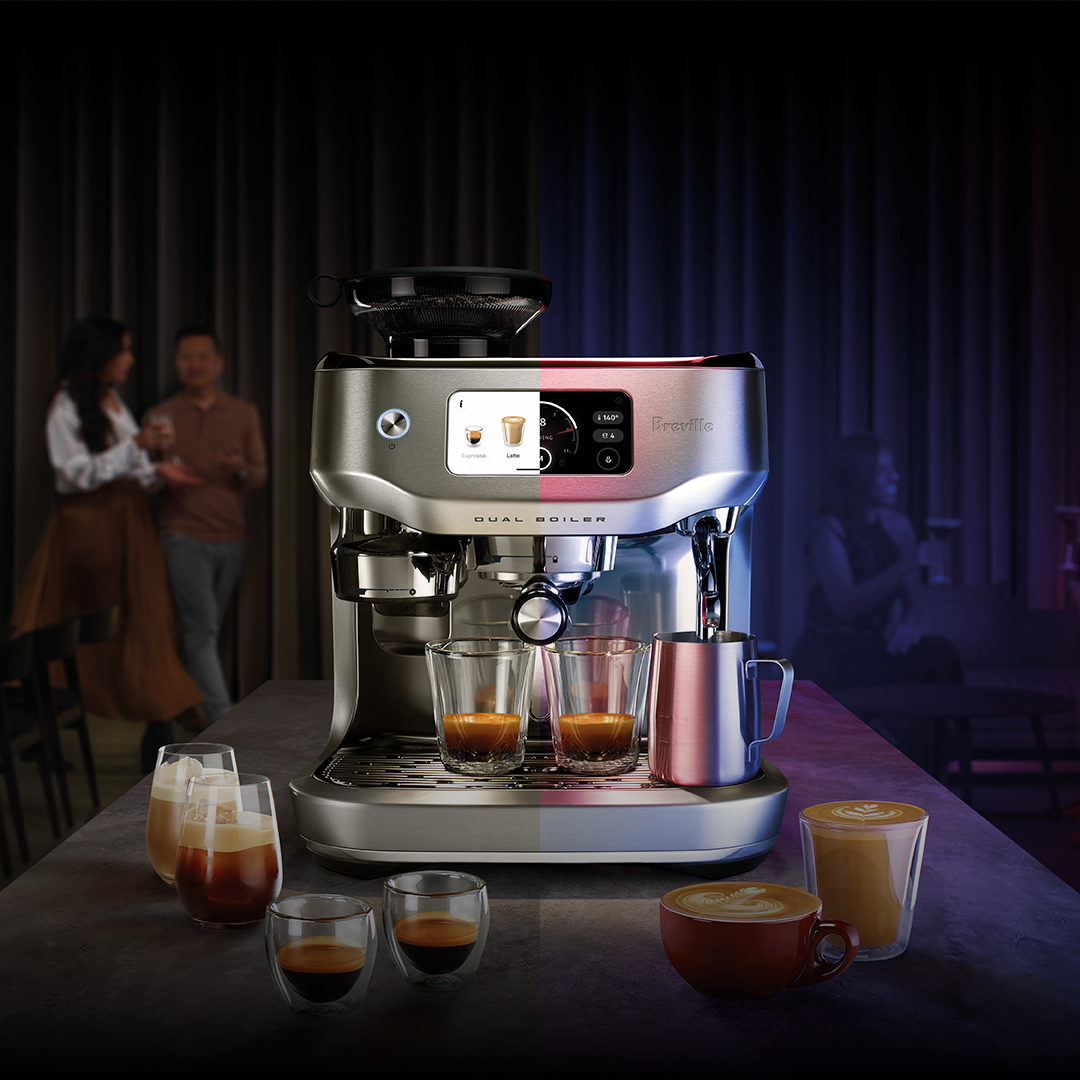
Espresso tastes best in small, thick-walled cups. These cups keep the coffee warm longer. A traditional espresso cup holds about 2 to 3 ounces. Choose ceramic or porcelain cups for a classic feel. Pre-warming the cup helps maintain temperature. Place the cup on a small saucer. A tiny spoon on the side is perfect for stirring. Presentation adds to the ritual and enjoyment.
Adding Milk Or Sugar Options
Many enjoy espresso plain to appreciate its bold taste. Others prefer a little sweetness or creaminess. Offer options like sugar, honey, or flavored syrups. For milk lovers, steamed milk or a small splash of cream softens the flavor. Try a dollop of frothed milk for a creamy texture. Avoid overpowering the espresso’s natural richness. Allow guests to customize their drink to their taste.
Credit: www.breville.com
Common Mistakes To Avoid
Making espresso in a coffee maker can be straightforward, but many people stumble over avoidable errors that affect the flavor and quality of their brew. Recognizing these common mistakes helps you get closer to that rich, smooth espresso you crave. Let’s look at some pitfalls to watch out for to improve your espresso game.
Using Incorrect Grind Size
The grind size is crucial for espresso extraction. If your coffee grounds are too coarse, the water will flow through too quickly, leaving you with a weak and under-extracted shot.
On the other hand, if the grind is too fine, water struggles to pass through, causing bitterness and over-extraction. Think about how your coffee maker is designed and adjust the grind accordingly—usually, espresso requires a very fine grind.
Have you experimented with different grind sizes to see how it changes your espresso’s taste? Try small adjustments and taste the difference to find the sweet spot for your machine.
Neglecting Equipment Cleanliness
Dirty coffee makers build up oils and coffee residues that spoil the flavor of every shot. Even if you use fresh, high-quality beans, neglecting to clean your machine can result in stale or bitter espresso.
Make it a habit to clean the portafilter, basket, and group head regularly. Rinsing parts after each use and doing a deep clean weekly can dramatically improve your espresso’s consistency.
Ask yourself: when was the last time you gave your machine a proper cleaning? A little effort here goes a long way in keeping your espresso tasting fresh and vibrant.
Tips For Consistent Results
Use fresh, finely ground coffee for the best taste. Keep water temperature steady and clean your machine regularly. Measure coffee and water precisely each time for consistent results.
To make a perfect espresso in a coffee maker, consistency is key. Whether you're a seasoned barista or a coffee enthusiast, achieving that perfect shot requires more than just good beans. It involves understanding your machine and fine-tuning your process. Here are some tips to help you get consistent results every time.
Routine Maintenance
A well-maintained coffee maker is crucial for consistent espresso. Regular cleaning prevents build-up that can affect flavor. Make it a habit to descale your machine monthly using a solution suitable for your model. Check for worn-out parts like gaskets and replace them promptly. This ensures that water pressure remains optimal. Clean the portafilter and basket after every use to avoid residual oils and coffee grounds that can taint the taste.
Experimenting With Variables
Perfecting espresso involves experimenting with different variables. Start with the grind size; a finer grind usually works better for espresso. But, if the shot is too bitter, try a slightly coarser grind. Water temperature is another important factor. Aim for a temperature between 195°F and 205°F. Use a thermometer to get it just right. Lastly, play around with the amount of coffee used. Typically, 18-20 grams is a good starting point for a double shot. Adjusting these variables can drastically change your espresso's flavor. What combination will become your signature brew?

Credit: www.youtube.com

Credit: www.roastycoffee.com
Frequently Asked Questions
How Do You Make Espresso In A Regular Coffee Maker?
To make espresso in a regular coffee maker, use finely ground coffee and less water. Brew with the smallest cup size, then concentrate by reducing water amount. This mimics espresso’s strong flavor but won’t match a true espresso machine’s pressure extraction.
Can You Use A Drip Coffee Maker For Espresso?
A drip coffee maker cannot produce true espresso because it lacks the high pressure needed. However, you can brew a strong, concentrated coffee by using finely ground beans and less water to approximate espresso flavor.
What Grind Size Is Best For Espresso In A Coffee Maker?
For espresso in a coffee maker, use a fine grind similar to table salt. This allows for a stronger, richer brew. Avoid coarse grinds, as they produce weak coffee and don’t extract espresso’s full flavor.
How Much Coffee Do You Need For Espresso In A Coffee Maker?
Use about 1 to 2 tablespoons of finely ground coffee per 2 ounces of water. This ratio helps create a strong, espresso-like brew when using a regular coffee maker.
Conclusion
Making espresso in a coffee maker is simple and fun. Start with fresh coffee and clean water. Use the right amount of coffee grounds for best taste. Press the button and wait a few minutes. Enjoy a rich, warm cup anytime at home.
Practice helps improve your espresso skills quickly. Small steps lead to great coffee moments. Try different beans and find what you like. Your perfect espresso is just a few steps away.