Are you craving a fresh cup of coffee but don’t have a coffee maker nearby? Don’t worry—you can still enjoy a rich, satisfying brew with simple tools you already have.
Imagine waking up to the smell of coffee, made exactly how you like it, without any fancy gadgets. You’ll discover easy, step-by-step ways to make delicious coffee without a coffee maker. Whether you’re camping, in a rush, or just curious, these methods will save your morning and boost your energy.
Keep reading, and get ready to become your own barista!
Brew Coffee With A French Press
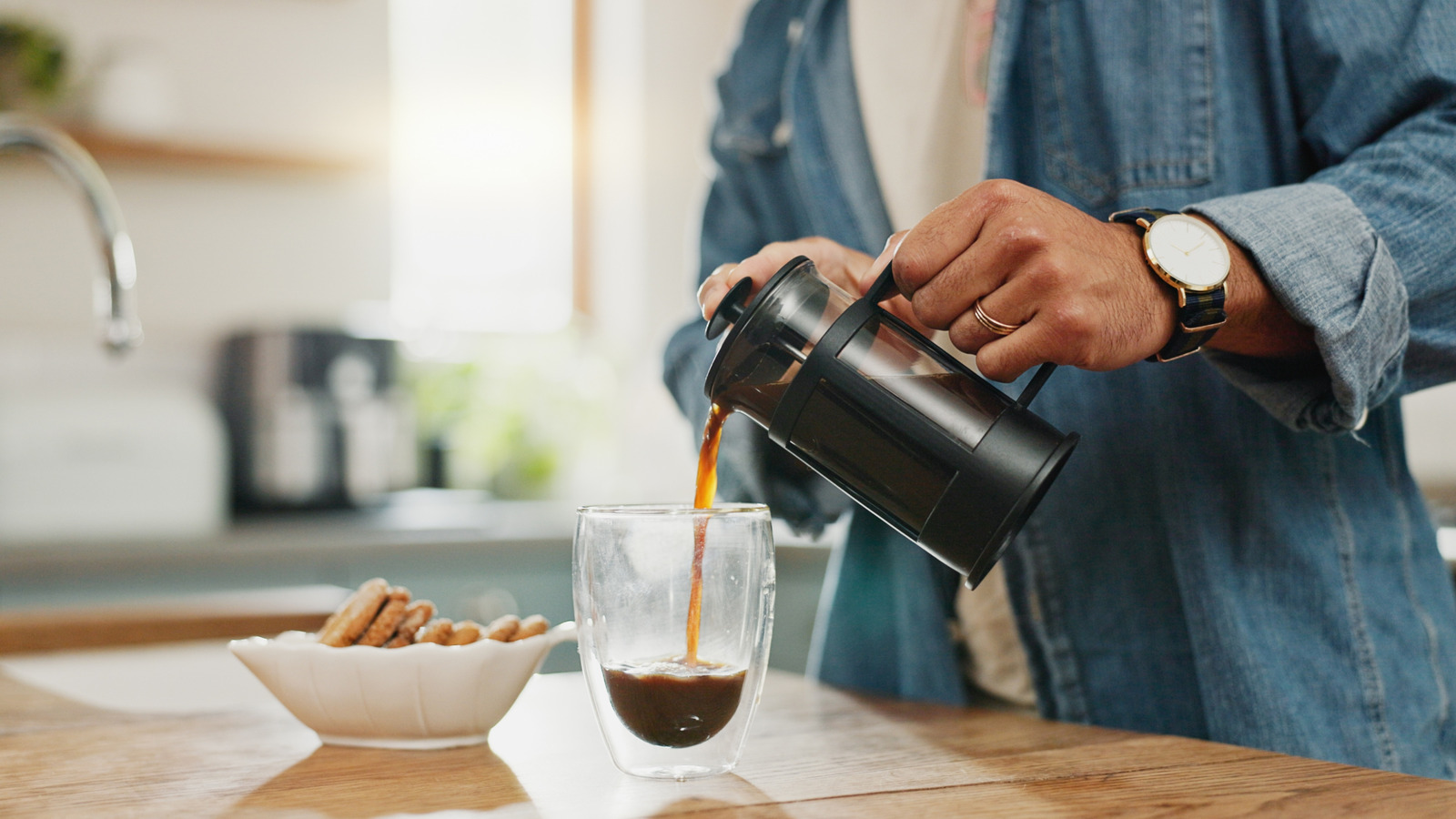
Brew coffee with a French press offers a rich and full-bodied experience that many coffee lovers appreciate. This method lets you control the brewing process fully, resulting in a stronger and more flavorful cup. It’s perfect if you want to skip the coffee maker but still enjoy quality coffee at home.
Selecting The Right Coffee Beans
Start by choosing coffee beans that suit your taste. Freshly roasted beans bring out the best flavors. Look for medium to coarse grind sizes because finer grinds can clog the French press filter.
If you like bold flavors, try beans from regions like Sumatra or Ethiopia. For a lighter, fruitier taste, consider beans from Central America. Remember, the quality of beans directly affects your cup, so don’t settle for pre-ground or stale options.
Measuring Coffee And Water
Accurate measurements make a big difference. The standard ratio is about 1:15—one part coffee to 15 parts water. For example, use 30 grams of coffee with 450 ml of water.
You don’t need a scale every time; a tablespoon of coffee is roughly 5 grams. Adjust the amount based on how strong you like your coffee. Use water just off the boil, around 200°F (93°C), to avoid burning the grounds.
Steeping And Pressing Steps
Start by adding the ground coffee to the French press. Pour hot water slowly over the grounds, making sure they’re fully saturated. Stir gently to mix the coffee and water evenly.
Place the lid on but don’t press yet. Let the coffee steep for about 4 minutes. After steeping, press the plunger down slowly and steadily to separate the grounds from the liquid.
Pour your coffee immediately to avoid over-extraction, which can make it bitter. Have you tried adjusting the steeping time to find your perfect flavor? Experimenting is part of the fun with a French press.
Use A Pour-over Technique
Using the pour-over technique is a simple way to make coffee without a machine. It lets you control the brewing process and enjoy fresh coffee. This method only needs hot water, coffee grounds, and a filter. It’s great for a smooth, clean cup of coffee.
Preparing The Filter And Grounds
Place a paper or cloth filter in a funnel or cone-shaped holder. If you don’t have one, make a small funnel from clean paper. Use medium-ground coffee for the best taste. Add about 1 to 2 tablespoons of coffee per cup. Spread the grounds evenly in the filter. This helps water flow through the coffee properly.
Pouring Hot Water Properly
Heat water to just below boiling, around 200°F (93°C). Pour a small amount of water over the grounds to let them bloom. Wait 30 seconds for the coffee to release flavor. Slowly pour the rest of the water in a circular motion. Avoid pouring too fast or in one spot. This helps extract the coffee evenly.
Timing And Serving Tips
Let the water drip through the coffee and filter fully. The whole process takes about 3 to 4 minutes. Remove the filter and discard the grounds. Pour the coffee into your favorite cup. Enjoy it black or add milk and sugar as you like.
Make Coffee With A Stovetop Pot
Making coffee without a coffee maker might seem challenging, but a stovetop pot can be your best friend in this situation. It’s a straightforward way to brew a rich cup of coffee using tools you probably already have at home. Plus, it gives you control over every step, allowing you to adjust strength and flavor exactly to your liking.
Choosing A Suitable Pot
Not every pot works well for coffee brewing. Look for a small to medium-sized pot with a thick bottom to ensure even heat distribution. A stainless steel or enamel pot is ideal because it won’t react with the coffee’s acidity.
A pot with a lid helps keep the aroma and heat inside, enhancing the brewing process. Avoid using pots that have plastic parts or coatings that might melt or leach flavors into your coffee.
Boiling Water And Adding Coffee
Start by bringing fresh, cold water to a gentle boil in your chosen pot. The water temperature should be just off the boil, around 200°F (93°C), to avoid burning the coffee grounds.
Add your coffee grounds directly to the hot water. Use a medium to coarse grind for best results, and measure about one to two tablespoons per cup of water. Stir gently to mix the grounds evenly.
Straining The Brew
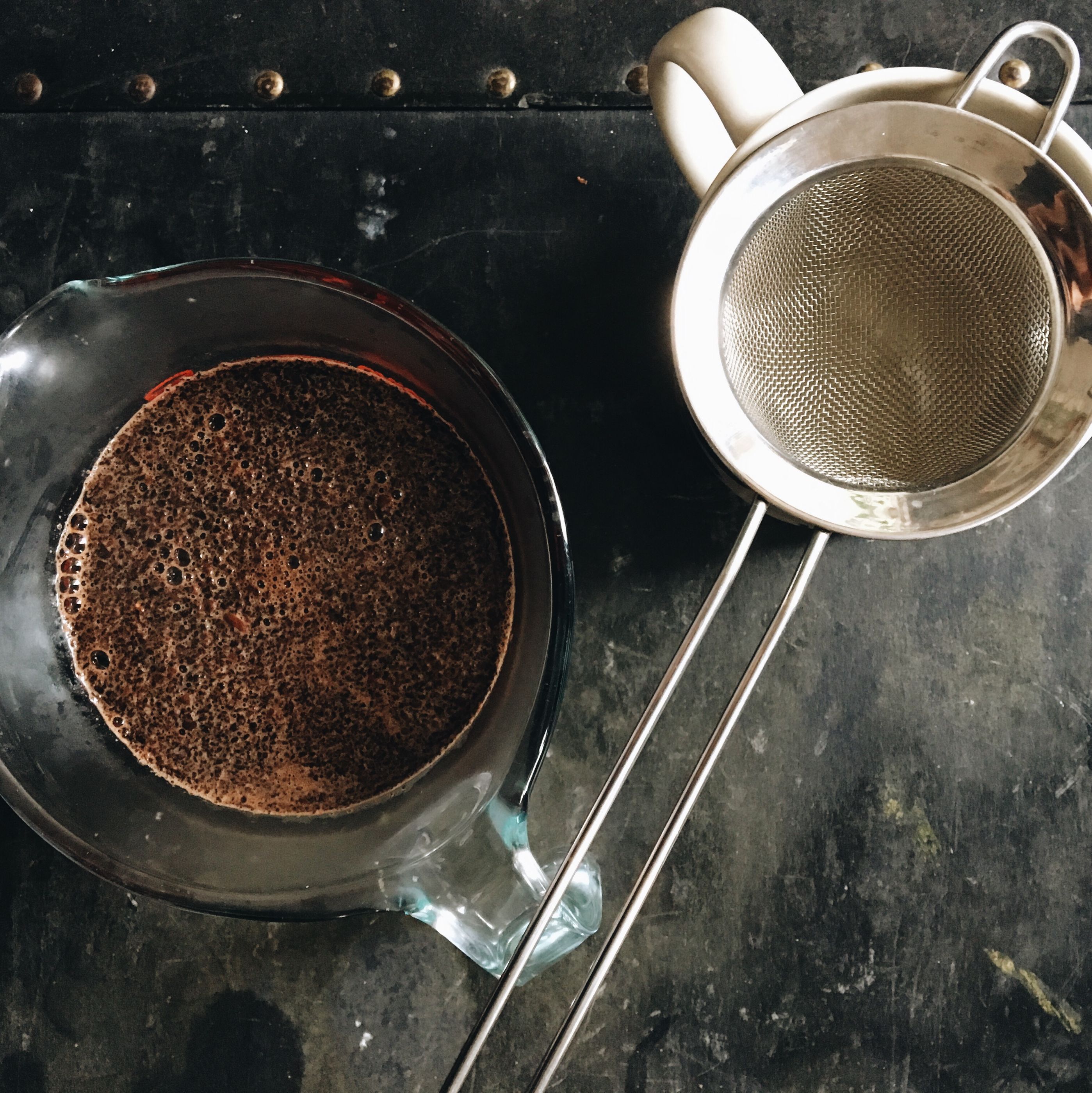
After letting the coffee steep for about four minutes, it’s time to separate the grounds from your brew. Pour the coffee slowly through a fine mesh strainer or a clean cloth into your cup or another container.
If you don’t have a strainer, let the grounds settle at the bottom for a minute before pouring carefully to avoid sediment. This step is crucial for a smooth, grit-free cup.
Try The Cowboy Coffee Method
Brew rich coffee by boiling water and stirring in ground coffee directly. Let grounds settle before pouring carefully. Enjoy a simple, strong cup without any equipment.
Making coffee without a coffee maker can feel like a challenge. But with the Cowboy Coffee Method, it's simple and rustic. This method is perfect for camping trips or during power outages. All you need are coffee grounds, water, and a heat source. Let's break it down step by step.
Boiling Coffee Grounds Directly
Start by boiling water in a pot. Use about two tablespoons of coffee for every cup of water. Add coffee grounds directly into the boiling water. Stir the mixture well. This ensures the grounds saturate and release their rich flavors. Boil for about two minutes to extract the full taste.
Letting Grounds Settle
After boiling, remove the pot from heat. Allow it to sit for four minutes. This time lets the coffee grounds settle at the bottom. The sediment will naturally drift down. It creates a clearer brew on top. This step ensures a smoother cup without bitterness.
Pouring Without Sediment
Pour the coffee slowly into your cup. Use a steady hand and tilt the pot gently. Avoid disturbing the settled grounds at the bottom. A small strainer can help catch any floating bits. Enjoy your cowboy coffee, rich and aromatic. Simple, yet satisfying.
Brew Coffee Using A Cloth Filter
Brew coffee using a cloth filter to enjoy a smooth, rich cup without a coffee maker. This traditional method lets you control the strength and flavor easily. It uses simple tools and produces less waste than paper filters. A cloth filter traps coffee grounds well, giving a clean brew.
Creating A Diy Cloth Filter
Find a clean, thin cotton cloth like muslin or an old cotton handkerchief. Cut the cloth into a circle about 8 inches wide. Fold the cloth twice to form a small pouch or use a metal ring to hold it open. Secure the edges with a string or rubber band to hold the coffee grounds inside.
Pouring And Filtering Process
Place the cloth filter over a cup or jug. Add two tablespoons of ground coffee inside the cloth. Boil water and let it cool for 30 seconds to reach around 200°F (93°C). Pour the water slowly over the grounds in a circular motion. Let the coffee drip through the cloth. It takes about 3 to 4 minutes.
Cleaning And Reusing The Filter
Remove the used coffee grounds from the cloth. Rinse the cloth under hot water until clean. Avoid using soap to keep coffee flavors pure. Hang the cloth to dry in a sunny place. Store the dry filter in a clean container. Reuse it for several brews before replacing.

Cold Brew Without Equipment
Making cold brew coffee without any special equipment is easier than you might think. You don’t need a fancy coffee maker or expensive tools—just coffee, cold water, and a container. This simple approach lets you enjoy smooth, flavorful cold brew right at home, even if you’re short on gear.
Mixing Coffee And Cold Water
Start with coarsely ground coffee—about 1 cup for every 4 cups of cold water. Use a large jar or pitcher to combine them. Pour the cold water over the grounds slowly, ensuring all coffee is wet.
Give the mixture a gentle stir to make sure the coffee grounds are evenly soaked. Avoid stirring too hard; you want to keep the grounds intact for a cleaner brew. This step sets the foundation for a balanced flavor.
Steeping Time And Storage
Cover your container loosely to keep dust out but allow some airflow. Let the coffee steep in the fridge for at least 12 hours, though 16 to 24 hours often yields richer taste. Patience here pays off.
Wondering if you can steep longer? Yes, but going beyond 24 hours might make the coffee bitter. Once steeped, strain the coffee through a fine sieve or a clean cloth to remove grounds. Store the strained cold brew in a sealed container in your fridge for up to a week.
Serving Cold Brew Coffee
Cold brew is quite concentrated, so dilute it with water, milk, or your favorite milk alternative before drinking. Try starting with a 1:1 ratio and adjust to your taste. Add ice cubes for an extra refreshing experience.
Feel like switching things up? Experiment with a splash of vanilla extract or cinnamon for subtle flavor twists. Making cold brew without equipment puts you in control—how will you customize yours?
Tips For Enhancing Flavor
Enhancing the flavor of coffee made without a coffee maker takes simple adjustments. Small changes can bring out deeper, richer taste in every cup. Experiment with these tips to make your coffee more enjoyable.
Adjusting Coffee Grind Size
The grind size impacts how coffee brews and tastes. Use a coarser grind for slower brewing methods like steeping. A finer grind extracts flavor quickly, but can cause bitterness. Try different grinds to find the best balance.
Water Temperature Effects
Water temperature changes the coffee’s flavor profile. Use water just below boiling, about 195°F to 205°F (90°C to 96°C). Too hot water extracts bitter compounds. Too cool water results in weak, sour coffee. Use a thermometer or let boiling water sit for 30 seconds.
Adding Spices Or Flavorings
Enhance your coffee by adding spices or flavorings. Try cinnamon, nutmeg, or cardamom for warmth. Vanilla extract or a pinch of salt can balance bitterness. Add spices to coffee grounds before brewing or stir them into the cup. Experiment with small amounts for the best taste.
Frequently Asked Questions
How Can I Make Coffee Without A Coffee Maker?
You can brew coffee using a pot, strainer, or French press substitute. Boil water, add coffee grounds, steep, then strain the grounds before drinking. This method is simple and effective when you lack a coffee maker.
What Household Items Replace A Coffee Maker?
Common items like a saucepan, fine mesh strainer, or cheesecloth can replace a coffee maker. Boil water with coffee grounds, then strain to separate the liquid. These household tools help you brew coffee easily without specialized equipment.
How Long Should Coffee Steep Without A Coffee Maker?
Steep coffee grounds in hot water for 4 to 5 minutes. This duration extracts rich flavor without bitterness. Adjust steeping time based on your taste preference and coffee strength desired.
Can I Use Instant Coffee Instead Of Brewing?
Yes, instant coffee is a quick alternative without brewing. Simply mix hot water with the instant coffee powder. It’s convenient, requires no equipment, and delivers a fast coffee fix.
Conclusion
Making coffee without a coffee maker is simple and fun. You only need basic tools like a pot, hot water, and coffee grounds. These easy methods save money and work anywhere. You can enjoy fresh coffee anytime, even without machines.
Try different ways and find what you like best. This makes your coffee routine more flexible and enjoyable. So, don’t worry about fancy gadgets. Just use what you have and enjoy your perfect cup.