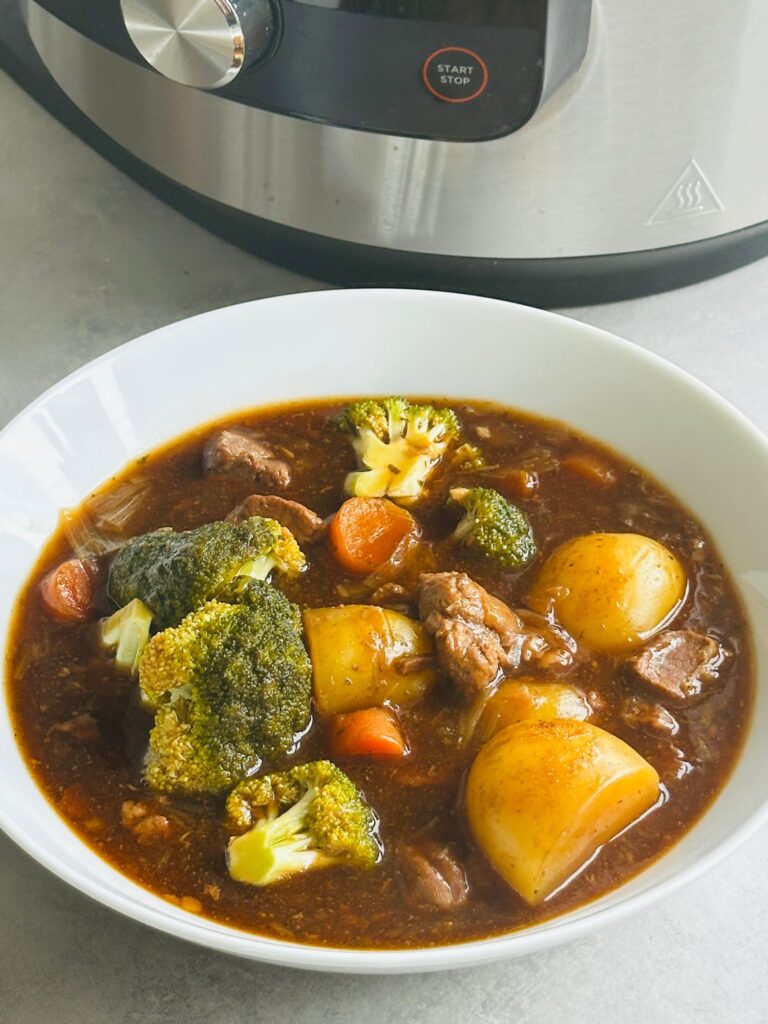
Are you craving a warm, hearty meal but short on time? Making beef stew in a pressure cooker is the perfect solution.
You get tender, flavorful meat and rich, savory broth in a fraction of the usual cooking time. Imagine enjoying a classic comfort dish without waiting for hours. You’ll discover simple steps to make your beef stew delicious and quick. Ready to transform your dinner routine?
Keep reading, and you’ll soon be enjoying a stew that tastes like it’s been simmering all day—only faster and easier.
Credit: lianaskitchen.co.uk
Choosing The Right Beef
Choosing the right beef is key for a delicious pressure cooker stew. The cut affects texture and flavor. Tough cuts become tender and rich after slow cooking. Fat content adds moisture and taste. Balance quality and price for the best results.
Best Cuts For Stew
Stew meat needs cuts that soften with long cooking. These cuts have connective tissue that melts and thickens the stew.
- Chuck: A popular choice with good fat and flavor.
- Brisket: Rich in taste and becomes tender when cooked slowly.
- Round: Leaner but still works well if cooked enough.
- Shank: Very tough but adds strong beef flavor.
Buying Tips
Choose beef with bright red color and firm texture. Avoid meat that looks brown or slimy. Check for marbling, the little white streaks of fat inside meat. More marbling means juicier, tastier stew.
Buy from trusted butchers or stores. Ask for stew meat or cuts suitable for slow cooking. Buy fresh or frozen beef, but thaw slowly before cooking.
Credit: lianaskitchen.co.uk
Essential Ingredients
Choosing the right ingredients is key to making delicious beef stew in a pressure cooker. Fresh vegetables and the right spices bring out the rich flavors. Simple, quality ingredients help the stew cook evenly and taste great.
Vegetables To Include
- Carrots – add sweetness and color
- Potatoes – make the stew hearty and filling
- Onions – provide a strong, savory base
- Celery – adds a subtle crunch and flavor
- Garlic – enhances aroma and depth
- Peas – add a pop of freshness
- Mushrooms – give an earthy richness
Spices And Herbs
- Bay leaves – for a mild, herbal note
- Thyme – adds a slightly minty taste
- Rosemary – gives a pine-like aroma
- Black pepper – adds gentle heat
- Paprika – offers a smoky flavor
- Salt – essential to enhance all flavors
Preparing The Beef
Preparing the beef properly is essential for making a rich and flavorful beef stew in your pressure cooker. How you handle the meat before cooking can change the texture and taste dramatically. Taking the time to trim and brown the beef sets the foundation for a stew that’s tender and packed with savory depth.
Trimming And Cutting
Start by trimming off any excess fat and silver skin from your beef. This helps prevent the stew from becoming greasy and improves the overall texture.
Cut the beef into uniform chunks, about 1 to 1.5 inches in size. This ensures even cooking and makes the meat easier to handle in your pressure cooker.
Think about your stew’s final texture: smaller pieces will break down more, while larger chunks stay meaty and tender. What texture do you prefer?
Browning Techniques
Browning the beef before pressure cooking is a game changer. It creates a deep, caramelized flavor that no seasoning can replace.
Pat the beef dry with paper towels to get a good sear. Wet meat steams instead of browns, so this step is crucial.
Use a hot pan and a bit of oil. Avoid overcrowding the pan; brown the meat in batches if needed. This prevents steaming and ensures each piece gets a nice crust.
Once browned, set the beef aside. The browned bits left in the pan are gold—scrape them up later to add intense flavor to your stew’s sauce.
Setting Up The Pressure Cooker
Setting up your pressure cooker is key to making a delicious beef stew. The right setup ensures your stew cooks evenly and safely. Before starting, understand your pressure cooker’s features and functions. This will make your cooking experience smooth and enjoyable.
Choosing The Right Model
Select a pressure cooker that fits your needs and kitchen size. Electric models are user-friendly and have preset options. They offer convenience for beginners. Stovetop models allow more control over cooking pressure. They are often preferred by experienced cooks. Consider the capacity of your pressure cooker. Ensure it can hold all the ingredients comfortably.
Safety Checks
Conduct safety checks before using your pressure cooker. Inspect the sealing ring for damage or wear. A faulty ring can cause leaks and uneven cooking. Ensure the pressure release valve is clean and functional. A clogged valve can lead to pressure buildup. Always read the user manual for specific safety guidelines. Follow these instructions to prevent accidents and ensure a safe cooking process.
Cooking Process
Getting the cooking process right is key to making tender, flavorful beef stew in a pressure cooker. The way you layer ingredients and manage cooking time directly affects the texture and taste of your stew. Paying attention to these details can save you from a mushy or undercooked meal.
Layering Ingredients
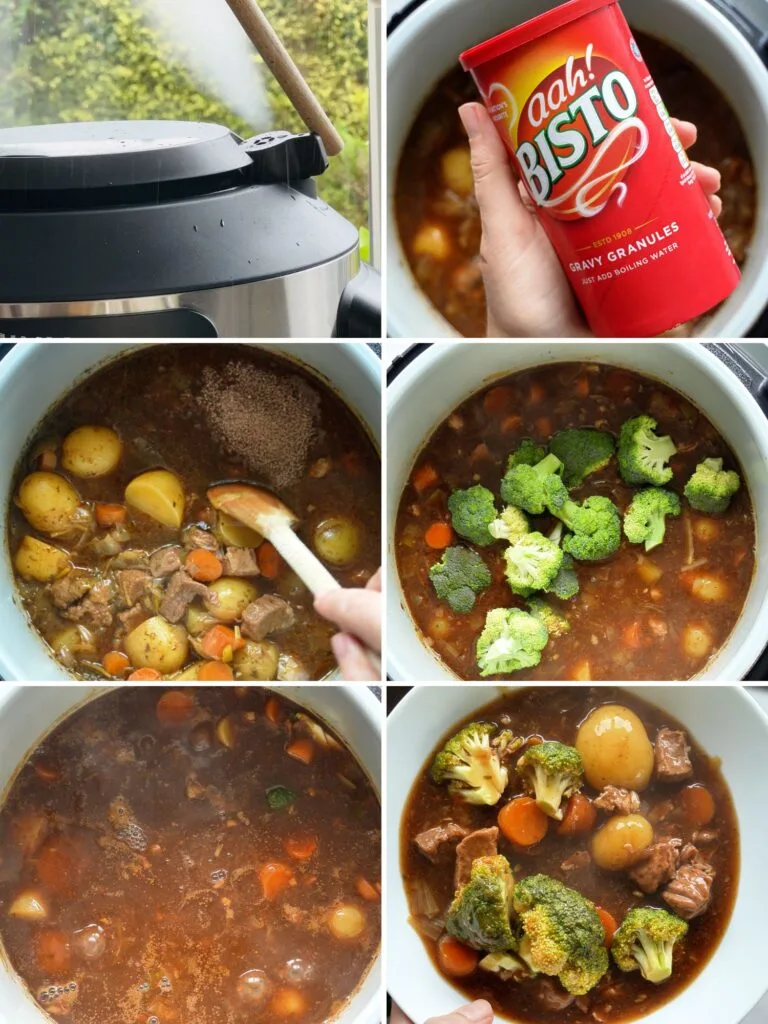
Start by placing the beef at the bottom of the pressure cooker. This helps the meat brown better and prevents vegetables from overcooking.
Next, add hearty vegetables like carrots and potatoes. These take longer to cook and benefit from being closer to the heat source.
Finally, add softer vegetables or delicate herbs on top. This layering stops them from turning to mush during high-pressure cooking.
Have you tried adding onions and garlic first? They release oils that add depth to the stew’s flavor, especially when sautéed briefly before layering other ingredients.
Cooking Time And Pressure Levels
Set your pressure cooker to high pressure for about 30 to 35 minutes. This timeframe is enough to tenderize the beef without overcooking the vegetables.
Once the cooking time is up, let the pressure release naturally for 10 minutes. This gradual release helps the meat fibers relax and keeps the stew juicy.
If you’re short on time, a quick release is possible but may result in slightly tougher meat. Experiment with what works best for your taste and schedule.
Have you noticed how adjusting cooking times just a few minutes can change the stew’s texture? It’s worth testing to find your perfect balance.
Finishing Touches
After pressure cooking your beef stew, the finishing touches truly bring the dish to life. This is where you take control over the texture and flavor, making sure every spoonful is just right. Paying attention to these final steps can turn a good stew into an unforgettable one.
Thickening The Stew
Sometimes, the liquid left after pressure cooking can be thinner than you want. To fix this, you can thicken the stew quickly without losing its rich flavor.
- Mix a tablespoon of cornstarch or flour with cold water to create a smooth slurry.
- Stir this slurry into the hot stew while it simmers on low heat.
- Keep stirring until the stew thickens to your desired consistency.
Have you ever noticed how a thicker broth seems to hold flavors better? Try thickening your stew a little at a time to avoid making it too dense.
Adjusting Seasoning
The pressure cooker locks in flavors, but sometimes the seasoning needs a little tweak at the end. Taste your stew carefully before serving.
- Add salt and pepper gradually, tasting after each addition.
- Try a splash of vinegar or a squeeze of lemon juice to brighten the flavors.
- Consider fresh herbs like parsley or thyme for a fresh finish.
It’s easy to overlook seasoning since the meat and veggies absorb so much flavor. What small seasoning adjustment has made a big difference in your cooking?
Serving Suggestions
Serving your beef stew right can make all the difference between a good meal and a memorable one. Choosing the perfect sides and garnishes not only complements the rich flavors but also enhances the overall dining experience. Let’s explore some practical ideas that you can easily try at home.
Side Dishes
A hearty beef stew pairs wonderfully with simple, comforting side dishes. Think about creamy mashed potatoes that soak up every bit of the stew’s sauce. Or try crusty bread to dip and savor the flavors fully.
Vegetables can add color and freshness. Steamed green beans or roasted carrots provide a nice balance to the rich stew. You might also consider a light salad with a tangy vinaigrette to cut through the stew’s richness.
- Buttery mashed potatoes
- Crusty artisan bread
- Steamed green beans
- Roasted root vegetables
- Simple mixed green salad
Garnishing Ideas
A garnish can elevate the presentation and add a pop of flavor. Fresh herbs like parsley or thyme sprinkled on top brighten the dish and give it a fresh aroma. A dollop of sour cream or a swirl of yogurt adds creaminess and a slight tang that contrasts nicely with the stew’s savory taste.
For a little crunch, toasted nuts or crispy fried onions make a surprising yet delicious topping. Have you ever tried a sprinkle of grated Parmesan? It melts slightly into the hot stew and adds a layer of umami.
- Chopped fresh parsley or thyme
- Dollop of sour cream or Greek yogurt
- Toasted walnuts or pecans
- Crispy fried onions
- Grated Parmesan cheese
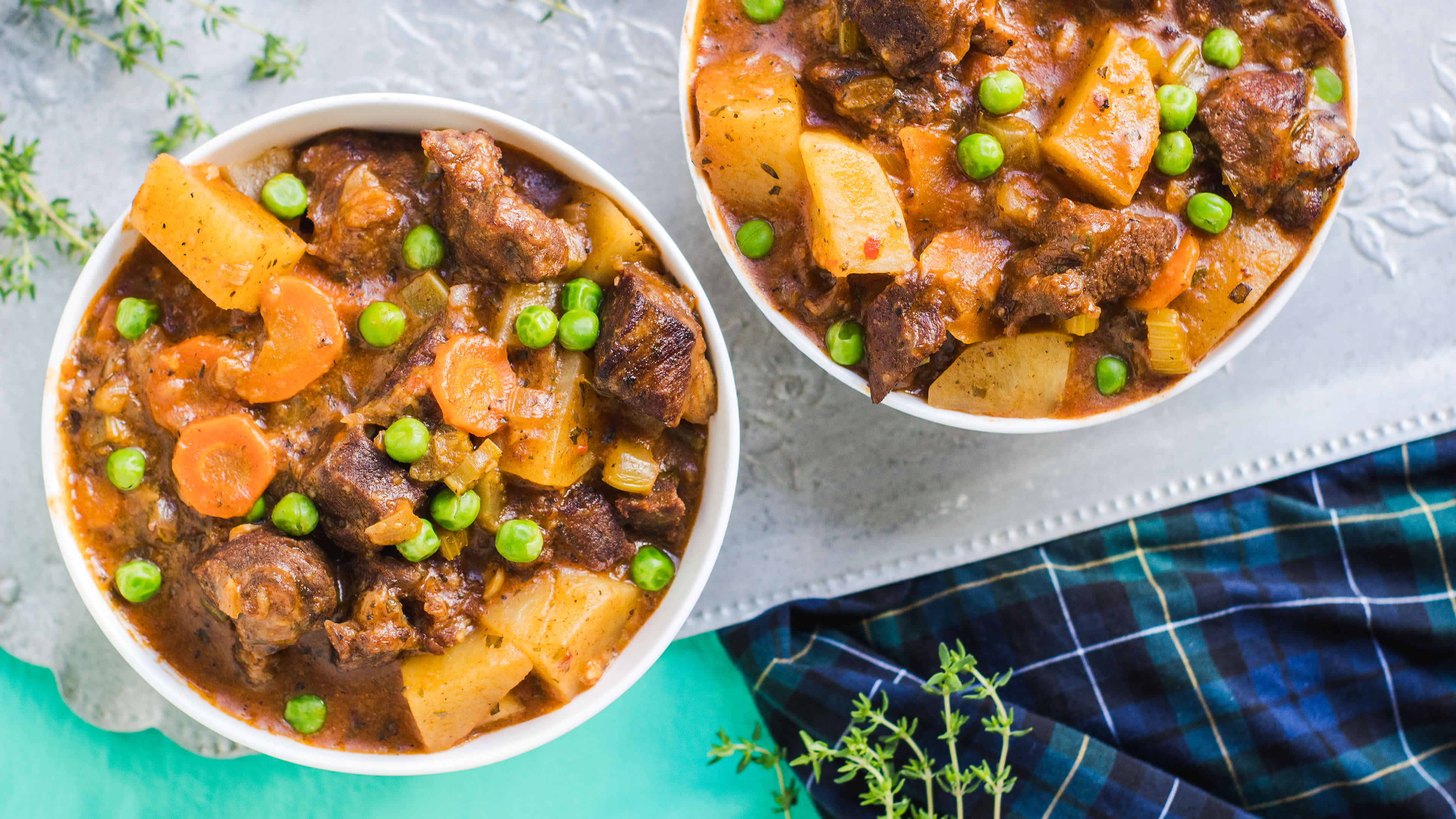
Credit: www.food.com
Troubleshooting Tips
Troubleshooting your beef stew in a pressure cooker can save you time and prevent frustration. Sometimes the stew might not turn out as expected, but small tweaks can make a big difference. Let’s look at common issues you might face and how to fix them quickly.
Common Issues
- Stew is too watery:This often happens if there’s too much liquid or the stew hasn’t thickened enough.
- Meat is tough or chewy:Pressure cooking usually tenderizes meat, but undercooking or using the wrong cut can cause toughness.
- Vegetables are mushy:Overcooking vegetables under pressure can ruin their texture.
- Stew lacks flavor:Sometimes the seasoning isn’t enough or the flavors haven’t blended well.
- Pressure cooker doesn’t reach pressure:This can be due to sealing issues or insufficient liquid.
How To Fix Them
- If your stew is too watery:Remove the lid and simmer on the sauté setting to reduce the liquid. Adding a slurry of cornstarch and water can also thicken it quickly.
- Tough meat:Check the pressure cooking time and cut type. Tougher cuts like chuck roast need longer cooking. You can always cook it under pressure for a few more minutes.
- Mushy vegetables:Add vegetables like carrots and potatoes halfway through the cooking time next time. You can also cook them separately and mix them in later.
- Flavorless stew:Boost flavors with extra herbs, garlic, or a splash of acid like vinegar or lemon juice after cooking. Don’t forget to salt to taste at the end.
- Pressure cooker not sealing:Check the rubber gasket for damage or misplacement. Make sure the lid is properly locked and add the right amount of liquid to create steam.
Have you ever experienced one of these issues? What small change made your stew better? Sometimes, a single adjustment can turn a disappointing stew into a meal you’ll want to make again and again.
Frequently Asked Questions
How Long Does Beef Stew Take In A Pressure Cooker?
Beef stew usually takes 30 to 40 minutes under high pressure. This cuts cooking time significantly compared to traditional methods. Resting for 10 minutes after cooking improves flavor and tenderness.
What Cut Of Beef Is Best For Pressure Cooker Stew?
Chuck roast is ideal for pressure cooker stew. It becomes tender and flavorful after pressure cooking. Avoid lean cuts as they can become dry and tough.
Can I Add Vegetables Before Pressure Cooking Beef Stew?
Yes, add root vegetables like carrots and potatoes before cooking. They soften perfectly during pressure cooking. Delicate vegetables should be added after cooking to avoid overcooking.
How Much Liquid Is Needed For Beef Stew In A Pressure Cooker?
Use at least 1 to 1. 5 cups of liquid for proper pressure cooking. This prevents burning and ensures the beef stews evenly. Broth or water works well as a base.
Conclusion
Making beef stew in a pressure cooker saves time and keeps flavors rich. The meat turns tender, and vegetables cook evenly. You only need a few simple steps to prepare a hearty meal. This method works well for busy days or when you want comfort food fast.
Try different spices or veggies to change the taste. Enjoy a warm, tasty stew without long cooking hours. Pressure cooking makes stew easy and delicious every time. Give it a try and enjoy your homemade beef stew soon.