Want to enjoy a creamy, delicious latte right at home? Making a latte with your espresso machine might seem tricky, but it’s easier than you think.
You don’t need to be a barista to create that perfect blend of rich espresso and smooth steamed milk. In this guide, you’ll discover simple steps that will help you craft a café-quality latte every time. Ready to impress yourself and your friends with your coffee skills?
Keep reading, and let’s get started!
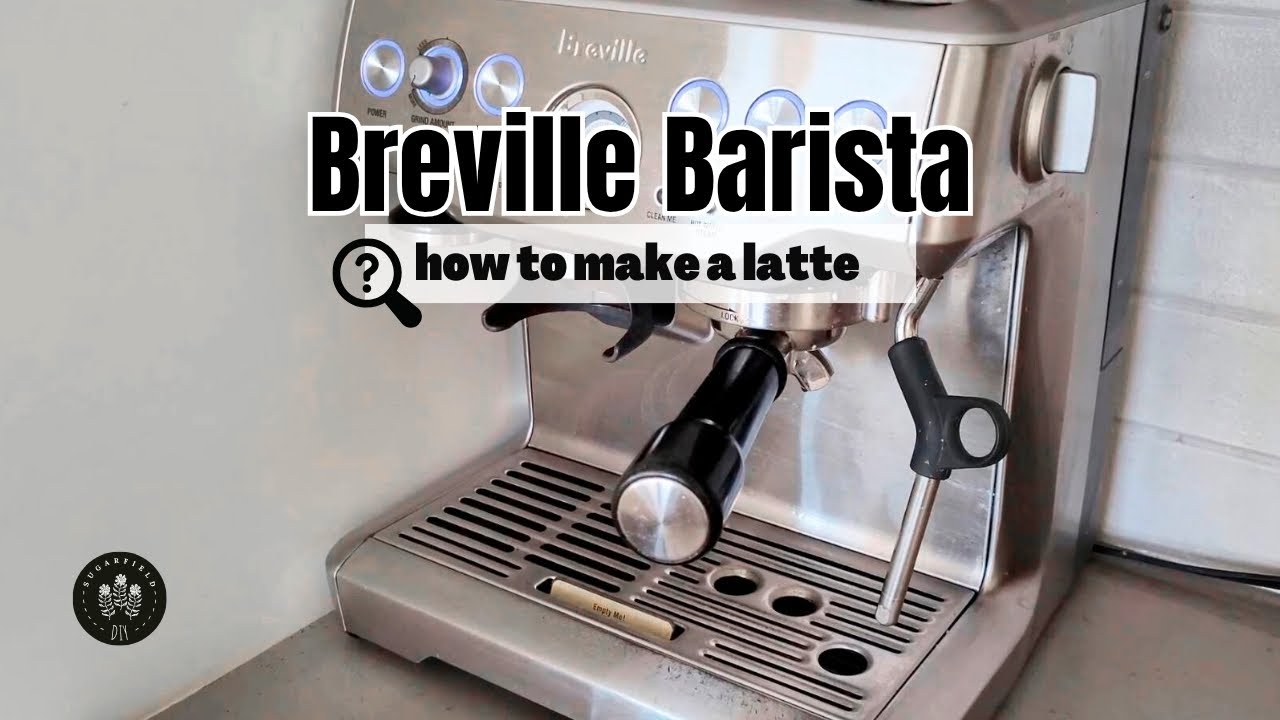
Credit: www.youtube.com
Choosing The Right Espresso Machine
Choosing the right espresso machine is a key step in making the perfect latte at home. The machine you pick affects not only the quality of your coffee but also how much effort you put into each cup. Understanding the differences and features will help you find a machine that fits your lifestyle and taste.
Manual Vs Automatic Machines
Manual espresso machines give you full control over every step, from grinding to tamping and extraction. This means you can experiment and fine-tune your latte, but it requires practice and patience.
Automatic machines handle most of the process for you, making it easier to get consistent results quickly. If you want great espresso without the learning curve, an automatic model might be the best fit.
Ask yourself: Do you enjoy hands-on brewing, or do you prefer convenience? Your answer will guide your choice between manual and automatic.
Essential Features To Look For
Look for a machine with a reliable steam wand for frothing milk—the heart of a good latte. Adjustable temperature and pressure controls let you customize your espresso's flavor.
A built-in grinder can save space and ensure fresh grounds, but separate grinders often offer better quality. Consider machines with easy-to-clean parts to keep your coffee tasting fresh every time.
Think about how much control you want over your espresso shots and milk texture. The right features make your latte-making process smoother and more enjoyable.
Budget Considerations
Espresso machines come in a wide price range, from budget-friendly models around $100 to high-end machines costing over $2,000. Decide how much you're willing to invest based on how often you’ll use it and how serious you are about your coffee.
Spending more usually means better build quality, durability, and advanced features—but even affordable machines can make a satisfying latte. Remember, accessories like grinders and milk frothers might add to the total cost.
What’s more important to you: saving money upfront or investing in a machine that grows with your skills? This question helps you balance cost and quality effectively.
Selecting Coffee Beans And Milk
Choosing the right coffee beans and milk sets the foundation for a great latte. The flavors you get depend heavily on these two ingredients, so it’s worth spending time picking what suits your taste. Your espresso machine can only do so much; the rest comes down to what you brew and blend.
Best Beans For Espresso
Look for beans labeled specifically for espresso. These are usually roasted darker to bring out richer, bolder flavors that stand up well to milk. If you prefer a brighter, fruitier taste, try medium roasts but be aware they might be less intense once combined with milk.
Single-origin beans offer unique flavor profiles, while blends provide balanced and consistent results. Freshly roasted beans make a huge difference—you want to grind your beans just before brewing for the freshest taste. Have you ever noticed how pre-ground coffee loses aroma quickly? That’s why fresh grinding is key.
Types Of Milk For Lattes
Whole milk is the classic choice for lattes because it creates a creamy, rich texture and sweet flavor when steamed. If you want a lighter option, 2% milk still froths well but with less creaminess. Skim milk produces a frothy foam but lacks body, which changes the latte’s mouthfeel.
Barista blends of milk are designed to steam smoothly and hold foam longer, making them popular among coffee professionals. Try experimenting with different milk temperatures—too hot can scorch the milk and affect taste, while too cold won’t froth properly. How do you prefer the texture of your milk in a latte?
Milk Alternatives And Their Effects
If you avoid dairy, plant-based milks are a good choice but vary widely in how they behave with espresso. Almond milk is light but can separate when heated, creating a grainy texture. Oat milk has a creamy consistency and naturally sweet flavor, making it a favorite for many baristas.
Soy milk steams well and produces a good foam but may have a bean-like aftertaste that not everyone enjoys. Coconut milk adds a tropical twist but tends to be thinner and less stable when frothed. Each alternative changes the taste and feel of your latte—have you tried swapping your regular milk for a plant-based option to see what happens?
Preparing The Espresso Shot
Preparing the espresso shot is the foundation of a great latte. Without a rich, well-extracted espresso, your latte won’t have the depth and flavor you expect. Getting this step right means paying close attention to each detail, from the grind to the final pour.
Grinding Coffee Beans
The grind size affects how water flows through the coffee and extracts flavor. You want a fine, consistent grind—not too coarse, or the shot will be weak; not too fine, or it will taste bitter.
Adjust your grinder settings based on the beans you use. Freshly roasted beans need a slightly different grind than older ones. Check the grind texture by rubbing a bit between your fingers; it should feel like fine sand.
Tamping Techniques
Tamping compresses the ground coffee to create a smooth surface for water to pass through evenly. Hold the tamper firmly and press down with about 30 pounds of pressure—firm but steady.
Make sure the coffee bed is level after tamping to avoid channeling, which causes uneven extraction. If you notice water rushing through certain spots during extraction, your tamping might need adjustment.
Pulling The Perfect Shot
Start your machine and watch the espresso pour out like warm honey, thick and steady. The ideal shot takes about 25-30 seconds to pull and yields around 1 to 1.5 ounces of espresso.
If the shot is too fast, your grind might be too coarse or tamping too light. If it’s too slow, try a finer grind or firmer tamp. Taste your shot—does it feel balanced and rich? Adjust until you find your perfect pull.

Credit: myeverydaytable.com
Steaming And Frothing Milk
Steaming and frothing milk is key to making a delicious latte. It gives the drink a smooth texture and rich taste. Properly steamed milk adds sweetness and helps blend the espresso and milk well. Frothing creates tiny bubbles that make the milk creamy and light. Learning how to steam and froth correctly improves your latte experience.
Using The Steam Wand Correctly
Start with cold, fresh milk in a stainless steel pitcher. Insert the steam wand just below the milk surface. Turn on the steam and lower the pitcher slowly. Keep the wand near the side to create a whirlpool effect. Stop steaming once the milk reaches about 150°F (65°C). Wipe the wand with a damp cloth after each use.
Achieving Creamy Microfoam
Microfoam means tiny, smooth bubbles in the milk. These bubbles make the milk shiny and silky. To get microfoam, keep the steam wand close to the surface. Let air enter the milk gently to create small bubbles. Then, submerge the wand deeper to heat the milk evenly. Tap the pitcher on the counter to remove big bubbles.
Common Mistakes To Avoid
- Overheating milk, which causes a burnt taste.
- Placing the steam wand too deep, no foam forms.
- Not purging the steam wand before use.
- Using old or warm milk instead of cold milk.
- Ignoring the whirlpool effect during steaming.
Combining Espresso And Milk
Combining espresso and milk is the heart of making a great latte. The rich, strong espresso blends with creamy steamed milk to create a smooth, balanced drink. The texture of the milk and the way you pour it affect flavor and presentation.
Steamed milk should be velvety with small bubbles, known as microfoam. This texture helps the milk mix well with espresso and adds a silky mouthfeel. Pouring the milk carefully over the espresso creates a harmonious cup.
Pouring Techniques For A Smooth Latte
Hold the cup at a slight angle. Start pouring milk slowly from a few inches above the cup. This helps the milk sink below the espresso layer. Then, move the pitcher closer to the cup’s surface. Pour faster and gently wiggle the pitcher to mix milk and espresso. Finish with a steady pour to create a smooth top layer.
Creating Latte Art Basics
Good latte art starts with microfoam milk. Pour the milk steadily into the center of the espresso. As the cup fills, move the pitcher closer and pour faster. Use small wrist movements to create shapes like hearts or rosettas. Practice helps improve control and design clarity.
Adjusting Ratios For Taste
Latte taste depends on espresso-to-milk ratio. A classic latte uses one part espresso to three parts milk. For a stronger coffee flavor, add less milk. For a creamier, milder latte, increase milk amount. Adjust foam thickness for texture preferences.
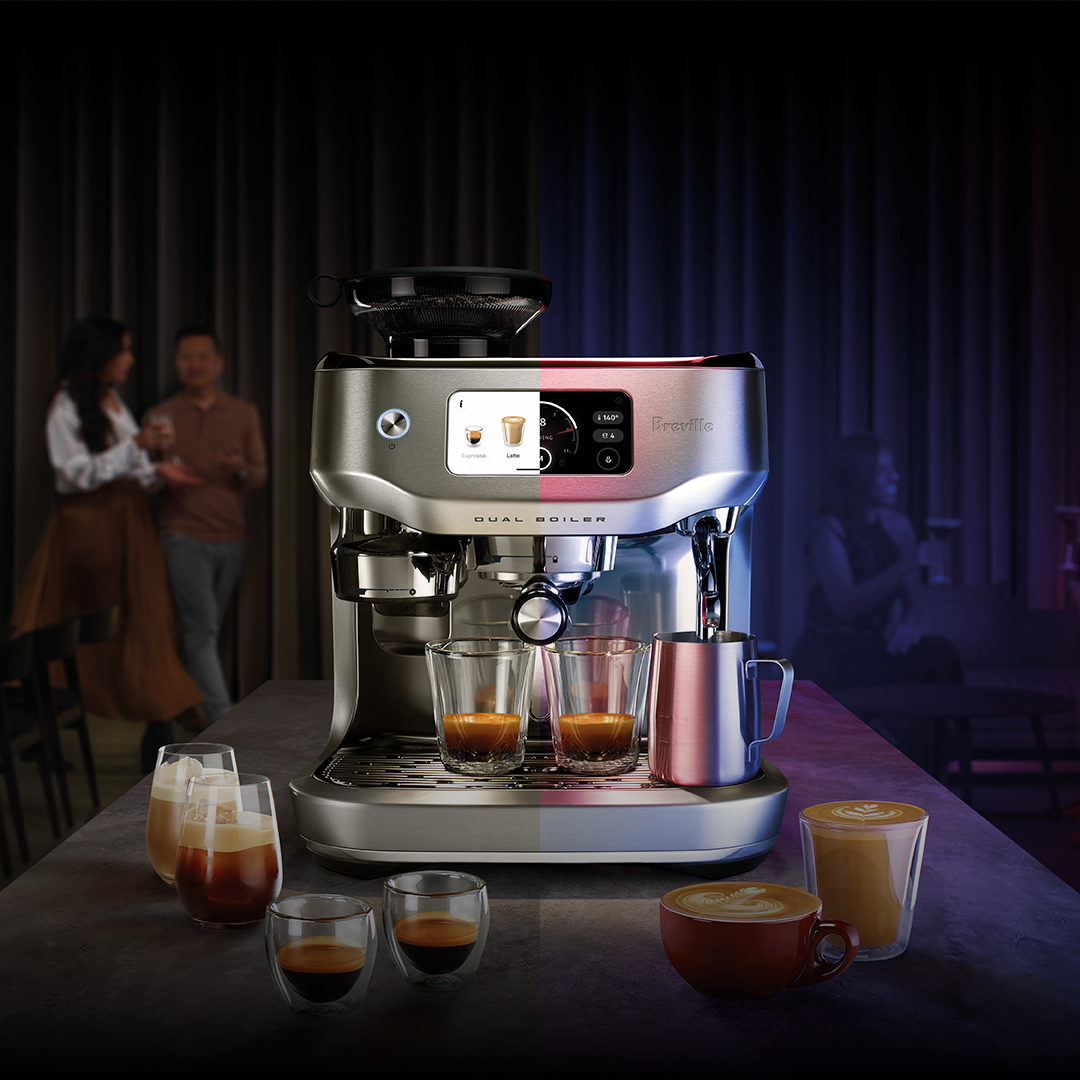
Credit: www.breville.com
Cleaning And Maintenance Tips
Regular cleaning keeps your espresso machine working well and tasting great. Wipe the steam wand after each use and descale the machine monthly to avoid buildup. Proper maintenance extends the life of your machine and ensures every latte tastes fresh.
Cleaning and maintaining your espresso machine is essential to enjoying consistently delicious lattes. A well-cared-for machine not only brews better coffee but also lasts longer. Just imagine the disappointment of a poorly maintained machine ruining your morning routine. Ensuring your machine is in top condition is easier than you might think. Let’s dive into some practical tips to keep your espresso machine running smoothly.
Daily Cleaning Routine
Every time you make a latte, your espresso machine collects oils and residues that can affect the taste of future drinks. To keep flavors fresh, incorporate a quick cleaning routine. After each use, wipe down the steam wand with a damp cloth. This prevents milk from hardening and blocking the wand. Run hot water through the group head to remove any lingering coffee grounds. Make sure to empty and rinse the drip tray and water reservoir. These simple steps ensure your machine is always ready for the next perfect brew.
Descaling The Machine
Over time, minerals in water can build up inside your espresso machine. This scale can affect the machine’s performance and the taste of your coffee. Descaling is crucial to remove these deposits. Use a commercial descaling solution or a mixture of water and vinegar. Run this solution through the machine as you would water when brewing. Be sure to rinse thoroughly afterward with fresh water to avoid any lingering taste. Descaling every few months can keep your machine in optimal condition.
Extending Machine Lifespan
Regular maintenance not only keeps your coffee tasting great but also extends the life of your machine. Consider it an investment in your coffee experience. Pay attention to any unusual noises or changes in performance, as these can indicate that your machine needs attention. Replace any worn-out parts, such as gaskets or seals, promptly. This proactive approach minimizes repair costs and downtime. How satisfying would it be to sip on a latte made from a machine that’s been with you for years? With care and maintenance, it’s entirely possible.
Frequently Asked Questions
How Do You Steam Milk For A Latte?
Steam milk using the espresso machine's steam wand. Submerge the wand just below the surface. Create a creamy, velvety texture by introducing air slowly. Heat until milk reaches around 150°F (65°C). Avoid overheating to prevent a burnt taste.
What Is The Ideal Espresso Shot For A Latte?
Use a single or double shot of espresso. Extract for about 25-30 seconds for rich flavor. Use finely ground coffee for optimal taste. A strong espresso base balances the milk in your latte perfectly.
How Much Milk Is Needed For A Latte?
Use about 6-8 ounces of steamed milk per latte. The milk should be creamy with microfoam on top. This ratio gives a smooth texture and balanced flavor. Adjust milk volume based on cup size and personal preference.
Can You Make A Latte Without An Espresso Machine?
Yes, use strong brewed coffee or instant espresso. Heat and froth milk with a whisk or frother. Combine coffee and steamed milk for a latte-like drink. The flavor will differ but still enjoyable and creamy.
Conclusion
Making a latte with an espresso machine is simple and fun. Start with fresh coffee beans and clean water. Pay attention to the espresso shot and milk frothing. Practice helps you improve the taste and texture. Enjoy your warm, creamy latte at home anytime.
This skill saves money and brings café joy to you. Try different milk types and flavors to find your favorite. With patience, your homemade latte will taste just right. Give it a go today!