Are you ready to create a butcher block cutting board that’s not only sturdy but also adds a warm, natural touch to your kitchen? Making your own cutting board might sound tricky, but with the right steps, you can craft a beautiful, long-lasting piece that fits your style perfectly.
Imagine having a board that’s built just for you—strong enough for all your chopping needs and unique in its design. Keep reading, and you’ll discover simple, clear instructions to turn ordinary wood into a kitchen essential you’ll love using every day.

Credit: www.youtube.com
Choosing Wood Types
Choosing the right wood for your butcher block cutting board is crucial. The wood you select affects durability, appearance, and safety. Understanding different wood types helps you create a board that lasts and looks great in your kitchen.
Hardwood Options
Hardwoods are the best choice for butcher blocks because they resist scratches and dents. Maple is a popular option due to its tight grain and hardness. Walnut offers a rich, dark color and is also durable.
Cherry wood has a warm tone and ages beautifully over time. Avoid softwoods like pine since they scar easily and can harbor bacteria. What qualities matter most to you in a cutting board—hardness, color, or grain?
Wood Grain Considerations
Look closely at the wood grain when picking your lumber. End grain boards, where the grain is vertical, absorb knife cuts better and last longer. Face grain boards show long wood fibers and are easier to make but wear out faster.
Grain direction also affects how the wood reacts to moisture. You want a grain that keeps the board stable and less prone to warping. Have you noticed how different grains feel under your knife?
Wood Safety For Food Use
Not all woods are safe to use with food. Avoid woods that are oily or have strong odors, such as cedar or pine. These can affect the taste of your food or cause allergic reactions.
Choose woods that are naturally antimicrobial like maple or walnut. Also, make sure the wood is untreated and free of chemicals. How do you ensure your materials are safe for everyday kitchen use?
Gathering Tools And Materials
Gathering the right tools and materials is the first step to making a butcher block cutting board. Using quality items ensures a strong and beautiful board. Having everything ready saves time and makes the process smooth. This section covers the must-have tools, recommended finishes, and essential safety gear.
Essential Tools List
- Wood glue for strong joints
- Clamps to hold pieces tightly
- Table saw or circular saw for cutting wood
- Planer or hand plane for smoothing surfaces
- Orbital sander with various grit sandpapers
- Measuring tape and square for accuracy
- Wood chisels for fine adjustments
- Router for shaping edges
- Workbench or sturdy table
Recommended Finishes
- Food-safe mineral oil to protect wood
- Beeswax for a smooth, shiny surface
- Tung oil for water resistance
- Walnut oil as a natural finish
- Cutting board conditioner blends
Safety Gear
- Safety glasses to protect eyes
- Hearing protection for loud tools
- Dust mask to avoid inhaling wood dust
- Work gloves to prevent splinters
- Proper clothing to avoid loose fabric
Preparing Wood Pieces
Preparing wood pieces is the first important step in making a butcher block cutting board. It ensures the board is strong, smooth, and safe to use. This process involves selecting the right wood, cutting it to the right size, sanding it, and checking for any defects. Proper preparation helps the board last longer and look better.
Cutting To Size
Start by cutting wood strips to the desired length and width. Use a saw to make clean, straight cuts. Make sure all pieces are the same size to fit well together. Uniform pieces create a stable and sturdy board. Measure twice, cut once to avoid mistakes.
Sanding Techniques
Sanding smooths the wood surface and removes rough edges. Begin with coarse sandpaper to even out surfaces. Then use finer sandpaper to make it smooth to touch. Sand along the grain to avoid scratches. Proper sanding prevents splinters and improves appearance.
Checking For Defects
Examine each wood piece carefully. Look for cracks, knots, or warping. Defects can weaken the board or cause uneven surfaces. Discard or cut out bad sections. Only use strong and clean pieces to build a reliable cutting board.
Credit: www.youtube.com
Assembling The Board
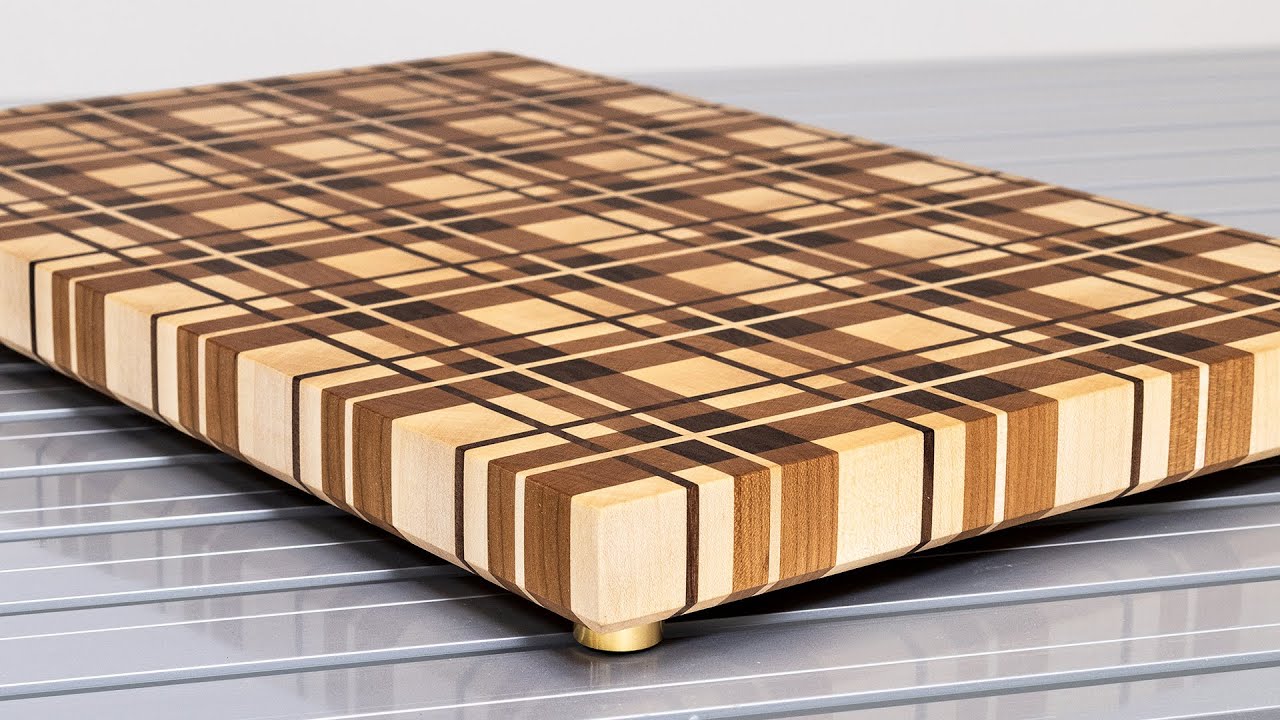
Align wooden pieces tightly and apply glue evenly along the edges. Clamp the board firmly and let it dry for several hours. Sand the surface smooth to create a durable butcher block cutting board.
Assembling a butcher block cutting board is a satisfying project that combines precision and creativity. The process involves a series of steps that, when done right, result in a durable and beautiful kitchen tool. From applying glue to ensuring proper drying, each stage is crucial for a seamless finish.
Glue Application Tips
Applying glue correctly is vital to the stability of your cutting board. Use a high-quality, food-safe wood glue for the best results. Ensure that you apply a generous but not excessive amount of glue to each edge. Use a brush or roller for even distribution. This prevents gaps and ensures a strong bond between the wood pieces. Remember, too little glue can lead to weak joints, while too much can create a mess and make clamping difficult.
Clamping For Best Results
Proper clamping is essential to keep your board flat and sturdy. Use at least three clamps—one at each end and one in the middle. This ensures even pressure and prevents warping. Position the clamps so they distribute pressure evenly across the board. Consider using cauls, which are straight pieces of wood, to apply uniform pressure across the top. This technique can help avoid any bowing or bending of the board.
Drying Time
Patience is key when it comes to drying. Allow your glued board to dry for at least 24 hours. This ensures the glue cures fully and the bond is strong. Avoid rushing this step to prevent weak joints that could compromise the board's integrity. Set the board in a dry, well-ventilated area, and resist the urge to check it before the glue sets completely. By following these steps, you ensure your butcher block cutting board is both functional and long-lasting. What challenges have you faced in your woodworking projects? Share your thoughts and tips in the comments below!
Shaping And Sanding
Shaping and sanding your butcher block cutting board is where it starts to take form and feel just right in your hands. This phase isn’t just about looks—it impacts how comfortable and safe your board will be to use every day. Paying attention to the details here makes a huge difference in the finished product’s quality and durability.
Edge Rounding
Sharp edges on a cutting board can be uncomfortable and even dangerous. Use a router or sanding block to gently round off all the edges and corners. This small step improves both the board’s aesthetics and how it feels when you pick it up.
Think about how often you handle your board—rounded edges reduce the chance of splinters and make cleaning easier. Have you noticed how professional butcher blocks always have soft edges? That’s no accident.
Surface Smoothing
The surface needs to be perfectly flat and smooth for safe, effective chopping. Start with a coarse grit sandpaper to remove any uneven spots or tool marks. Then, move on to finer grits to refine the surface.
Keep your sanding strokes consistent and go with the grain of the wood to avoid scratches. If you skip this, your knife might catch on rough patches, dulling your blades faster. How smooth is smooth enough? Run your hand over the surface—you should feel nothing but silkiness.
Final Sanding Grits
Finish sanding with very fine grits—typically between 220 and 320—to bring out the wood’s natural beauty and prepare it for sealing. This final step enhances durability and ensures your board won’t absorb moisture or odors.
Don’t rush through this part. The difference between a good board and a great one often lies in these final passes. What grit do you usually stop at when sanding wood? Try going a step finer and see how the texture changes under your fingertips.
Applying Finish
Applying finish to your butcher block cutting board protects the wood. It keeps the surface smooth and safe for food. A good finish also prevents water damage and stains. Choosing the right finish helps your board last longer.
Food-safe Oils
Use oils safe for food contact. Mineral oil is popular because it is odorless and tasteless. Other options include walnut oil and coconut oil. Avoid vegetable oils that can go rancid. These oils soak into the wood and protect it well.
Multiple Coats
Apply several coats of oil for best results. Each coat adds more protection and shine. Use a clean cloth to spread the oil evenly. Let each coat soak in before adding the next. This builds a strong barrier on the wood surface.
Curing Time
Allow the board to dry after the final coat. This curing time lets the oil fully absorb. Usually, 24 hours is enough. Place the board in a dry, warm spot. Avoid using it until the finish feels dry and smooth.
Maintenance Tips
Maintaining a butcher block cutting board keeps it durable and safe for food use. Simple care routines extend its life and preserve its appearance. Follow these tips to keep your board in top shape.
Cleaning Guidelines
Clean your butcher block after every use. Use warm water and mild soap. Avoid soaking the board in water. Wipe it dry immediately with a clean cloth. Never put the board in a dishwasher. This can cause warping and cracks.
For deeper cleaning, sprinkle coarse salt on the surface. Rub it with a half lemon to remove stains and odors. Rinse with warm water and dry thoroughly. This method keeps your board fresh without harsh chemicals.
Re-oiling Schedule
Apply food-safe mineral oil regularly to keep the wood hydrated. Oil your board once a month or when it looks dry. Pour a small amount of oil on the surface. Use a clean cloth to rub it evenly in all directions. Let the oil soak overnight. Wipe off any excess oil in the morning.
Oiling prevents cracks and keeps the wood smooth. Avoid vegetable oils as they can go rancid and smell bad.
Repairing Damage
Small cuts and scratches are normal but can be fixed easily. Sand the damaged area lightly with fine-grit sandpaper. Wipe away dust with a damp cloth. Reapply mineral oil after sanding to restore moisture.
For deep cracks, wood glue can seal the split. Clamp the area tightly until the glue dries. Sand and oil after the repair. This keeps your board safe and functional for years.

Credit: www.reddit.com
Frequently Asked Questions
How Do You Choose Wood For Butcher Block Boards?
Choose hardwoods like maple, walnut, or cherry for durability and safety. Avoid soft or porous woods to prevent knife damage and bacteria growth.
What Tools Are Needed To Make A Butcher Block Board?
Essential tools include a table saw, clamps, sander, wood glue, and mineral oil for finishing. These tools help shape, bond, and protect the board.
How Long Does It Take To Make A Butcher Block Board?
Making a butcher block board typically takes 4 to 8 hours. This includes cutting, gluing, clamping, sanding, and finishing.
How Do You Maintain A Butcher Block Cutting Board?
Regularly oil your board with food-safe mineral oil. Clean with mild soap and avoid soaking to keep it in good condition.
Conclusion
Making a butcher block cutting board takes time and care. Choose good wood and cut it into pieces. Glue the pieces tightly and let them dry. Sand the board smooth to remove rough spots. Finish with oil to protect and shine.
You get a strong, useful board for your kitchen. This project is fun and rewarding to try. A handmade board adds warmth to your cooking space. Simple steps can create something special and lasting. Give it a go and enjoy your new board!