Is your refrigerator acting up? You might not notice the small changes at first, but these signs can mean your fridge is on its last legs.
Knowing when your refrigerator is going out can save you from spoiled food, unexpected breakdowns, and costly repairs. You’ll discover the key warning signs to watch for, helping you decide when it’s time to fix or replace your fridge. Keep reading to protect your food, your money, and your peace of mind.
Unusual Noises
Unusual noises coming from your refrigerator are often the first sign that something is wrong. These sounds can indicate mechanical issues or worn-out parts. Paying close attention to these noises can save you from costly repairs or a complete replacement down the line.
Rattling And Knocking Sounds
If you hear rattling or knocking, it might mean that parts inside your fridge are loose or malfunctioning. Sometimes the compressor or fan blades get unbalanced, causing these irregular noises. Have you ever noticed a sudden knocking right after closing the fridge door? That could signal a problem with the compressor motor or the defrost timer.
Try to pinpoint where the noise is coming from. Is it near the back, inside, or underneath? Tightening loose screws or repositioning the fridge slightly can help, but persistent rattling usually means you need professional help.
Humming And Buzzing
A constant humming or buzzing noise is often normal, but if it suddenly gets louder or changes tone, it might be a problem. These sounds come from the compressor or the condenser fan working harder than usual. It could mean the coils are dirty or the motor is struggling to keep the temperature steady.
Have you cleaned the coils recently? Dirty coils reduce efficiency and make your fridge work overtime, leading to louder humming. Regular maintenance like cleaning and checking the fan can help avoid these issues and keep your fridge running quietly.
Inconsistent Temperatures
Inconsistent temperatures inside your refrigerator can be a clear sign that something is wrong. When your fridge can’t maintain a steady cold environment, it affects the freshness and safety of your food. This issue often goes unnoticed until you start seeing more spoiled groceries or strange freezer behavior.
Frequent Spoiling Of Food
Have you noticed your milk turning sour faster than usual or vegetables wilting in just a few days? This is often caused by temperature fluctuations inside the fridge. If the cooling system struggles, parts of your fridge might get too warm, making food spoil quickly.
Try placing a thermometer inside your fridge and check it regularly. If the temperature swings between cold and warm, your fridge might be failing. This inconsistency can also cause condensation, leading to mold growth on food and shelves.
Fluctuating Freezer Conditions
Your freezer should keep things solidly frozen, but if ice cream is melting or frozen meals are thawing and refreezing, it’s a warning sign. These temperature changes can cause freezer burn and ruin the texture of your food.
Listen closely for strange noises like the compressor turning on and off frequently. This cycling often means the fridge struggles to keep a constant temperature. You might also notice frost buildup, which is another symptom of temperature control problems.
Excessive Condensation
Excessive condensation inside your refrigerator is a clear sign that something isn’t quite right. It can indicate issues with temperature regulation or sealing problems. Noticing this early can save you from costly repairs or food spoilage.
Water Leaks Inside
If you see water pooling inside your fridge, it’s a red flag. This often happens because of a blocked or frozen defrost drain. When the drain is clogged, water can’t escape and starts to leak inside.
Check under the vegetable drawers for standing water. Also, listen for unusual dripping sounds—these might be signs your fridge is struggling to handle moisture. Ignoring these leaks can cause mold growth and damage to your fridge’s interior.
Frost Build-up
Frost accumulating where it shouldn’t be is another symptom of excessive condensation. It usually forms around the freezer walls or the back of the fridge. This can happen if the door seal is damaged or if the fridge is not cooling properly.
Have you ever noticed thick ice layers that seem to grow overnight? This buildup reduces storage space and forces your fridge to work harder, increasing energy bills. Regularly defrosting and checking door seals can help you avoid this problem.
Motor Running Constantly
Your refrigerator’s motor is designed to cycle on and off as needed to keep your food cold. However, if you notice the motor running constantly, this could be a red flag that your fridge is struggling. This nonstop operation not only stresses the motor but also hints at underlying problems that might soon lead to a breakdown.
High Energy Bills
Have you seen a sudden jump in your electricity bill without changing your usage habits? A motor that runs non-stop uses more energy, which directly impacts your utility costs. This constant running can mean your fridge is working harder to maintain temperature, possibly due to faulty seals or a failing compressor.
Monitoring your bills closely can help you catch this early. If you spot an increase, check if the fridge motor is running continuously. Fixing a small issue early can save you from a costly appliance replacement and lower bills.
Warm Fridge Exterior
If your refrigerator’s outside feels unusually warm, especially on the sides or back, that’s a warning sign. A motor that never stops generates excess heat, which escapes through the exterior surfaces. This warmth can also indicate that the cooling system is overworking due to problems like dirty coils or blocked vents.
Try touching the fridge periodically to check for warmth. If it’s hotter than usual, it’s time to inspect or call a technician. Ignoring this can shorten your fridge’s lifespan and increase energy consumption.
Strange Odors
Strange odors coming from your refrigerator can be an early warning sign that something is wrong. These smells often hint at deeper issues that affect the appliance’s performance and your food’s safety. Paying attention to unusual scents can help you catch problems before they become costly repairs or total breakdowns.
Musty Smell
A musty smell inside your fridge usually points to mold or mildew growth. This can happen if moisture builds up due to poor ventilation or a failing door seal. If you notice this odor, check for spills or spoiled food that might be hiding in corners or drawers.
Have you ever opened your fridge and immediately smelled something damp and stale? That’s a red flag. Ignoring it could lead to spoiled groceries and even health risks.
Chemical Odors
Chemical or sharp smells might indicate refrigerant leaks or electrical issues. These odors are not only unpleasant but can be hazardous to your health. If you detect a smell similar to ammonia or solvents, it’s important to turn off the fridge and call a professional immediately.
Such odors don’t just mean your fridge is struggling—they could signal a dangerous situation. Can you afford to wait and risk exposure? Paying attention to these smells can save you from bigger problems down the line.

Credit: www.oliverdyersappliance.com
Visible Signs Of Wear
Visible signs of wear on your refrigerator are often the first clues that it’s nearing the end of its lifespan. These signs don’t just affect the look of your appliance—they can impact its performance and efficiency too. Paying attention to these details can save you from unexpected breakdowns and costly repairs.
Cracks And Rust
Cracks on the exterior or interior walls of your fridge can let cold air escape, causing your appliance to work harder than necessary. Rust spots are another red flag; they weaken the metal and might spread quickly if ignored. Have you noticed any flaking paint or rough patches around your fridge’s edges or shelves? These are clear indicators that moisture has been lingering too long.
Small cracks might seem harmless, but they can lead to bigger problems, like leaks or electrical hazards. Rust often starts in hidden areas such as the back or under the fridge, so it’s worth pulling it out occasionally for a close look. Ignoring these signs could shorten your fridge’s lifespan significantly.
Damaged Seals
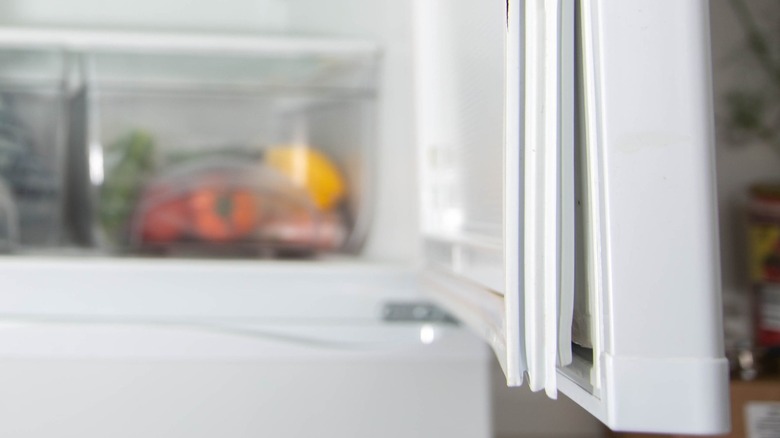
The rubber seals around your fridge door are crucial for keeping cold air inside. If these seals are cracked, torn, or feel loose, your fridge has to work harder to maintain the right temperature. You might notice condensation forming around the edges or even frost buildup inside, both signs that the seal is compromised.
Try this simple test: close the door on a piece of paper and gently pull it out. If it slides out easily without resistance, your seal might need replacing. Damaged seals not only waste energy but can also lead to spoiled food—something no one wants to deal with unexpectedly.
Malfunctioning Lights
Malfunctioning lights inside a refrigerator can signal deeper problems. These lights help you see inside clearly. When they act up, it might mean your fridge is struggling. Watch for any unusual light behavior. It may be time to check your appliance.
Flickering Interior Lights
Flickering lights inside the fridge are a common issue. They can make it hard to see food properly. Flickering often means a loose bulb or bad connection. Sometimes, the problem lies with the wiring or power supply. This issue can worsen over time, affecting other parts.
Check if the bulb is securely placed. Replace it with a new one if needed. If flickering continues, call a technician to inspect the wiring. Ignoring flickering lights might lead to bigger fridge problems.
Non-responsive Light Switch
The light switch turns the fridge light on or off when the door opens. If the light does not come on at all, the switch might be faulty. A broken switch means the fridge door is open, but the light stays off. This may cause food to spoil faster.
Test the switch by pressing it manually. If the light fails to respond, the switch needs replacement. Replacing the switch is usually simple and inexpensive. Fixing this early saves you from further fridge damage.
Credit: www.tastingtable.com

Credit: www.kitchenaid.com
Frequently Asked Questions
How Can I Tell If My Refrigerator Is Failing?
Signs include unusual noises, inconsistent temperatures, and frequent cycling. Check for frost buildup or leaking water. These indicate potential failure and need for repair or replacement.
What Noises Indicate A Refrigerator Problem?
Loud humming, buzzing, or clicking sounds often signal a malfunction. These noises may come from the compressor, fan, or motor, suggesting mechanical issues.
Why Is My Refrigerator Not Cooling Properly?
Poor cooling can result from dirty coils, faulty thermostat, or compressor issues. It affects food preservation and signals that the fridge may be going out.
How Long Should A Refrigerator Last?
Most refrigerators last 10 to 20 years. Performance declines with age, leading to higher energy use and more frequent repairs. Consider replacement when issues persist.
Conclusion
A refrigerator showing strange noises or warm temperatures signals trouble. Frequent frost buildup or leaks also warn of problems ahead. Don't ignore rising energy bills or food spoiling faster than usual. These signs mean your fridge may need repair or replacement soon.
Acting early can save you money and avoid food waste. Stay alert to these common warning signs for a working fridge. Your kitchen relies on a good refrigerator every day.