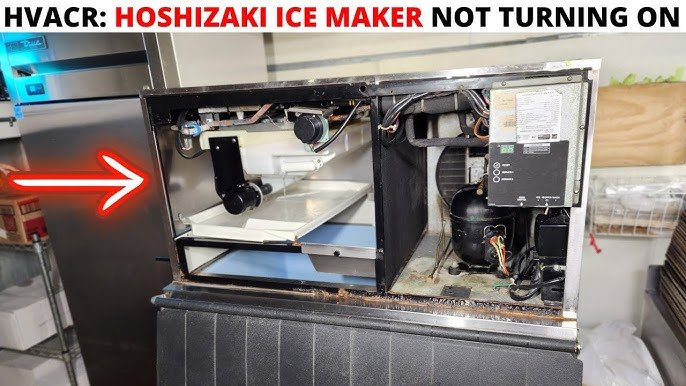
Is your refrigerator acting up, and you’re not sure if it’s broken? You rely on it every day to keep your food fresh and drinks cold.
When something goes wrong, it can quickly turn into a big problem. But how can you tell if it’s just a minor issue or if your fridge needs serious repair or replacement? You’ll discover the key signs to watch for.
Knowing these early warning signals can save you time, money, and a lot of frustration. Keep reading to find out exactly what to look for and what steps you should take next.
Unusual Noises
Unusual noises coming from your refrigerator can be a clear sign that something isn’t working right. These sounds often catch your attention because they stand out from the normal humming or buzzing you expect. Listening closely can help you spot problems early before they get worse or cause a breakdown.
Identifying Strange Clicking Or Popping Sounds
If you hear clicking or popping noises, it might mean the defrost timer is working as it should. But if these sounds become louder or more frequent, it could be a sign of a failing compressor or relay. Have you noticed your fridge clicking every few minutes more than usual?
Recognizing Loud Humming Or Buzzing
Every fridge makes a humming noise when the compressor runs, but a sudden increase in volume is a red flag. Loud buzzing might indicate the condenser fan motor is struggling or blocked by dust. Check if the fan blades spin freely and clean any dirt you find.
Detecting Rattling Or Vibrating Sounds
Rattling noises often come from loose parts or something vibrating against the fridge body. Sometimes, the drip pan or back panel isn’t secured well. Give these parts a gentle push and tighten anything that feels loose to stop the noise.
Hearing High-pitched Whining Or Squealing
A high-pitched whining noise usually points to a worn-out motor or compressor issue. This kind of sound can get worse over time and may mean your fridge needs professional repair. Have you checked if the noise stops when you turn off the fridge?
- Pay attention to new or unusual sounds that weren’t there before.
- Try to locate where the noise is coming from inside or behind the fridge.
- Note if the sound happens during specific fridge cycles, like cooling or defrosting.
Listening to your refrigerator’s noises is like getting an early warning system for its health. What unusual sound have you heard lately, and how did it affect your fridge’s performance?
Inconsistent Temperatures
Inconsistent temperatures inside your refrigerator can be a clear sign that something is wrong. If your food is freezing in one compartment but spoiling quickly in another, it’s time to pay attention. These temperature fluctuations not only waste food but also increase your energy bill.
How To Detect Temperature Fluctuations
Keep a thermometer inside your fridge and check it several times a day. Note any sudden drops or rises in temperature. You might find that the fridge feels cold in one area and warm in another.
Have you ever noticed ice buildup on fresh produce or felt warm air when you open the door? These are subtle clues your fridge isn’t cooling evenly. Spotting these early can save you from bigger repairs later.
Common Causes Of Inconsistent Temperatures
- Faulty Thermostat:If the thermostat malfunctions, the fridge struggles to maintain the right temperature.
- Blocked Air Vents:Air circulation is crucial. When vents are blocked by food items, cold air can’t flow properly.
- Dirty Condenser Coils:Dust on coils reduces cooling efficiency, leading to hot spots inside the fridge.
- Damaged Door Seals:If seals are worn out, warm air sneaks in, causing temperature swings.
Impact On Your Food And Energy Bill
Uneven temperatures lead to spoiled food, which means more trips to the grocery store. It also makes your fridge work harder, increasing electricity use. Have you checked your last energy bill to see if it’s gone up unexpectedly?
Think about that leftover milk that went bad faster than usual. Could it be your fridge’s uneven cooling? Addressing inconsistent temperatures can protect your food and lower costs.
Spoiled Food
Noticing spoiled food in your refrigerator is one of the clearest signs that something might be wrong. Food that goes bad faster than usual or smells off can indicate temperature issues or mechanical failures inside your fridge. Have you ever found your milk souring just a day after buying it? That’s a red flag worth paying attention to.
Signs Of Spoiled Food To Watch For
- Unusual smells:If your fridge smells sour, rotten, or just “off,” it could mean food is spoiling quickly due to improper cooling.
- Visible mold or slime:Mold growing on vegetables, fruits, or leftovers is a sign that your fridge isn’t keeping food fresh as it should.
- Unexpected texture changes:Food becoming slimy or mushy faster than normal often points to temperature fluctuations inside the fridge.
Why Is Food Spoiling Faster?
Food spoils quickly when your refrigerator fails to maintain a consistent cold temperature. If the cooling system is broken, bacteria multiply faster, causing foods to rot. You might not notice right away, but spoiled food is an early warning that your fridge needs attention.
How Spoiled Food Helps Diagnose Fridge Problems
Tracking what types of food spoil first can help pinpoint the problem. If dairy or meat goes bad rapidly, the temperature may be too high. If vegetables wilt or freeze, it could mean uneven cooling or faulty thermostat settings.
What To Do When You Notice Spoiled Food
- Check the fridge temperature with a thermometer; it should be below 40°F (4°C).
- Clean out spoiled items immediately to prevent odors and cross-contamination.
- Inspect door seals and hinges to ensure the fridge closes tightly.
- Call a technician if the problem persists despite these checks.
Have you started throwing away food more often than usual? That’s your fridge telling you something isn’t right. Don’t ignore spoiled food—it’s a practical clue that can save you money and hassle in the long run.
Excessive Condensation
Excessive condensation inside or around your refrigerator is a clear sign something might be wrong. Normally, a small amount of moisture is expected, especially in humid environments. But when water droplets collect heavily on shelves, walls, or even puddle on the floor, it’s time to pay attention.
Why Is Condensation Building Up?
Condensation happens when warm air meets cold surfaces. Your fridge should keep warm air out and cold air in. If seals or gaskets are damaged, warm air sneaks inside, causing moisture to form.
Have you noticed the rubber seal around your fridge door? If it’s cracked or loose, that’s often the culprit. Even a slight gap lets humid air enter, turning into water droplets inside.
Signs Of Excessive Condensation You Shouldn’t Ignore
- Water droplets pooling inside compartments or on shelves
- Frost building up unexpectedly in the freezer
- A musty or damp smell inside the fridge
- Visible mold or mildew growth near door seals or corners
Do you spot any of these? They hint that your fridge isn’t maintaining proper temperature or humidity.
How Excessive Condensation Affects Your Food
Too much moisture accelerates spoilage. It makes fruits and vegetables soggy and can cause meat to develop an unpleasant texture. You may find leftovers going bad faster than usual.
Imagine opening your fridge to find puddles soaking your groceries. That’s not just inconvenient—it’s costly. You lose money and waste food.
Simple Checks You Can Do Right Now
- Inspect door seals for cracks or gaps
- Feel for cold air escaping when the door is closed
- Clean any visible moisture with a dry cloth
- Check if the fridge is level and the door closes fully
These quick checks help you decide if you can fix the issue yourself or need a professional.
Leaking Water
Noticing water pooling around your refrigerator is a clear sign something is off. Leaking water doesn’t just create a mess; it can damage your floors and indicate deeper mechanical issues. Understanding why your fridge leaks helps you act fast before a small drip turns into a costly repair.
Common Causes Of Refrigerator Water Leaks
Water leaks often come from simple problems like a clogged defrost drain or a cracked water line. Sometimes, the issue might be a faulty door seal causing condensation to drip outside. Identifying the cause early can save you time and money.
- Clogged or Frozen Defrost Drain:When the drain gets blocked, water from defrost cycles backs up and leaks out.
- Damaged Door Seal:A torn or loose seal allows warm air in, creating excess moisture that collects outside.
- Broken Water Supply Line:If your fridge has an ice maker or water dispenser, leaks can come from cracked or loose tubing.
How To Check If The Leak Is Serious
Start by wiping the water and watching if it returns quickly. If it does, look inside the fridge for pooled water or ice buildup. Check the drain hole at the back of the fridge floor—if it’s clogged, water won’t drain properly.
Have you ever found water pooling just under the fridge? That might mean the drip pan underneath is cracked or displaced. Don’t forget to inspect the door seals closely for any cracks or gaps. A flashlight can help you spot issues you might miss at first glance.
When To Call A Professional
If you’ve tried cleaning the drain and fixing seals but the leak continues, it’s time to get expert help. Persistent leaks can signal compressor or coolant problems that need specialized tools. Ignoring these signs risks bigger damage and higher repair bills.
Think about how often you clean behind or under your fridge. Regular maintenance can prevent leaks and extend its life. What’s your routine for checking your fridge’s health?
Motor Running Constantly
The refrigerator motor running constantly is a clear sign of a potential problem. Normally, the motor cycles on and off to keep the temperature steady. When it runs non-stop, the fridge works harder than it should. This can increase energy bills and wear out the appliance faster.
Understanding why the motor runs continuously helps decide if repair or replacement is needed. Several issues can cause this behavior, from simple maintenance problems to serious mechanical failures.
Check The Door Seal
A faulty door seal lets cold air escape. The motor works nonstop to replace lost cold air. Inspect the seal for cracks or gaps. Press the seal firmly against the fridge body. If air passes through, the seal needs fixing or replacement.
Inspect The Temperature Settings
Incorrect temperature settings force the motor to run longer. The fridge might be set too cold. Adjust the thermostat to a moderate level. Ideal temperature is usually between 37°F and 40°F (3°C to 4°C) for the fridge section.
Clear The Condenser Coils
Dirty condenser coils reduce cooling efficiency. The motor must work harder to cool the fridge. Clean the coils with a brush or vacuum every six months. This simple step improves performance and stops constant motor running.
Check For Overloaded Fridge
Too much food blocks airflow inside the fridge. The motor runs longer to maintain temperature. Remove excess items and organize shelves for better air circulation. This reduces motor workload and prevents constant running.
Listen For Strange Noises
Unusual sounds from the motor may indicate mechanical issues. Buzzing, clicking, or humming noises could mean a failing compressor or fan. Contact a technician if strange noises persist alongside constant running.
Frost Buildup
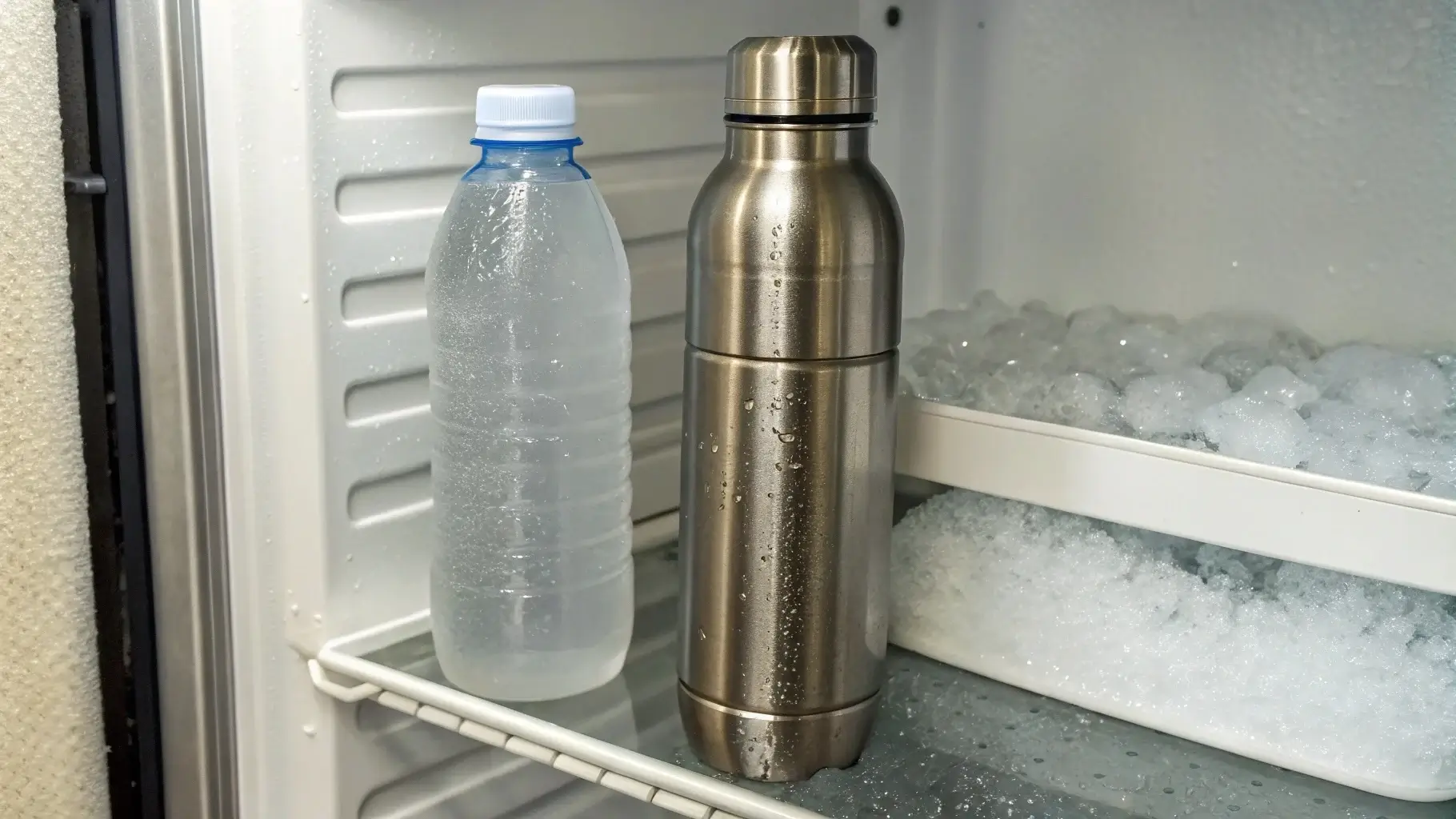
Frost buildup inside a refrigerator signals a possible problem. It forms when moisture freezes on the walls or shelves. This layer of ice can reduce cooling efficiency and space. Recognizing frost buildup early helps avoid bigger repairs and food spoilage.
Signs Of Excessive Frost Buildup
- Thick ice layers on freezer walls or shelves
- Visible frost around door seals
- Ice blocking air vents inside the fridge
- Water pooling inside or under the refrigerator
Why Frost Buildup Happens
Warm air entering the fridge causes moisture to freeze. This can happen if the door seal is damaged. Frequent or long door openings also let in humid air. A faulty defrost system may fail to remove ice properly.
Effects Of Frost Buildup On Your Fridge
- Reduced cooling performance
- Increased energy consumption
- Less storage space due to ice accumulation
- Possible damage to fridge components
How To Check For Frost Buildup
Open the fridge and freezer doors fully. Look closely at the walls and shelves. Check the door seals for ice or frost. Listen for unusual noises from the cooling system. Feel for cold spots or uneven temperatures.

Credit: www.hillcountryrepairs.com
High Energy Bills
High energy bills can be a clear sign that your refrigerator is not working properly. Refrigerators use a lot of electricity, so any issue can cause them to use more power than usual. This can lead to a noticeable increase in your monthly energy costs. Monitoring your energy bills can help detect problems early and save money.
Unexpected Increase In Electricity Costs
A sudden rise in your electricity bill without changes in usage means the refrigerator may be faulty. It might be running constantly or struggling to keep cool. This wastes energy and drives up costs.
Frequent Running Of The Compressor
The compressor is the part that cools your fridge. If it runs too often, it uses more electricity. This can happen if the fridge has a leak or the door seal is damaged.
Old Or Damaged Door Seals
Worn-out door seals let cold air escape. The fridge works harder to keep food cold. This increases electricity use and raises your energy bill.
Blocked Or Dirty Condenser Coils
Condenser coils remove heat from inside the fridge. Dust and dirt block the coils. This makes the fridge less efficient and uses more power.
Improper Temperature Settings
Setting the temperature too low uses extra energy. Check if the fridge is colder than needed. Adjusting the thermostat can lower energy use and bills.
Burning Smell
A burning smell from a refrigerator signals a serious problem. It is not normal and should not be ignored. This odor can mean electrical parts are overheating or wires are damaged. Acting fast can prevent fire or further damage.
Common Causes Of A Burning Smell
- Overheated compressor motor
- Faulty wiring or electrical shorts
- Burned-out fan motor
- Dust or debris near electrical components
- Plastic parts melting due to heat
How To Identify The Source
Unplug the refrigerator immediately. Check the back for burnt wires or scorch marks. Smell near the compressor or fan motor. Listen for unusual sounds like humming or buzzing. These signs help find the problem area.
Steps To Take When You Smell Burning
- Disconnect power to avoid fire hazards
- Ventilate the area to clear the smell
- Inspect visible electrical parts carefully
- Call a professional technician for repair
- Avoid using the fridge until fixed
Preventing Burning Smells In The Future
Keep the refrigerator clean and dust-free. Check cords and plugs regularly. Avoid overloading electrical outlets. Schedule routine maintenance with an expert. These habits reduce risk and keep your fridge safe.

Credit: m.youtube.com
Faulty Ice Maker
The ice maker in your refrigerator should work quietly and produce ice regularly. A faulty ice maker can cause many problems in the kitchen. It may stop making ice or make ice cubes that are too small or misshaped. Detecting issues early helps avoid bigger repairs later.
Signs Your Ice Maker Isn’t Making Ice
- No ice appears in the tray for several hours.
- Ice cubes are very small or misshaped.
- Ice maker makes strange noises during operation.
- Water leaks or pools inside the ice bin.
Common Causes Of Ice Maker Problems
- Water supply line is clogged or frozen.
- Ice maker’s motor or gears are broken.
- Faulty thermostat or temperature sensor.
- Blocked or dirty ice mold or ejector arms.
How To Check Your Ice Maker
Look inside the ice bin for ice shape and size. Listen for unusual sounds when the ice maker cycles. Check the water supply line for kinks or ice blockages. Make sure the freezer temperature is set correctly, usually around 0°F (-18°C).
When To Call A Professional
Ice maker still won’t work after basic checks. Water leaks continue despite cleaning and thawing. Strange noises persist and ice production is zero. Electrical or mechanical parts seem damaged or worn out.
Credit: www.tastingtable.com
Frequently Asked Questions
How Can I Tell If My Refrigerator Is Broken?
Signs of a broken refrigerator include unusual noises, warm interior, water leaks, and frost buildup. If your fridge fails to maintain cold temperatures or food spoils quickly, it likely needs repair or replacement.
Why Is My Refrigerator Not Cooling Properly?
Poor cooling may result from dirty coils, a faulty thermostat, or a broken compressor. Check for blocked vents and ensure the door seals tightly. If issues persist, consult a technician for diagnosis.
What Causes My Refrigerator To Make Loud Noises?
Loud noises often come from a failing fan motor, compressor issues, or loose parts. Unusual sounds like buzzing or clicking indicate mechanical problems requiring prompt attention to avoid further damage.
How Do I Know If The Refrigerator Door Seal Is Damaged?
A damaged door seal causes cold air to escape, leading to higher temperatures inside. Check for cracks, gaps, or sticky areas on the gasket. Replace the seal if you feel air leaks when the door is closed.
Conclusion
A broken refrigerator can cause many problems at home. Strange noises, warm food, or frost build-up are signs to watch. Acting quickly can save your food and money. Simple checks help you decide if repair or replacement is needed. Trust your senses and take small steps to fix issues early.
A well-working fridge keeps your food fresh and your kitchen happy. Don’t wait too long to address the problem. Stay alert and keep your fridge in good shape.