
Are you wondering if your kitchen has an induction cooktop? It’s not always easy to tell, especially if you’re used to gas or traditional electric stoves.
Knowing the difference can change how you cook and even make your kitchen safer and more energy-efficient. You’ll discover simple ways to identify an induction cooktop quickly. Keep reading, and soon you’ll know exactly what kind of stove you have—and why it matters for your cooking experience.
Spotting The Cooktop Type
Identifying whether you have an induction cooktop can save you time and frustration in the kitchen. Different cooktop types look similar at first glance, but certain features set induction models apart. Knowing what to look for helps you understand your appliance better and use it safely and efficiently.
Visual Features Of Induction Cooktops
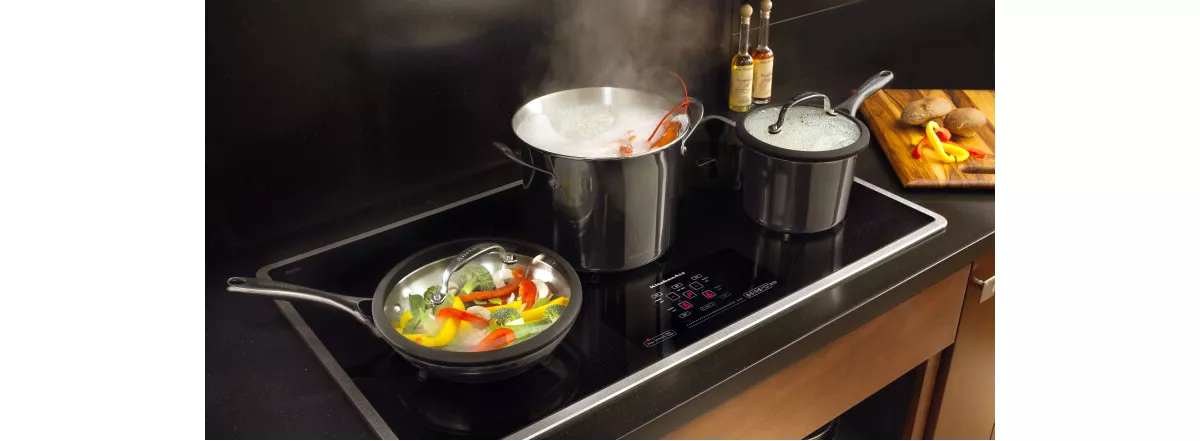
Induction cooktops usually have a smooth, glass-ceramic surface that looks sleek and modern. Unlike traditional electric coil or gas burners, you won’t see any exposed coils or flame sources.
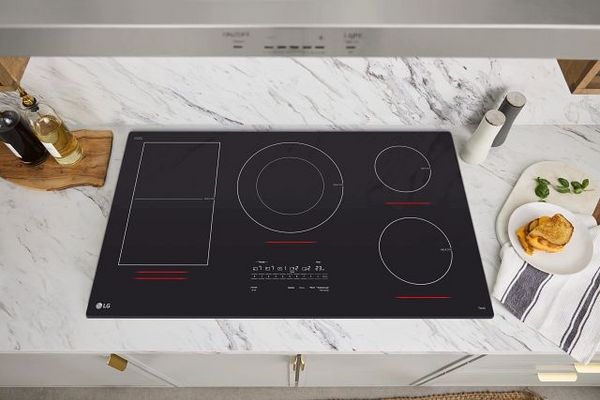
Look for clearly marked cooking zones, often outlined by circles or squares on the surface. These zones don’t heat up visibly; instead, they generate heat directly in the pot or pan.
Many induction cooktops have digital touch controls rather than physical knobs. This can be a quick hint that you’re dealing with an induction model.
Material And Surface Differences
The surface of an induction cooktop feels cool to the touch during cooking, except where the cookware contacts it. This is because the heat comes from the magnetic field, not the cooktop itself.
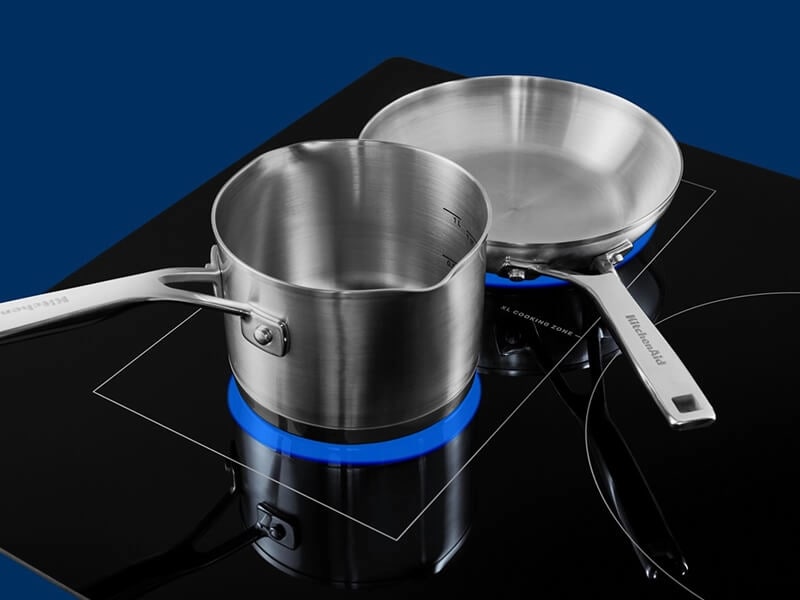
Induction cooktops require specific cookware made from magnetic materials like cast iron or certain stainless steels. If your pots don’t stick to a magnet, your cooktop might not be induction.
Try placing a magnet on the cooking surface—if it sticks to your pan but not to the cooktop surface, it’s a good sign you have an induction cooktop. This simple test can prevent you from using incompatible cookware and wondering why your food isn’t heating.
Credit: www.maytag.ca
Testing Cookware Compatibility
Testing cookware compatibility is essential to know if your pots and pans will work efficiently on an induction cooktop. Not all cookware heats up on induction surfaces because induction uses magnetic fields to generate heat directly in the pan. Identifying which cookware works can save you time, energy, and frustration in the kitchen.
Magnet Test For Induction
One quick way to check if your cookware is compatible with an induction cooktop is the magnet test. Simply take a small magnet and place it on the bottom of your pan.
If the magnet sticks firmly, your cookware will work on an induction cooktop. If it doesn’t stick or falls off easily, the cookware isn’t suitable.
I tried this test on my old frying pan and was surprised to find out it wasn’t induction-compatible, even though I thought it was stainless steel. This saved me from buying the wrong equipment later on.
Cookware Materials That Work
Understanding which materials work well with induction helps you make smarter choices while shopping for cookware.
- Cast Iron:Works perfectly because it’s magnetic and retains heat well.
- Stainless Steel:Only certain types are induction-compatible, depending on their magnetic properties.
- Enamel-Coated Steel:Usually works if the base is magnetic.
- Aluminum, Copper, Glass:These generally don’t work unless they have a magnetic base layer.
Have you checked the bottom of your pans for any induction-ready symbols or markings? These small details can help you avoid guessing and ensure a seamless cooking experience.
Power And Heat Response
Power and heat response are key signs of an induction cooktop. These cooktops use magnetic energy to heat pots quickly and efficiently. Unlike traditional stoves, they heat only the cookware, not the air around it. This makes cooking faster and safer.
How Quickly It Heats
An induction cooktop heats much faster than gas or electric stoves. It can bring water to boil in minutes. The heat starts the moment you turn it on. The temperature changes instantly when you adjust the settings. This quick response saves time and energy.
Control Panel Indicators
Induction cooktops usually have digital control panels. They show clear numbers or symbols for heat levels. Some models include timers and safety locks. The panel reacts immediately to your touch. Look for icons that show heating zones and power levels. These indicators help you cook with precision.
Credit: www.spencerstv.com
Safety Features To Check
Safety features on an induction cooktop include automatic shut-off and child lock functions. These help prevent accidents and ensure safer cooking experiences. Checking for cool-to-touch surfaces also confirms induction technology.
Induction cooktops are renowned for their safety features, making them a popular choice in modern kitchens. If you're trying to determine whether your cooktop is induction, checking for specific safety features can provide clear answers. These features not only confirm the type of cooktop you have but also enhance your cooking experience by ensuring a safer environment. Let's explore two key safety features that can help you identify an induction cooktop.
Auto Shut-off Functions
An induction cooktop often comes with an auto shut-off feature that provides peace of mind. This function automatically turns off the cooktop when no cookware is detected or when the pan is empty for too long. Imagine stepping away to answer a call and forgetting you have a pot on the stove. The auto shut-off feature saves the day by preventing overheating or potential fires. It's a great way to maintain safety without constant supervision. This feature can be particularly useful if you have a busy household or tend to multitask while cooking. Check for this function by placing a pan and then removing it while the cooktop is on; an induction cooktop will promptly switch off.
Cool-to-touch Surface
One of the standout safety features of an induction cooktop is its cool-to-touch surface. Unlike traditional stoves, the cooktop itself doesn’t get hot; only the cookware does. This significantly reduces the risk of burns and makes the kitchen safer, especially if you have curious kids around. A personal story comes to mind: I remember when my niece placed her hand on an induction cooktop, and to my relief, she was perfectly fine. This cool-to-touch surface feature can be a real lifesaver. To test this, after cooking, touch the area around the pot. If it remains cool, you're likely dealing with an induction cooktop. These safety features not only enhance the usability of your cooktop but also ensure a safer cooking environment. Have you checked if your cooktop offers these practical features?
Consulting The Manual Or Manufacturer
Consulting the manual or manufacturer provides clear answers about your cooktop type. The manual contains key details about the appliance. It helps identify if you own an induction cooktop or another type. Manufacturer support also offers reliable information directly from the source.
Finding Model Information
Start by locating the model number on your cooktop. Common places include the back, sides, or inside edge of the appliance. The model number helps confirm the cooktop type. It also guides you to specific details about features and technology.
Use this model number to search within the manual. Manuals list the cooktop type clearly. They explain the heating technology, power settings, and safety features.
Using Online Resources
Manufacturer websites often provide digital copies of manuals. Enter your model number in their search tool. Download or view the manual to check cooktop specifications.
Customer support sections or FAQs can help explain if your model uses induction. Some sites include comparison charts between induction and other cooktops.
Online forums and product review sites may also identify cooktop types by model. These resources offer real user insights. They confirm whether your cooktop uses induction technology.
Credit: www.maytag.com
Frequently Asked Questions
How Can I Identify An Induction Cooktop?
An induction cooktop uses magnetic fields to heat cookware directly. It has a smooth, flat surface often made of glass or ceramic. Unlike gas or electric stoves, it heats only compatible pots, staying cool to touch around the cooking area.
What Cookware Works With Induction Cooktops?
Induction cooktops require magnetic cookware like cast iron or stainless steel. To test, place a magnet on the pot’s bottom. If it sticks, the cookware is induction-compatible. Aluminum, copper, or glass pots won’t work unless they have a magnetic layer.
Does An Induction Cooktop Heat Faster Than Others?
Yes, induction cooktops heat food faster than gas or electric. They transfer energy directly to the cookware, reducing heat loss. This method allows quicker temperature changes and more precise cooking control, saving time and energy.
Are Induction Cooktops Energy Efficient?
Induction cooktops are highly energy efficient. They use electromagnetic energy to heat pots directly, minimizing wasted heat. This efficiency translates into lower electricity bills and faster cooking times compared to traditional electric or gas stoves.
Conclusion
Knowing if you have an induction cooktop is easier than you think. Check the surface—it stays cool to touch during cooking. Look for smooth, glass-like tops with no visible coils. Try using a magnet; it sticks to induction-compatible cookware. These signs help identify induction cooktops quickly.
Understanding this helps you use your kitchen tools better and cook safely. Keep these tips in mind for your next cooking adventure. Simple and clear steps make your kitchen experience smooth and safe.


