Are you tired of squeezing lemons by hand and ending up with sticky fingers and wasted juice? Juicing a lemon with a juicer can be quick, easy, and mess-free—once you know the right steps.
Imagine effortlessly getting every drop of fresh, tangy juice to brighten your meals and drinks. You’ll discover simple tips that make juicing lemons faster and more effective. Stick with me, and you’ll never struggle with lemon juice again.
Credit: bakeitwithlove.com
Choosing The Right Juicer
Choosing the right juicer makes juicing lemons easier and more efficient. The type of juicer affects the juice yield and ease of cleaning. Consider your needs and kitchen space before deciding. This helps you get fresh lemon juice quickly and with less mess.
Manual Vs Electric Juicers
Manual juicers work without power. They are simple, easy to use, and cost less. Great for small amounts of lemon juice. You press or twist the lemon by hand to extract juice. Easy to clean and store.
Electric juicers use a motor to do the work. They save time and effort. Good choice if you juice lemons often or in large amounts. They usually produce more juice with less pulp. Some models offer different speed settings.
Features To Look For
- Size and Design:Compact models fit small kitchens better.
- Ease of Cleaning:Detachable parts are simpler to wash.
- Juice Strainer:Filters out seeds and pulp for smooth juice.
- Durability:Look for sturdy materials like stainless steel or BPA-free plastic.
- Juice Capacity:Larger containers hold more juice without spilling.
Preparing The Lemon
Preparing the lemon properly is essential to get the most juice out of it. If your lemon isn’t ready, you might end up wasting juice or struggling with your juicer. Taking a few simple steps before you start juicing can make a big difference in both the quantity and quality of the juice you extract.
Selecting Fresh Lemons
Look for lemons that feel heavy for their size. Heavy lemons usually have more juice inside. Avoid ones with wrinkled skin or soft spots, as they tend to be dry or overripe.
Bright yellow skin is a good indicator of ripeness, but don’t overlook slightly green lemons; they can be just as juicy. Have you ever picked a lemon that looked perfect but barely gave any juice? That’s why selecting the right lemon matters.
Washing And Rolling The Lemon
Before juicing, rinse your lemon under cool water to remove any dirt or residues. You don’t want those flavors mixing with your fresh juice.
Next, roll the lemon firmly on a countertop using your palm. This breaks down the lemon’s internal membranes and makes it easier to extract juice. You might feel a slight softening — that’s a good sign.
Try this next time: after rolling, cut the lemon and notice how much easier it is to juice compared to an unrolled one. It’s a small trick that pays off every time.
Juicing Process
Juicing a lemon with a juicer is simple and quick. The process ensures you get fresh lemon juice with minimal effort. Each step matters to get the best flavor and maximum juice. Follow these easy instructions to juice your lemon efficiently.
Cutting The Lemon
Start by washing the lemon under cold water. Use a sharp knife to cut the lemon in half. Cut straight through the middle to expose the juicy segments. Avoid cutting into small pieces to keep the juice intact.
Positioning The Lemon On The Juicer
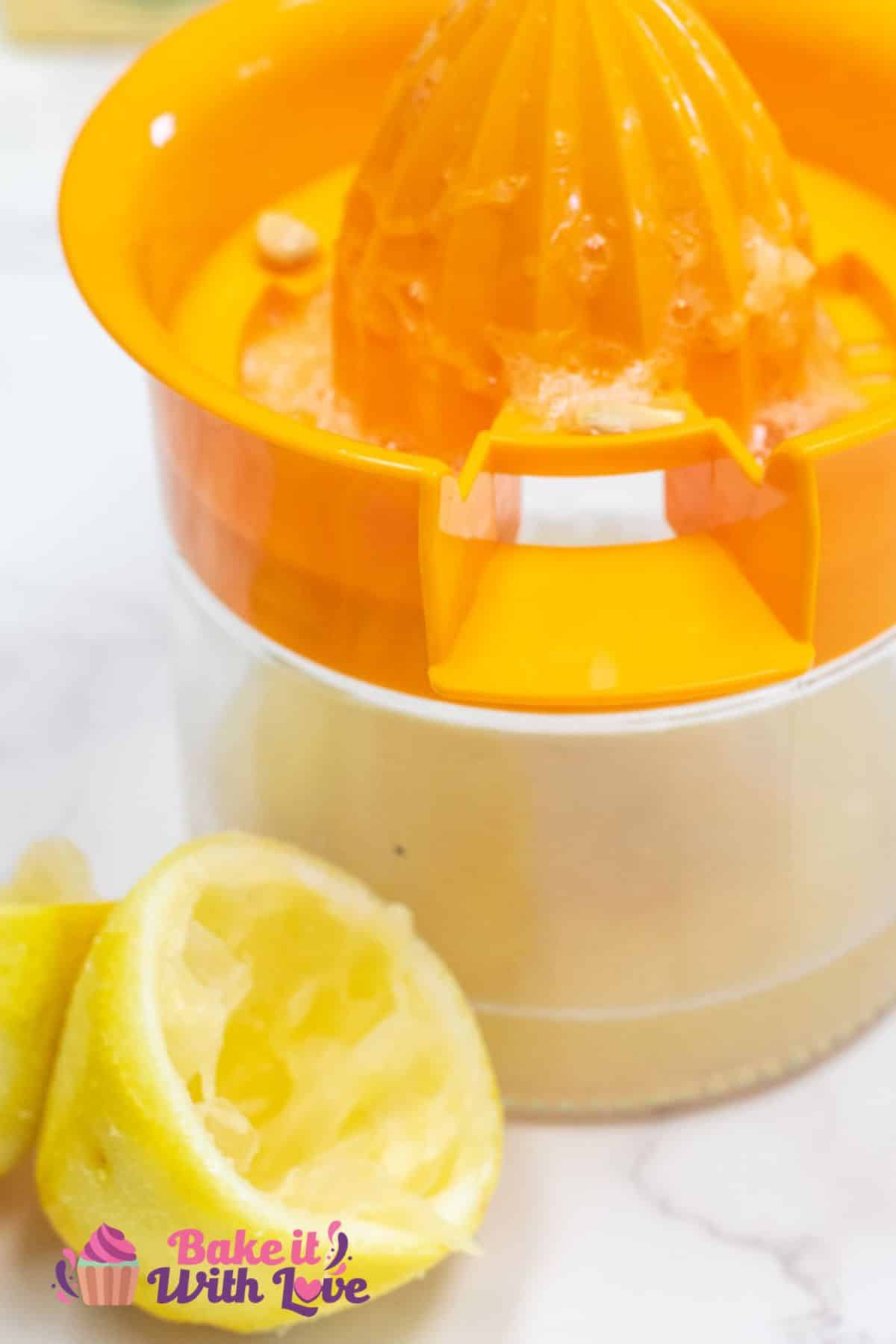
Place one lemon half on the juicer’s reamer or cone. The cut side should face down toward the juicer. Hold the lemon firmly to prevent slipping. Proper placement helps extract more juice with less effort.
Operating The Juicer Effectively
Press the lemon down gently but firmly on the juicer. Turn the lemon in a circular motion if using a manual juicer. For electric juicers, press lightly and let the machine work. Continue until the lemon feels dry and most juice is extracted.

Credit: parade.com
Maximizing Juice Yield
Getting the most juice out of a lemon is key to enjoying fresh citrus flavor. Small tricks help increase the amount of juice you extract. These easy steps ensure less waste and more liquid for your recipes.
Re-cutting The Lemon
Cut the lemon crosswise for better access to the juice sacs. Trim off the ends to expose more fruit inside. This helps the juicer press deeper into the lemon. Fresh cuts prevent the juicer from slipping.
Applying Proper Pressure
Press firmly but not too hard on the lemon half. Firm pressure releases juice without forcing bitter oils from the peel. Hold the lemon steady and rotate it as you press. This balances force and maximizes juice output.
Using Warm Lemons
Warm lemons yield more juice than cold ones. Leave lemons at room temperature before juicing. Roll the lemon on the counter using your palm to soften it. Warmth breaks down juice sacs, making extraction easier.
Collecting And Storing Juice
Once you've mastered juicing a lemon with a juicer, the next steps involve collecting and storing that vibrant, tangy liquid. This not only ensures you have fresh lemon juice ready for your culinary adventures but also prolongs its shelf life. Let's delve into the process of filtering out seeds and pulp, and storing your juice safely.
Filtering Seeds And Pulp
After juicing, you might find some seeds and pulp in your juice. While some love the extra texture, others prefer a smooth consistency. To achieve this, use a fine-mesh strainer or a cheesecloth to filter your juice. Simply pour the juice through the strainer into a clean bowl, letting gravity work its magic.
Wondering what to do with the leftover pulp? It can be used creatively in recipes or as a natural cleaner. By filtering, you ensure your juice is pure and ready for any recipe or refreshing drink.
Storing Juice Safely
Once your juice is filtered, storing it correctly is crucial to maintain its freshness. Use a clean, airtight container, such as a glass jar or a BPA-free plastic bottle. This prevents the juice from absorbing any unwanted odors from your fridge.
Label the container with the date to keep track of its freshness. Fresh lemon juice typically lasts about 3 to 4 days when refrigerated. For longer storage, consider freezing the juice in ice cube trays, allowing you to thaw small amounts as needed.
How do you ensure your lemon juice remains as fresh as the day it was juiced? Share your tips and tricks in the comments below!
Cleaning The Juicer
Cleaning your juicer after squeezing lemons is essential to keep it working well and to prevent any leftover pulp or juice from spoiling. A clean juicer not only lasts longer but also ensures every squeeze tastes fresh and pure. Let’s look at how you can make the cleaning process quick and effective.
Disassembling Parts
Start by unplugging your juicer to stay safe. Then, carefully take apart all removable pieces like the reamer, juice collector, and pulp container. Check your juicer’s manual if you’re unsure which parts come off—some models have hidden clips or locks.
Disassembling these parts right away makes cleaning much easier. Don’t leave pulp and juice to dry on the components; it can get sticky and harder to remove. Have you noticed how waiting to clean makes the job twice as tough?
Cleaning Tips And Tricks
Rinse each part immediately after use with warm water. Use a soft brush or sponge to scrub away any pulp stuck in crevices, especially around the reamer. Avoid harsh scrubbers that can scratch the surface.
- Use a mixture of water and mild dish soap for washing.
- For stubborn residue, soak the parts in warm soapy water for 10-15 minutes.
- Run a cloth or brush through the juice spout to clear any blockages.
- Dry all parts thoroughly before reassembling to prevent mold or rust.
Here’s a trick: if you notice a lemony smell lingering, wipe parts with a little vinegar solution to neutralize odors. How often do you think your juicer needs this extra step? Experiment and find out what works best for your routine.

Credit: parade.com
Frequently Asked Questions
How Do You Prepare A Lemon For Juicing?
First, rinse the lemon thoroughly. Then, roll it on a hard surface to loosen juice. Cut the lemon in half before placing it in the juicer.
Can You Juice Lemons With Any Type Of Juicer?
Most juicers work well for lemons, especially citrus juicers. Manual, electric, and masticating juicers all extract lemon juice efficiently.
How Much Juice Does One Lemon Usually Produce?
A medium lemon typically yields about 2 to 3 tablespoons of juice. This amount varies slightly depending on lemon size and ripeness.
Should Lemon Seeds Be Removed Before Juicing?
Yes, removing seeds prevents bitterness and avoids damaging the juicer. Most citrus juicers have built-in strainers to catch seeds.
Conclusion
Juicing a lemon with a juicer is simple and quick. Cut the lemon in half, place it on the juicer, and press down firmly. The juice flows easily, ready for your recipes or drinks. Fresh lemon juice adds bright flavor and vitamin C to any dish.
Clean your juicer right after use to keep it working well. Enjoy the fresh taste of lemon juice anytime you want. Try it today and taste the difference fresh juice makes!