Grilling asparagus on your gas grill is easier than you might think—and it’s a game-changer for your meals. Imagine biting into tender, smoky spears that burst with flavor and add a fresh, healthy touch to your plate.
Whether you’re a grilling pro or just starting out, mastering this simple technique will make your veggies the star of any cookout. Ready to learn how to get perfect grilled asparagus every time? Keep reading, and you’ll discover tips and tricks that turn ordinary asparagus into a delicious, crave-worthy side dish.
Choosing The Right Asparagus
Choosing the right asparagus is important for grilling success. The taste, texture, and cooking time all depend on the quality of the stalks you pick. Fresh, crisp asparagus makes grilling easier and delivers better flavor. Proper preparation ensures even cooking and a pleasing bite.
Freshness And Size
Pick asparagus with firm, straight stalks. Avoid those that look wilted or shriveled. The tips should be tightly closed and bright green or purple. Fresh asparagus snaps easily when bent.
Choose medium-thick stalks for grilling. Thin stalks cook too fast and can burn. Thick stalks take longer and may become tough. Medium-sized asparagus balances tenderness and grill time well.
Preparing The Stalks
Wash asparagus under cold water to remove dirt. Pat dry with a clean towel. Bend each stalk gently near the base. It will snap naturally where the tough part ends. Discard the woody ends or save for stock.
For even grilling, try cutting thicker stalks in half lengthwise. This helps heat reach the center. Lightly brush the asparagus with olive oil. Add salt and pepper for simple seasoning. Ready for the grill!
Prepping The Gas Grill
Getting your gas grill ready is a key step before you start cooking asparagus. Proper preparation ensures even cooking and prevents sticking, which can ruin your perfectly trimmed spears. Taking a few minutes to prep your grill can make a big difference in flavor and texture.
Cleaning And Oiling The Grates
Start by cleaning your grill grates thoroughly. Use a stiff wire brush to scrape off any leftover residue from previous grilling sessions. A clean surface helps prevent the asparagus from sticking and burning.
After cleaning, apply a light coat of oil to the grates. Use a paper towel dipped in vegetable or olive oil, then wipe it across the bars using tongs to avoid burns. This simple step creates a non-stick surface, making your asparagus easier to turn and less likely to tear.
Setting The Temperature
Set your gas grill to medium-high heat, around 400°F (204°C). This temperature allows the asparagus to cook quickly while developing a nice char without drying out. Avoid extremely high heat, which can burn the outside before the inside cooks through.
Preheat your grill for about 10-15 minutes with the lid closed. This ensures the grates are hot and ready, giving your asparagus that sought-after grill mark and smoky flavor. Have you noticed how a properly heated grill changes the whole grilling experience?
Seasoning The Asparagus
Seasoning asparagus before grilling is where you set the stage for bold, fresh flavors. The right seasoning can highlight the natural earthiness of the vegetable while adding layers of taste that make your grilled asparagus unforgettable. You don’t need a complicated mix—sometimes simple touches bring out the best results.
Basic Seasonings
Start with the essentials: olive oil, salt, and pepper. Toss the asparagus spears in enough olive oil to coat them lightly—this helps prevent sticking and encourages even cooking. Sprinkle with salt to enhance the natural flavors and a dash of black pepper for a subtle kick.
Don’t underestimate the power of freshly cracked pepper; it adds a bit of texture and sharpness that pre-ground pepper can’t match. Have you ever noticed how a pinch of salt can transform a vegetable’s taste? It’s a simple trick that works wonders on grilled asparagus.
Flavor Enhancements
Once you master the basics, experiment with adding garlic powder, lemon zest, or smoked paprika for a twist. Garlic powder introduces a warm, savory note without overpowering the asparagus. Lemon zest brightens the dish with citrusy freshness, making every bite pop.
Smoked paprika adds a subtle smoky flavor that complements the grill’s char perfectly. If you enjoy heat, sprinkle a little crushed red pepper flakes or cayenne for a spicy edge. What new flavor combination will you try next to make your grilled asparagus uniquely yours?
Credit: www.food.com
Grilling Techniques
Grill asparagus by brushing it lightly with oil and seasoning with salt. Place it on a hot gas grill, turning often until tender and slightly charred. Cooking takes about 5-7 minutes for crisp, smoky flavor.
Grilling Techniques Mastering the art of grilling asparagus on a gas grill elevates this simple vegetable to a gourmet delight. Grilling techniques can make a world of difference in the taste and texture of your asparagus. Whether you're a beginner or a seasoned griller, understanding these techniques will enhance your culinary skills.
Direct Vs Indirect Heat
Choosing between direct and indirect heat is crucial. Direct heat cooks the asparagus quickly, giving it a nice char and crispiness. Place the asparagus directly over the flames for a quick sear. Indirect heat is ideal if you prefer a more tender texture. Move the asparagus to a cooler part of the grill, allowing it to cook evenly without burning. This method is excellent if you're grilling thicker stalks.
Using A Grill Basket Or Foil
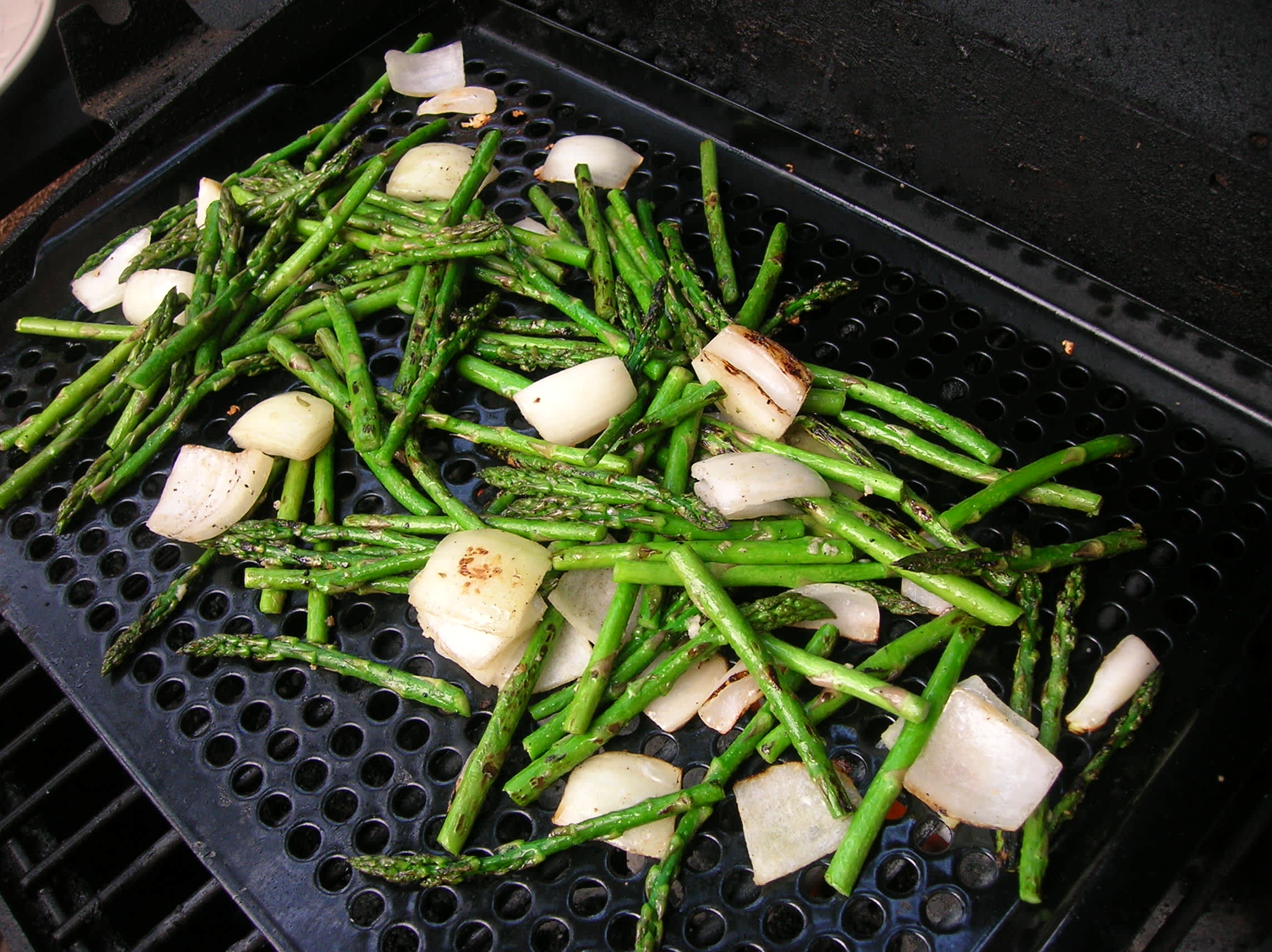
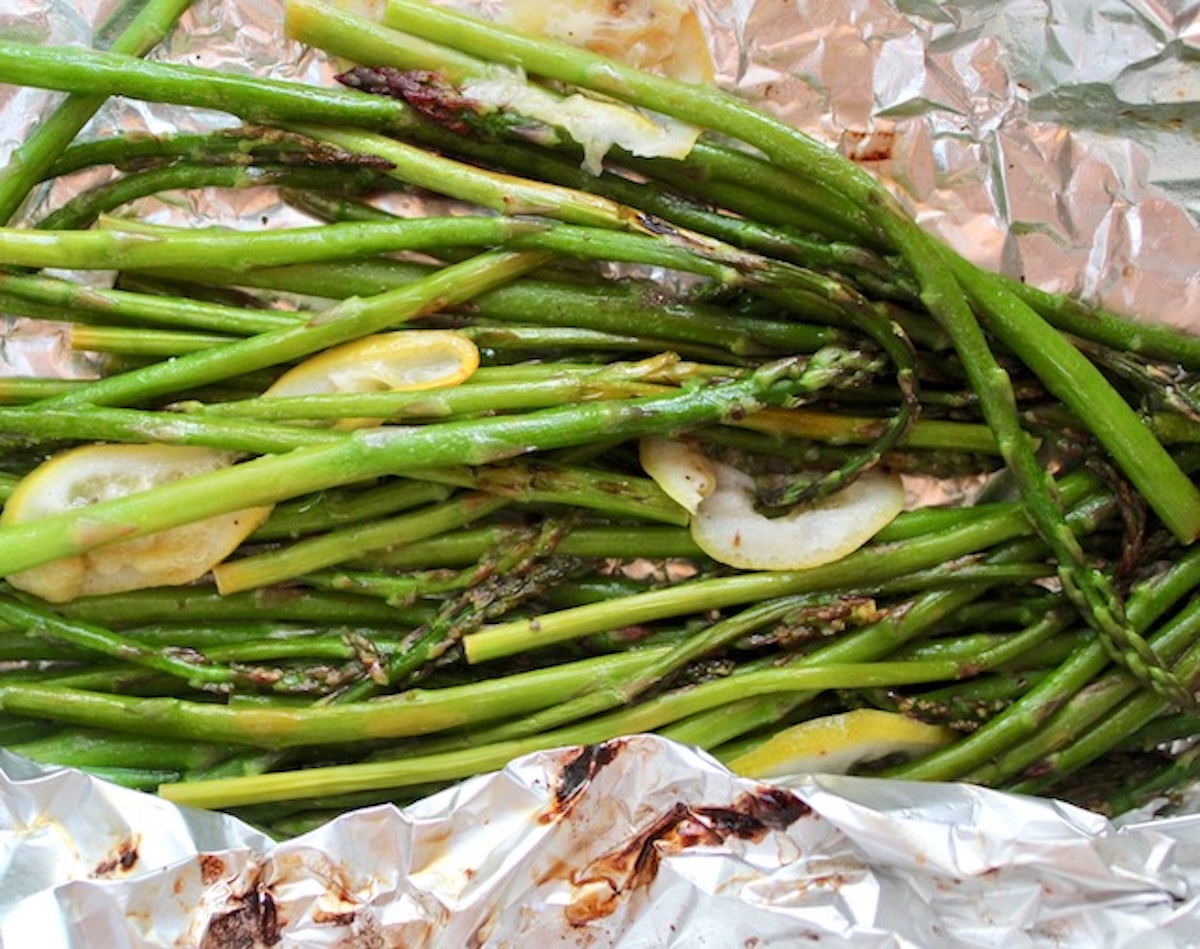
A grill basket is a handy tool. It prevents asparagus from falling through the grates and allows you to toss them effortlessly. Just place your seasoned asparagus in the basket and shake occasionally for even cooking. Alternatively, use foil to create a makeshift tray. Lay the asparagus on a sheet of foil, drizzle with olive oil, and season to taste. Fold the foil into a packet, leaving some space for steam, and place it on the grill. This method locks in moisture, resulting in juicy, flavorful asparagus. Grilling asparagus can be a quick side dish or a show-stopping part of your meal. How do you prefer your asparagus—crispy or tender?
Cooking Time And Tips
Grilling asparagus on a gas grill is quick and straightforward, but timing is crucial to get that perfect tender-crisp texture. You want your spears to have a slight char without becoming mushy or burnt. Let’s break down how long to grill and how to tell when they’re done just right.
Ideal Grilling Duration
Typically, asparagus takes about 6 to 10 minutes on a medium-high gas grill. Thinner spears cook faster, closer to 6 minutes, while thicker ones may need up to 10 minutes. Turn them occasionally for even grilling and to prevent burning.
Try arranging the spears perpendicular to the grill grates so they don’t slip through. If you notice the tips turning black too quickly, move the asparagus to a cooler part of the grill. Have you ever left them too long only to end up with dry, stringy stalks? Timing really makes all the difference.
Checking For Doneness
Knowing when asparagus is done goes beyond just looking at the color. Test doneness by gently piercing the thickest part with a fork or knife; it should slide in easily but still meet slight resistance. If it feels mushy, it’s overcooked.
Another sign is the vibrant green color with some char marks. If your asparagus looks dull or overly shriveled, it’s probably past its prime. You can also taste a spear to check if it’s tender but still crisp enough to enjoy. What’s your go-to method for judging if grilled veggies are perfectly cooked?
Credit: cookingontheweekends.com
Serving Suggestions
Serving grilled asparagus opens up many tasty possibilities. How you present it can turn a simple side into a memorable dish. Let's look at easy ways to garnish and great ideas for pairing to make the most of your grilled asparagus.
Simple Garnishes
Adding a few fresh garnishes can brighten the flavor and make your asparagus look irresistible. Try sprinkling some freshly grated Parmesan cheese right after grilling. The warmth melts the cheese slightly, giving a nutty, creamy touch.
Another quick option is a squeeze of lemon juice. It adds a fresh zing that balances the smoky char from the grill. You can also toss the asparagus with toasted pine nuts or chopped fresh herbs like parsley or basil for extra texture and color.
Think about what you enjoy on salads or roasted veggies and try those toppings on your asparagus. A drizzle of good olive oil or a pinch of crushed red pepper flakes can also elevate the dish without much effort.
Pairing Ideas
Grilled asparagus pairs wonderfully with many main dishes, especially during warmer months. It complements grilled meats like steak, chicken, or pork beautifully. The crisp, slightly bitter flavor contrasts well with rich, hearty proteins.
If you prefer seafood, try serving asparagus alongside grilled salmon or shrimp. The freshness of the asparagus balances the natural sweetness of seafood, making every bite satisfying.
For a vegetarian meal, pair asparagus with a quinoa salad or a creamy risotto. These combinations add substance and variety to your plate while keeping the focus on fresh, vibrant flavors.
How do you like to serve your grilled veggies? Experiment with different garnishes and pairings to find your favorite way to enjoy asparagus off the grill.
Troubleshooting Common Issues
Grilling asparagus on a gas grill can be simple, but a few common issues often trip up even experienced grillers. Knowing how to troubleshoot these problems saves you from dry, burnt, or stuck asparagus. Let’s look at practical ways to keep your asparagus perfectly grilled every time.
Preventing Overcooking
Asparagus cooks quickly, so timing is critical. Overcooked asparagus loses its crunch and vibrant color, turning mushy and dull.
Keep your grill at medium-high heat and watch closely. Thinner stalks may need just 3-4 minutes, while thicker ones can take 5-6 minutes.
Try grilling in batches to avoid crowding the grill. Crowded asparagus steams rather than grills, which can cause uneven cooking and over-softening.
Ask yourself: Are you checking the texture early enough? A quick poke with a fork should meet slight resistance, not feel soft like butter.
Avoiding Sticking
Nothing ruins grilled asparagus faster than it sticking to the grates and breaking apart.
Brush the asparagus lightly with oil before placing it on the grill. Use an oil with a high smoke point like canola or avocado oil.
Make sure your grill is preheated well. A hot grate creates a natural sear that helps release the asparagus easily.
Don’t move the asparagus too soon. Give it a couple of minutes to form grill marks before flipping gently with tongs.
Have you noticed your asparagus tears when you flip? That’s often a sign the grill wasn’t hot enough or the asparagus wasn’t oiled properly.

Credit: www.everylastbite.com
Frequently Asked Questions
How Long Should Asparagus Be Grilled On A Gas Grill?
Grill asparagus for 6 to 8 minutes on medium-high heat. Turn occasionally for even cooking and light grill marks. Avoid overcooking to keep asparagus tender and crisp.
Should Asparagus Be Seasoned Before Grilling?
Yes, season asparagus with olive oil, salt, and pepper before grilling. This enhances flavor and prevents sticking. You can add lemon juice or garlic for extra taste.
What Temperature Is Best For Grilling Asparagus?
Preheat your gas grill to medium-high, around 400°F (204°C). This temperature cooks asparagus quickly while giving a nice char. Avoid very high heat to prevent burning.
Can You Grill Asparagus Without Oil On A Gas Grill?
Grilling without oil is possible but not recommended. Oil prevents sticking and adds flavor. Use a light coat of olive oil for best results.
Conclusion
Grilling asparagus on a gas grill is simple and quick. Just prepare the spears, season them well, and place them on the hot grill. Turn them often to get even cooking and nice grill marks. In a few minutes, you will have tender, flavorful asparagus.
This method keeps the veggie fresh and tasty. Enjoy it as a side dish or add it to salads and meals. Try grilling asparagus soon and enjoy its smoky, delicious taste.