Have you ever accidentally poured regular dish soap into your dishwasher? If you have, you know the mess it creates—bubbles overflowing, water not draining, and your kitchen floor turning into a slippery disaster.
It’s frustrating, and you want it fixed fast. Luckily, getting dish soap out of your dishwasher is easier than you think. You’ll learn simple, effective steps to clean up the suds and get your dishwasher working perfectly again. Keep reading, and you’ll be back to sparkling dishes in no time.
Common Causes Of Soap Suds In Dishwashers
Soap suds in dishwashers can be more than just a nuisance; they can cause leaks and damage your appliance. Understanding why these suds appear helps you prevent them effectively. Let’s look at the common causes behind soap suds in dishwashers so you can keep your machine running smoothly.
Using Dish Soap Instead Of Dishwasher Detergent
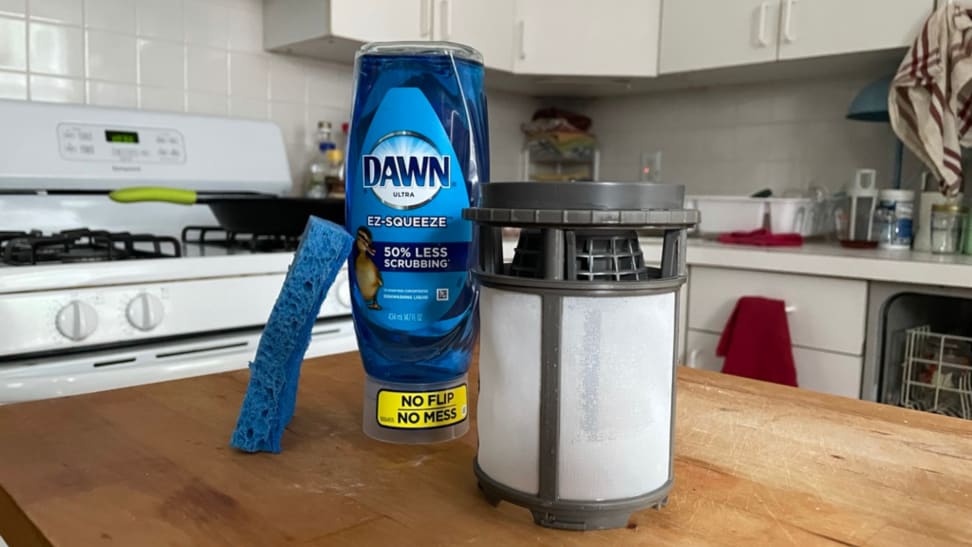
One of the biggest mistakes is using regular dish soap instead of dishwasher detergent. Dish soap is designed to create lots of suds, which is great for hand washing but disastrous in a dishwasher. If you’ve ever seen your dishwasher flood with bubbles, this is often the culprit.
Dishwasher detergents are specially formulated to minimize suds while still cleaning effectively. Have you checked the label on your detergent recently? Using the right product makes a huge difference.
Excessive Soap Quantity
Even the correct dishwasher detergent can cause suds if you add too much. It might seem like more soap means cleaner dishes, but excess detergent just creates extra foam. This foam can overflow and affect the dishwasher’s performance.
Consider measuring your detergent carefully. If your dishwasher is older or has hard water, you might need less soap than the package suggests. What’s your current soap measurement routine?
Residual Soap From Previous Wash
Sometimes, leftover soap from a previous cycle can mix with new detergent and create suds. This often happens if you stop the dishwasher mid-cycle or if the rinse cycle didn’t run properly. Residual soap can build up over time if not cleaned out.
Try running a rinse cycle with no detergent to clear out any soap residue. Regularly cleaning your dishwasher’s filter and spray arms also helps prevent buildup. When was the last time you gave your dishwasher a good cleaning?
Credit: www.reviewed.com
Immediate Steps To Clear Soap Suds
Soap suds overflowing in your dishwasher can quickly turn from a minor annoyance into a messy kitchen disaster. Acting fast is key to preventing damage and avoiding a time-consuming cleanup. Here’s how you can tackle those suds immediately and get your dishwasher back to normal.
Stop The Dishwasher Cycle
The first thing you need to do is halt the dishwasher immediately. Press the cancel or stop button to pause the cycle and prevent more soap from spreading inside. If your model doesn’t have a stop button, simply turn off the power at the circuit breaker to be safe.
Stopping the cycle prevents suds from overflowing onto your floor and stops the dishwasher from filling with more water, which would make the mess worse. Have you ever let it run, hoping the problem would fix itself? It usually only makes cleanup harder.
Remove Dishes And Rinse
Next, open the dishwasher door carefully to avoid suds spilling out. Remove all dishes and rinse off any soap residue under warm water. This step prevents soap from sticking to your dishes and stops suds from building up again during the next wash.
If you leave dishes inside without rinsing, the soap can coat them, leaving a strange taste or film. Imagine serving your family a meal with soap residue—definitely not something you want.
Wipe Down The Interior
Use a clean cloth or sponge to wipe down the interior walls and door of your dishwasher. Focus on removing suds and excess water to avoid lingering soap buildup. Pay special attention to corners and the bottom where suds often hide.
Drying the interior also helps prevent slippery surfaces that could cause dishes to shift during the next cycle. Have you checked those hidden nooks before? Suds can linger there, causing issues later.
Effective Methods To Remove Soap Suds
Soap suds in your dishwasher can be more than just a mess—they can cause poor cleaning and even damage your appliance. Tackling those stubborn bubbles quickly keeps your dishwasher running smoothly and your dishes spotless. Let’s look at some effective ways to clear out those suds without hassle.
Use White Vinegar Rinse
White vinegar works wonders to break down soap suds naturally. Pour about two cups of white vinegar into the bottom of the dishwasher. Then, run a hot water cycle without any detergent to rinse away the suds and residue.
This method not only clears suds but also helps remove any leftover grease or grime. Have you noticed how vinegar can freshen up your kitchen in unexpected ways?
Add Salt To Neutralize Suds
Adding salt to your dishwasher can help neutralize the soap’s foaming action. Sprinkle about half a cup of table salt evenly across the bottom of the dishwasher. Salt disrupts the formation of bubbles, making it easier to wash away the excess soap.
Many people overlook this simple trick, yet it’s effective and safe for most dishwashers. Would you have guessed salt plays such a useful role beyond the kitchen table?
Run Hot Water Cycles
Running multiple hot water cycles is one of the easiest ways to remove soap suds. The heat helps break down the suds faster while the water flushes them away. Start by running an empty dishwasher on the hottest setting available.
If suds persist, try repeating the cycle or combining this with vinegar for stronger results. What’s your go-to approach when dealing with a suds overload?
Preventing Soap Suds Build-up
Preventing soap suds build-up in your dishwasher is essential. It ensures smooth operation and clean dishes. Excessive suds can lead to overflow and machine damage. Follow these simple tips to keep your dishwasher in top condition.
Choose The Right Detergent
Select a detergent designed for dishwashers. Avoid regular dish soap, which creates too many suds. Look for products with labels like "low-sudsing" or "for automatic dishwashers." These options help maintain your machine's efficiency.
Measure Detergent Accurately
Use the correct amount of detergent for each load. Too much detergent increases suds and might leave residue. Check the detergent package for recommended amounts. Consider water hardness in your area; adjust detergent use accordingly.
Regular Dishwasher Maintenance
Keep your dishwasher clean and well-maintained. Remove any debris from the filter and spray arms. Run a maintenance cycle with a dishwasher cleaner monthly. This practice prevents build-up and ensures optimal performance.
When To Call A Professional
Sometimes, no matter how carefully you try to fix the soap mess in your dishwasher, the problem just won’t go away. Knowing when to call a professional can save you time, money, and frustration. Let’s look at some clear signs that your dishwasher needs expert help.
Persistent Soap Residue
If you keep finding soap suds or residue on your dishes after every wash, it’s a strong sign that the problem is deeper than just too much soap.
This could mean that the dishwasher’s internal components, like the spray arms or filters, are clogged or damaged. A professional can inspect and clean these parts thoroughly, ensuring your dishwasher runs smoothly again.
Drainage Issues
Notice water pooling at the bottom of the dishwasher or slow draining? This often points to a blockage or a faulty drain pump.
Trying to clear these issues yourself might lead to more damage if you’re not careful. A technician has the right tools to diagnose and fix drainage problems safely and efficiently.
Dishwasher Malfunctions
Sometimes, your dishwasher might stop mid-cycle, fail to start, or make unusual noises after a soap spill.
These malfunctions could be due to electrical or mechanical failures caused by excess soap or water damage. Calling a professional ensures that these issues are identified correctly and repaired before they worsen.

Credit: www.youtube.com

Credit: puracy.com
Frequently Asked Questions
How To Remove Dish Soap From A Dishwasher?
To remove dish soap, stop the dishwasher immediately. Scoop out excess suds with a towel. Run rinse cycles with hot water to clear soap residue.
What Happens If Dish Soap Is Used In A Dishwasher?
Dish soap creates excessive suds that leak and cause poor cleaning. It can damage the dishwasher's pump and seals.
Can Vinegar Help Remove Dish Soap From Dishwasher?
Yes, vinegar breaks down soap suds effectively. Pour a cup of vinegar in the bottom and run a hot rinse cycle.
How Long Does It Take To Clear Soap From Dishwasher?
Typically, 2 to 3 rinse cycles with hot water are enough to clear soap suds.
Conclusion
Getting dish soap out of your dishwasher is easier than you think. Act quickly to stop suds from overflowing. Remove any soap you see inside the machine. Run a rinse cycle with no detergent to clear leftover bubbles. Repeat rinsing if you still notice suds.
Keep your dishwasher clean to avoid future soap spills. Regular checks help your dishwasher work well. Simple steps can save your dishes and your time. Stay calm and follow these tips for a smooth fix.