If you love crispy, juicy fried chicken but want to cut down on cooking time, you’re in the right place. Frying chicken in a pressure cooker might sound unusual, but it’s a game-changer.
You get that golden, crunchy outside and tender meat inside faster than traditional frying methods. Imagine saving time without sacrificing flavor or texture. Ready to discover how you can make perfect fried chicken right in your pressure cooker? Keep reading, because this method could change the way you cook chicken forever.
Choosing The Right Chicken Cuts
Choosing the right chicken cuts is key to frying chicken in a pressure cooker. Different cuts cook differently and affect the flavor and texture. Some cuts hold moisture better, while others crisp up nicely. Picking the right pieces helps create juicy, tender fried chicken every time.
Consider the size and thickness of the cuts. Smaller cuts cook faster and evenly. Bone-in pieces add flavor but take longer to cook. Skin-on chicken crisps up well, adding a delicious crunch. Skinless cuts cook quickly but may dry out.
Best Cuts For Pressure Cooker Frying
- Chicken thighs: juicy, flavorful, and stay tender
- Drumsticks: cook evenly with crispy skin
- Wings: small size, perfect for quick frying
- Breast pieces: lean but need careful cooking
Bone-in Vs. Boneless Chicken
Bone-in chicken adds rich flavor during cooking. The bones help keep meat moist. Boneless chicken cooks faster but can dry out. For pressure cooker frying, bone-in cuts often give better texture and taste.
Skin-on Or Skinless Chicken
Skin-on chicken crisps well in a pressure cooker. The skin adds a nice texture and flavor. Skinless chicken cooks faster but may lack crispiness. Choose skin-on for that classic fried chicken crunch.
Selecting The Best Pressure Cooker
Choosing the right pressure cooker can make a huge difference when frying chicken. Not all pressure cookers handle frying equally well, so you need to consider specific features that affect safety, heat distribution, and ease of use. Your cooking experience will be smoother, and the chicken will turn out crispy and tender if you pick the best tool for the job.
Selecting The Ideal Size
The size of the pressure cooker matters a lot. If you want to fry several pieces of chicken at once, a 6-quart or larger cooker usually works best. Smaller cookers may crowd the chicken, which leads to uneven cooking and soggy results.
Think about your typical batch size. Do you often cook for a family or just yourself? Choosing the right capacity saves you time and ensures the chicken cooks evenly.
Material And Build Quality
Pressure cookers come in stainless steel or aluminum. Stainless steel models are more durable and resist rust, but aluminum heats up faster. For frying, quick and even heat distribution is critical to avoid hot spots that burn your chicken.
Personal experience: I once used a cheaper aluminum cooker, and the chicken stuck to the bottom. Switching to a high-quality stainless steel cooker solved that problem completely.
Safety Features To Look For
Frying under pressure requires extra caution. Look for cookers with secure locking lids and pressure release valves that work smoothly. Some models have safety mechanisms that prevent opening while the cooker is pressurized, which is essential.
Ask yourself: Would you feel confident leaving the cooker unattended, or would you prefer more safety controls? Your answer will guide you to the right model.
Compatibility With Heat Sources
Not all pressure cookers work on every stove type. If you have an induction cooktop, make sure the cooker is compatible. Using a non-compatible cooker can cause uneven heat and damage your equipment.
Check the manufacturer’s instructions for stovetop compatibility. This simple step can save you from frustration and wasted ingredients.
Extra Features For Convenience
Some pressure cookers come with extras like non-stick coatings, dishwasher-safe parts, or built-in timers. These features aren't necessary but can simplify your cooking process.
Imagine how much easier it is to clean a non-stick cooker after frying sticky batter-coated chicken. Small conveniences add up to better cooking enjoyment.
Preparing The Chicken
Preparing the chicken properly sets the foundation for perfectly fried chicken in your pressure cooker. The way you marinate and coat the chicken directly impacts the flavor and texture. Taking a little extra time here means juicy meat and a crispy outside that makes every bite satisfying.
Marinating Tips
Marinating adds flavor and tenderizes the chicken, making a noticeable difference in taste. Use ingredients like buttermilk or yogurt to soften the meat while adding a mild tanginess. You can also add spices such as paprika, garlic powder, or cayenne pepper to give your chicken a flavor boost.
Don’t rush the marinating process. Ideally, let your chicken soak for at least 2 hours, or even overnight if you can. Have you ever noticed how a quick marinade barely changes the flavor? That’s why patience here pays off.
Try to keep the chicken pieces evenly coated and submerged in the marinade. Using a zip-top bag makes this easy and helps the flavors penetrate every nook and cranny. Also, remember to refrigerate the chicken while marinating to keep it fresh and safe.
Coating Techniques
The coating creates the crispy crust that makes fried chicken irresistible. Start with a dry mix of flour combined with spices like salt, pepper, and your favorite herbs. This gives the chicken a flavorful shell.
Dip the marinated chicken into the flour mixture, pressing lightly so the coating sticks well. For a thicker crust, double-dip by dunking the chicken back into the marinade and then into the flour again. This extra step helps create that satisfying crunch.
Consider adding cornstarch or baking powder to your flour mix to enhance crispiness. Have you tried this little trick before? It works wonders in making the coating light and crunchy rather than heavy and greasy.
Place the coated pieces on a wire rack for a few minutes before frying. This prevents sogginess by letting excess flour fall off and the coating set a bit. It’s a simple step that improves the final texture more than you might expect.
Setting Up The Pressure Cooker
Place the pressure cooker on the stove and add oil for frying. Heat the oil until it reaches the right temperature before adding the chicken. Use the sauté or fry setting if your cooker has one.
Setting up the pressure cooker for frying chicken is essential for success. It's not just about turning it on. It's about preparing each element with care. Let's dive into the details to ensure delicious results.
Oil Selection And Quantity
Choosing the right oil is crucial. Opt for oils with high smoke points. Peanut and canola oils are great choices. These oils withstand high temperatures well. Measure the oil carefully. Use enough to cover the chicken partially. Usually, 1-2 cups of oil is sufficient. Avoid overfilling to prevent spills and ensure safety.
Temperature Settings
Temperature plays a vital role in frying chicken. Set the pressure cooker to a medium-high setting. This ensures the oil heats up evenly. Use a thermometer to check the oil temperature. Aim for 350°F (175°C) for optimal frying. Maintain this temperature for consistent cooking. Adjust the heat if needed to keep it steady.
Frying Process Step-by-step
Frying chicken in a pressure cooker might sound unusual, but it’s a game-changer for crispiness and speed. The process combines the searing power of frying with the efficiency of pressure cooking. Let’s walk through the steps so you can get perfect fried chicken every time.
Preheating The Cooker
Start by heating the pressure cooker on medium heat without the lid. Add a good amount of oil—enough to cover the chicken pieces halfway. Wait until the oil reaches about 350°F (175°C); you can test this by dropping a small piece of bread or a bit of batter into the oil. If it sizzles and browns quickly, you’re ready.
Preheating ensures the chicken gets that crispy outer layer right away. Skipping this step often leads to soggy or greasy results. Have you ever noticed how oil that isn’t hot enough soaks into the food? Avoid that here.
Cooking Time And Pressure
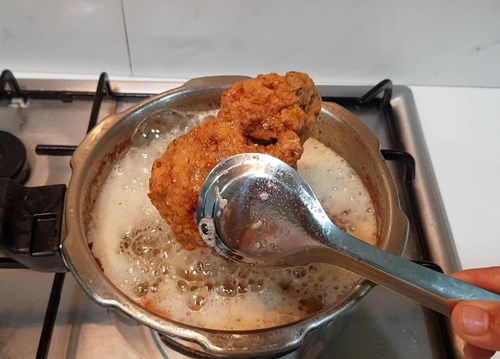
Once the oil is hot, add your chicken pieces carefully to avoid splashes. Brown the chicken on each side for 2-3 minutes until golden. Then, add a splash of water or broth—just enough to create steam, not to submerge the chicken.
Seal the pressure cooker lid and set it to cook at high pressure. The cooking time usually ranges from 8 to 10 minutes, depending on the size and thickness of your chicken pieces. This steam pressure cooks the chicken inside quickly while keeping the exterior crispy.
Checking Doneness
After the cooking time, carefully release the pressure according to your cooker’s instructions. Open the lid and check the chicken’s color and texture. The juices should run clear when pierced with a fork, and the internal temperature must reach at least 165°F (74°C).
If you notice the chicken isn’t fully cooked, simply close the lid and cook under pressure for a couple more minutes. The beauty of pressure cooking is how it speeds up the process but still gives you control over the final result. How do you usually check if your fried chicken is done?
Credit: www.yummytummyaarthi.com
Achieving Crispy Texture
Getting that perfect crispy texture on fried chicken cooked in a pressure cooker can feel tricky. Pressure cookers are known for locking in moisture, which can sometimes leave the chicken less crunchy than you'd like. But with the right techniques, you can enjoy juicy chicken with a satisfyingly crispy exterior right from your pressure cooker.
Using The Sauté Function
The sauté function is your secret weapon for crispiness. Before pressure cooking, heat oil using the sauté mode and brown your chicken pieces on all sides. This initial sear creates a flavorful crust that sets the stage for crispiness after cooking.
After pressure cooking, use the sauté function again to dry out excess moisture. Cook the chicken uncovered for a few minutes, turning occasionally to avoid burning. This step helps firm up the coating, giving you that crunch you want without needing to deep fry separately.
Finishing Touches
Once your chicken is cooked and slightly crisped with the sauté function, consider a quick broil or air fry for extra crunch. If your pressure cooker lid isn’t designed for broiling, transfer the chicken to a baking sheet and place it under a hot broiler for 2-3 minutes.
Sprinkle a little extra seasoning or a touch of oil before broiling to enhance the texture and flavor. This final step transforms tender chicken into a crispy delight, and it only takes minutes.
Have you tried these techniques? What’s your go-to trick for crispy chicken in a pressure cooker?
Safety Tips For Pressure Frying
Pressure frying chicken can yield crispy, juicy results faster than traditional methods. However, it involves high heat and pressurized oil, which means safety must be your top priority. Ignoring safety tips can lead to dangerous accidents, so it’s essential to handle your pressure cooker with care.
Use The Right Equipment
Not all pressure cookers are suitable for frying. Ensure your cooker is designed for pressure frying or deep frying with pressure. Using the wrong pot increases the risk of oil splatters or explosions.
If your cooker came with a specific frying basket or rack, always use it. It helps keep the chicken submerged evenly and prevents hot oil from splashing when you open the lid.
Maintain Proper Oil Levels
Overfilling the cooker with oil is a common mistake. Too much oil can cause dangerous spills or block the pressure release valve. Check your cooker’s manual for the maximum oil limit.
Keep an eye on the oil level during frying. Adding cold chicken can cause the oil to bubble up, so start with less oil if you’re unsure.
Monitor Temperature Closely
Oil that is too hot can ignite; oil that is too cool leads to greasy chicken. Use a reliable thermometer to keep the temperature steady between 325°F and 350°F (163°C and 177°C). Pressure frying requires you to balance heat and pressure carefully.
Have you ever noticed how quickly oil temperature can change when adding food? Prepare to adjust heat immediately to keep everything safe.
Release Pressure Safely
Opening the pressure cooker too soon can cause hot oil to spray out violently. Always wait until the pressure indicator shows it’s safe to open. Use oven mitts and open the lid away from your body to avoid burns.
Try to release pressure naturally when possible. Quick releases can cause oil to bubble up unexpectedly, increasing the risk of splashes.
Keep A Fire Extinguisher Nearby
Oil fires spread rapidly and water makes them worse. Keep a Class K fire extinguisher or baking soda within reach. Never use water on an oil fire.
Have you practiced using your extinguisher? Knowing how to react in an emergency can save your kitchen and your safety.
Clean And Inspect Your Cooker Regularly
Grease buildup can clog valves and seals, making your cooker unsafe over time. After each use, clean all parts thoroughly and check the sealing ring for cracks or wear.
Ignoring small maintenance tasks might seem harmless, but they can lead to dangerous pressure leaks or malfunction during frying.

Credit: www.youtube.com
Troubleshooting Common Issues
Frying chicken in a pressure cooker can be a game-changer, but it’s not without its challenges. You might face issues like soggy crusts, uneven cooking, or safety concerns. Understanding these common problems can help you fix them quickly and enjoy perfectly crispy chicken every time.
Chicken Turns Out Soggy Instead Of Crispy
If your chicken isn’t getting crispy, it’s often because there isn’t enough oil or the cooking method isn’t right for crisping. Pressure cookers trap steam, which can make the breading soggy instead of crunchy.
Try using the pressure cooker only to cook the chicken through, then finish it off with a quick pan-fry or broil to crisp the skin. Also, pat the chicken dry before coating it with flour or breadcrumbs to reduce moisture buildup.
Chicken Is Undercooked Or Overcooked
Timing is critical in pressure cooking. If the chicken is undercooked, it might be because you didn’t cook it long enough under pressure or the pieces are too thick. Overcooking happens when you leave the chicken in the cooker too long, making it dry and tough.
Use a meat thermometer to check the internal temperature—it should reach 165°F (74°C). Cut chicken into uniform pieces for even cooking and adjust the pressure time accordingly.
Oil Splattering And Safety Concerns
Pressure frying involves hot oil under pressure, which can be risky if not done carefully. Oil splatters can cause burns or damage your cooker.
- Never fill the cooker more than half full with oil.
- Use a deep-frying thermometer to monitor oil temperature.
- Slowly lower the chicken into the oil to prevent splashes.
- Ensure the pressure release valve is clean and functioning.
Have you checked your pressure cooker’s manual for specific safety tips? Sometimes small details can prevent accidents.
Uneven Cooking Or Texture Issues
Uneven cooking can happen if the chicken pieces aren’t arranged properly or if you overcrowd the cooker. Overcrowding lowers the oil temperature and prevents even frying.
Arrange pieces in a single layer and fry in batches if needed. Stir gently or shake the basket (if your cooker has one) halfway through cooking to promote even browning.
Serving Suggestions
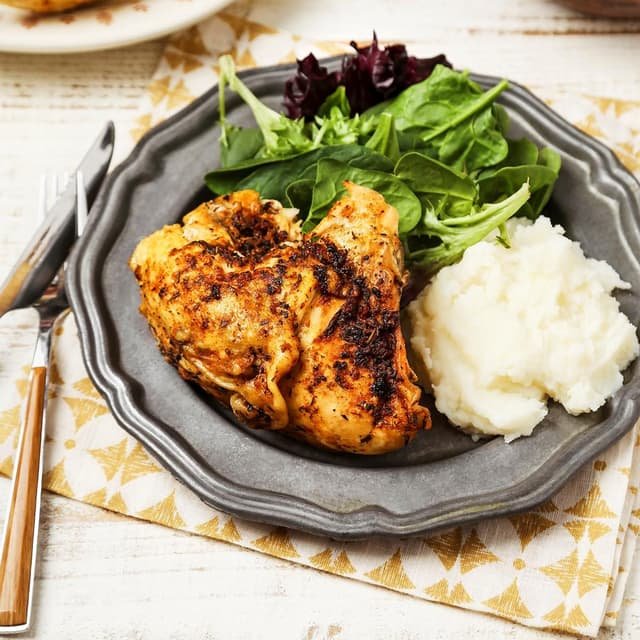
Serve pressure cooker fried chicken hot with fresh sides like coleslaw or mashed potatoes. A squeeze of lemon adds a bright, tasty touch. Crisp greens or steamed vegetables also pair well for a balanced meal.
Serving fried chicken from a pressure cooker is a delight, but pairing it with the right accompaniments takes the experience to another level. The crispy, juicy chicken deserves sides and sauces that enhance its flavors without overshadowing them. Here are some serving suggestions to make your meal unforgettable.
Side Dishes
A great fried chicken meal isn't complete without delicious side dishes. Classic options like creamy mashed potatoes or buttery corn on the cob offer comforting flavors and textures. For a lighter option, consider a crisp garden salad with a tangy vinaigrette to balance the richness of the chicken. If you're feeling adventurous, try serving your chicken with roasted sweet potatoes or a zesty coleslaw. These add a different dimension and keep your taste buds excited. The key is to mix and match until you find the perfect combination for your palate.
Sauces And Dips
The right sauce can elevate your pressure-cooked fried chicken to new heights. Classic choices like honey mustard or barbecue sauce provide a sweet and smoky contrast to the savory chicken. If you enjoy a bit of heat, a spicy Sriracha mayo or buffalo sauce could be the perfect accompaniment. For those who prefer something a bit more international, try a creamy tzatziki or a tangy chimichurri. These sauces not only add flavor but also bring a refreshing twist to your meal. Don't shy away from experimenting with different dips to discover your favorite pairing.

Credit: www.youtube.com
Frequently Asked Questions
How Do You Fry Chicken In A Pressure Cooker Safely?
To fry chicken in a pressure cooker safely, use the sauté function or a pressure cooker with a frying pan lid. Heat oil to the right temperature, avoid overfilling, and monitor closely to prevent oil splatter and overheating.
Can You Achieve Crispy Chicken In A Pressure Cooker?
Yes, you can get crispy chicken by using the sauté mode first. Brown the chicken pieces in hot oil before pressure cooking to lock in crispiness.
What Oil Is Best For Frying Chicken In A Pressure Cooker?
Use oils with high smoke points like vegetable, peanut, or canola oil. These oils handle high frying temperatures without burning or affecting flavor.
How Long Should Chicken Be Fried In A Pressure Cooker?
Fry chicken pieces for 5-7 minutes on sauté mode until golden brown. Then pressure cook for 8-10 minutes to ensure thorough cooking.
Conclusion
Frying chicken in a pressure cooker saves time and keeps it juicy. You get crispy, tasty chicken without much oil. Just follow the steps carefully for best results. This method suits busy days and simple meals. Try it once, and you might like it a lot.
Cooking can be quick, easy, and delicious. Enjoy your homemade fried chicken anytime you want.