Are you trying to find out how much space your refrigerator really has? Understanding the cubic feet of a refrigerator can help you decide if it fits your kitchen needs perfectly.
But figuring it out might seem tricky at first. Don’t worry—this guide will walk you through simple steps to measure your fridge’s capacity with ease. By the end, you’ll know exactly how to calculate cubic feet and make smarter choices when buying or organizing your refrigerator.
Keep reading—you’re just moments away from mastering this useful skill!
Credit: recpro.com
Measuring Refrigerator Dimensions
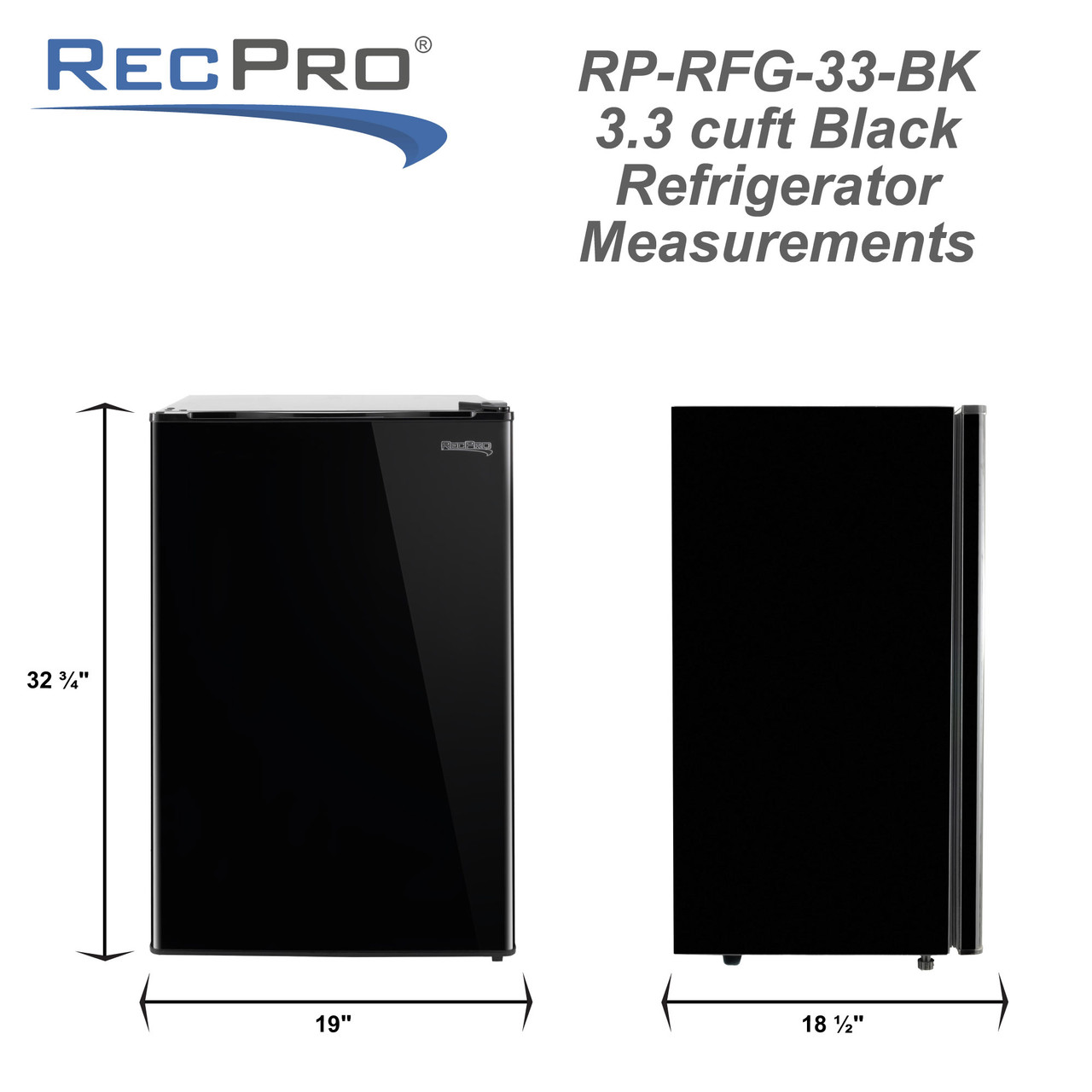
Measuring refrigerator dimensions is key to finding its cubic feet capacity. This measure helps understand the storage space inside. Accurate measurements ensure the fridge fits your kitchen and meets your needs.
Use a tape measure and write down each dimension carefully. Measure the outside edges of the refrigerator. Include any handles or protrusions for real depth and width.
Measure Height
Stand the tape measure from the floor to the top of the refrigerator. Measure the tallest point, including any raised edges or vents. Record this number in inches for accuracy.
Measure Width
Measure across the front of the refrigerator from one side to the other. Include any handles or side features that add to the width. Keep the tape straight and level for a true reading.
Measure Depth
Measure from the front of the fridge to the back wall. Include the door and handle thickness in this measurement. This ensures the full depth is captured for space planning.
Calculating Volume In Cubic Inches
Calculating the volume of a refrigerator in cubic inches is a straightforward way to understand its size. This step helps you get the exact space inside the fridge before converting it to cubic feet. Knowing the volume in cubic inches makes the final conversion easier and accurate.
Multiply Dimensions
Start by measuring the refrigerator’s interior length, width, and height in inches. Use a tape measure for precise readings. Multiply these three numbers together. This calculation gives you the total volume in cubic inches.
- Length (inches) × Width (inches) × Height (inches) = Volume (cubic inches)
For example, if the fridge is 30 inches long, 20 inches wide, and 60 inches tall, multiply these three numbers. The result is the cubic inches of storage inside.
Convert Inches To Feet
Once you have the volume in cubic inches, convert it to cubic feet. There are 1,728 cubic inches in one cubic foot. Divide your total cubic inches by 1,728 to get cubic feet.
- Volume (cubic inches) ÷ 1,728 = Volume (cubic feet)
This conversion shows the refrigerator’s size in the standard unit. It helps compare different models easily and understand their capacity better.
Using Manufacturer Specifications
Using manufacturer specifications is the easiest way to find the cubic feet of a refrigerator. These details come straight from the company that made the fridge. They measure the space inside and provide the volume in cubic feet. This information saves you time and effort.
Most manufacturers list the cubic feet on the product label or in the user manual. You can also find it on the company’s website or product packaging. This number tells you how much space is available for storing food and drinks.
Locate Volume Info
Look for the volume information on the refrigerator’s nameplate or label. This label is often inside the fridge or on the door frame. It may show the total capacity in cubic feet or liters. Some brands list separate values for the fridge and freezer sections.
Check the user manual if the label is hard to find. Manuals usually have a specifications section. Search online for your fridge’s model number plus "specifications." This method often leads to the official product page with volume details.
Compare With Calculations
Confirm the manufacturer’s number by measuring the fridge yourself. Measure the height, width, and depth inside the fridge. Multiply these three numbers to get cubic inches. Then divide by 1,728 to convert to cubic feet.
This calculation helps check the accuracy of the listed volume. Differences may appear due to shelves or compartments. The manufacturer’s number usually accounts for usable space, not just raw dimensions.
Comparing both values gives a clear idea about the fridge size. Use this info to pick the right refrigerator for your needs.
Estimating Usable Storage Space
Estimating the usable storage space inside a refrigerator helps you understand how much you can actually store. The total cubic feet number often includes areas that are hard to use. To get a clear idea of usable space, consider the layout and design inside.
Account For Shelves And Drawers
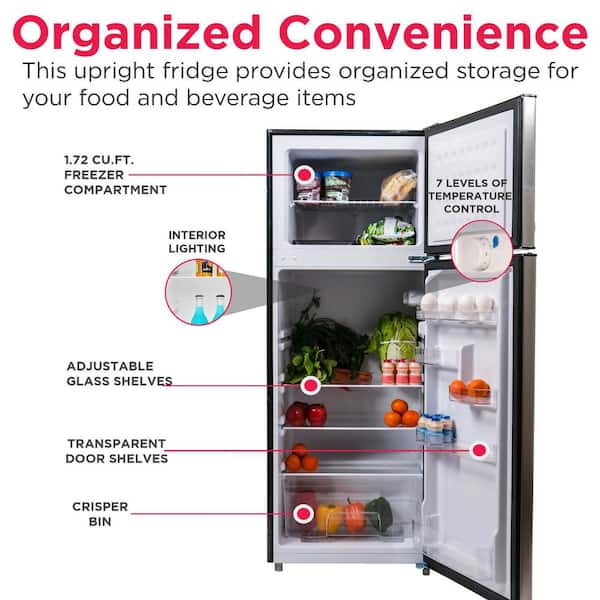
Shelves and drawers take up space and affect storage capacity. Some shelves are fixed, while others move or fold. Drawers often have limited height and width, reducing space for large items. Measure the shelf height and drawer size for better estimates. Think about how you plan to arrange your food items inside.
Consider Shape And Design
The shape of the refrigerator interior impacts usable space. Curved or uneven walls reduce storage area. Door compartments also vary in size and number. Some refrigerators have extra compartments or special zones that affect space. Note these design features when estimating your effective storage space.
Common Mistakes To Avoid
Mistakes often happen when measuring only the fridge’s outside or forgetting to convert units correctly. Ignoring the depth or using inches instead of feet can give wrong results. Always measure the interior space carefully and double-check your math.
Calculating the cubic feet of a refrigerator might seem straightforward, yet many people stumble upon a few common mistakes that can lead to inaccurate results. Whether you're comparing models or just curious about your current appliance, understanding these pitfalls will save you time and frustration. Awareness is the first step towards precision.
Ignoring Interior Space
One of the most frequent mistakes is overlooking the actual usable space inside the refrigerator. It's tempting to assume the entire exterior dimensions reflect the interior capacity. However, shelves, bins, and other features can significantly reduce the available storage area. Pay close attention to how the space is divided. Measure areas where you actually store items rather than relying solely on the manufacturer's specifications. This approach ensures you're working with accurate numbers.
Mixing Units Incorrectly
Another common error is mixing up units of measurement. It's easy to confuse inches with feet or centimeters when calculating volume. This mistake can lead to wildly inaccurate results. Double-check your measurements. Ensure consistency by converting all dimensions to the same unit before multiplying. Using tools or apps that handle these conversions can be a game-changer. Consider the frustration of ending up with a refrigerator that doesn't fit your needs because of a simple unit mix-up. Avoid this by staying vigilant and organized. Remember, precision is key when dealing with numbers and measurements.
Credit: www.homedepot.com
Tools And Tips For Accurate Measurement
Measuring the cubic feet of a refrigerator requires simple tools and careful steps. Accurate measurement helps you choose the right size fridge for your space. It also ensures you know the exact storage capacity. Using the right tools and tips can make the process quick and easy.
Using Measuring Tape
A measuring tape is the best tool for this task. Measure the height, width, and depth of the refrigerator's interior. Use the inside walls for precise dimensions. Keep the tape straight and tight to avoid errors. Note each measurement in feet or inches. Convert inches to feet by dividing by 12 for accuracy.
Double Checking Measurements
Double check each measurement before calculating cubic feet. Measure twice to avoid mistakes. Compare the results to spot any differences. Small errors can change the total volume. Re-measure if numbers don’t match closely. Confirming measurements ensures the final cubic feet is correct.

Credit: www.samsung.com
Frequently Asked Questions
How Do You Calculate Refrigerator Cubic Feet?
Measure the fridge’s height, width, and depth in feet. Multiply these numbers: height × width × depth. The result is the cubic feet volume.
Why Is Cubic Feet Important For Refrigerators?
Cubic feet indicate the storage space inside a refrigerator. It helps buyers choose a fridge that fits their needs and kitchen space.
Can You Estimate Cubic Feet Without Measuring?
You can check the refrigerator’s model number or manual. Manufacturers usually list cubic feet in product specifications or online descriptions.
Does Cubic Feet Affect Refrigerator Energy Use?
Yes, larger cubic feet typically mean higher energy consumption. Bigger fridges need more power to keep the space cool.
Conclusion
Figuring out the cubic feet of a refrigerator is simple. Measure the height, width, and depth in feet. Multiply these three numbers to get the volume. This number shows the space inside your fridge. Knowing this helps you choose the right size for your needs.
Always measure carefully to avoid mistakes. Now, you can shop with confidence and find a fridge that fits perfectly. Simple steps lead to smart choices.