Are you wondering how to dispose of your refrigerator water filter the right way? It’s a simple step that many people overlook, but it’s important for your health and the environment.
If you toss it in the trash without thinking, you might be missing out on easy ways to recycle or safely get rid of it. You’ll discover clear, practical tips to handle your used water filter. Keep reading to learn how to protect your home and the planet with just a few smart moves.
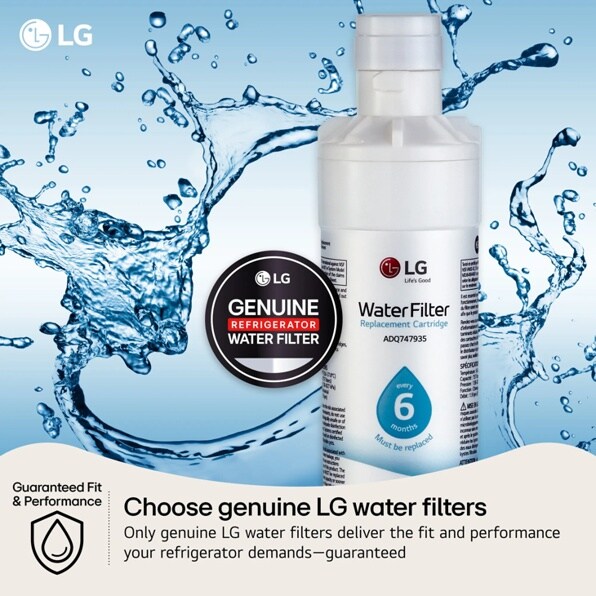
Credit: www.lg.com
Why Proper Disposal Matters
Proper disposal of your refrigerator water filter is more important than you might think. These filters contain materials that can harm the environment if thrown away carelessly. Taking a moment to dispose of them correctly protects natural resources and keeps your community safe.
Environmental Impact Of Improper Disposal
Throwing a used water filter in the trash often means it ends up in a landfill. Inside, plastic and metal parts can take hundreds of years to break down. Harmful chemicals trapped in the filter can leak into the soil and water, damaging ecosystems and wildlife.
Imagine the small plastic pieces from a filter polluting a nearby stream. This pollution affects not only animals but also the quality of water you might rely on. Your simple choice to dispose of the filter properly helps prevent this chain of damage.
Health Risks Associated With Old Filters
Used water filters can harbor bacteria and mold. If left in the wrong place, these contaminants can spread and pose health risks to people and pets. Handling and disposing of filters carefully reduces the chance of exposure to harmful germs.
Have you ever noticed a strange smell from an old filter? That’s a sign bacteria have built up. Proper disposal means you don’t risk bringing those bacteria into your home or neighborhood.
Recycling Opportunities And Benefits
Many refrigerator water filters can be recycled. Companies and local recycling centers often accept used filters to recover valuable materials like plastic and metal. Recycling reduces waste and conserves the resources needed to make new filters.
When you recycle your filter, you contribute to a cycle that lowers pollution and saves energy. Have you checked if your area offers filter recycling? It’s a simple step that makes a big difference.
Types Of Refrigerator Water Filters
Refrigerator water filters come in different types. Each type uses a unique way to clean water. Understanding these types helps you manage and dispose of them properly. Choosing the right filter affects water taste and safety.
Carbon Filters
Carbon filters are the most common type. They use activated carbon to remove chlorine, odors, and bad taste. They also reduce some chemicals and impurities. These filters need regular replacement to work well.
Reverse Osmosis Filters
Reverse osmosis filters use a special membrane. This membrane blocks many tiny particles and contaminants. It removes heavy metals, salts, and other impurities. These filters often last longer but need more maintenance.
Other Common Types
Some filters combine different methods. For example, ceramic filters trap bacteria and sediment. Ion exchange filters soften water by removing minerals. Each type needs specific care and disposal methods.
Step-by-step Disposal Process
Disposing of a refrigerator water filter may seem simple, but doing it the right way matters for your safety and the environment. The process involves a few clear actions that help you handle the filter carefully and ensure it goes to the proper disposal site. Let’s break down the steps so you can manage this task confidently.
Remove The Filter Safely
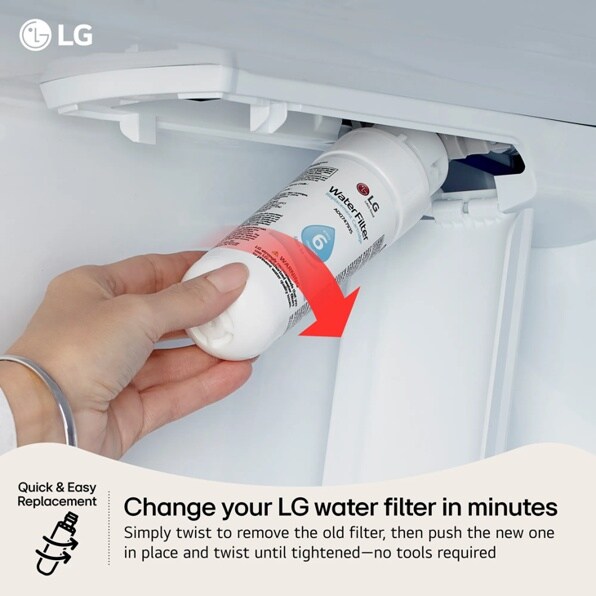
Before you remove the filter, turn off your refrigerator’s water supply to avoid leaks. Gently twist or pull the filter out according to your fridge’s manual. Handle it carefully to prevent water spills and avoid touching any dirty surfaces on the filter.
Have you noticed how some filters can be tricky to remove? Taking a moment to consult your fridge’s guide saves frustration and keeps you safe from sharp edges or broken parts.
Check Local Disposal Guidelines
Disposal rules vary depending on where you live. Some areas accept refrigerator water filters with regular recycling, while others require special handling because of the materials inside. Check your city or town’s website for specific instructions on disposing of water filters.
Don’t assume all filters are landfill-safe. A quick call or online search can save you from accidentally harming the environment.
Prepare The Filter For Disposal
Once you know where to dispose of it, prepare the filter by removing excess water to prevent messes. Place it in a sealed plastic bag if required by your local rules. Label the bag if necessary, especially if the filter contains activated carbon or other materials that require special handling.
Taking these small steps makes the disposal cleaner and easier for waste handlers. It’s a simple action that shows respect for your community and the environment.
Recycling Options For Water Filters
Recycling your refrigerator water filter is a smart way to reduce waste and protect the environment. These filters contain materials that can be reused, but they require proper disposal methods to avoid pollution. Knowing your recycling options helps you make a positive impact with minimal effort.
Manufacturer Take-back Programs
Many brands offer take-back programs for their used water filters. You can check your filter's packaging or the manufacturer's website for details on how to send it back. These programs ensure that filters are recycled responsibly and sometimes even offer discounts on your next purchase.
I once sent my old filter back through a take-back program and was surprised by how simple it was. A prepaid shipping label was included, making the process hassle-free. Wouldn't it be great if more companies made recycling this easy?
Local Recycling Centers
Some local recycling centers accept water filters, but policies vary widely. Call ahead or visit their websites to confirm if they handle these specific items. Bringing your filter to a local center helps reduce landfill waste and supports your community's recycling efforts.
If you’re unsure where to look, try your city’s waste management resources or ask at your hardware store. They often know about nearby facilities that accept specialized recyclables. Could your local center be the hidden solution for your water filter disposal?
Mail-in Recycling Services
Mail-in services offer a convenient way to recycle water filters without leaving home. You simply package your used filter and send it to a recycling company that specializes in these materials. Many of these services provide prepaid labels and clear instructions to make the process easy.
Using a mail-in service once saved me a trip and ensured my filter was properly recycled. It’s a great option if you don’t have local recycling programs nearby. Have you considered mail-in recycling to keep your filters out of the trash?
Eco-friendly Alternatives
Disposing of a refrigerator water filter can impact the environment. Choosing eco-friendly alternatives helps reduce waste. Several options exist to lessen the environmental footprint. These choices promote sustainability and conserve resources. Here are some ways to handle used water filters responsibly.
Reusable Water Filters
Reusable water filters offer an eco-friendly solution. They have replaceable parts. Instead of discarding the entire filter, only change the cartridge. This reduces waste significantly. Many brands now offer these options. Check compatibility with your refrigerator model. The investment saves money over time. It also supports a greener planet.
Filters With Biodegradable Components
Some filters contain biodegradable materials. These break down naturally after disposal. They do not harm the environment. Look for filters labeled as biodegradable. They often use plant-based materials. This choice benefits the ecosystem. It also aligns with sustainable living practices. Always verify claims through reliable sources. Choosing such filters supports eco-conscious decisions.
Credit: www.lg.com
Tips To Reduce Waste From Filters
Reducing waste from refrigerator water filters is not just about throwing less away—it's about making smart choices that stretch the life of each filter and minimize environmental impact. You can take simple steps that save money and reduce the number of discarded filters ending up in landfills. Let's look at how regular care and smart shopping can make a big difference.
Regular Maintenance For Longevity
Keeping your water filter in good shape helps it last longer, which means fewer replacements and less waste. Flushing the filter before use removes trapped particles and keeps it efficient.
Check your filter regularly for any signs of damage or clogging. If you notice a drop in water flow, it might be time to clean or replace it—ignoring this can shorten its overall life.
Have you ever waited too long to change your filter and ended up with poor water taste? Staying on top of maintenance avoids this and keeps your filter working well, saving you from unnecessary waste.
Choosing Sustainable Brands
Not all water filters are created equal. Some brands focus on sustainability by using recyclable materials or offering take-back programs for used filters.
Look for brands that provide clear recycling options or filters made from biodegradable components. This choice ensures your old filter won't just sit in a landfill for years.
Have you considered switching to a brand that supports environmental programs? Your purchase decisions can push companies to adopt greener practices and reduce overall waste.

Credit: www.dtappliance.com
Frequently Asked Questions
How Do I Safely Dispose Of A Refrigerator Water Filter?
To safely dispose of a refrigerator water filter, check local recycling programs. Many filters contain recyclable plastics and metals. If recycling is unavailable, dispose of it in regular trash following local guidelines.
Can Refrigerator Water Filters Be Recycled?
Yes, some refrigerator water filters can be recycled. Look for programs by manufacturers or local recycling centers. Proper recycling helps reduce waste and environmental impact.
What Should I Do Before Disposing Of The Filter?
Before disposing, remove the filter from the fridge and drain any remaining water. Seal it in a plastic bag to prevent leaks. Then, follow your local disposal or recycling rules.
Are There Environmental Concerns With Discarding Filters?
Yes, discarded filters may contain plastic and contaminants. Improper disposal can harm the environment. Recycling or following disposal guidelines minimizes pollution and waste.
Conclusion
Proper disposal of your refrigerator water filter protects the environment. Always check local recycling rules before throwing it away. Many filters have recyclable parts that should not go to landfills. Removing the filter carefully helps avoid leaks and mess. Consider taking used filters to designated recycling centers.
This small step saves resources and keeps water clean. Caring for your home starts with simple actions like this. Keep your family safe by disposing of filters correctly every time. Clean habits lead to a healthier planet for everyone.