Are you ready to make your spare ribs the star of your next cookout? Cooking spare ribs on a gas grill might seem tricky, but with the right steps, you can achieve tender, juicy ribs that everyone will love.
Imagine biting into ribs that are perfectly smoky, flavorful, and fall right off the bone. In this guide, you’ll discover easy tips and tricks to master your gas grill and turn ordinary ribs into a mouthwatering feast. Keep reading—you’re about to unlock the secret to grilling ribs like a pro.
Choosing The Right Spare Ribs
Choosing the right spare ribs sets the stage for a delicious meal on your gas grill. The type and quality of ribs affect taste, texture, and cooking time. Picking fresh, tender ribs helps achieve juicy, flavorful results. Understanding the differences between rib types guides a better choice for grilling success.
Types Of Spare Ribs
Spare ribs come in several varieties. Each has unique qualities that impact your grilling experience.
- Baby Back Ribs:Shorter and curved, with less fat. They cook faster and are tender.
- St. Louis Style Ribs:Spare ribs trimmed into a rectangular shape. They have more meat and fat.
- Country-Style Ribs:Cut from the shoulder, not the rib cage. Meatier but less traditional.
Selecting Fresh Ribs
Fresh ribs ensure better flavor and texture. Check these key points before buying:
- Look for bright red or pink color, not brown or gray.
- Ribs should feel firm and moist, not slimy or dry.
- Fat should be white, not yellow, indicating freshness.
- Avoid ribs with a strong or sour smell.
Choose ribs with even thickness for uniform cooking. This helps avoid overcooked or undercooked spots.

Credit: www.thepioneerwoman.com
Preparing Spare Ribs For Grilling
Preparing spare ribs for grilling sets the stage for tender, flavorful meat. Proper preparation enhances taste and helps the ribs cook evenly. This process involves two key steps: removing the membrane and applying dry rubs or marinades. Each step improves texture and infuses rich flavors into the meat.
Removing The Membrane
The membrane is a thin, silver skin on the back of spare ribs. It can become tough and chewy if left on during cooking. Removing it allows seasonings to soak in and helps ribs cook more tenderly.
To remove the membrane:
- Slide a knife under the membrane at one end of the ribs.
- Loosen it gently, then grab it with a paper towel for a better grip.
- Pull the membrane off in one smooth motion.
Check for any leftover pieces and remove them. Clean ribs grill better and taste better.
Applying Dry Rubs And Marinades
Seasoning spare ribs adds flavor and creates a tasty crust. Dry rubs are mixtures of spices and herbs rubbed directly onto the meat. Marinades soak the ribs in a flavorful liquid.
For dry rubs:
- Pat ribs dry with paper towels.
- Sprinkle rub evenly on both sides.
- Press rub gently into the meat.
For marinades:
- Place ribs in a shallow dish or resealable bag.
- Pour marinade over the ribs, covering all surfaces.
- Refrigerate for at least 2 hours or overnight for stronger flavor.
Both methods help tenderize and boost taste. Choose one based on your flavor preference and grilling time.
Setting Up Your Gas Grill
Setting up your gas grill is a crucial step in ensuring your spare ribs come out tender and flavorful. A well-prepared grill can make the difference between ribs that melt in your mouth and those that are tough or unevenly cooked. Let's dive into the essential aspects of setting up your gas grill for the perfect rib cookout.
Creating Heat Zones
To achieve perfect spare ribs, you'll want to master the art of creating heat zones on your grill. Heat zones allow you to control the cooking process with precision. You'll need a combination of direct and indirect heat.
Turn on one or two burners on one side of the grill to create a high-heat zone. Leave the other side off or on low to form a cooler, indirect heat zone. This setup is key for slow-cooking your ribs to perfection.
Preheating The Grill
Don't underestimate the power of preheating your grill. Preheating ensures the grill reaches the right temperature before you even think about placing your ribs on it. This step can help prevent sticking and ensures even cooking.
Aim for a grill temperature of about 225°F to 250°F for low and slow cooking. Wait about 10-15 minutes after lighting your grill to reach this temperature. It might feel like an eternity when you're hungry, but your patience will pay off with every delicious bite.
By setting up your gas grill with these tips, you're on your way to becoming the grill master of your backyard. What's your secret to perfect ribs on the grill?
Grilling Techniques For Spare Ribs
Grilling spare ribs on a gas grill requires some specific techniques to get them tender and flavorful. You need to control the heat and cooking time carefully. These methods help break down the meat and infuse it with smoky flavor. Here are key grilling techniques to try for perfect spare ribs.
Indirect Cooking Method
Start by heating one side of the grill only. Place the ribs on the cooler side. Close the lid to trap the heat and cook slowly. This prevents burning and keeps ribs juicy. Turn the ribs occasionally for even cooking. This method takes about 1.5 to 2 hours. The slow heat breaks down tough fibers, making ribs tender.
Using Foil Wraps
Wrap ribs tightly in aluminum foil after some initial grilling. Add a splash of apple juice, honey, or butter inside the wrap. Seal the foil to lock in moisture. Place wrapped ribs back on the grill over indirect heat. Cook for 30 to 45 minutes. This traps steam, softening the meat and enhancing flavor. Unwrap the ribs near the end to finish with direct heat for a crispy surface.
Adding Smoke Flavor
Use wood chips to add smoke taste on a gas grill. Soak wood chips in water for 30 minutes. Place chips in a smoker box or wrap in foil with holes. Put the box or foil over the hot grill burner. Close the lid to keep smoke inside. Smoke the ribs for the first hour of cooking. This adds a rich, smoky aroma that complements the meat perfectly.
Timing And Temperature Tips
Cooking spare ribs on a gas grill needs careful timing and temperature control. This ensures the ribs cook evenly and stay juicy. Too high heat can burn the outside while leaving the inside raw. Too low heat may dry out the meat. The right balance helps break down the tough fibers and tenderize the ribs.
Ideal Cooking Temperature
Set the gas grill to a steady temperature around 225°F to 250°F. This low and slow heat cooks the ribs gently. Keep the grill lid closed to hold the heat and smoke inside. Avoid direct flames under the ribs to prevent burning. Use two-zone cooking by turning on one side of the grill and placing ribs on the cooler side. This indirect heat cooks ribs perfectly.
Checking For Doneness
Ribs are done when the meat is tender and pulls away from the bone easily. Use a meat thermometer to check the internal temperature. Aim for about 190°F to 203°F for tender ribs. Another sign is the bend test: pick up the ribs with tongs and gently bounce them. If the meat cracks but does not fall apart, they are ready. Avoid overcooking to keep ribs juicy and flavorful.

Credit: cheflolaskitchen.com
Finishing Touches
Finishing touches make your spare ribs taste even better. This stage brings out the final flavors and gives the ribs a juicy texture. Pay close attention to these last steps for perfect results.
Applying Sauce
Brush your favorite barbecue sauce over the ribs. Do this during the last 10-15 minutes of grilling. This prevents the sauce from burning and creates a sticky glaze. Use a soft brush or spoon for even coating. Apply the sauce in thin layers for the best flavor. Let the sauce caramelize slightly for a rich taste.
Resting The Ribs
Remove ribs from the grill and place them on a cutting board. Cover loosely with foil to keep heat in. Let the ribs rest for 10-15 minutes. This allows juices to redistribute inside the meat. Resting makes ribs tender and juicy. Slice and serve after resting for a perfect bite.
Serving Suggestions
Serving spare ribs cooked on a gas grill opens up a world of delicious possibilities. How you present and pair your ribs can transform a simple meal into a memorable feast. The right sides and presentation can enhance the smoky flavors and make your dish truly stand out.
Side Dishes That Pair Well
Think about balancing the rich, smoky taste of spare ribs with fresh, vibrant sides. Crisp coleslaw adds a refreshing crunch and tangy contrast. Baked beans bring a sweet and savory depth that complements the meat perfectly.
Roasted corn on the cob, brushed with a bit of butter and sprinkled with chili powder, offers a smoky sweetness that echoes the ribs. Don’t forget a simple green salad with a light vinaigrette—it keeps your plate fresh and helps cut through the richness.
- Classic coleslaw with a creamy dressing
- Baked beans slow-cooked with bacon
- Grilled corn on the cob with chili and lime
- Fresh green salad with lemon vinaigrette
- Garlic mashed potatoes for comfort and creaminess
Presentation Tips
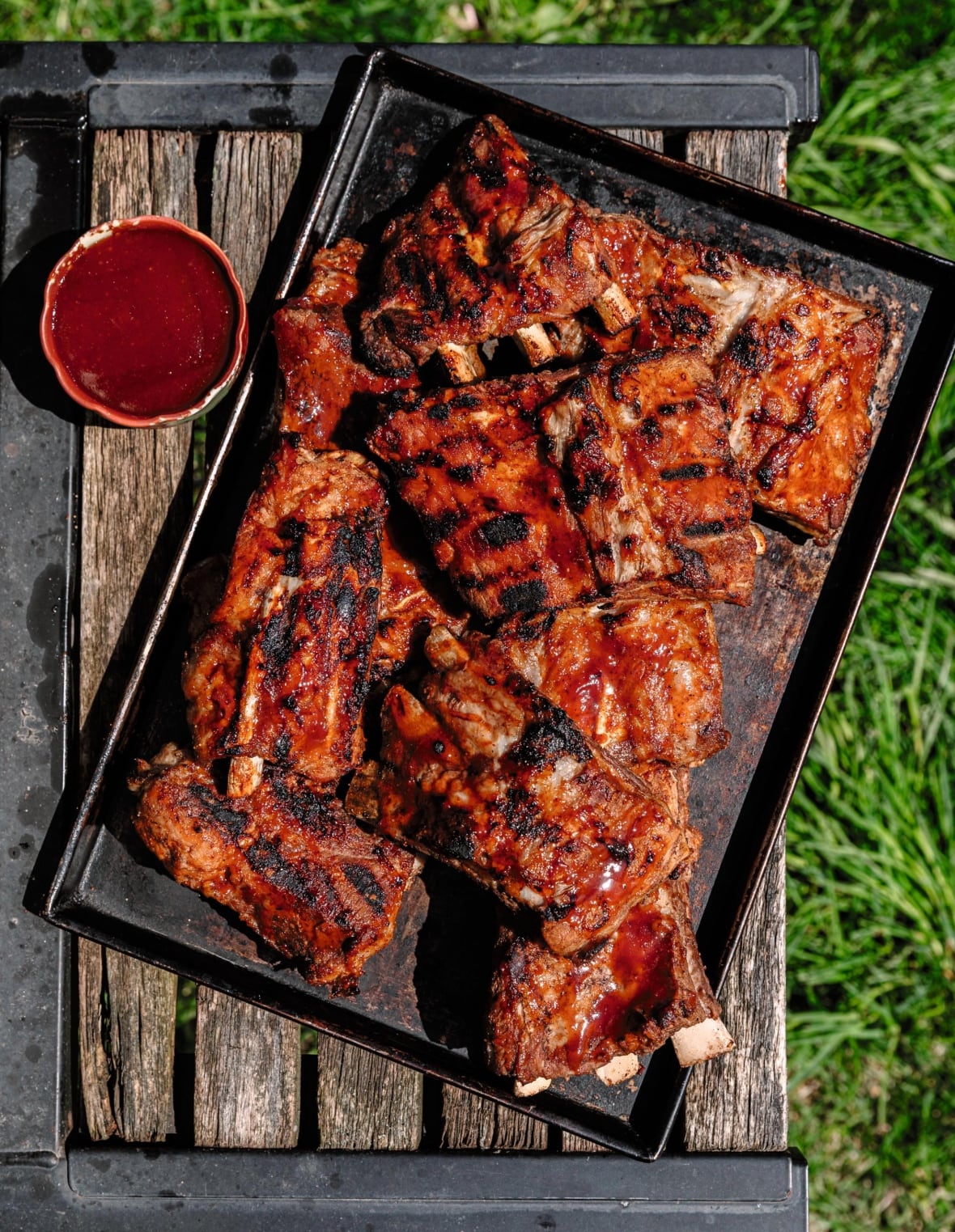
How you present your ribs can make your guests eager to dig in. Slice the ribs between the bones and arrange them neatly on a wooden board or a rustic platter. Adding a few sprigs of fresh herbs like parsley or thyme can brighten the look instantly.
Use small bowls for sauces and dips, so everyone can customize their flavor. Serving with colorful sides placed strategically around the ribs creates a visually appealing plate. Remember, the way food looks can make you taste it better—so don’t rush this part.
Have you tried serving spare ribs with a dipping sauce trio, such as tangy barbecue, spicy mustard, and creamy ranch? It invites your guests to experiment and adds a fun element to your meal.
Credit: www.cbc.ca
Frequently Asked Questions
How Long To Cook Spare Ribs On A Gas Grill?
Cook spare ribs on a gas grill for 1. 5 to 2 hours. Use indirect heat at 275°F for tender, juicy ribs. Turn occasionally and baste with sauce during the last 30 minutes for best flavor.
What Temperature Is Best For Grilling Spare Ribs?
Maintain a gas grill temperature of 275°F to 300°F. This low, steady heat cooks ribs evenly without burning. Use a meat thermometer to ensure ribs reach 190°F for optimal tenderness.
Should You Marinate Spare Ribs Before Grilling?
Marinating spare ribs is optional but recommended for extra flavor. Use a dry rub or marinade 2 to 4 hours before grilling. This helps tenderize the meat and enhances the taste.
How To Prevent Spare Ribs From Drying On The Grill?
Cook ribs over indirect heat and avoid high flames. Wrap ribs in foil halfway through cooking to retain moisture. Basting with sauce or apple juice also helps keep ribs juicy and tender.
Conclusion
Grilling spare ribs on a gas grill takes patience and care. Keep the heat low and cook slowly for tender meat. Use your favorite seasonings and sauces to add flavor. Turn the ribs often to cook evenly and avoid burning.
Let the ribs rest before cutting to keep them juicy. Enjoy the smoky taste and share with friends or family. Cooking ribs this way can bring great meals to your table. Give it a try and taste the difference yourself.