Are you craving tender, flavorful spare ribs but don’t want to spend hours in the kitchen? Cooking spare ribs in a slow cooker is the perfect way to get mouthwatering results with very little effort.
Imagine sinking your teeth into ribs so soft they fall off the bone, all made while you relax or focus on other tasks. In this post, you’ll discover simple steps and expert tips to make the best slow cooker spare ribs right at home.
Keep reading, and you’ll soon have a foolproof method to impress your family and friends with ribs that taste like they’ve been slow-cooked for hours.
Choosing The Right Spare Ribs
Choosing the right spare ribs is key to a delicious slow cooker meal. The type and quality of ribs affect flavor and tenderness. Understanding what to pick helps ensure the best results. The right ribs make cooking easier and eating more enjoyable.
Types Of Spare Ribs
Spare ribs come mainly in two types: St. Louis style and baby back ribs. St. Louis style ribs are larger and meatier. They have more fat, which adds flavor. Baby back ribs are smaller and leaner. They cook faster and are very tender. Both work well in a slow cooker. Choose based on your taste and cooking time.
Selecting Quality Meat
Good quality ribs have a pinkish-red color and firm texture. Avoid ribs that look dry or have a grayish tint. Look for ribs with a thin layer of fat. This fat keeps the meat juicy during cooking. Also, check for a fresh smell. Ribs should not have any strong or sour odor. Buying fresh ribs ensures a tastier meal.
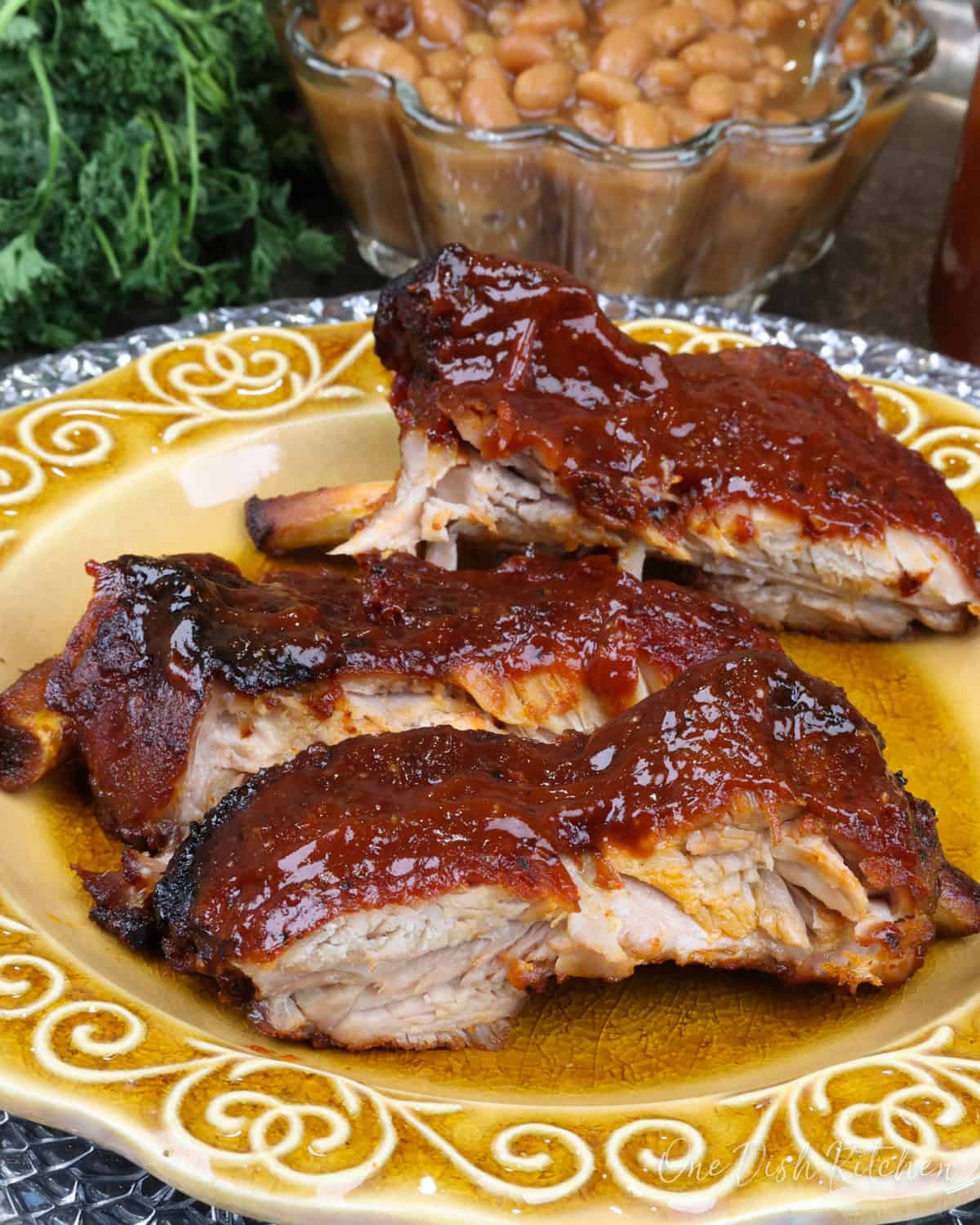
Credit: onedishkitchen.com
Preparing Ribs For The Slow Cooker
Preparing ribs for the slow cooker is a simple process that sets the stage for tender, flavorful meat. Proper preparation helps the ribs cook evenly and absorb spices well. Taking a little time to trim and season ribs can make a big difference in the final taste.
Trimming And Removing The Membrane
Start by trimming excess fat from the ribs. This step prevents greasy bites and improves cooking. Next, remove the thin silver membrane on the bone side. It can be tough and chewy after cooking.
- Slide a knife under the membrane to loosen it.
- Grab the edge with a paper towel for grip.
- Pull the membrane off in one piece.
Removing the membrane helps the ribs stay tender and allows flavors to soak in better.
Applying Dry Rubs And Marinades
Season the ribs with a dry rub or marinade to boost flavor. Use spices that you enjoy, like paprika, garlic powder, salt, and pepper. Rub the spices evenly on both sides of the ribs.
Marinating for a few hours or overnight improves taste even more. Wrap the ribs in plastic wrap and chill in the fridge. The slow cooker will then finish cooking the ribs perfectly tender.
Setting Up Your Slow Cooker
Setting up your slow cooker correctly is key to cooking tender, flavorful spare ribs. The size of your slow cooker and the amount of liquid you add directly affect the cooking process. Getting these basics right sets the stage for ribs that fall off the bone and soak up delicious flavors.
Choosing The Right Slow Cooker Size
Choose a slow cooker that fits the amount of ribs you plan to cook. A 4- to 6-quart slow cooker works well for a standard rack of spare ribs. If you want to cook more ribs or add extra ingredients, consider an 8-quart model.
Using a slow cooker that's too small can overcrowd the ribs, leading to uneven cooking. On the other hand, a very large slow cooker with a small amount of ribs might dry out the meat. Think about the portion size you need and pick a cooker that leaves some space around the ribs for heat circulation.
Adding Liquid For Moisture
Adding liquid is essential to keep your spare ribs moist and tender. Use at least ½ cup of liquid like broth, apple juice, or a mixture of barbecue sauce and water. This creates steam during cooking, preventing the ribs from drying out.
Don’t soak the ribs in liquid; instead, pour it around the ribs or at the bottom of the slow cooker. This way, the meat stays juicy without becoming soggy. Have you tried adding a splash of cola or beer? It adds a subtle sweetness and depth to the flavor.
Cooking Techniques For Tender Ribs
Cooking spare ribs in a slow cooker requires the right techniques to achieve tender, juicy results. The slow cooking process breaks down tough meat fibers, making ribs soft and flavorful. Choosing the correct heat setting and cooking time plays a key role in the texture of the ribs. This section explains how to use heat settings and timing for the best outcome.
Low Vs. High Heat Settings
Slow cookers usually have low and high heat settings. Low heat cooks ribs gently over a longer period. This allows the meat to become very tender without drying out. High heat cooks faster but may not produce ribs as tender as low heat. For the softest ribs, use the low heat setting. High heat is useful when time is short but watch the ribs closely.
Cooking Time Recommendations
The cooking time depends on the heat setting used. On low heat, ribs need about 6 to 8 hours. This time lets collagen melt and meat fibers loosen. On high heat, ribs cook in about 3 to 4 hours. Check ribs for tenderness by gently pulling the meat away from the bones. Longer cooking times help tenderize but avoid overcooking to prevent mushy texture.
Finishing Touches For Flavor
Add a smoky barbecue sauce for the final touch. A sprinkle of herbs enhances the savory flavor. Let the ribs rest before serving to lock in juices and tenderness.
Finishing touches add depth and richness to your slow-cooked spare ribs. These final steps are crucial. They ensure your ribs burst with flavor and have the perfect texture. Once your ribs are tender, it's time to enhance their taste with sauce and glaze. A quick broil will give them a satisfying crispy finish.
Adding Sauce And Glaze
Apply your favorite barbecue sauce generously. Coat each rib evenly for maximum flavor. Use a brush for precision. This helps the sauce stick well. Consider a glaze for a sweet touch. Honey, maple syrup, or brown sugar work well. They add a glossy finish and extra flavor. Let the ribs sit for a few minutes. This allows the flavors to blend.
Broiling For A Crispy Finish
Set your oven to broil. Place the ribs on a baking sheet. Position them under the broiler for a few minutes. Watch closely to avoid burning. The goal is a slightly crispy exterior. This adds texture and enhances the overall experience. Serve immediately while hot and enjoy the delightful crunch.

Credit: onmykidsplate.com
Serving And Storing Spare Ribs
Serving and storing spare ribs properly can make all the difference in enjoying their full flavor and texture. Once your ribs are tender and juicy from the slow cooker, how you present them and keep leftovers will affect your next meal experience. Let’s look at some ideal sides to pair with your ribs and the best ways to store any extras.
Best Side Dishes
Think about balancing the rich, savory taste of spare ribs with fresh, bright flavors on your plate. Crisp coleslaw or a tangy cucumber salad brings a refreshing crunch that cuts through the meat’s heaviness.
Other favorites include:
- Grilled corn on the cob brushed with herb butter
- Garlic mashed potatoes for a creamy, comforting contrast
- Baked beans with a hint of sweetness to complement the smoky ribs
- Roasted vegetables like carrots and Brussels sprouts for added texture
Have you tried pairing ribs with a simple green salad tossed in vinaigrette? It’s a light but flavorful way to keep your meal balanced and satisfying.
Proper Storage Tips
Leftover ribs deserve care to keep their taste and tenderness intact. Let the ribs cool to room temperature before storing to prevent condensation inside the container.
Wrap the ribs tightly in aluminum foil or use airtight containers to lock in moisture. Refrigerate them promptly, ideally within two hours after cooking, to keep bacteria at bay.
For longer storage, freeze the ribs in portion-sized packages with a layer of plastic wrap before sealing them in freezer bags. This prevents freezer burn and makes reheating easier.
When reheating, warm them gently in the oven wrapped in foil or in the slow cooker with a splash of broth to keep them juicy. How do you prefer to reheat your leftovers to keep that fresh-cooked flavor?
Common Mistakes To Avoid
Cooking spare ribs in a slow cooker can deliver tender, flavorful results, but several common mistakes can sabotage your efforts. Avoiding these pitfalls will help you get the best texture and taste every time. Let’s look at some frequent errors and how to steer clear of them.
Overcooking Or Undercooking
Slow cookers work by gently breaking down meat over time, but timing is crucial. Overcooking ribs can leave them mushy and dry, while undercooking results in tough, chewy meat.
To prevent this, check your slow cooker’s temperature settings and follow recommended cooking times—usually between 6 to 8 hours on low or 3 to 4 hours on high. If you’re unsure, test the ribs with a fork; they should pull apart easily but still hold some structure.
Have you ever pulled ribs out too early and had to toss them back in? It’s frustrating but a good lesson in patience and timing.
Skipping The Membrane Removal
The thin silver membrane on the back of spare ribs can be a real barrier to tenderness and flavor absorption. Many skip this step, but leaving it on can make your ribs tough and less enjoyable.
Removing the membrane is simple: slide a knife under it at one end, grip it with a paper towel, and pull it off. This lets your seasonings and sauces penetrate better and helps the ribs cook more evenly.
Don’t underestimate this small step—it can make a huge difference in the final texture of your ribs. Have you tried ribs without removing the membrane and wondered why they weren’t as tender?

Credit: www.mamalovesfood.com
Frequently Asked Questions
How Long Should Spare Ribs Cook In A Slow Cooker?
Spare ribs typically cook for 6 to 8 hours on low heat. This slow cooking makes the meat tender and flavorful. For quicker results, cook on high for 3 to 4 hours. Always check for tenderness before serving.
What Is The Best Seasoning For Slow Cooker Spare Ribs?
A mix of salt, pepper, garlic powder, and paprika works well. You can also add brown sugar or barbecue sauce for extra flavor. Apply the seasoning evenly before placing ribs in the slow cooker. This enhances taste during slow cooking.
Should Spare Ribs Be Seared Before Slow Cooking?
Searing ribs before slow cooking is optional but recommended. It locks in juices and adds a rich flavor. Use a hot pan to brown ribs for 2-3 minutes per side. Then transfer them to the slow cooker for best results.
Can I Cook Frozen Spare Ribs In A Slow Cooker?
It's not advised to cook frozen ribs directly in a slow cooker. Thaw ribs completely for even cooking and food safety. Slow cookers heat food slowly and may keep frozen meat in danger zones too long. Always defrost before cooking.
Conclusion
Cooking spare ribs in a slow cooker is easy and rewarding. The ribs turn tender and full of flavor. You only need a few ingredients and time. Set the slow cooker, and let it do the work. Perfect ribs come out every time without much effort.
This method saves you time and keeps the kitchen cool. Serve with your favorite sides for a great meal. Try this simple slow cooker recipe and enjoy delicious ribs today.