Are you ready to master the art of cooking ribs on your gas grill? Imagine biting into tender, juicy ribs with a perfect smoky flavor that makes your mouth water.
It’s easier than you think, and you don’t need fancy equipment or complicated steps. Whether you’re grilling for family, friends, or just yourself, this guide will help you get flawless ribs every time. Keep reading, and you’ll discover simple tips and tricks that turn your gas grill into a rib-cooking powerhouse.
Your next cookout will never be the same!

Credit: cheflolaskitchen.com
Choosing The Right Ribs
Choosing the right ribs sets the foundation for a delicious meal on your gas grill. The type and quality of ribs you pick will directly affect the flavor, tenderness, and cooking time. Understanding your options helps you make an informed choice and ensures your grilling experience is enjoyable from start to finish.
Types Of Ribs
There are several types of ribs to consider, each with unique characteristics. Baby back ribs are leaner and cook faster, making them a favorite for quick grilling sessions. Spare ribs are larger and meatier, offering richer flavor but requiring more time on the grill.
St. Louis style ribs are a trimmed version of spare ribs, providing a uniform shape that cooks evenly. Country-style ribs, though not technically ribs, come from the shoulder and are meatier but need slower cooking for tenderness. Which type suits your taste and schedule?
Selecting Fresh Ribs
Freshness matters more than you might think when picking ribs. Look for ribs with a bright pink color and firm texture; avoid any with a grayish tint or slimy feel. Check the packaging date if buying pre-packaged ribs to ensure freshness.
Don’t hesitate to ask your butcher for recommendations or if they have ribs that were recently cut. Fresh ribs will have a milder smell and should not have any off-putting odors. Investing time in choosing fresh ribs pays off when you taste the final grilled product.
Preparing Ribs For Grilling
Preparing ribs for grilling sets the stage for tender and flavorful results. Proper prep helps the ribs cook evenly and absorb taste better. Each step adds to the final texture and flavor.
Removing The Membrane
The membrane is a thin, silver skin on the back of the ribs. It can block flavors and cause toughness. To remove it, slide a knife under the membrane to lift it. Grab the edge with a paper towel and pull it off slowly. Removing the membrane helps the ribs cook more evenly.
Applying A Dry Rub
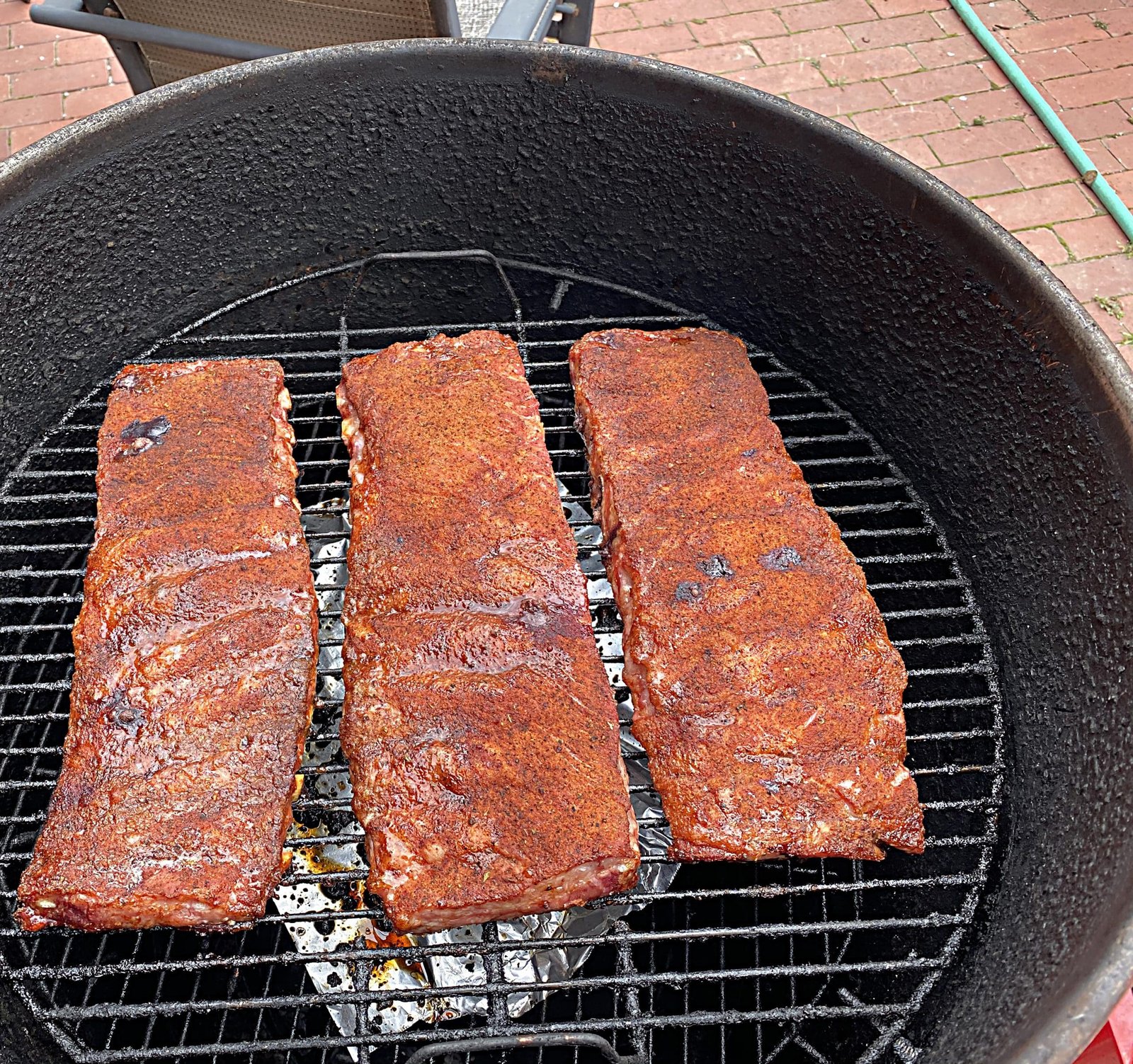
A dry rub adds flavor and forms a tasty crust on the ribs. Mix spices like paprika, brown sugar, salt, pepper, and garlic powder. Pat the ribs dry, then massage the rub into all sides. Let the ribs sit for at least 30 minutes to soak in the spices.
Marinating Options
Marinating ribs adds moisture and depth to the taste. Use mixtures with vinegar, oil, soy sauce, or fruit juices. Place ribs in a sealable bag with the marinade. Refrigerate for 2 to 4 hours or overnight for best results. Remove ribs from marinade and pat dry before grilling.
Setting Up The Gas Grill
Setting up your gas grill correctly is key for cooking tender, juicy ribs. Proper preparation ensures even heat and prevents flare-ups. It also helps maintain the right temperature throughout the cooking process. Follow these simple steps to get your grill ready.
Cleaning And Preheating
Start by cleaning the grill grates with a wire brush. Remove leftover food and grease. This stops sticking and adds flavor. Turn on the gas and ignite the burners. Close the lid and let the grill preheat for 10 to 15 minutes. Aim for a medium heat level, about 250°F to 300°F. Proper preheating helps cook the ribs evenly.
Arranging Heat Zones
Set up two heat zones on the grill. One side with direct heat on, the other side off or low. This creates a hot zone for searing and a cooler zone for slow cooking. Place the ribs on the cooler side first. Use the hotter side only for finishing or browning. This method prevents burning and cooks ribs perfectly.
Using A Drip Pan
Place a drip pan under the ribs on the cooler side. It catches fat and prevents flare-ups. Fill the pan with water, apple juice, or beer for extra moisture. This keeps the ribs juicy and adds a subtle flavor. The drip pan also helps maintain steady heat around the meat.

Credit: www.youtube.com
Grilling Techniques
Grilling ribs on a gas grill takes some skill and care. Using the right techniques helps cook ribs evenly and keeps them juicy. You can enjoy tender meat and rich flavors with simple grilling tips. The key is controlling heat and adding flavor without burning.
Indirect Cooking Method
Place the ribs away from direct flames on your grill. Turn on burners only on one side. Put ribs on the cooler side. Close the lid to trap heat. This method cooks ribs slowly and evenly. It prevents burning the outside while the inside cooks fully.
Maintaining Consistent Temperature
Keep the grill temperature steady between 225°F and 275°F. Check the grill often with a built-in thermometer. Adjust burners to keep heat stable. Avoid opening the lid too much. This helps keep the heat inside and cooks ribs well.
Adding Smoke Flavor
Use wood chips for extra smoky taste. Soak chips in water for 30 minutes before use. Place them in a smoker box or wrap in foil with holes. Put the box near the heat source. Smoke adds rich flavor to the ribs without needing a smoker.
Cooking Time And Monitoring
Cooking ribs on a gas grill requires careful monitoring. Keep an eye on the temperature to ensure even cooking. Adjust the heat as needed, and turn the ribs occasionally for perfect tenderness.
Cooking ribs on a gas grill can be a delightful experience when you get the timing and monitoring just right. Understanding the cooking time and how to monitor the ribs ensures they are juicy and tender. It also prevents you from serving dry or undercooked ribs. So, how long should you grill those ribs? And how do you know when they're perfectly done? Let’s dive into the details.
Ideal Cooking Duration
The cooking time for ribs on a gas grill typically ranges from 1.5 to 2 hours. This depends on the thickness of the ribs and the heat of your grill. Maintaining a steady temperature of 225°F to 250°F is crucial. A personal experience taught me the importance of patience. Rushing the process only resulted in tough ribs. To get that fall-off-the-bone texture, slow and steady wins the race.
Checking Doneness
How do you know when your ribs are done? Look for meat that has shrunk back from the bone by about a quarter inch. This is a clear sign that the ribs are cooked. You can also use a meat thermometer. The ideal internal temperature for ribs is around 190°F. This ensures the collagen has broken down, making the ribs tender.
Avoiding Common Mistakes
One common mistake is lifting the lid too often. Each time you open the grill, heat escapes, prolonging cooking time. Resist the urge to peek too frequently. Another pitfall is forgetting to rotate the ribs. Uneven cooking can result in some parts being overdone while others remain undercooked. Rotate them halfway through the cooking time for even results. Have you ever experienced any grilling mishaps? Learning from these can make your next grilling session a success. By focusing on the cooking time and monitoring, you’ll be well on your way to mastering ribs on a gas grill.
Finishing Touches
Finishing touches bring your grilled ribs to perfection. These final steps enhance flavor and texture. Pay close attention to sauce, resting, and serving. Each element plays a key role in the overall experience.
Applying Sauce
Brush your favorite barbecue sauce onto the ribs during the last 10 minutes of cooking. This helps the sauce caramelize without burning. Apply thin layers for a sticky, flavorful finish. Avoid heavy sauce early to keep ribs tender.
Resting The Ribs
Remove ribs from the grill and let them rest for 10 to 15 minutes. Resting allows juices to redistribute inside the meat. Cover ribs loosely with foil to keep them warm. This step improves tenderness and flavor.
Serving Suggestions
Slice ribs between the bones for easy serving. Arrange on a platter with fresh herbs or lemon wedges for color. Serve with classic sides like coleslaw, corn on the cob, or baked beans. Offer extra sauce on the side for dipping.
Troubleshooting Tips
Cooking ribs on a gas grill can be rewarding, but it’s not without its challenges. Even with the best intentions, your ribs might turn out dry, tough, or unevenly cooked. These troubleshooting tips will help you fix common problems and improve your grilling game quickly.
Dry Or Tough Ribs
If your ribs come out dry or tough, the heat might be too high or the cooking time too long. Try grilling ribs over indirect heat to keep them tender and juicy.
Wrapping ribs in foil partway through cooking can lock in moisture. Don’t forget to baste your ribs occasionally with a sauce or marinade to add extra juiciness.
Have you checked your grill’s temperature with a thermometer? Relying on the dial alone can lead to overheating, which dries out the meat fast.
Flare-ups And Burnt Spots
Flare-ups happen when fat drips onto the flames, causing sudden bursts of heat that burn your ribs. To avoid this, trim excess fat before grilling and keep a spray bottle of water nearby to control flames.
Position your ribs away from direct flames and use a two-zone setup: one side with high heat for searing, the other with low heat for slow cooking.
Have you tried moving the ribs around frequently? Rotating them every 10-15 minutes can prevent burnt spots and ensure even cooking.
Enhancing Flavor
Ribs need more than just salt and pepper to shine on the grill. Experiment with dry rubs combining paprika, garlic powder, brown sugar, and cayenne for a balanced sweet and spicy kick.
Adding wood chips to your gas grill can introduce smoky flavors that mimic charcoal grilling. Soak wood chips in water and place them in a smoker box or foil pouch with holes.
Consider finishing your ribs with a glaze during the last 10 minutes of cooking. A mix of honey, mustard, and apple cider vinegar adds a tangy shine that keeps people coming back for more.

Credit: www.thepioneerwoman.com
Frequently Asked Questions
How Long Should Ribs Cook On A Gas Grill?
Cook ribs on low heat for 1. 5 to 2 hours. Use indirect heat to avoid burning. Check tenderness with a fork.
What Temperature Is Best For Grilling Ribs?
Maintain grill temperature around 225°F to 250°F. This low and slow method ensures tender, juicy ribs. Avoid high heat.
Should I Use A Dry Rub Or Marinade?
Use a dry rub for flavor and bark formation. Marinades add moisture but can prevent crust. Choose based on taste preference.
How Do I Prevent Ribs From Drying Out?
Cook ribs over indirect heat and keep the lid closed. Baste occasionally with sauce or apple juice to maintain moisture.
Conclusion
Cooking ribs on a gas grill takes patience and care. Keep the heat low and cook slowly for tender meat. Use your favorite rub or sauce for great flavor. Watch the ribs closely to avoid burning. Rest the ribs before cutting to keep juices inside.
Enjoy the smoky taste you created yourself. Grilling ribs can be simple and fun. Try it again to improve your skills. Perfect ribs bring family and friends together. Easy steps lead to delicious results every time.