Are you craving tender, flavorful pork ribs but don’t want to spend hours in the kitchen? Cooking pork ribs in a slow cooker is the perfect way to get juicy, fall-off-the-bone meat with minimal effort.
Imagine coming home to the irresistible smell of ribs that have been cooking low and slow all day, ready to enjoy without any hassle. You’ll discover simple steps and expert tips to make the best slow cooker pork ribs. Keep reading, and you’ll learn how to turn basic ribs into a mouthwatering meal your whole family will love.
Choosing The Right Pork Ribs
Choosing the right pork ribs sets the foundation for your slow cooker recipe. The type and quality of ribs affect cooking time, texture, and flavor. Understanding the differences will help you make the best choice for your meal.
Baby Back Ribs Vs. Spare Ribs
Baby back ribs are shorter, leaner, and more tender. They cook faster in the slow cooker and usually have less fat, which means a lighter taste. If you want ribs that fall off the bone quickly, baby back ribs are a great pick.
Spare ribs are larger and contain more fat, which adds richness and flavor during slow cooking. They take a bit longer to become tender but reward you with a deeper, meatier bite. If you enjoy a robust, juicy rib, spare ribs might be your preference.
Think about the texture you want. Do you prefer quick tenderness or slow-cooked richness?
Fresh Or Frozen Ribs
Fresh ribs often offer better flavor and texture, but frozen ribs can work well if thawed properly. Avoid cooking ribs directly from frozen in the slow cooker because it extends cooking time and can lead to uneven results.
If you buy frozen ribs, thaw them fully in the refrigerator for 24 hours before cooking. This step ensures the ribs cook evenly and absorb your seasonings better.
Have you noticed a difference in taste between fresh and frozen ribs in your cooking? Take a moment to plan ahead and pick fresh when possible for the best slow cooker experience.
Preparing The Ribs
Preparing pork ribs properly sets the foundation for tender, flavorful results in your slow cooker. Taking a few extra minutes to get your ribs ready can make a huge difference in taste and texture. Let’s walk through the key steps that will help you get the most out of your ribs before they hit the slow cooker.
Removing The Membrane
The membrane is a thin, silver layer on the back of the ribs that can block seasoning and make ribs tough. Removing it allows flavors to soak in better and improves the texture. To remove it, slide a butter knife under the membrane to loosen it, then grip it with a paper towel and pull it off in one piece.
Doesn’t it feel satisfying to peel away that stubborn layer? This simple step often gets overlooked but can transform your ribs from chewy to melt-in-your-mouth.
Trimming Excess Fat
While some fat adds flavor and moisture, too much can make your ribs greasy and heavy. Use a sharp knife to trim any thick fat pockets without cutting into the meat. Aim for a balanced layer that will baste the ribs as they cook but won’t overwhelm the dish.
Think about how your ribs will taste after hours in the slow cooker. Removing excess fat helps the seasoning stand out and keeps the texture just right.
Applying A Dry Rub
A dry rub is your ticket to bold flavor. Mix your favorite spices like paprika, brown sugar, garlic powder, salt, and pepper, then massage the rub all over the ribs. Don’t be shy—press the rub into every nook and cranny.
Have you tried letting your ribs sit with the rub for a few hours or overnight? This extra time lets the flavors deeply penetrate the meat, giving you ribs that sing with every bite.
Selecting The Best Slow Cooker
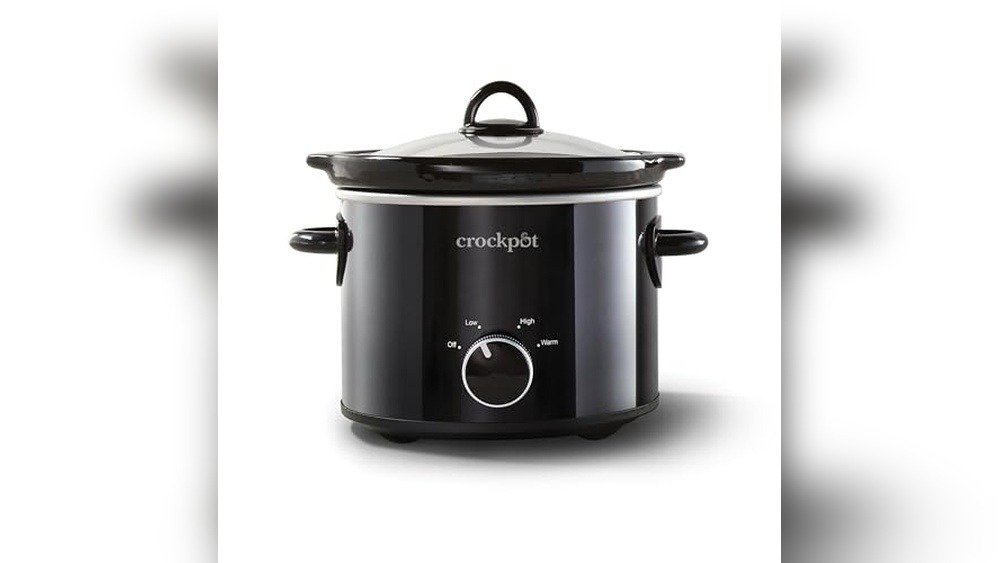
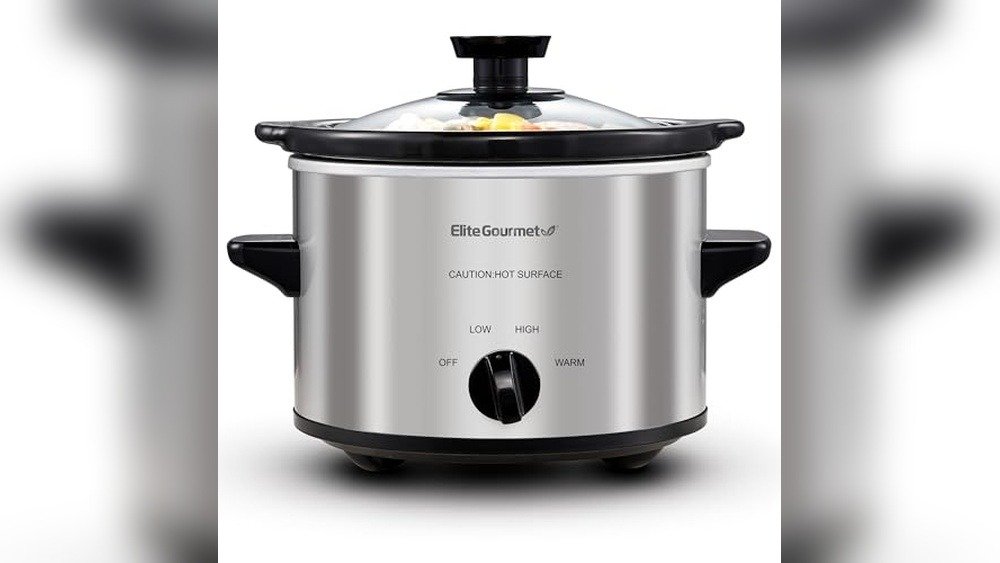
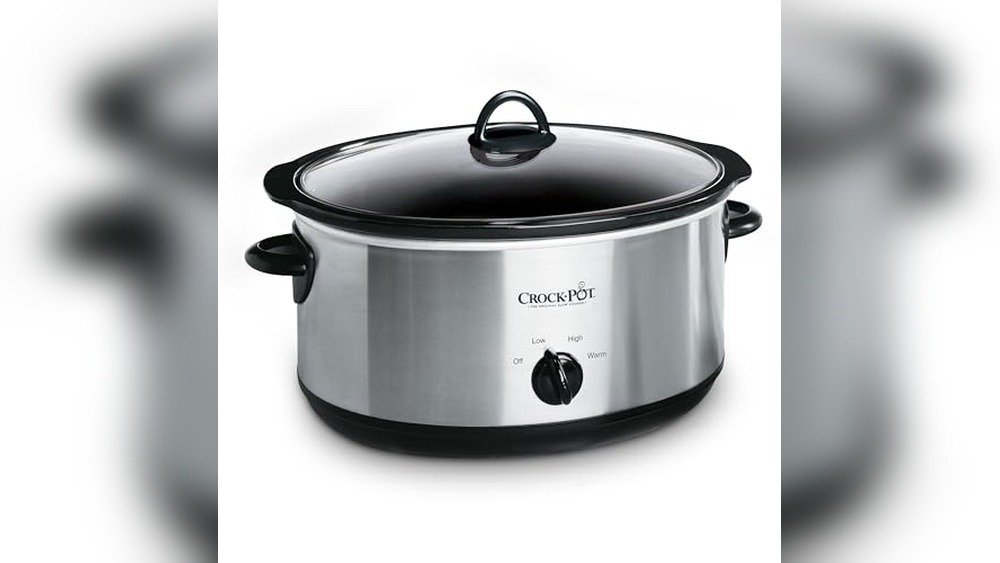
Selecting the best slow cooker is key to making tender and juicy pork ribs. The right appliance helps cook ribs evenly and keeps flavors locked in. Understanding size and useful features will make your cooking easy and enjoyable.
Size And Capacity
Choose a slow cooker size based on the amount of ribs you want to cook. Small slow cookers hold 2 to 3 quarts and work for 1 to 2 servings. Medium sizes, 4 to 5 quarts, fit a full rack of ribs for 3 to 4 people. Large slow cookers, 6 quarts or more, are perfect for big families or batch cooking.
Consider the shape too. Oval slow cookers fit longer ribs better than round ones. Pick a size that fits your usual cooking needs to avoid overcrowding or wasting energy.
Features To Consider
- Temperature Settings:Look for low, high, and warm options to control cooking time and keep food hot after cooking.
- Timer and Auto Shut-Off:A timer stops cooking at the right time. It prevents overcooking and saves electricity.
- Removable Stoneware:Easy to clean and dishwasher safe stoneware makes cleanup fast and simple.
- Lid Design:A tight-fitting lid traps moisture. Some lids are glass to watch food without lifting.
- Programmable Models:These let you set cooking times and temperatures precisely. Good for busy schedules.
Adding Liquid And Flavor
Adding liquid and flavor is key to tender and tasty pork ribs in a slow cooker. Liquids keep the meat moist as it cooks low and slow. They also help the ribs soak up delicious flavors. Choosing the right sauce or broth and using aromatics and spices can change the dish completely. These elements build the base for a rich, juicy meal.
Choosing The Right Sauce Or Broth
Select a liquid that complements pork ribs well. Common choices include:
- Barbecue sauce for a smoky, sweet taste
- Chicken or beef broth for a mild, savory flavor
- Apple juice or cider for a touch of sweetness
- Tomato-based sauces for a tangy, rich profile
Using a sauce often means less need for extra seasoning. Broths provide a lighter, more natural taste. Combine liquids for a unique flavor blend. Pour enough to cover the ribs halfway. This ensures even cooking and flavor absorption.
Using Aromatics And Spices
Aromatics and spices deepen the flavor of the ribs. Fresh garlic, onions, and ginger add warmth and zest. Herbs like thyme, rosemary, or bay leaves bring earthiness. Spices such as paprika, black pepper, and chili powder add a mild kick.
- Layer aromatics under and over the ribs
- Sprinkle spices evenly on the meat before cooking
- Use whole spices in a spice bag for easy removal
These small additions create a complex taste profile. They work with the liquid to make the ribs juicy and flavorful. Experimenting with different combinations can lead to your favorite recipe.
Cooking Time And Temperature
Cooking time and temperature are key to tender, juicy pork ribs in a slow cooker. The right settings break down the meat's fibers, making it soft and flavorful. Too hot or too short, and the ribs stay tough. Too long, and they can dry out.
Choosing the slow cooker’s temperature affects how the ribs cook and their texture. Adjusting cooking time helps achieve perfect tenderness without losing moisture.
Low Vs. High Setting
The low setting cooks ribs gently over several hours. It allows flavors to develop deeply. The meat becomes very tender and easy to pull apart.
The high setting cooks ribs faster but less evenly. It risks making the meat dry if not watched closely. Use it only if short on time.
Most cooks prefer the low setting for best results. It keeps meat juicy and soft.
Ideal Cooking Duration
Cooking pork ribs on low usually takes 6 to 8 hours. This long time breaks down collagen and fat well.
On high, ribs cook in 3 to 4 hours. Check for tenderness early to avoid overcooking.
Use a fork to test ribs; they should pull apart easily but not fall apart completely.

Credit: onmykidsplate.com
Finishing Touches
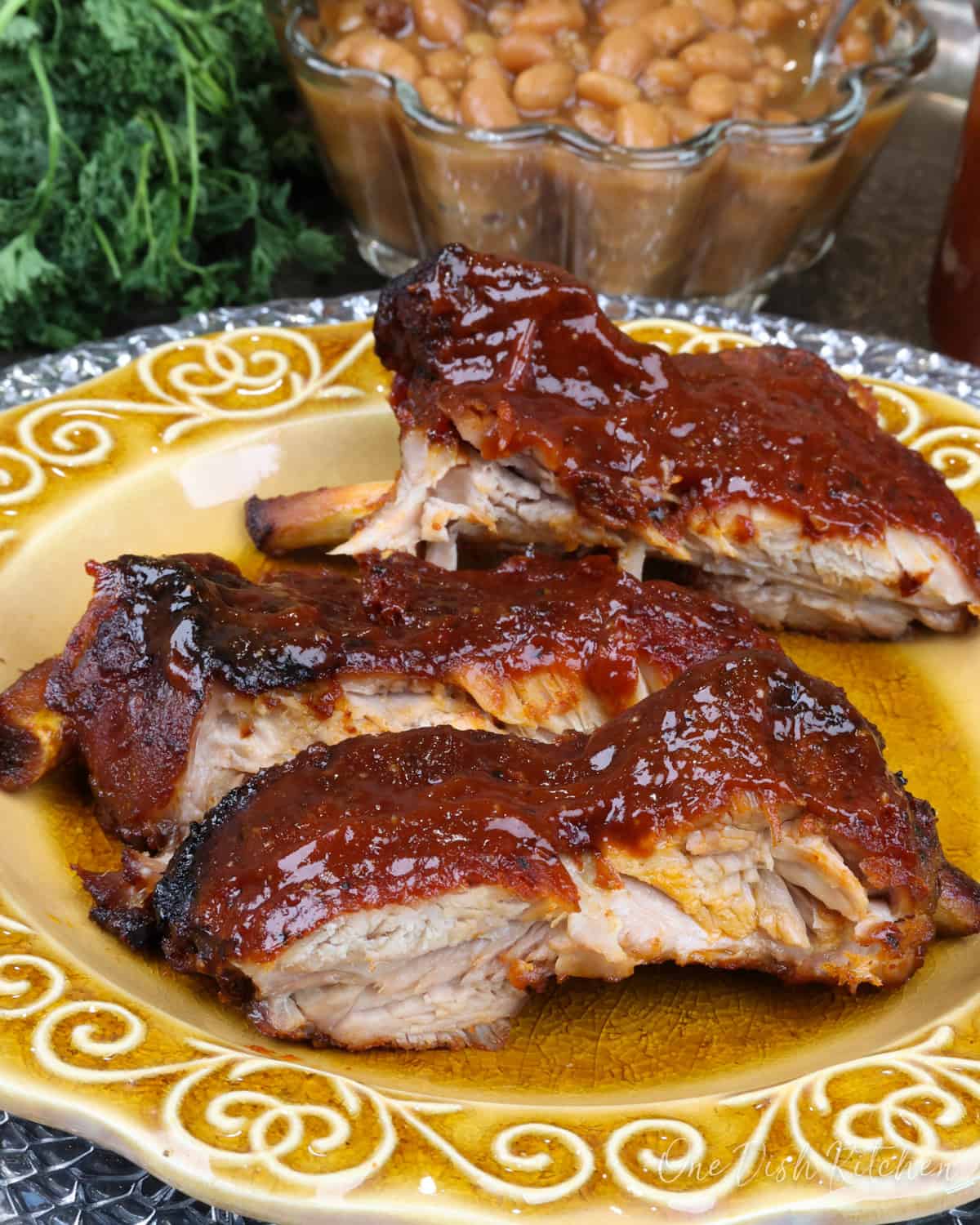
After hours of slow cooking, your pork ribs will be tender and juicy. Yet, to elevate their flavor, a few finishing touches are needed. These final steps add texture and depth to your ribs, making them irresistible.
Broiling For A Crispy Exterior
Transfer the ribs from the slow cooker to a baking sheet. Preheat your oven's broiler. Place the ribs under the broiler for 3-4 minutes. This gives them a delicious, crispy crust. Keep a close eye to prevent burning. This short burst of heat enhances the ribs' texture.
Adding Extra Sauce
Brush your favorite barbecue sauce generously over the ribs. Use a sauce with a balance of sweet and tangy flavors. Return them to the broiler for another 2-3 minutes. This step caramelizes the sauce, enhancing its taste. Serve the ribs hot, with extra sauce on the side. The rich glaze complements the tender meat perfectly.
Serving Suggestions
Serving pork ribs cooked in a slow cooker offers a delicious, tender meal. Pairing ribs with the right sides makes the dish complete. Thoughtful serving suggestions enhance flavors and create a balanced plate. Consider easy, tasty options that everyone will enjoy.
Side Dishes That Complement Ribs
- Classic coleslaw adds a crunchy, fresh contrast.
- Baked beans provide a sweet and smoky flavor.
- Grilled corn on the cob offers a juicy, charred taste.
- Mashed potatoes bring a creamy, comforting texture.
- Macaroni and cheese adds cheesy richness.
- Fresh green salad balances the meal with lightness.
- Roasted vegetables deliver earthy and savory notes.
Storing And Reheating Leftovers
Store leftover ribs in an airtight container. Keep them in the refrigerator for up to 3 days. For longer storage, freeze ribs for up to 3 months.
Reheat ribs gently to keep them tender. Use a microwave on low power or warm them in the oven at 300°F (150°C). Cover ribs with foil to retain moisture during reheating.
Credit: onedishkitchen.com
Troubleshooting Common Issues
Slow cookers can sometimes leave ribs tough or dry. Adjust cooking time and add enough liquid for tender, juicy results. Check seasoning and temperature to avoid common mistakes.
Cooking pork ribs in a slow cooker can yield delicious results. Yet, sometimes issues arise. Identifying these problems early helps improve your dish. Here, we'll address common problems with slow-cooked ribs. Learn how to achieve perfect tenderness and flavor every time.
Ribs Not Tender Enough
Ribs need enough time to become tender. Set your slow cooker on low. Cook the ribs for 6 to 8 hours. Ensure the ribs are fully submerged in sauce. This keeps them moist. Check the lid is properly closed. Heat escapes if the lid is not sealed. If ribs remain tough, check the cut. Baby back ribs are more tender. Spare ribs may need longer cooking. Use a meat thermometer. Internal temperature should reach 145°F. This ensures they are cooked through.
Overcooked Or Dry Ribs
Overcooked ribs lose moisture and flavor. Monitor cooking time closely. Use a timer to avoid overcooking. Check the liquid level in your slow cooker. There should be enough sauce to cover the ribs. Add more liquid if needed. When possible, baste the ribs during cooking. This keeps the ribs juicy. Choose the right sauce for added moisture. A thicker sauce can protect ribs from drying out. Check ribs an hour before they are done. Adjust time based on their tenderness. Following these tips can help solve common rib issues. Enjoy tender, flavorful ribs every time.

Credit: www.mamalovesfood.com
Frequently Asked Questions
How Long Should Pork Ribs Cook In A Slow Cooker?
Pork ribs should cook in a slow cooker for 6 to 8 hours on low heat. This slow cooking method ensures tender, juicy ribs that easily fall off the bone. Avoid cooking on high to prevent drying out the meat.
What Seasoning Works Best For Slow Cooker Pork Ribs?
A combination of salt, pepper, garlic powder, and paprika works well. You can also add brown sugar for sweetness. Use a dry rub or your favorite BBQ sauce to enhance flavor during slow cooking.
Can I Add Bbq Sauce Before Slow Cooking Ribs?
Yes, adding BBQ sauce before slow cooking helps infuse flavor into the ribs. However, for a thicker glaze, add more sauce during the last 30 minutes of cooking or broil after slow cooking.
Should I Brown Pork Ribs Before Slow Cooking?
Browning pork ribs before slow cooking is optional but recommended. It adds extra flavor and a caramelized crust. Simply sear the ribs in a hot pan for 2-3 minutes per side before placing them in the slow cooker.
Conclusion
Cooking pork ribs in a slow cooker is simple and rewarding. You only need a few ingredients and patience. The slow heat makes the meat tender and juicy. It saves time and effort in the kitchen. You can add your favorite sauces or spices for extra flavor.
Serve the ribs with sides you enjoy. This method suits beginners and busy cooks alike. Try it once, and you will want to cook ribs this way again. Easy, tasty, and perfect every time.